admin
27 February 2025
#
Post originally written in: Deutsch Information An automatic machine translation. Super fast and almost perfect.
Beitrag ist älter als ein Jahr

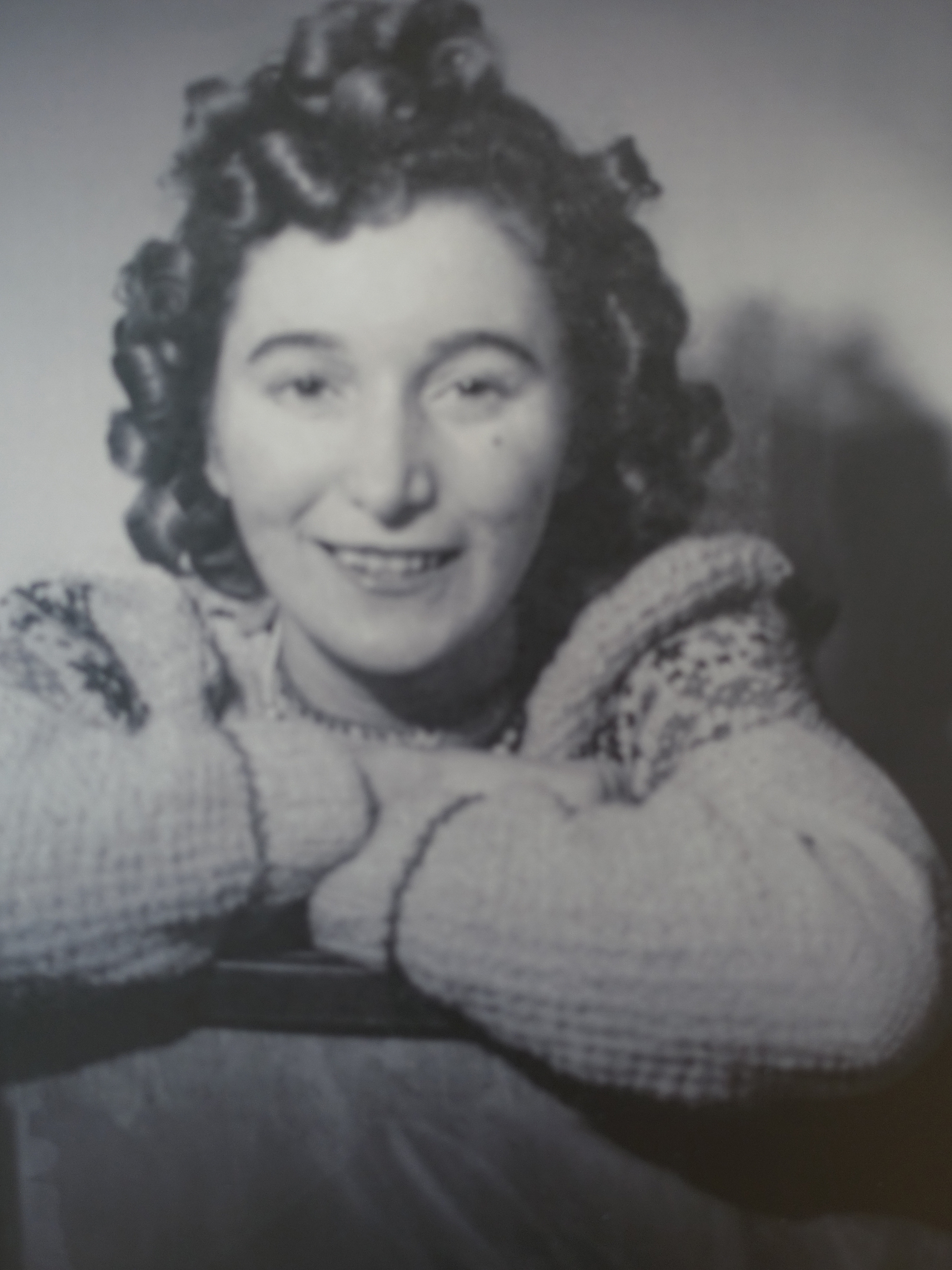
A young Jewish woman survives the Holocaust thanks to the civil courage of a few brave Innsbruck residents. And thanks to a large portion of luck. Leokadia Justman's true story reads like a thriller. The breathtaking biography is now available in book form.

About miraculous survival in times of total darkness

I didn't think it was possible: Exactly 80 years after the end of the Second World War and the horrific mass murder of more than six million Jewish people by the Nazis, the story of a Polish-Jewish woman emerges from the deepest darkness of history. She had survived the horrific persecution of Jews in Tyrol. Leokadia Justman miraculously escaped certain death at the hands of the Nazis, first in Seefeld, then in Innsbruck and at the end of the war in Lofer. Always with the active help of courageous Innsbruck residents, who thus also secretly revealed their opposition to Hitler's fascism.

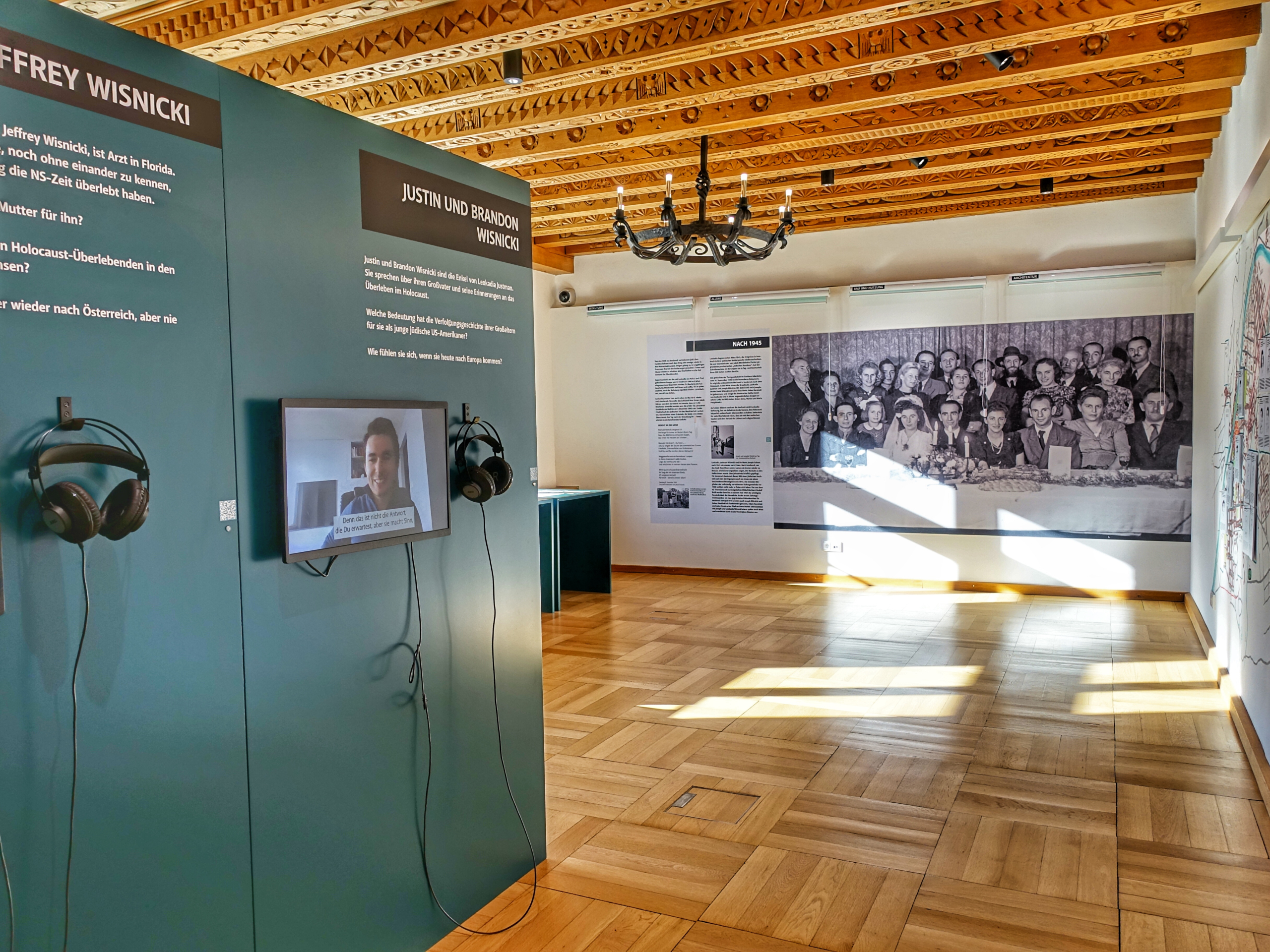
While still in Innsbruck, the young woman began to put her incomprehensible experiences into words immediately after the war. After she emigrated to the USA with her husband, her autobiography was published as a book that never became known in Austria. It has been donated to the University of Innsbruck and the Innsbruck City Archives that this woman's incredible memoirs have just been published in German by Tyrolia-Verlag in the series 'Veröffentlichungen des Stadtarchivs Innsbruck, Neue Folge 81'. At the same time, an exhibition on the incredible fate of Leokadia Justman and her miraculous rescue from the clutches of the GESTAPO is being held in the former office of the Tyrolean Nazi Gauleiter and mass murderer Franz Hofer until October 26 this year.

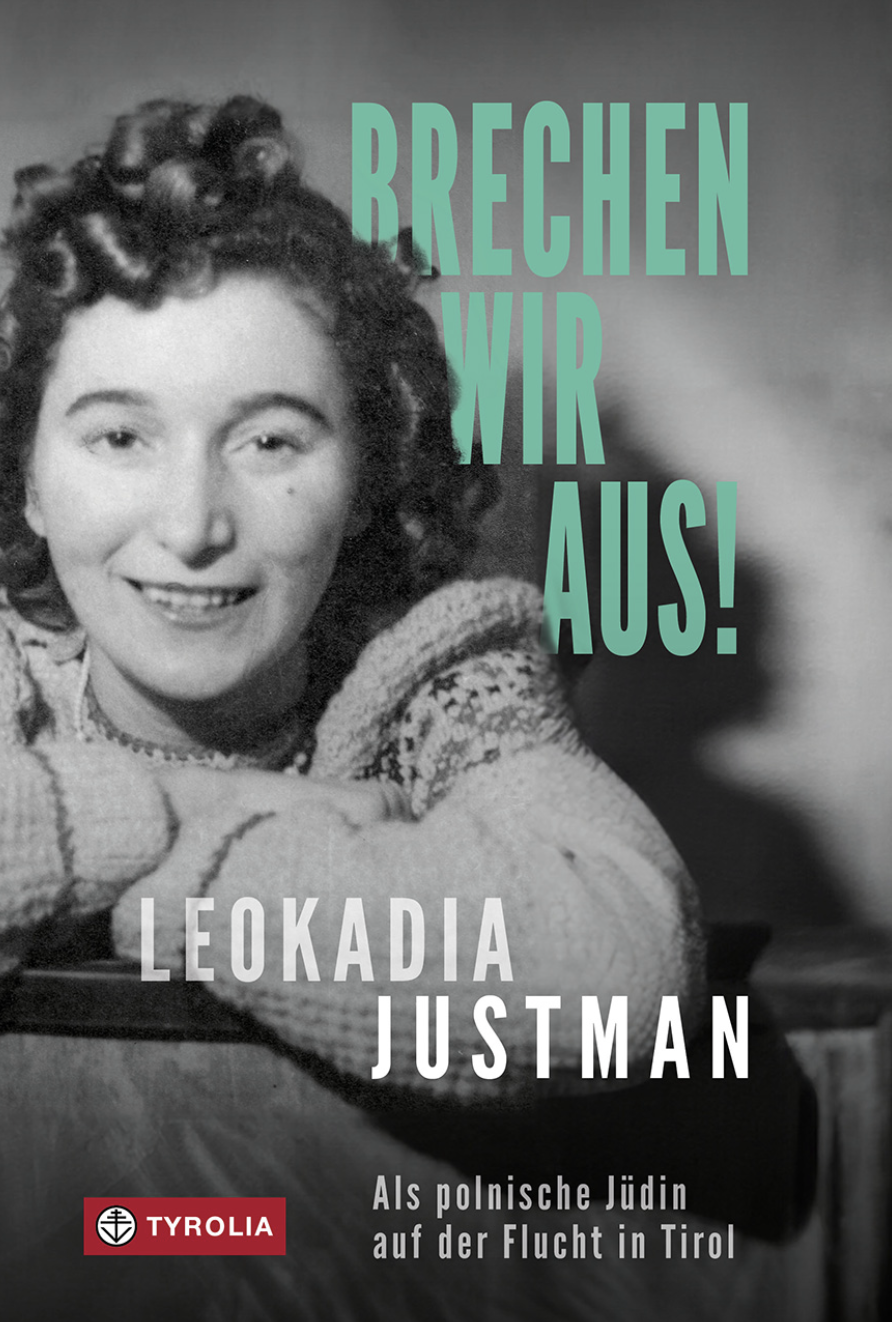
Let's break out!

"Let's break out! A Polish Jew on the run in Tyrol" is an impressive document of the will to live of a young woman who, together with her father, was chased across half of Europe by the Nazis. Leokadia Justman's records are as incredible as they are true. You have to imagine it: She survived the Warsaw ghetto, the brutal persecution of Jews in Poland and her time in Tyrol, but above all a spell in prison in Innsbruck. The mere idea that she and her father had to face discovery and murder by the Nazi barbarians on a daily basis for years made me shudder as a reader of the book.

A contemporary witness helped bring Leokadia's fate to light

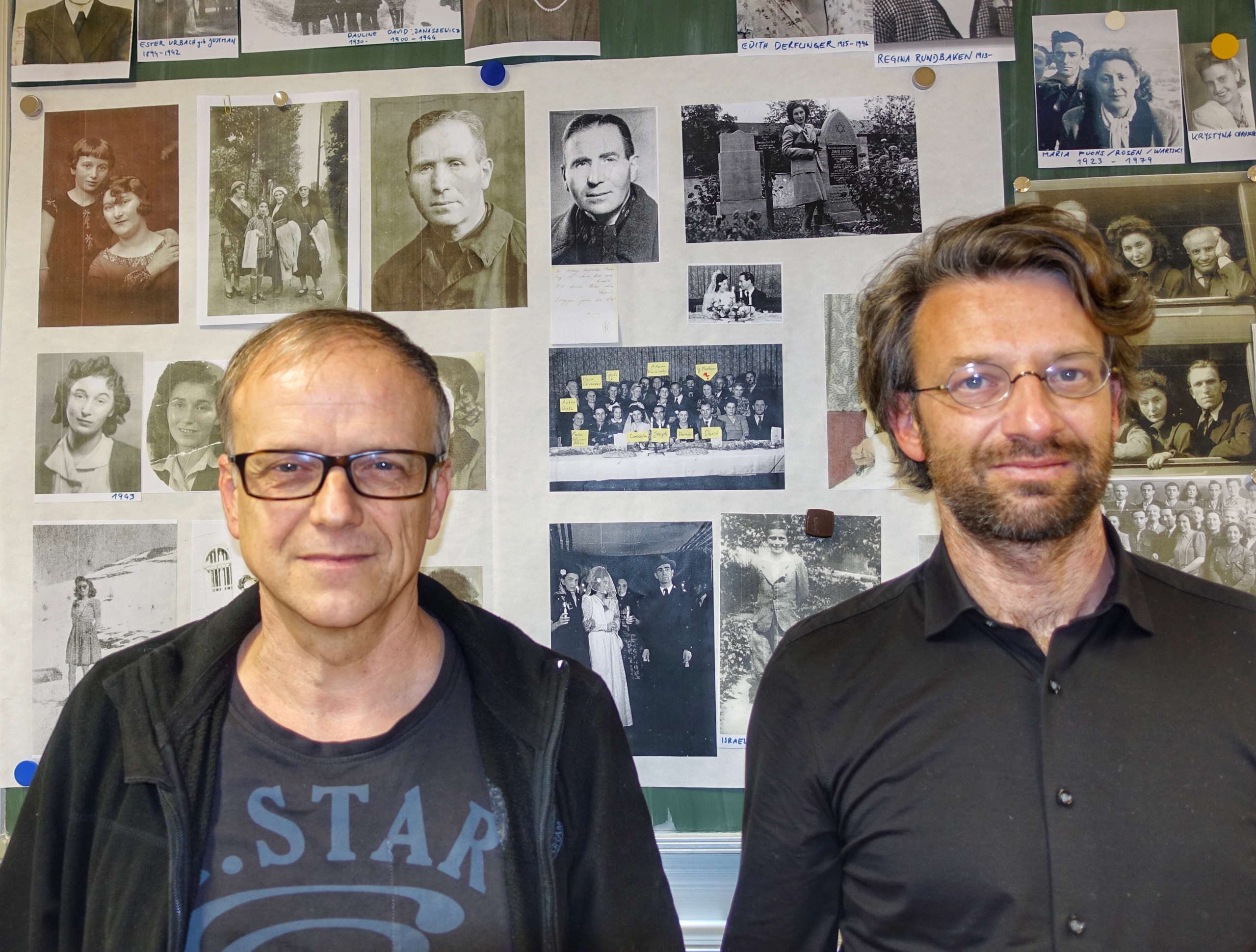
The fact that her story has become known at all 80 years later and is now available in book form is thanks to a contemporary witness from Innsbruck, a historian, a theology professor, some students and several extremely committed retired police officers. They have worked through all the details of Leokadia Justman's autobiography using historical police files and were able to substantiate even supposedly unimportant details of Justman's accounts.

When Martin Thaler, now more than 80 years old, visited the traveling exhibition on the 'Righteous Among the Nations' in the Ursuline Halls in 2016, he remembered a key scene from his childhood, even though he was just three years old.(The 'Righteous Among the Nations' are those non-Jewish people who risked their lives to save Jews from persecution and murder during the Holocaust. The honorary title is one of the highest awards for civil courage and humanity) Thaler recalled the arrest of a man in his mother's apartment in 1944, where one of the men had punched the man in the face. The following video with Martin Thaler shows him in the original apartment. It was produced by the Public Relations Office of the University of Innsbruck.

He remembered Jakob Justmann, who had found shelter with his daughter in Martin Thaler's mother's apartment at the time. But it was more the girl who had remained in his emotional memory over the decades as 'Lotte'. As he would have liked to know what had become of her, he turned to his old friend Niko Hofinger, an employee of the Innsbruck City Archives. His research was ultimately crowned with sensational success: Hofinger 'found' Leokadia Justman's son in Florida and learned that Leokadia had already published her memoirs in book form 'In Quest for Life - Ave Pax' under her new first name 'Lorraine Justman-Wisnicki'. This was the trail to the woman who had miraculously escaped the Nazi henchmen in Tyrol. Then began the German-language adaptation of a life story that, in my opinion, has the positive potential for a Hollywood film.

Five policemen and three women saved Leokadia's life

The almost unbelievable thing about Leokadia Justman's memoirs is the fact that she was saved by courageous Tyroleans. A total of eight people put their own lives in danger to save the Jewish girl and her friend. The Nazis usually punished helping Jews with the death penalty. And then the biggest surprise: the list of those who were actively involved in saving the Jewish girl in Innsbruck includes five police officers.

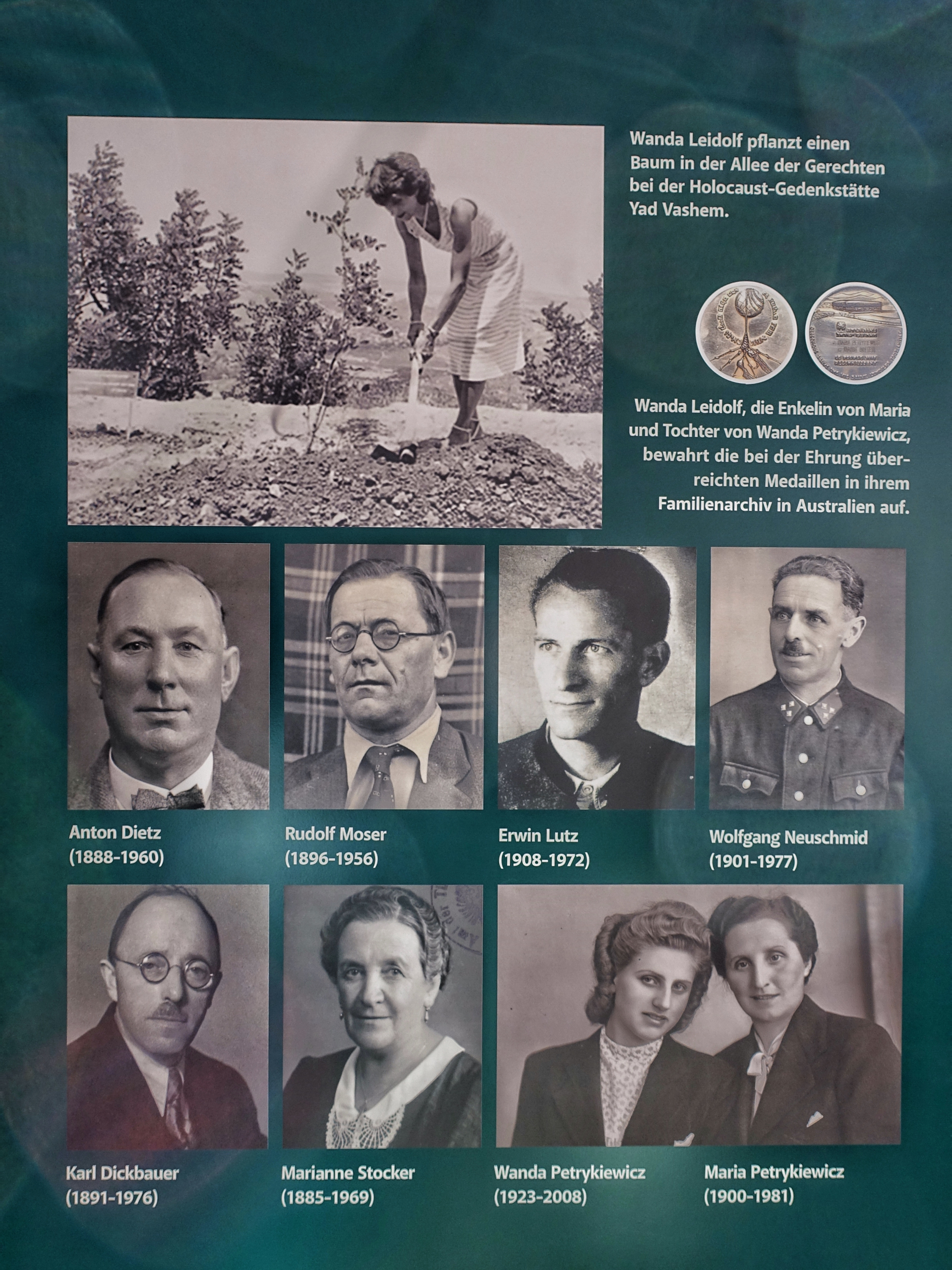
These are people who deserved to be brought before the curtain of history, thought Leokadia Justman after the war. She nominated them for the title of "Righteous Among the Nations" in 1980. In Yad Vashem, the Israeli memorial to the victims of the Holocaust, a plaque is placed in the Garden of the Righteous Among the Nations for each honored person, including the eight courageous Tyroleans. The fact that this globally respected award for the eight compatriots was only worth a very brief report in our 'regional press' at the time speaks for itself.

What the five men have in common is that, as employees of the prison administration and as police officers, they had sworn an oath of allegiance to Adolf Hitler. To know that there were people in the Third Reich who risked their lives to save the lives of Jewish people is still comforting for all of us today. The heroic courage of women who stood up to the brutality of the Nazis is also remarkable. For me, the story of Leokadia Justman is a confirmation that humanity can survive even in times of total darkness.

With their intensive research and the subsequent publication of Leokadia Justman's memoirs, Niko Hofinger and theology professor Dominik Markl have made an immensely important contribution to the reappraisal of Tyrolean history during the Third Reich. On the one hand, they document the cadaverous obedience of vassals loyal to the Nazis and, on the other, the heroic resistance of people who saw Hitler as a devil.

The horror began when Leokadia's mother was gassed instead of her daughter

The book documents the unbelievable bestiality of the National Socialists on many occasions. For example, when Leokadia's mother went to the extermination camps instead of her daughter. She describes her mother's last words before she had to climb onto the cattle wagon to Auschwitz on her journey to certain death. Words that bring tears to the eyes of many of the book's readers: "Oh darling, you are my everything, my future. You must survive. This wish is greater than my own will to live. I firmly trust in your father. He will achieve what no one else can. He will pave the way to safety for you. I have given you life, my little girl, and I want this life to continue."

Together with her father Jakob Justman, who pretended to be her brother, Leokadia, who spoke very good German, actually managed to flee Poland with forged papers as a foreign worker. First to Seefeld, where they arrived on March 9, 1943, and later to Innsbruck. When a Gestapo informer reported her and other Polish 'foreign workers' to a resistance group, Leokadia and her friend Marysia were arrested on March 13, 1944. For a long time, they only escaped the weekly transports to the extermination camps because they had made themselves virtually irreplaceable in the prison kitchen.

A bombing raid paved the way to freedom

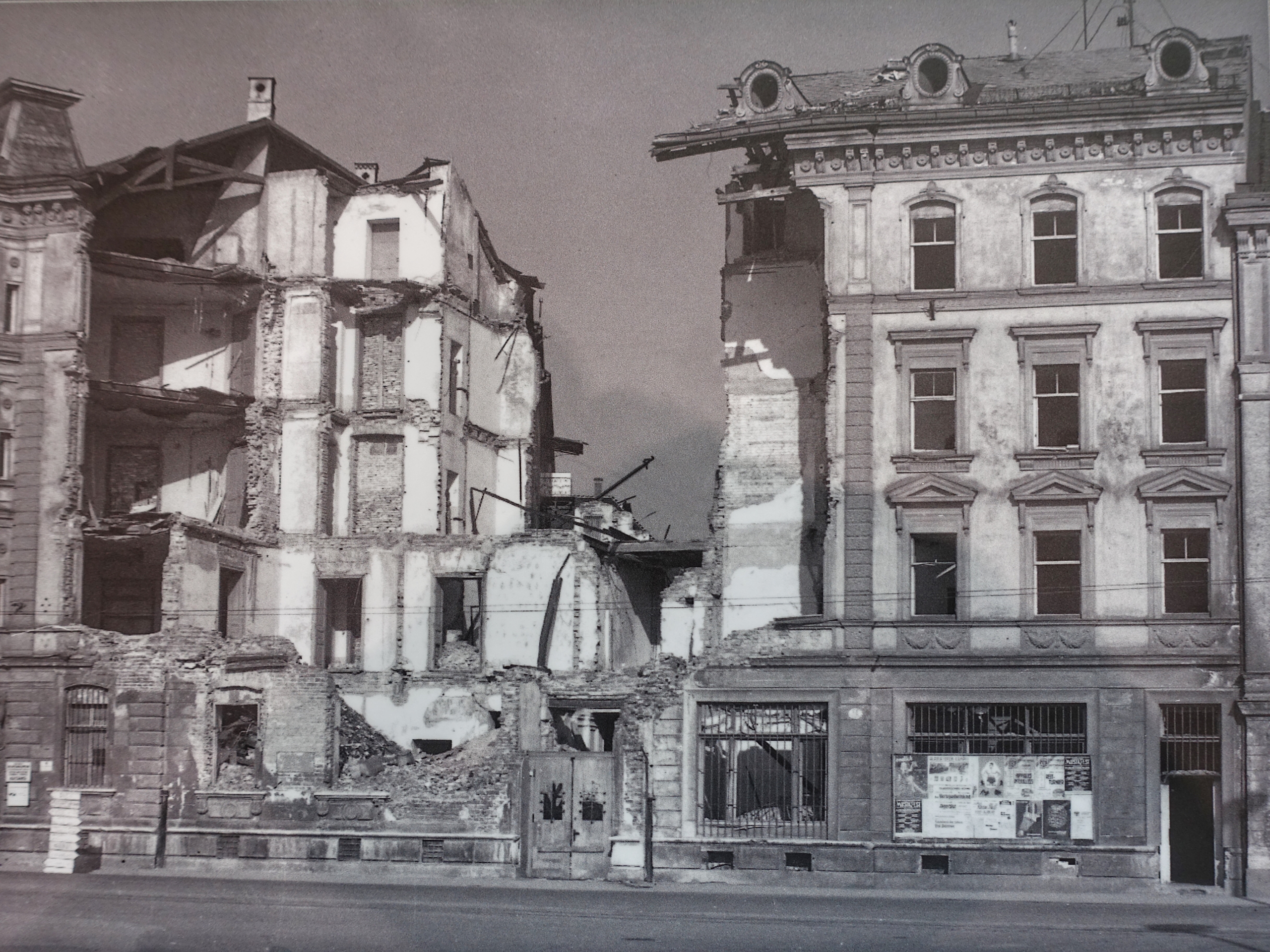
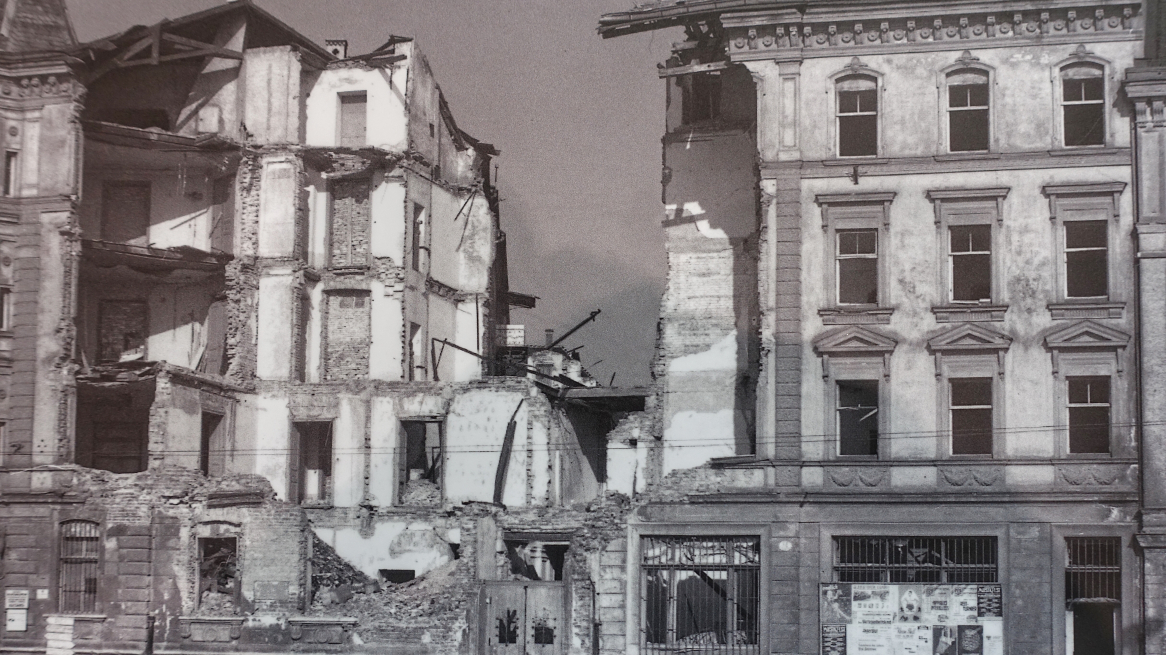
The fact that Leokadia survived the horror of the Nazis and their henchmen is ultimately thanks to an Allied bombing raid on Innsbruck railroad station in December 1944. The police headquarters, including the police prison, where Leokadia was imprisoned with her fellow prisoner Marysia, was also hit. Both girls knew from Wolfgang Neuschmid, the head of the police prison, that the GESTAPO was planning a 'final' transport to the terrible Ravensbrück concentration camp on January 19, 1945. He had repeatedly protected both young women from deportation. Now he could no longer help them.

Whereupon Leokadia decided to break out. Partly because a man she had met in the prison kitchen promised to find her a safe place to stay after a possible escape. It was Rudolf Moser, incidentally the brother of Robert Moser, whom the Gestapo tortured to death in April 1945 as a participant in the famous 'Operation Greenup'. (I described this highly successful operation by American army intelligence behind enemy lines in this blog post described in this blog post) Incidentally, the deployment of two US agents and an Austrian 'deserter' at the time, as well as the support of Tyrolean resistance fighters, saved Innsbruck from destruction by retreating Nazis, who usually left 'scorched earth' in their wake.

Let's break out!

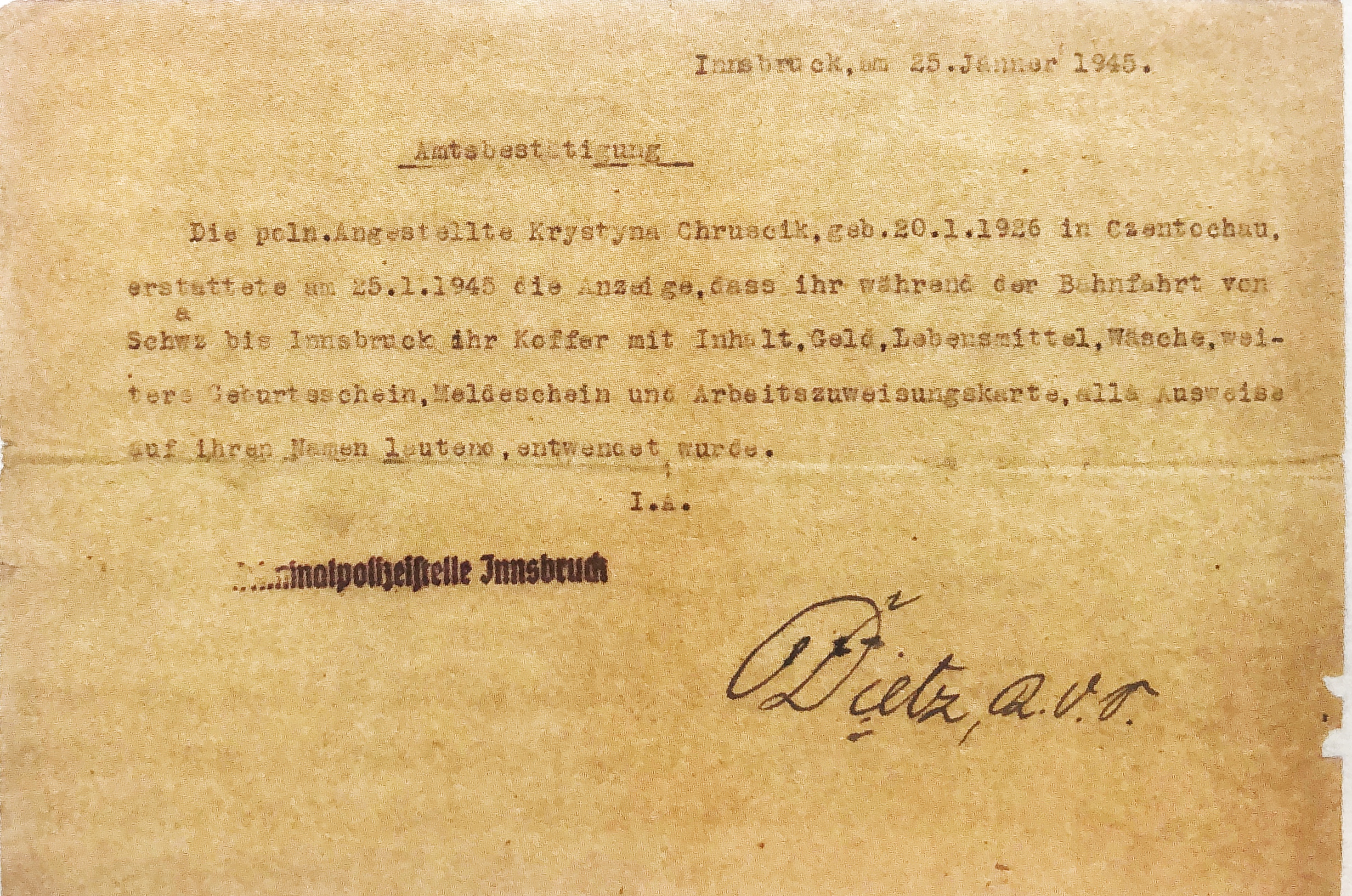
And so on January 18, 1945, Leokadia and Marysia broke out of the prison at 6:30 pm through a breach blown in the wall by an aerial bomb and left the building through the destroyed main entrance. With the help of two well-disposed policemen, Rudolf Moser and Anton Dietz, the escape was a complete success. While Moser provided them with their first shelter as promised, Anton Dietz issued a paper with a police stamp on January 25 for two 'Polish employees' from who had lost their identity cards in an attack. Leokadia was now called "Krystyna Chruscik"; Marysia became "Wanda Stolarczyk". They used the slips of paper to register at the Zell am See employment office, whereupon they were placed as domestic helpers in Lofer and St. Martin.

In the very last days of the war, Leokadia lost her job with a wealthy Nazi fanatic who despised her and was protected by the parish priest of St. Martin's, to whom she revealed her Jewish identity, until the end of the war.

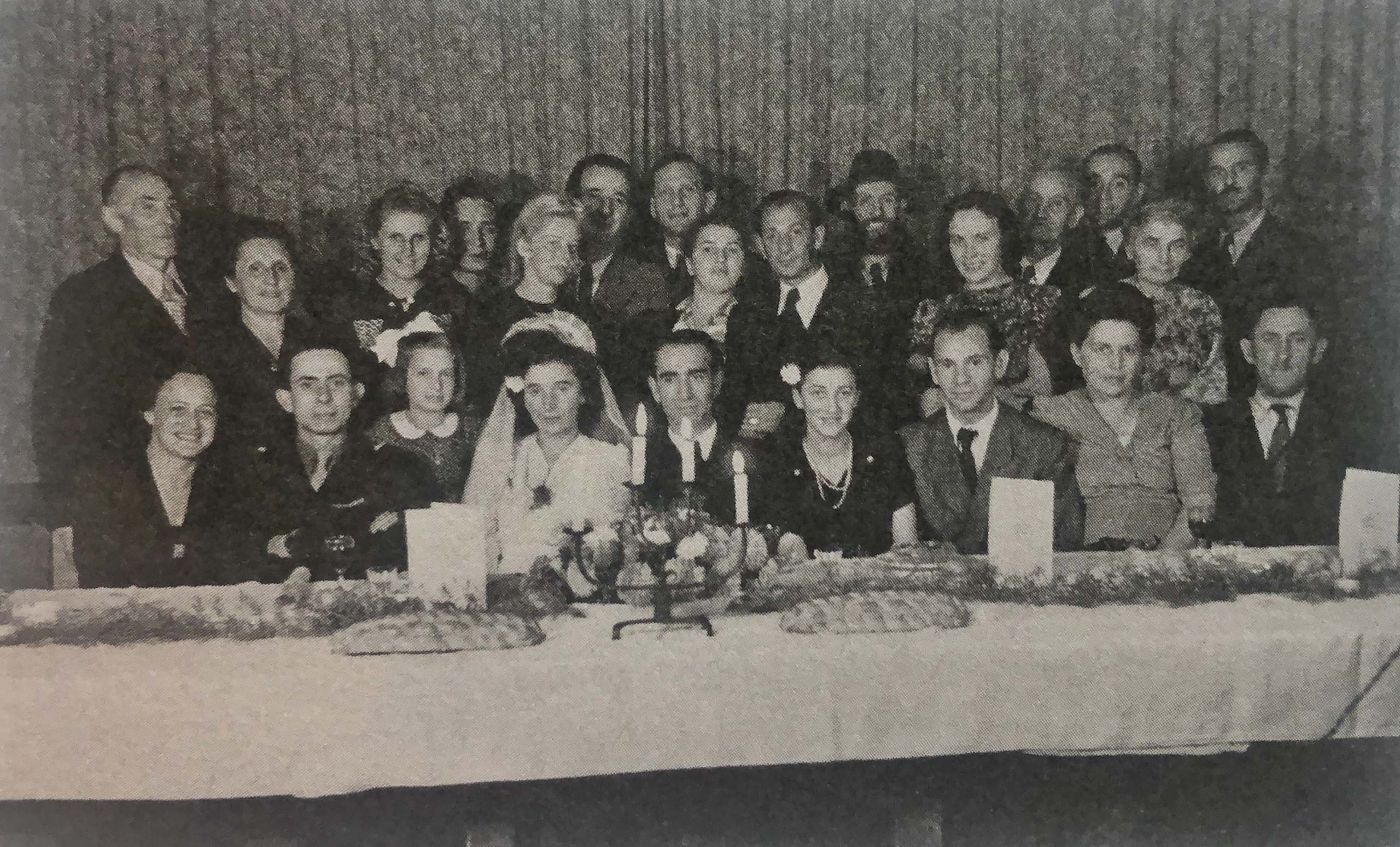
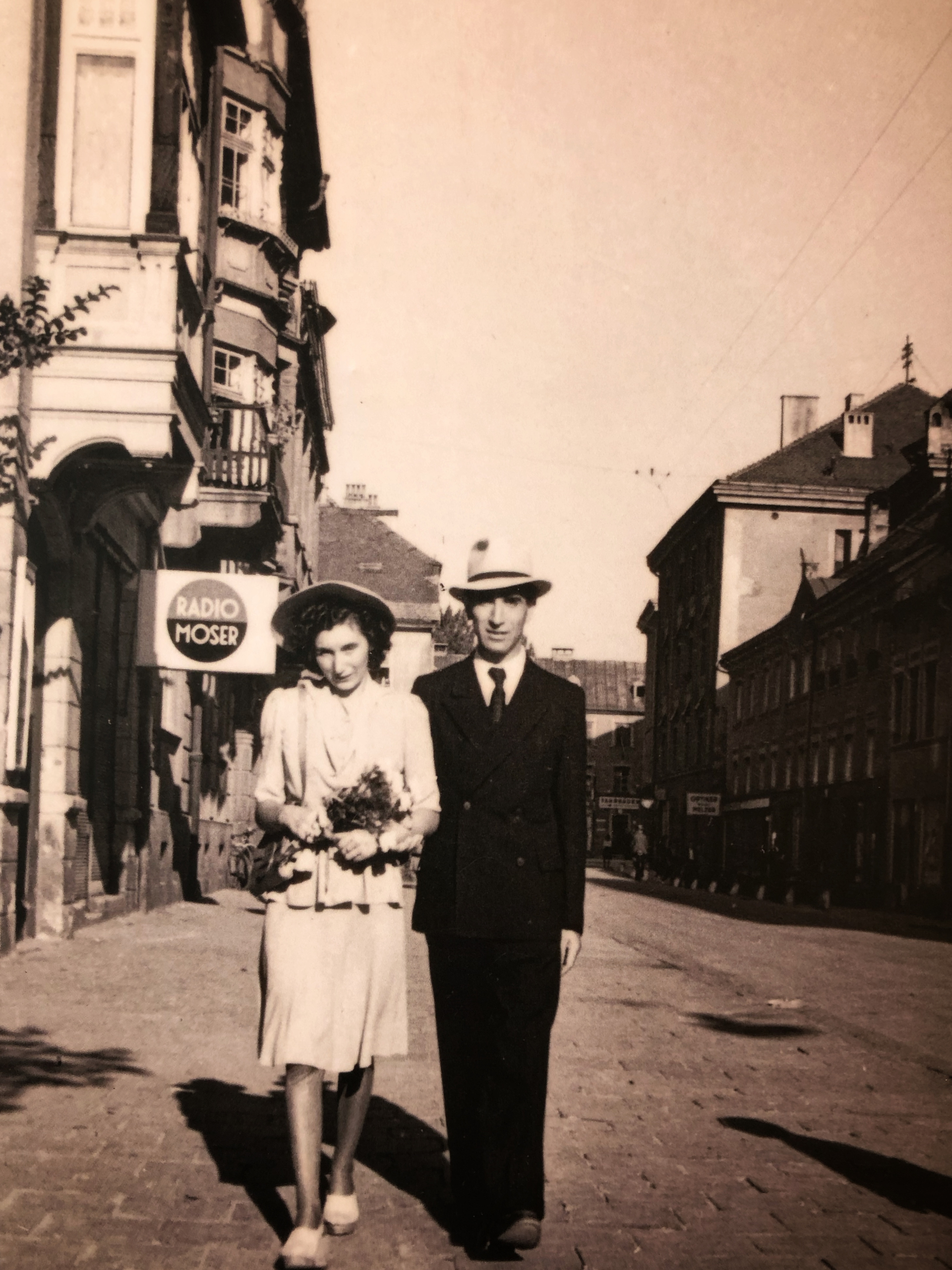
After the liberation of Austria, Leokadia Justman learned that her father had been killed in the Reichenau camp. She arranges for him to be reburied in the Western Cemetery, where the grave can still be visited today in the Jewish section. After the end of the war, Leokadia began working for the Jewish Committee in Innsbruck, where she also met her future husband. Until her emigration to the USA, she mainly helped Polish Nazi victims. She also wrote the majority of her memoirs during this time.

Unbelievable but true: three of the 'Righteous Among the Nations' were demoted or dismissed after the war in Austria

The fact that three of these policemen were partly demoted or dismissed from their posts after the war is outrageous. Leokadia Justman later commented on this as follows: "At times it looked as if a strong but invisible Nazi column was working underground in a pro-Allied cloak for its own security and influence."

The autobiography as a starting point for further research

Justman's book is not the conclusion, but rather the beginning of further research. The Jesuit priest Dominik Markl holds the Chair of Old Testament Biblical Studies at the University of Innsbruck. While still in Rome, he researched the rescue of thousands of Jews in Catholic monasteries and was therefore also involved in investigating the life story of this young woman. Together with Niko Hofinger, he heads the university research project "Leokadia Justman's Survival Story: Edition - Analysis - Public Relations." He also organized a lecture series on the topic of "Resistance and persecution of young people in totalitarian systems". As inconceivable as it may sound, hundreds of thousands of people are still confronted with this today.

I would like to share a passage from the book that Leokadia Justman included at the end of her book:

"At the end of my story, I want to express my never-ending gratitude and admiration for the God-sent people who were instrumental in saving my life and the life of my friend Marysia. I repeat their names as if in prayer: Anton Dietz, Karl Dickbauer, Erwin Lutz, Rudl Moser, Wolfgang Neuschmid, Maria Petrykiewicz and her daughter Wanda Petrykiewicz-Bottesi and Marianne Stocker."

MY TIPS

I would like to recommend two things to all the smart readers of this blog: To read the book 'Let's Break Out' and to visit the exhibition at Landhaus 1 about the story of Leokadia Justman. It is open until October 26, 2025. More information about the exhibition: https://www.tirol.gv.at/kunst-kultur/tirol-erinnert/

The story of Leokadia Justman was published as a book by Tyrolia. Available either in bookshops or from the Innsbruck City Archives. Can also be ordered online: https://www.innsbruck.gv.at/shop/publikationen-2025-2011/brechen-wir-aus

Similar articles