22 December 2025
#
Post originally written in: Deutsch Information An automatic machine translation. Super fast and almost perfect.

Alongside the zither, the harp is the instrument that best conveys the pre-Christmas mood for me. But of course it is so much more! This year, the Harp Biennale Innsbruck showed for the third time just how wonderful, almost magical, this instrument sounds. It focused on women in music history and took place from December 4 to 7, 2025.

Harp Biennale Innsbruck

It was founded by the well-known harpist Margret Köll. Well known to local audiences as a performer at the Innsbruck Festival of Early Music, among others, the Tyrolean-born harpist is at home on international stages and plays with stars such as Cecilia Bartoli.

Köll launched the Harfenlabor a digital platform for the (critical) examination of the historical harp and an analogue network that organizes symposia, concerts and workshops. At the heart of the activities: the Harp Biennale Innsbruck!

Indescribably feminine

Once again, the Harp Biennale Innsbruck proved to be a finely balanced program, carried by the motto "Indescribably feminine?". The expression comes from the song of the same name by the German musician Nina Hagenwas formative for German pop culture and the women's movement at the end of the 1970s.

It was no coincidence that this expression became a guiding principle. "With the Harp Biennale, I want to consciously turn the ear back to the voices that have been suppressed, glorified or forgotten," explained Köll at the 2025 press conference.

Fine program

A glance at the festival program shows that she sought and found connections between early music and contemporary music, between folk tunes and political texts, between mystical texts and saxophone solos.

The highlights ranged from the opening concertentitled Saints and the untamed to the breakfast concert with the singer Maria Ladurner and Vincent Kibildis on the triple harp and the final of the competition Call for Concert to Salterio & Songs with the Oberlandler Dreiklang and the duo concert by Luise Enzian and Asya Fateyevabaroque harp and saxophone.

With conference

It also offered an academic debate as part of a symposium. This shed "light on the diverse roles of women in shaping musical culture, both from a general perspective and with a particular focus on the harp", according to Thomas Nussbaumer, Head of the Department of Musical Ethnology at the Department of Musicology, Mozarteum Innsbruck as part of the program presentation. After all, the harp was long considered a "typical women's instrument".

Two highlights

It wasn't possible to attend the conference, but I did have the opportunity to attend two really wonderful concerts. Of course, I couldn't miss the opening evening, which Köll had announced as the "drumbeat" of the festival.

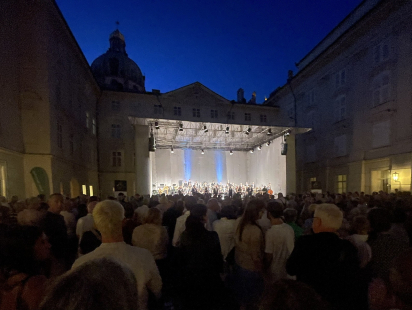
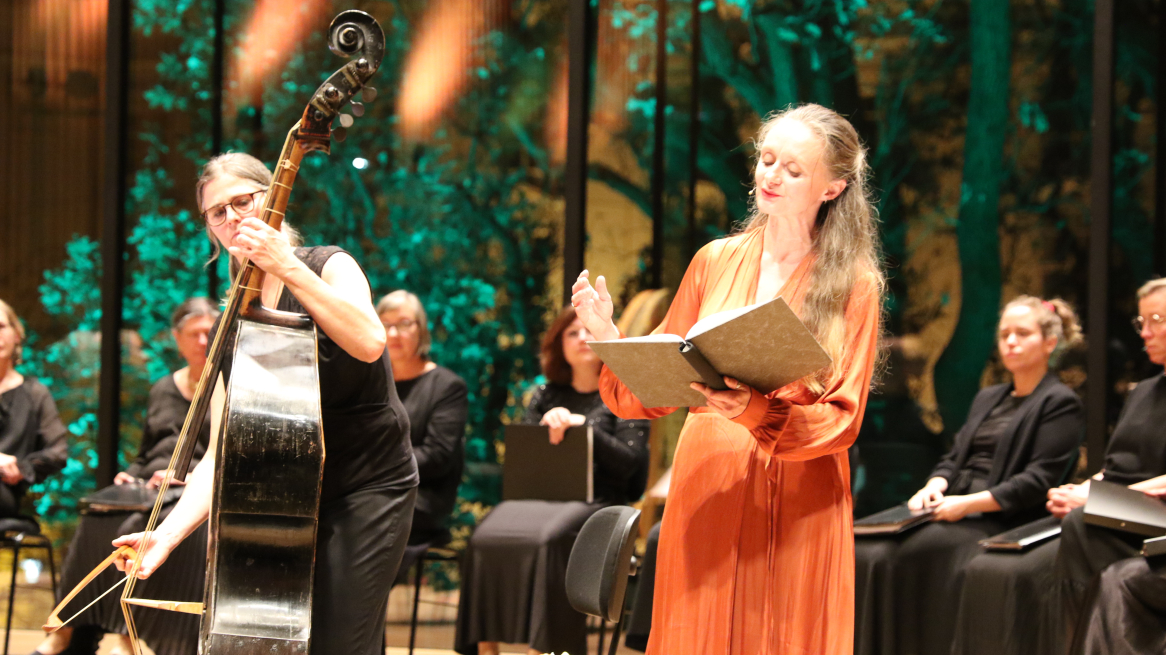
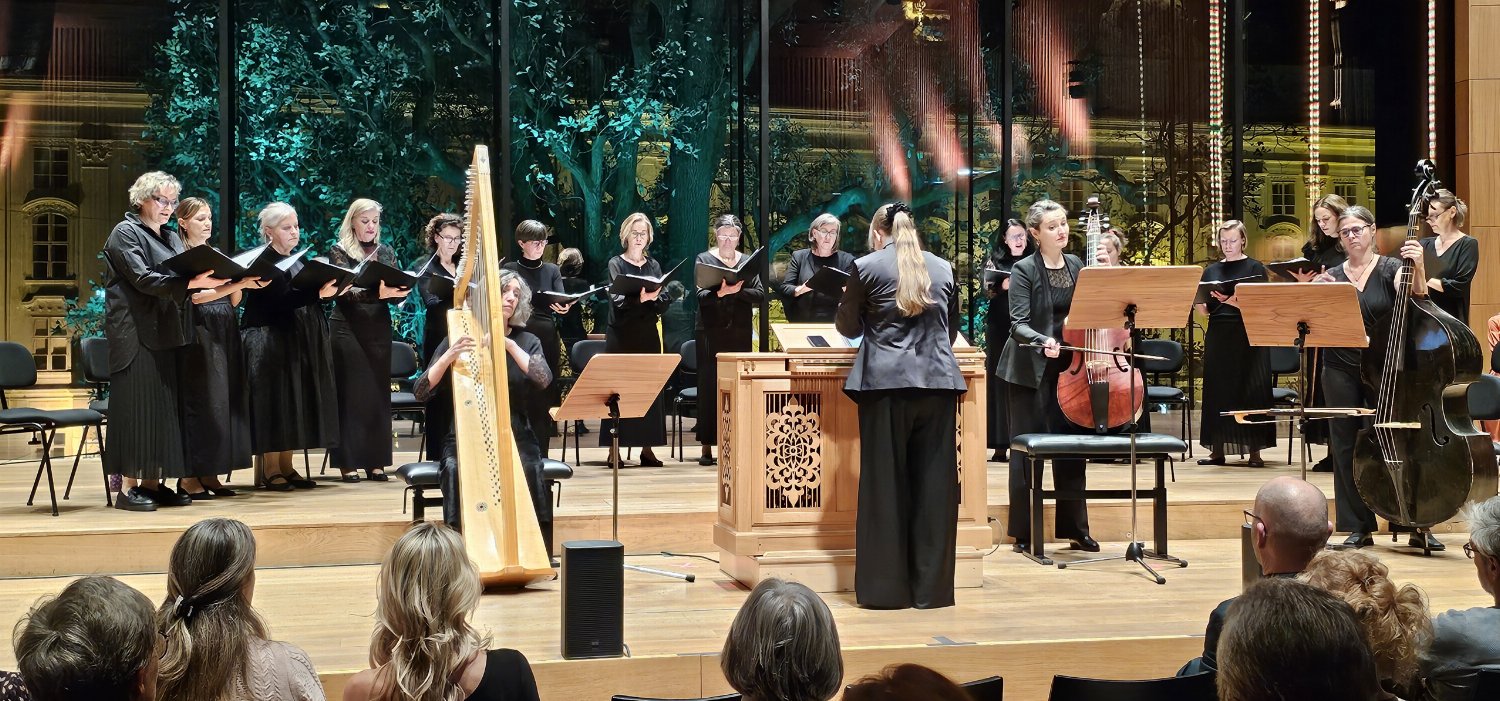
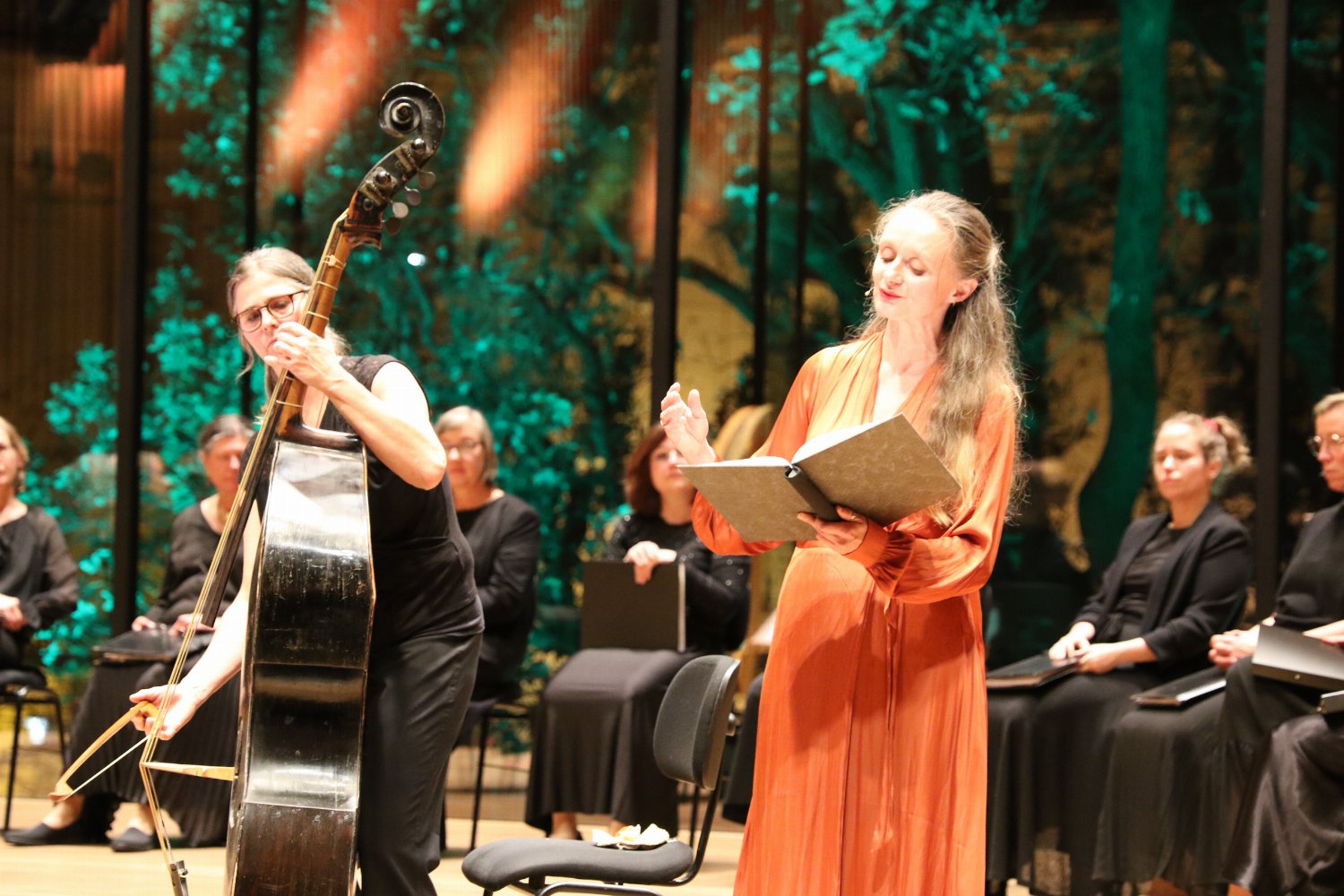
The in-house production "Holy and untamed - a vespers of women" featured music by the Milanese nun Chiara M. Cozzolani andcontemporary compositions by Giulia Monducci - plus texts by the philosopher Silvia Federici from the mouth of the actress Gerti Drassl.

Combatively contemporary

The excerpts from Cozzolanis Marien-Vesper from the year 1650 are almost unheard of - goose bumps at the wonderful interpretations of the vocal ensemble NovoCantothe ensemble Between the Strings under the direction of Alexandra Helldorf. And how excellently this music harmonized with the compositions of Giulia Monducci understood.

The texts by Silvia Federici gave me even more goosebumps. The Italian philosopher and feminist has been analyzing forms of oppression and exploitation of female creativity throughout history up to the present day in a razor-sharp and pointed manner for decades. Gerti Drassl lent her voice a breathtaking power.

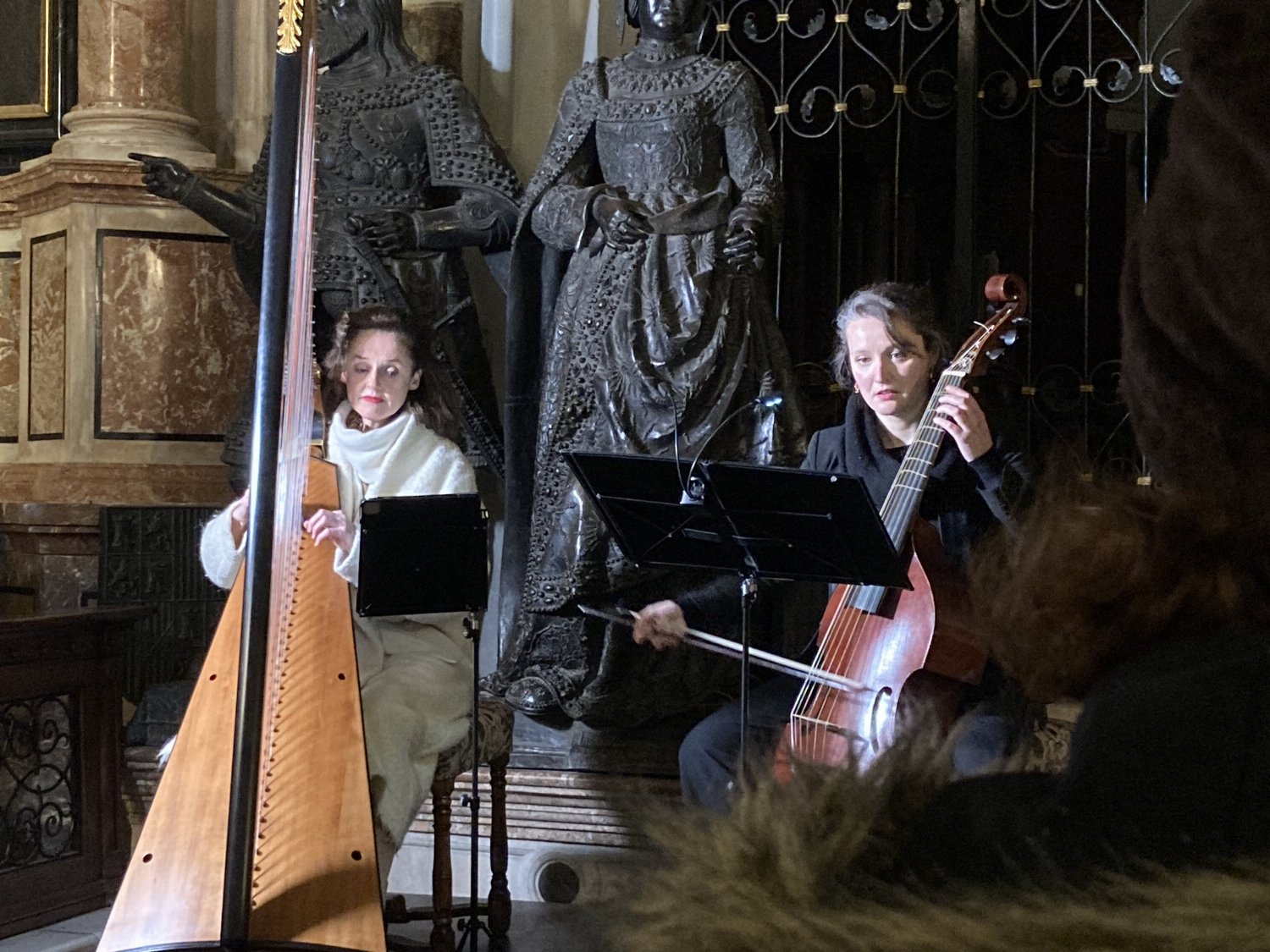
In the Hofkirche

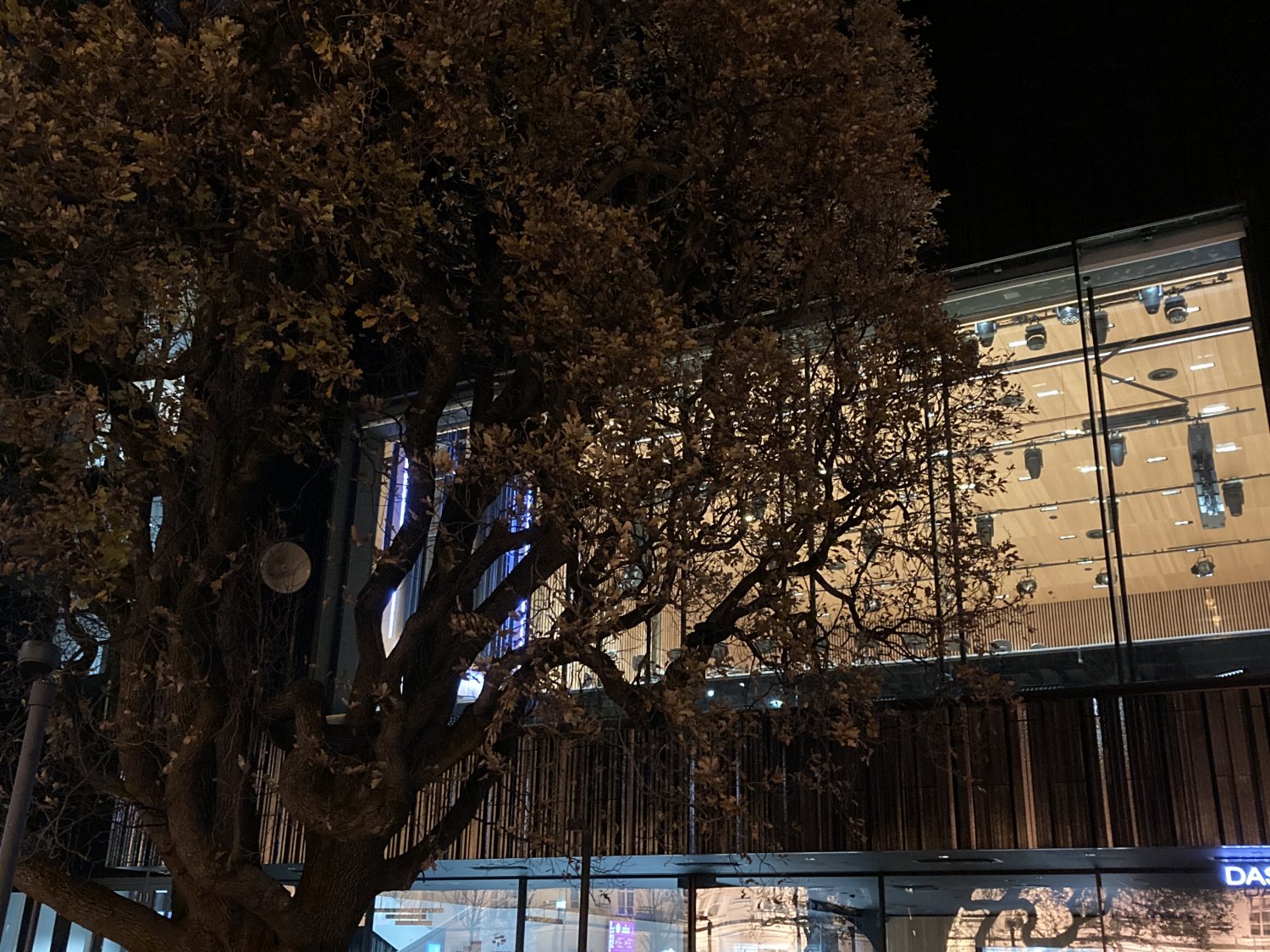
After the first part, the audience wandered from the Haus der Musik Innsbruck to the nearby Hofkirche to listen to the second part of the evening. They passed the sound installation "Wild is the Wind" by the Turner Prize winner Susan Philipszwhich resounds from the venerable tree via megaphone - and will continue to do so until January 2026.

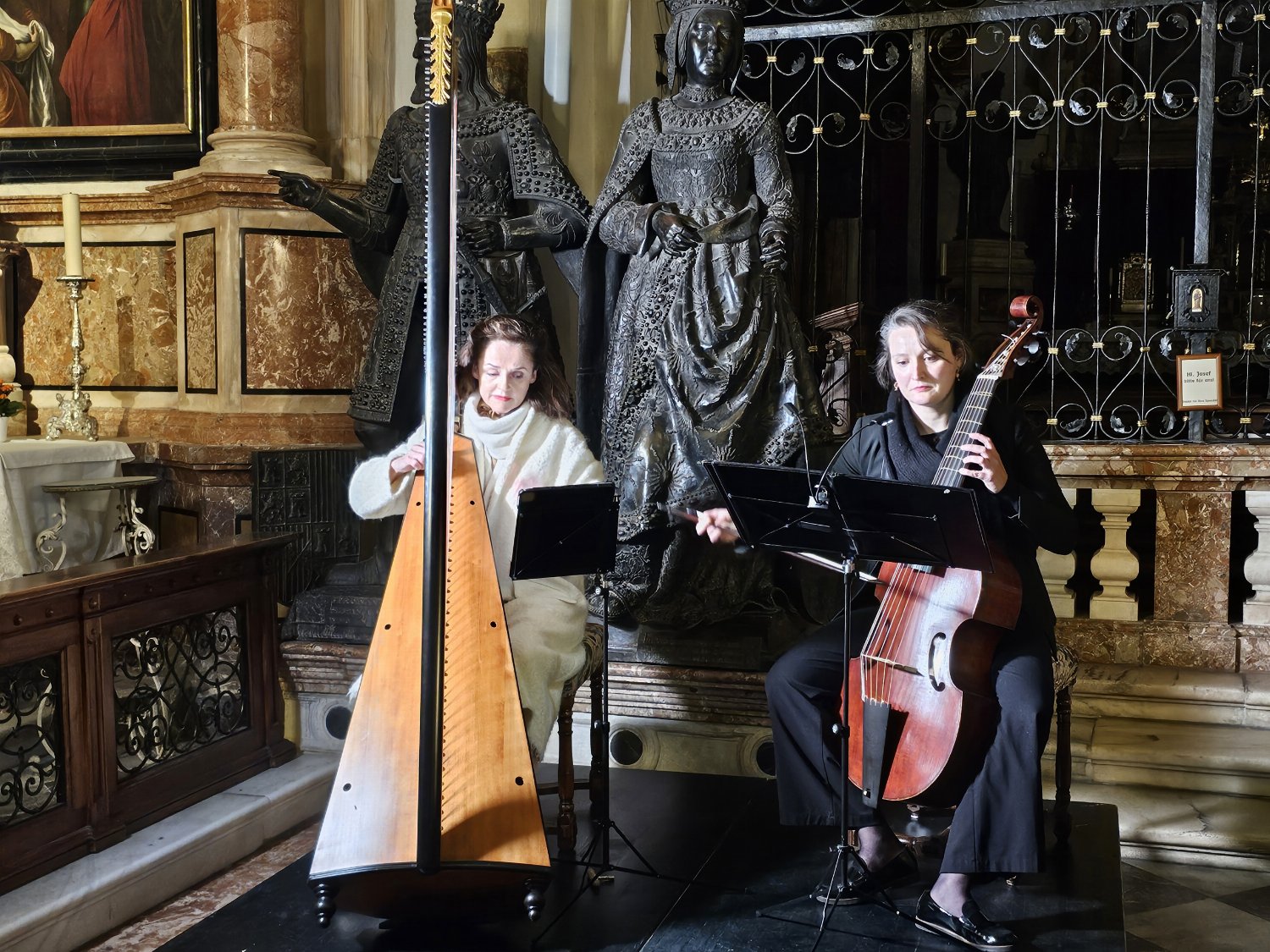
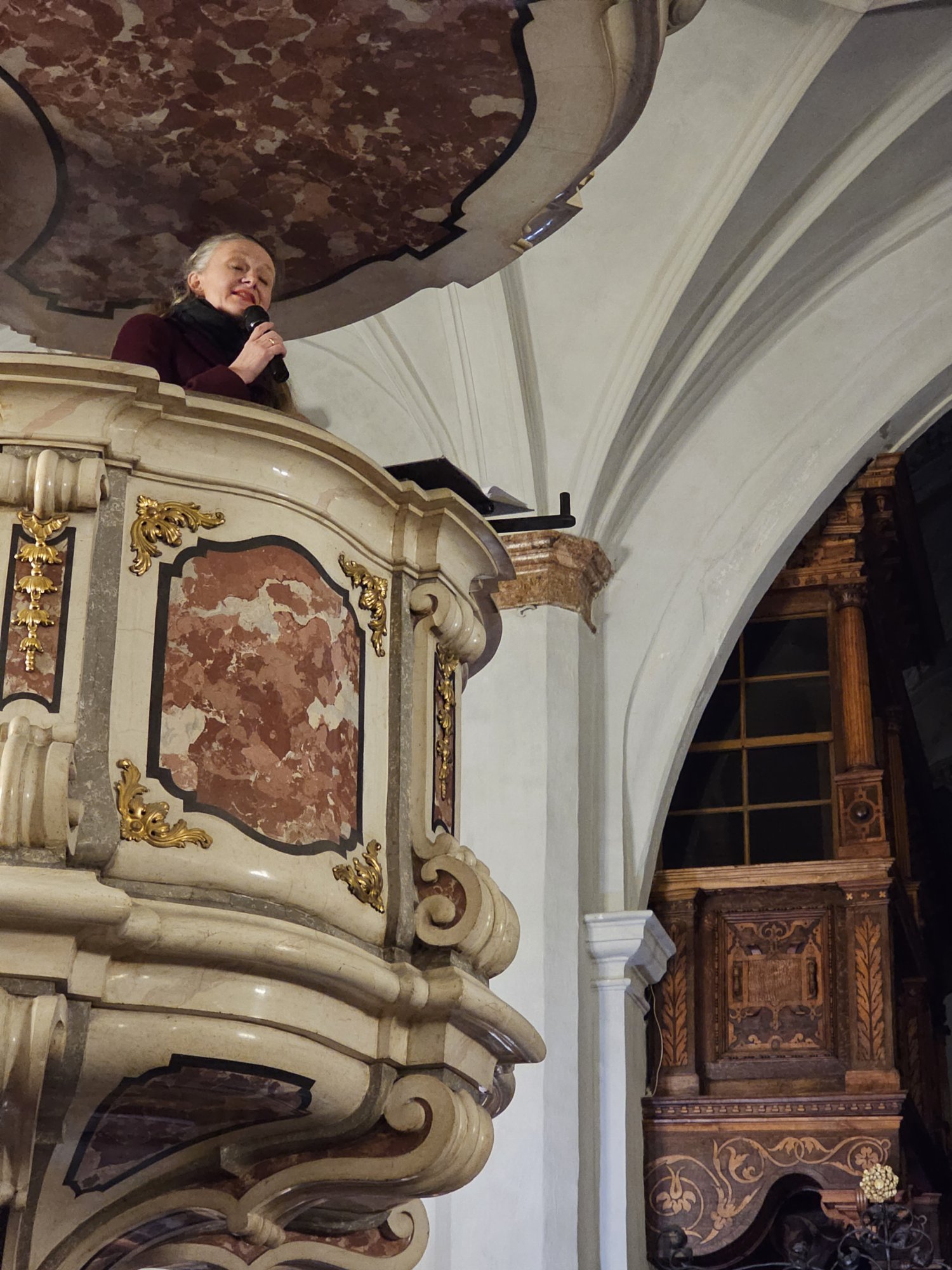
The third world premiere of a work by Giulia Monducci took place in the thoroughly frosty Hofkirche, where Gerti Drassl recited from the pulpit and, in the case of Hildegard von Bingens "Ave generosa" finally showed just how moving church music can be in its natural habitat.

Morning sounds

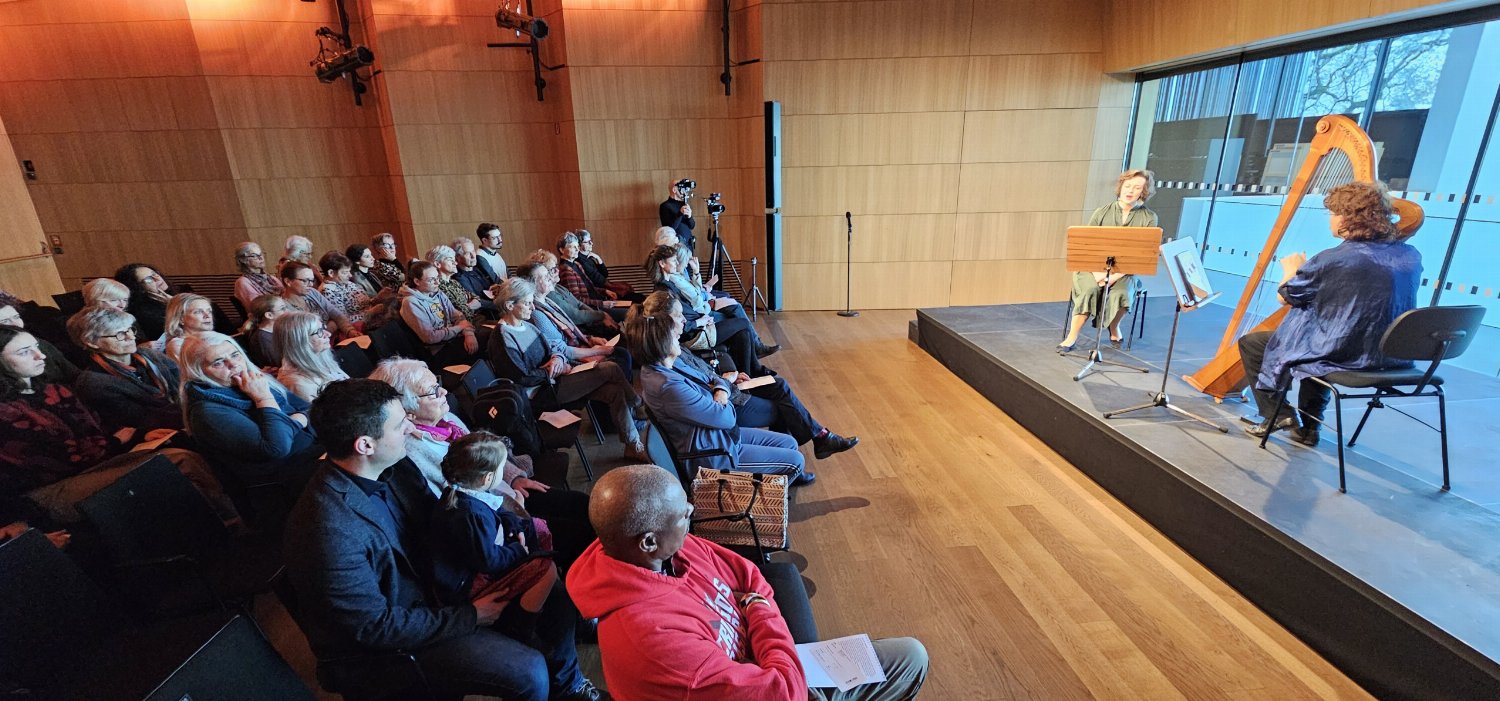
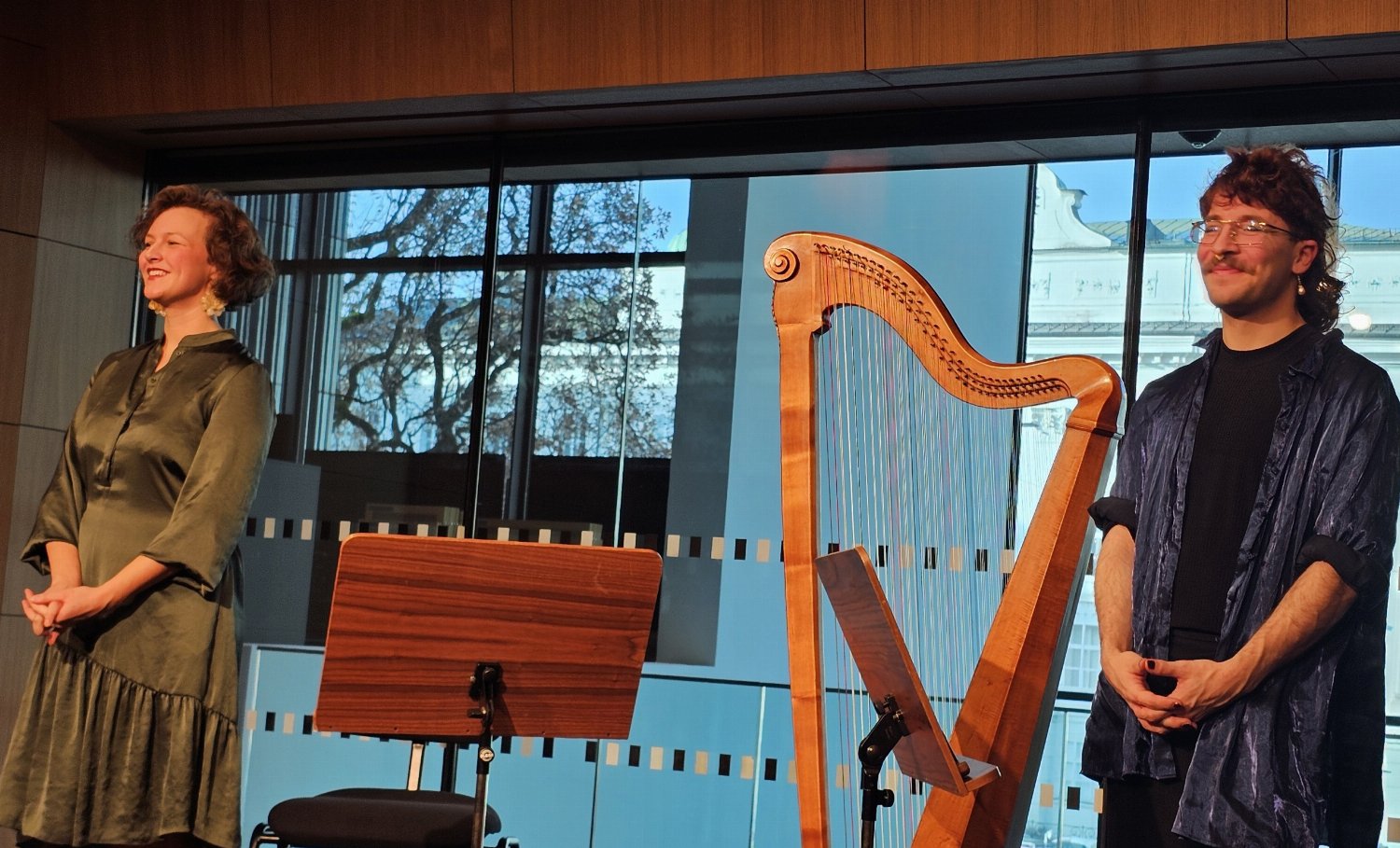
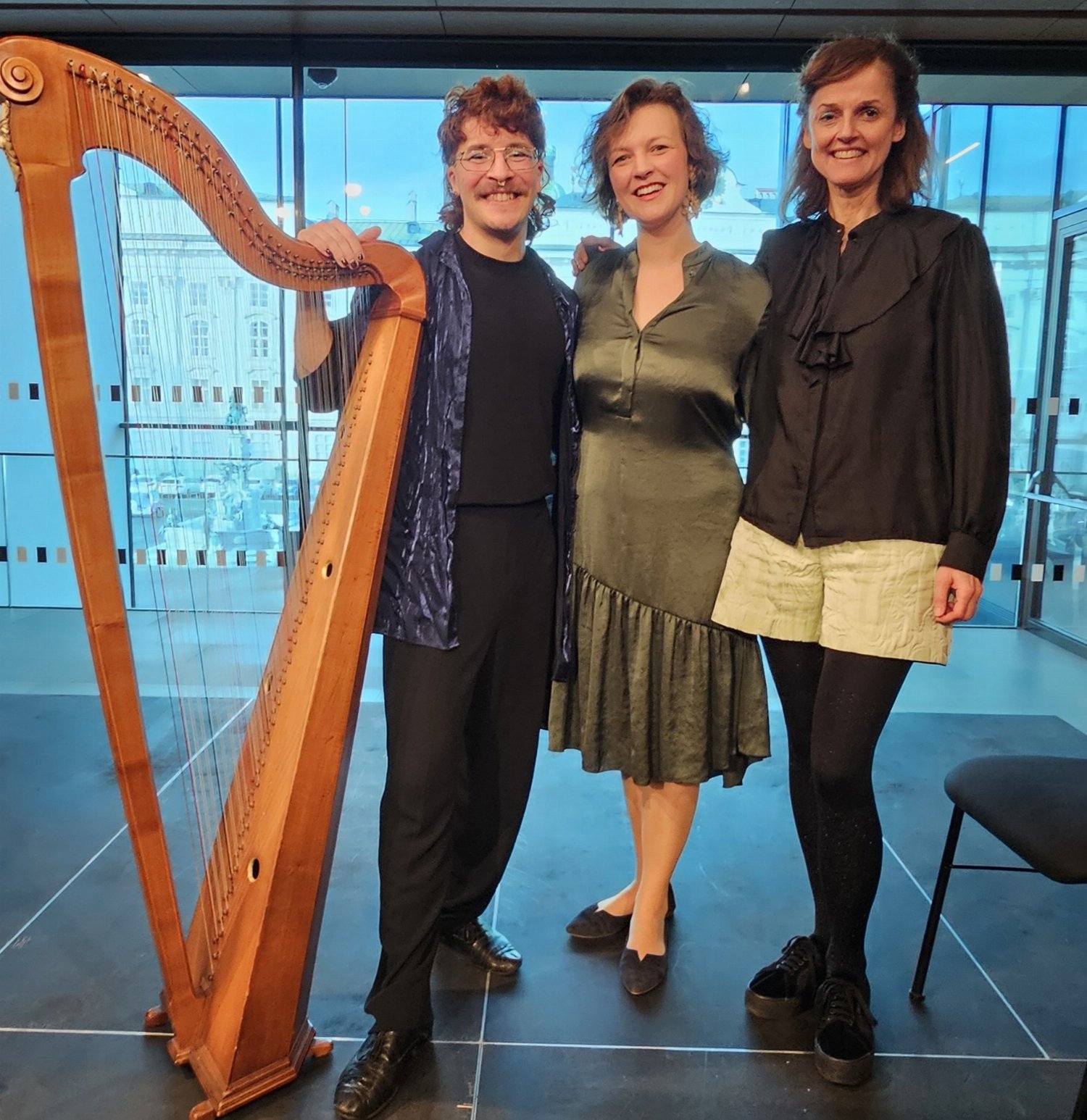
At the breakfast concert the next morning Maria Ladurner and Vincent Kibildis presented their program on the baroque harp Madre Natura. The Tyrolean singer showed the range her clear and full voice is capable of, across the history of music, with songs in English, French, Italian and German. No less impressive Vincent Kibildis on the triple harp. The duo created a sound space in which one could let oneself fall into.

Two fine concerts that resonate for a long time - and make me look forward to the next Harp Biennale Innsbruck. My conclusion: positive all round!

So my tip: pull out your calendar and make a note! There is always exciting news on the website www.harfenlabor.com. Subscribe to the newsletter and don't miss a thing.

Information on cultural events in Innsbruck and the surrounding area at www.innsbruck.info

Photos, unless otherwise stated: © Susanne Gurschler

Similar articles