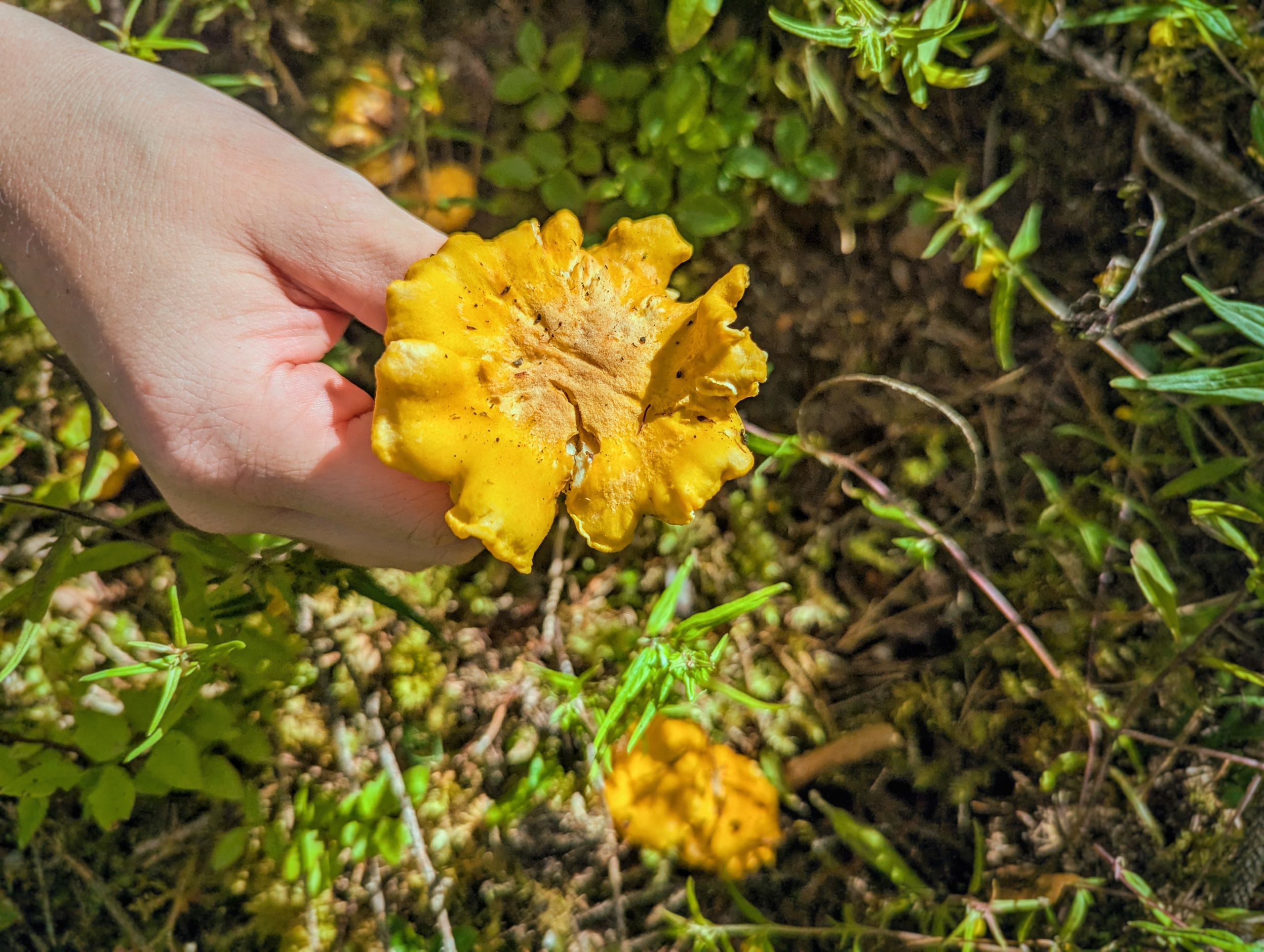
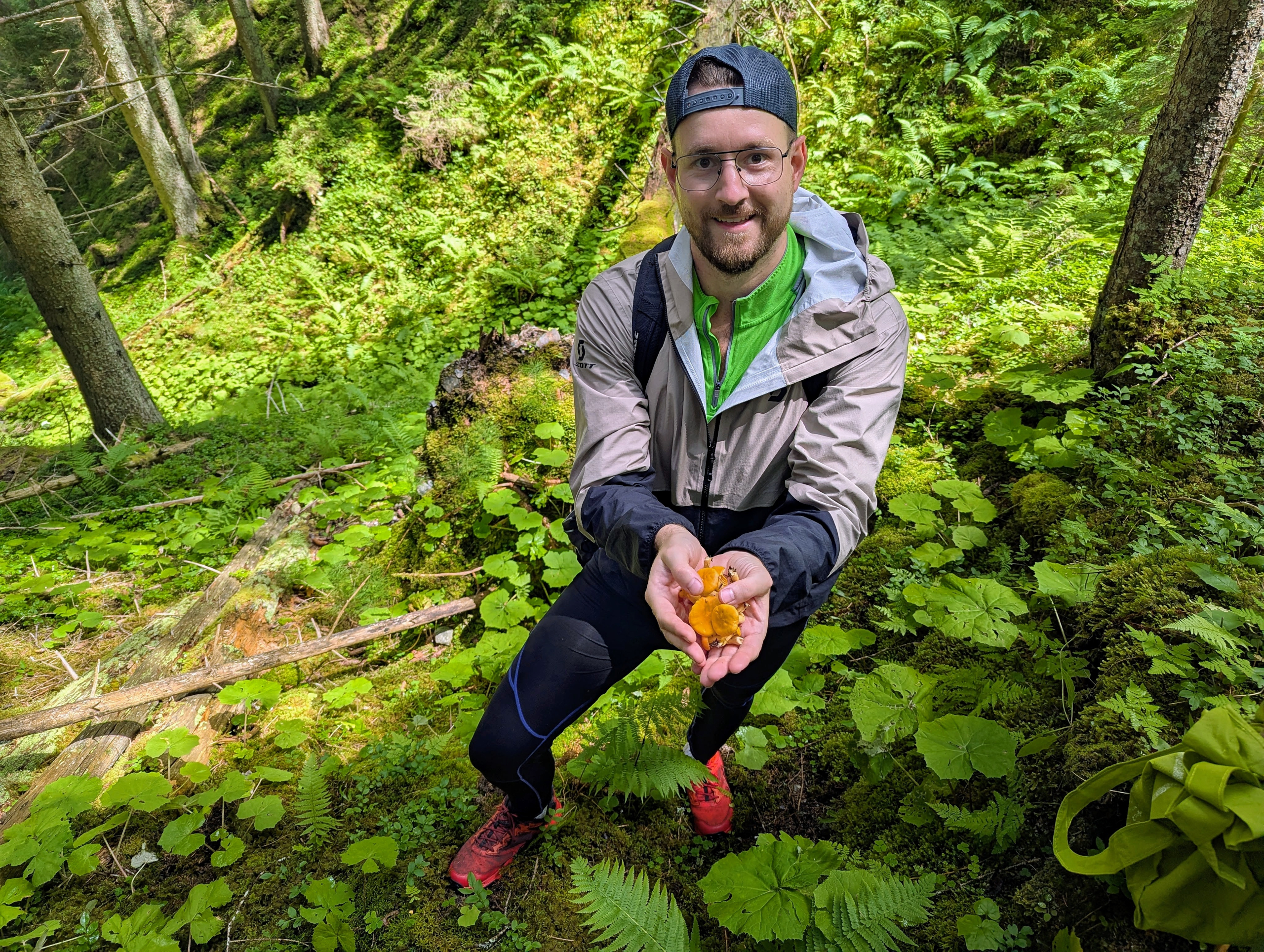
It's that time of year again - chanterelle season has begun! For me, this is definitely one of the best times of the year. Because firstly, the small, golden-yellow delicacies - also known as Eierschwammerl or Rehling - taste simply delicious. And secondly, there's nothing better than going "hunting" together at „Pfiffi-. Well, nobody calls it that - except us. We, that's my husband, my sons and I, and we are real freaks when it comes to picking mushrooms. It's our favorite family hobby together! And of course I'd like to share it with you: Where do chanterelles grow? What do you have to bear in mind when picking them? And last but not least, I'll tell you our favorite chanterelle recipe.
Where can you find chanterelles?
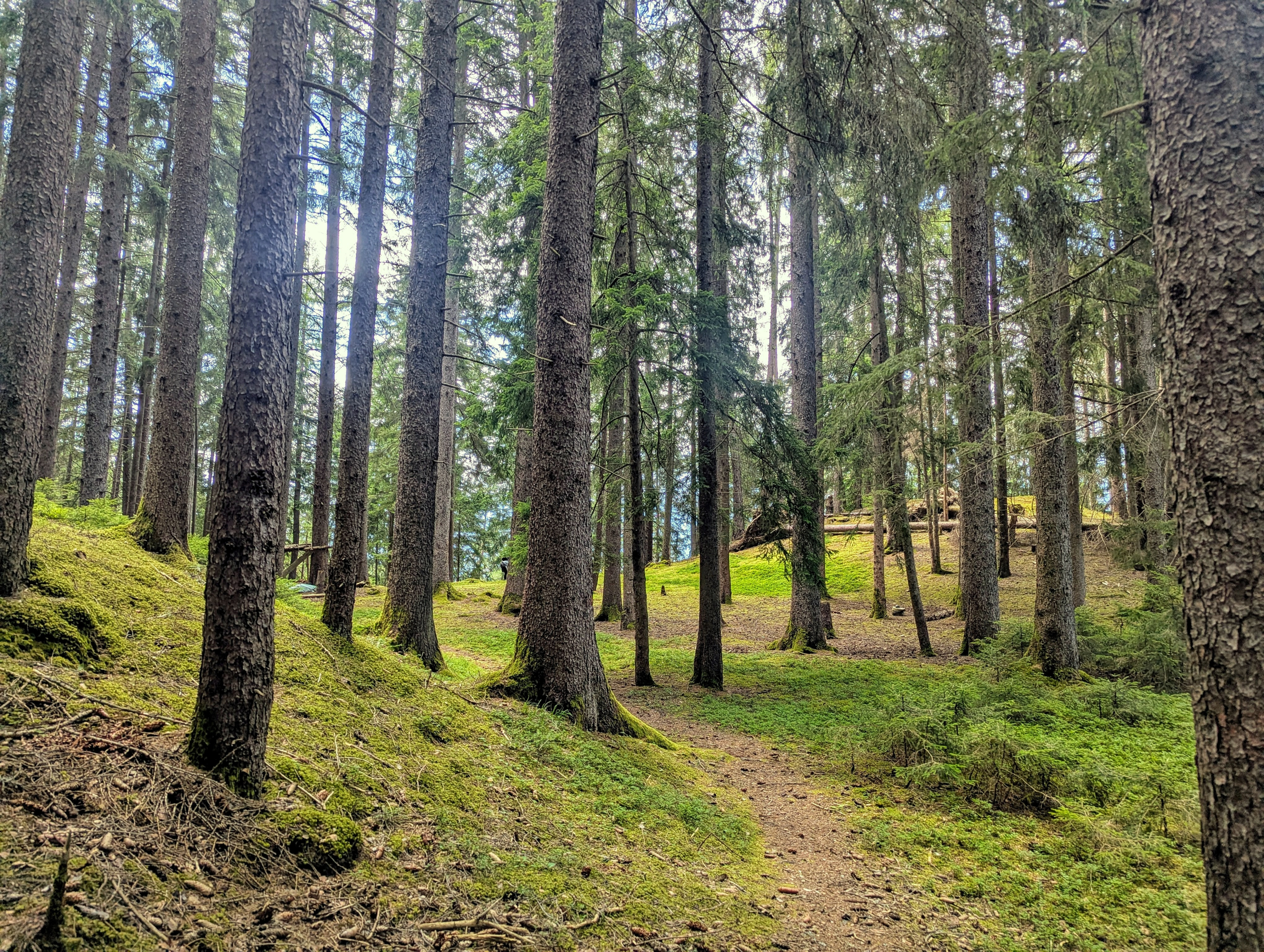
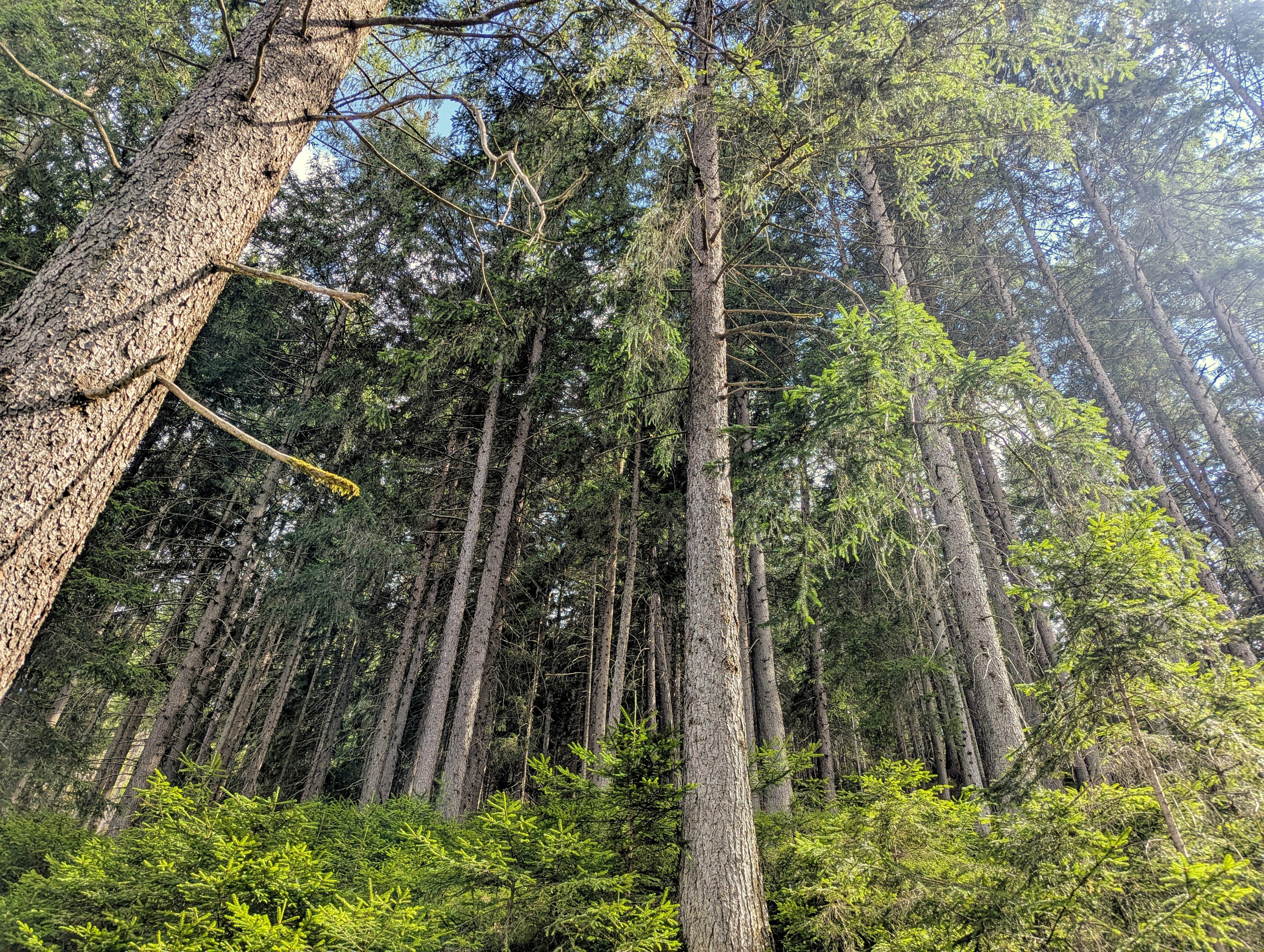
Tree resin is actually referred to as the "gold of the forest". My personal opinion: chanterelles deserve this title just as much! Anyone who has ever bought some in the supermarket knows that they are not cheap. This is certainly due to the fact that they cannot be cultivated . Unlike champignons or oyster mushrooms, chanterelles grow exclusively in the wild - in forests, far away from greenhouses and mushroom farms. They live in symbiosis with certain trees - especially spruces, beeches, oaks and pines. This means that they need their roots in order to exchange nutrients and thrive. They are therefore often found in sparse coniferous or mixed forests with mossy soil.
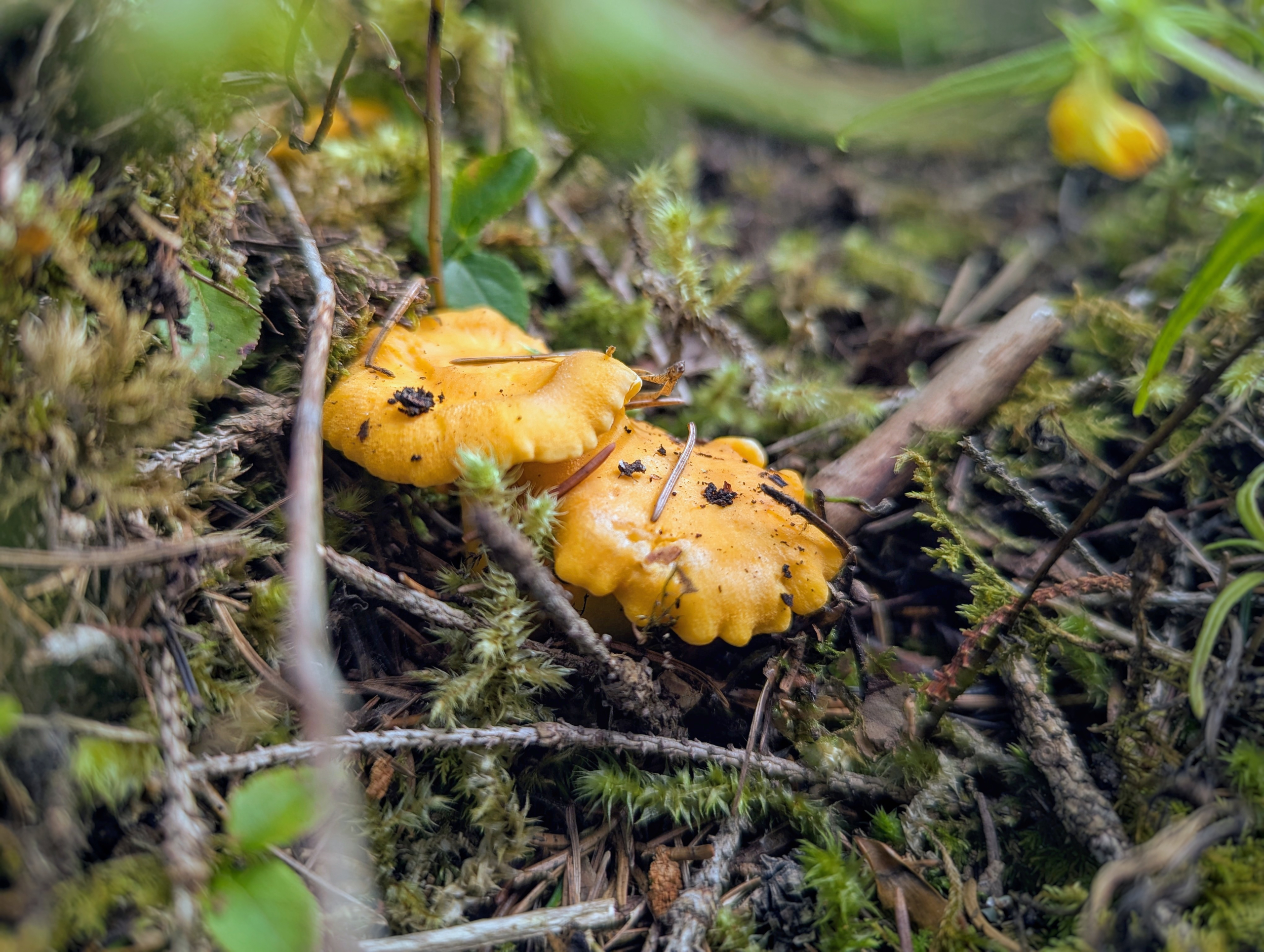
After a few rainy days, the chances of finding chanterelles are particularly good. elisabeth de Koekkoek
Chanterelles prefer to grow in symbiosis with trees such as spruce, beech or oak - usually in mossy, open areas in the forest. elisabeth de Koekkoek
Our Tyrolean forests are predestined for chanterelles! They grow between July and October/November. You have a particularly good chance of finding them after a few rainy days in summer - ideally at temperatures between 15 and 25 degrees. Then you can literally smell the little delicacies, which like it moist. And as they stand out from the green mossy ground with their bright yellow color, they are not that hard to find.
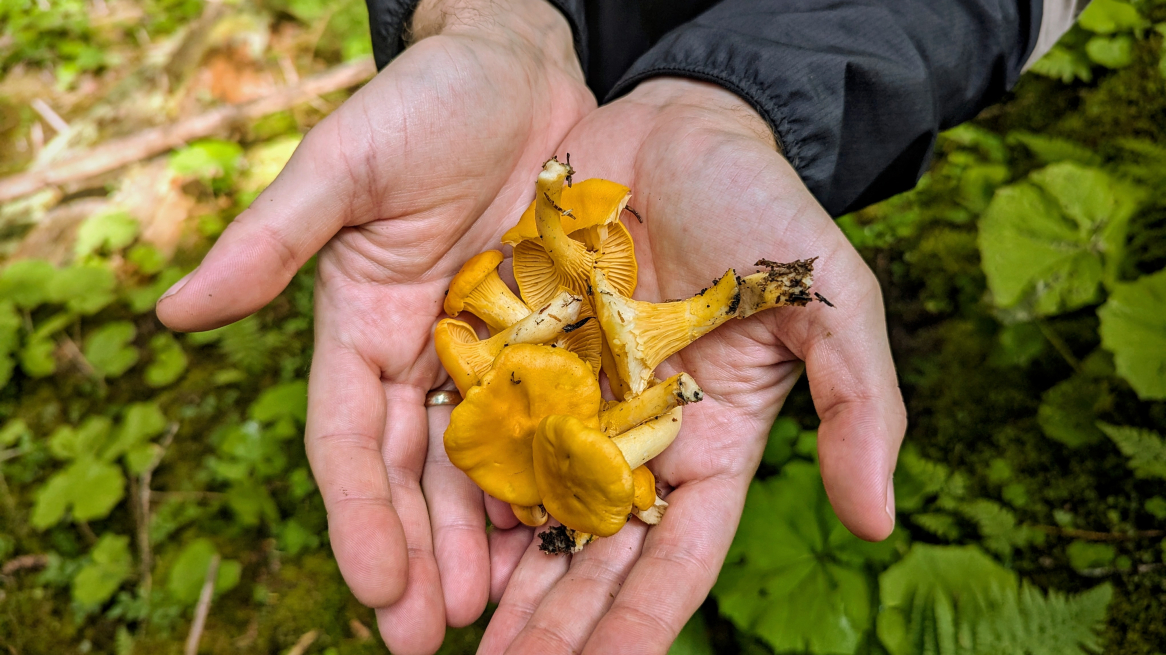
Chanterelles attract attention with their bright yellow color - but but sometimes they hide well in the moss. So: keep your eyes open! elisabeth de Koekkoek
Let's go chanterelle hunting!
My children aren't exactly the biggest hiking fans. Just going for a walk - they definitely don't see the point. I think what excites them so much about mushroom picking is that it's like a kind of scavenger hunt. They have a task, a goal - and the joy is huge when one of them discovers a nest of really nice mushrooms. My husband and I have even considered training our dog to sniff out chanterelles - after all, there are truffle dogs! So, if there is a dog trainer among the readers who is familiar with this, please get in touch with me! Joking aside - but one thing is for sure: we take chanterelle hunting pretty seriously.
Harvest correctly
Of course, there are a few things to consider - you can't just pick wildly. Let's start with the equipment: Good shoes and weatherproof clothing go without saying. The best way to transport the mushrooms home safely is with a basket or a jute or cloth bag. Under no circumstances should you use plastic bags - the laboriously collected mushrooms start to "sweat" in them and spoil quickly. The way you harvest them is also important: it is best to cut them off with a sharp knife just above the ground or carefully twist them out. It is important not to damage the mycelium in the soil - mushrooms should therefore never be torn out.
Enjoying mushrooms without risk
Mushrooms come in many varieties: from really tasty and well tolerated to edible, but not very tasty, to inedible - and of course the really poisonous ones that must be avoided at all costs. You will have noticed that I am only writing about chanterelles in this article. There is a simple reason for this: they are the only mushrooms that I can identify with certainty. Which is a shame, because the forest has so much more to offer. Those who know their way around benefit from a rich harvest and a variety of flavors. The most important basic rule is: only eat what you can clearly recognize and safely identify as non-toxic. If you are unsure, you should definitely seek advice - for example on the 1st floor of the market hall, at the Food Inspection - Markets - Mushroom Advice.
Mushroom advice in the market hall
I spoke to Andreas Nußbaumerthe head of the department for food and market supervision. He was really nice and took a lot of time for me and my questions. Important to know: The mushroom consultation takes place all year round from Monday to Friday between 08:00 and 12:00. If you want, you can make an appointment by phone - but this is not a must.
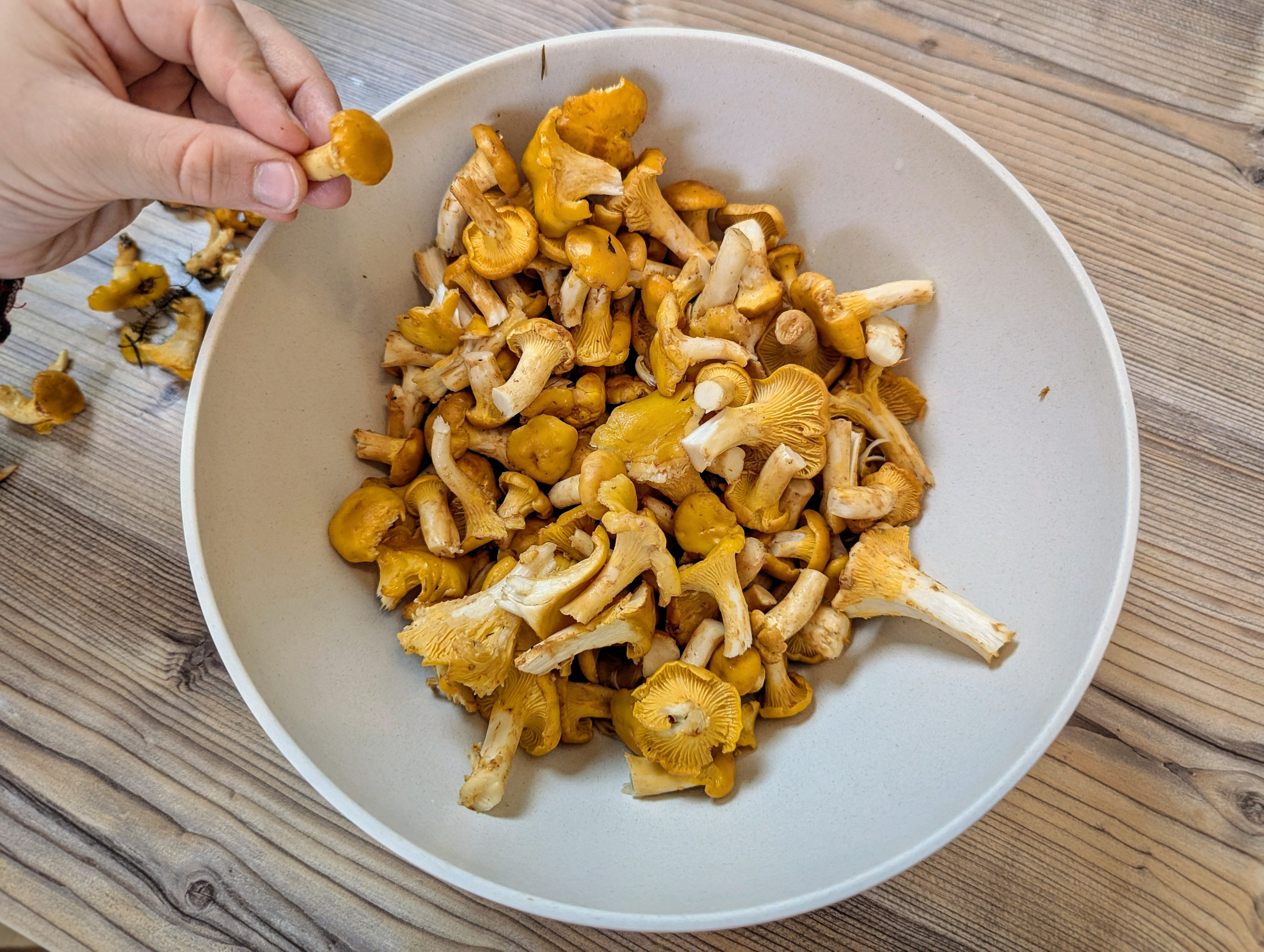
Looks delicious? It is! But please only eat them if you are absolutely sure. If in doubt: ask a mushroom consultant. elisabeth de Koekkoek
It doesn't matter whether you have collected just one variety or a dozen: you can bring anything, but the mushrooms must be complete - i.e. with cap and stem. It is not possible to give advice over the phone or send in photos. "Many mushrooms can only be clearly identified by their smell or by cutting them apart," says Mr. Nußbaumer. Another particularly valuable tip from Mr. Nussbaumer: "If you really want to learn something, it's best to bring just one to three different types of mushroom with you. Then you can look at what you have collected together with our trained staff, get an explanation - and are sure to recognize these species next time."
So, what are you waiting for? Grab your baskets - and off you go into the forest! And if you're wondering what you can conjure up with your haul: Here's our favorite recipe with chanterelles.
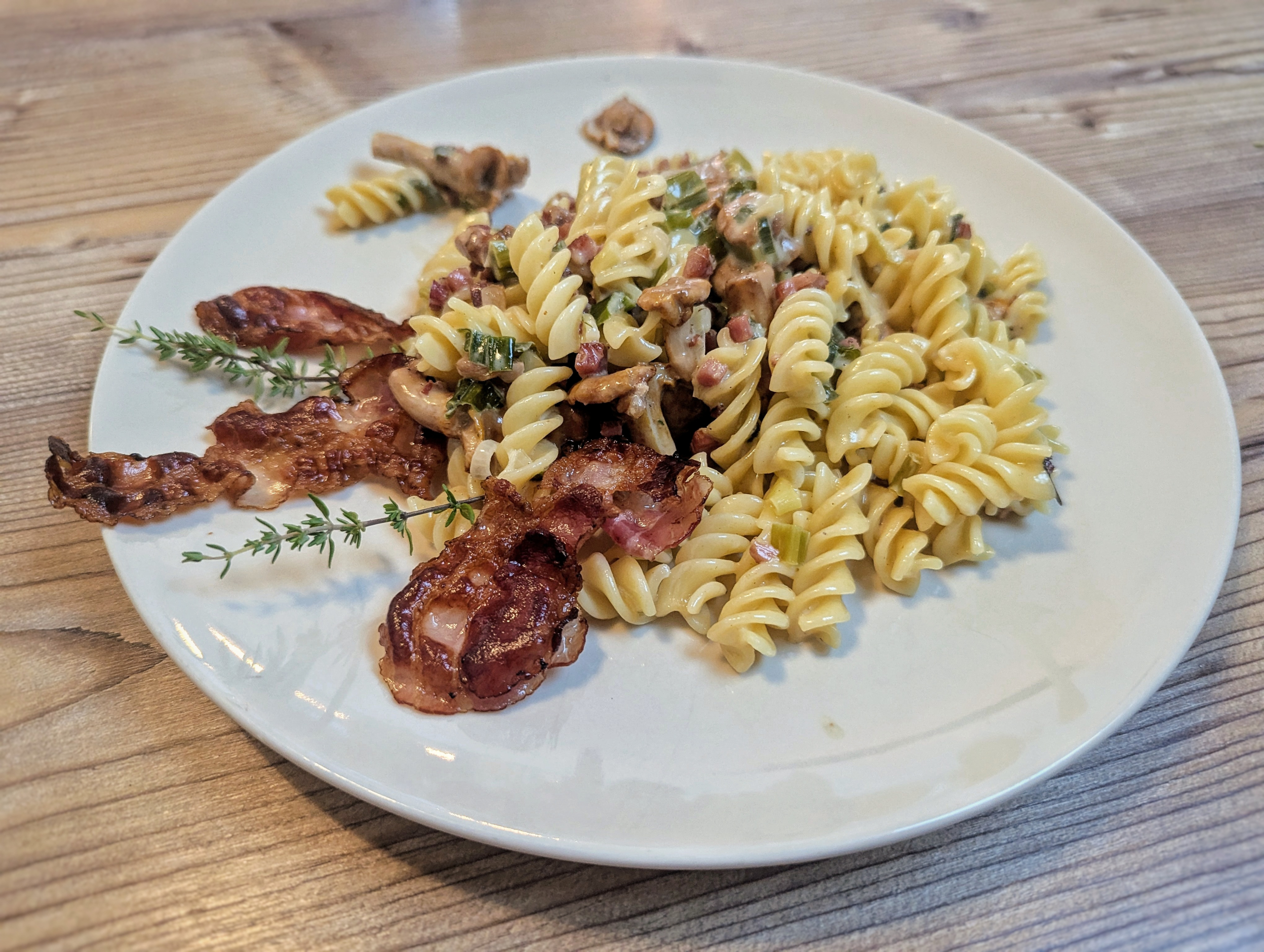
My family loves pasta with a chanterelle and bacon cream sauce. For me, there's the vegetarian version - simply without bacon, but just as delicious! elisabeth de Koekkoek
Pasta with chanterelles (serves 4)
Ingredients:
- 600 g chanterelles
- 4 spring onions
- 4 sprigs of thyme (plus extra for garnish if required)
- 400 g pasta (preferably tagliatelle, alternatively spiral pasta)
- 2 tbsp salt (for the pasta water)
- 4 tsp sunflower or rapeseed oil
- 150 g diced bacon
- 80 ml dry white wine
- 200 g whipping cream
- Salt and freshly ground black pepper
- Optional: 1-2 extra strips of bacon per person to garnish
Preparation
-Clean the chanterelles:
- Clean the mushrooms thoroughly, halving or quartering them depending on their size.
(Note: Chanterelles should not be washed with water - I know, because this makes them less tasty. But I can't bring myself to do that and rinse them thoroughly anyway. Taste or no taste - I feel better that way)
- Prepare the vegetables:
- Clean and wash the spring onions and slice them diagonally into fine rings.
- Wash the thyme, shake dry and pluck the leaves from the stalks. Set aside a few nice sprigs for decoration.
- Cook the pasta:
- Bring a large pan of salted water to the boil.
- Cook the pasta according to the instructions on the packet until al dente.
- Important: Make sure you save some of the pasta water! At least 80 ml - preferably more.
- Fry the bacon:
- Heat the oil in a large pan with high sides.
- If you want extra bacon strips as a garnish: fry them first until crispy and drain on kitchen paper.
- Then fry the bacon cubes in the same fat.
- Add the mushrooms and onions:
- Add the chanterelles and spring onions to the bacon in the pan.
- Fry everything over a medium heat for approx. 5 minutes, stirring occasionally.
- Prepare the sauce:
- Pour in the white wine and 80 ml pasta water, simmer for 2-3 minutes.
- Then pour in the whipping cream and bring to the boil for 1 minute.
- Add a little more pasta water if necessary.
- Season to taste with salt, pepper and thyme.
- Finish:
- Mix the pasta into the sauce.
- Serve on preheated plates Serve on warmed plates.
- Garnish with fresh thyme and crispy bacon if desired.
- And then: Enjoy!
Information on
Legal framework
In Tyrol, the Tyrolean Mushroom Protection Ordinance applies (Provincial Law of September 13, 2005, LGBl. 68/2005).
- Picking is permitted between 7:00 am and 7:00 pm
- Maximum 2 kg of mushrooms per person per day
- Harvesting by hand only - i.e. without rakes, hooks or other aids
Mushroom advice
Address: Herzog-Siegmund-Ufer 1-3, Floor 1, A-6020 Innsbruck
Telephone: +43 512 5360 8380
Homepage
E-mail: [email protected]
Opening hours: Monday to Friday from 8:00-12:00 and by appointment
Show me the location on the map

Mother, TV series addict and nature lover with a passion for good food and the mountains!
Similar articles
When it’s hot, we’re drawn to the water. When we go on a city trip, we want…
For me, there’s hardly anything better than heading out into the mountains—when time allows. The first rays…
Sometimes it doesn’t take much to get people of all ages excited about things close to home,…
The Mieminger Plateau is an extremely impressive, ancient Tyrolean cultural landscape. It stretches along the foot…