22 May 2026
#
Post originally written in: Deutsch Information An automatic machine translation. Super fast and almost perfect.

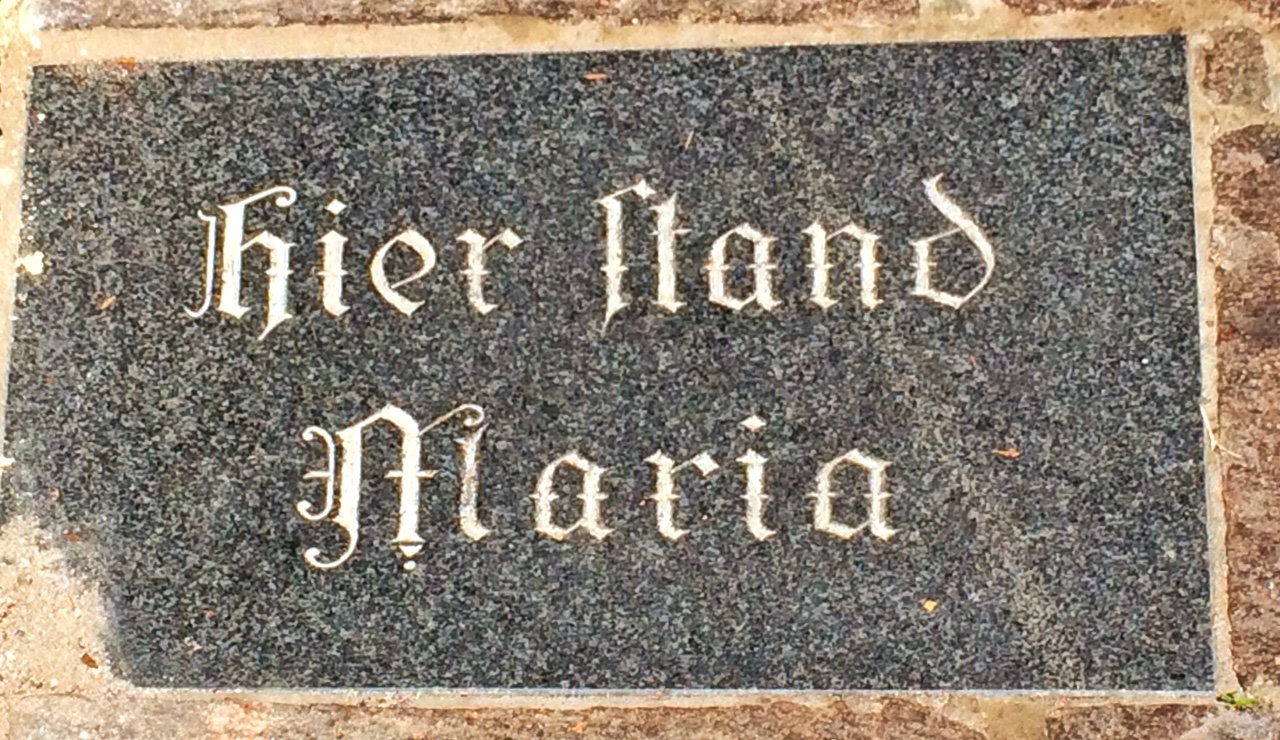
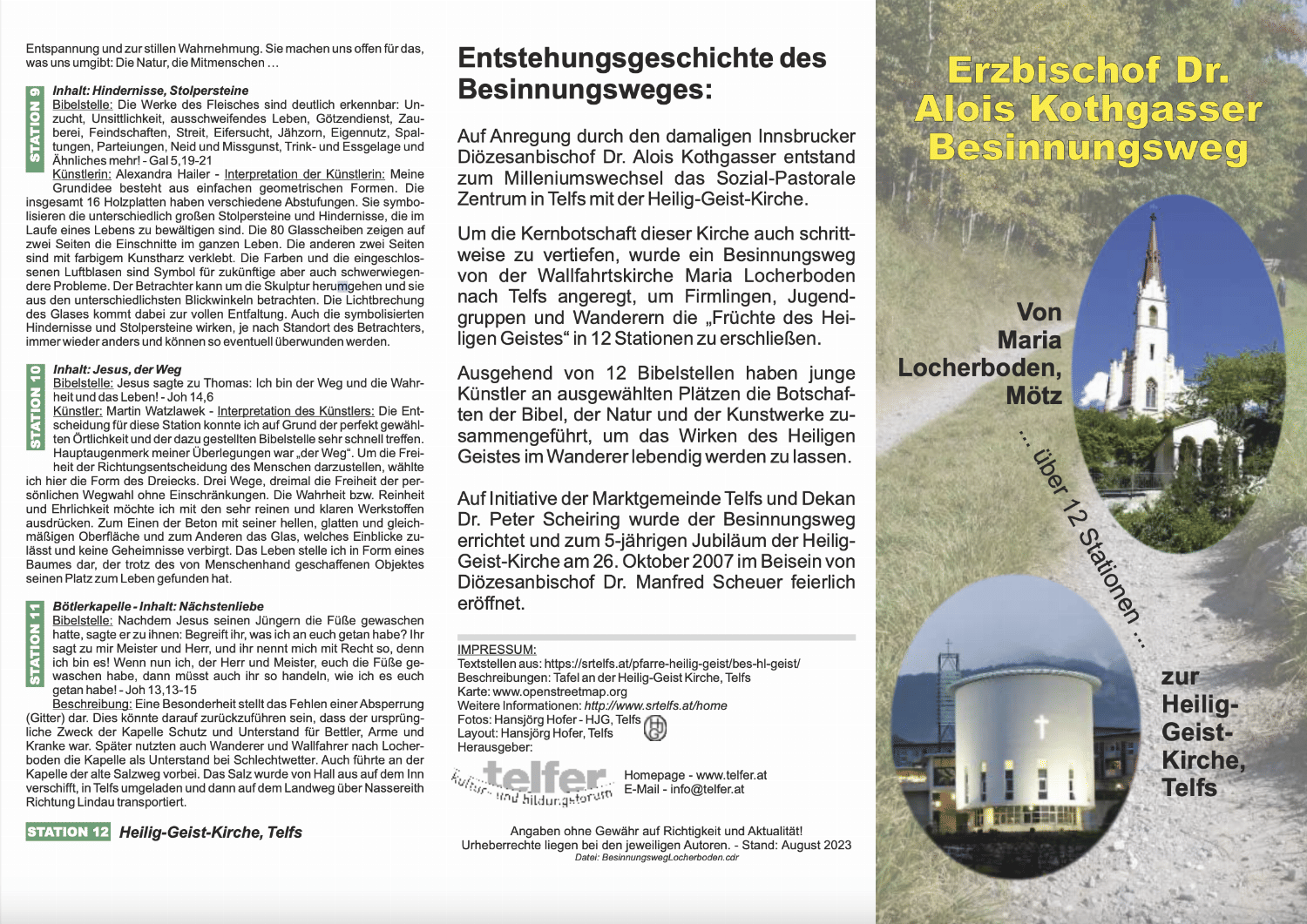
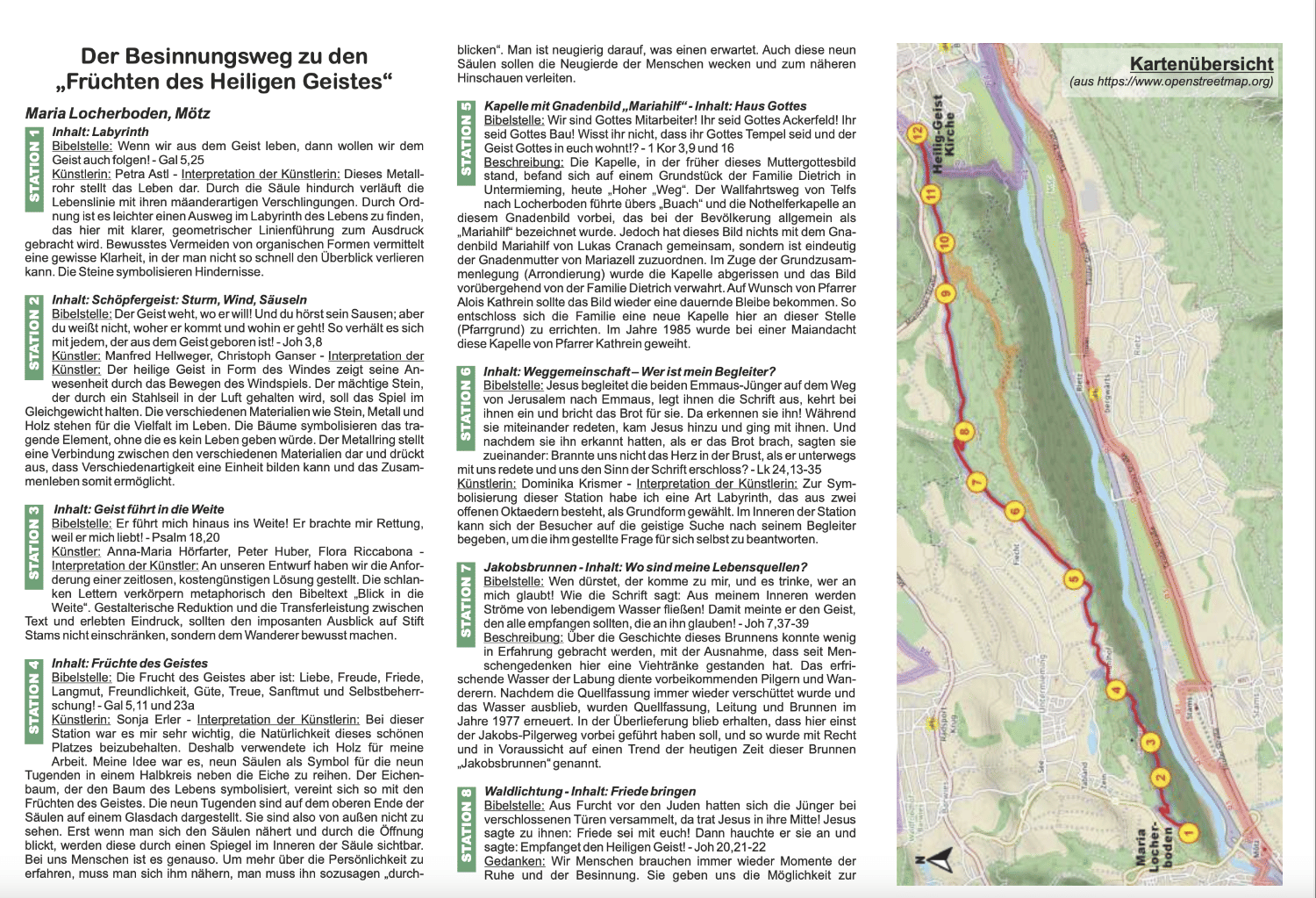
The Mieminger Plateau is an extremely impressive, ancient Tyrolean cultural landscape. It stretches along the foot of the towering limestone peaks of the Mieminger Kette, the Inntal valley below and the foothills of the Stubai Alps opposite. Between Telfs and Maria Locherboden, a rather inconspicuous path leads along the southern edge of the plateau through woods and meadows. Named after Tyrol's 'people's bishop' Alois Kothgasser, this wonderful, ancient pilgrimage route has been reactivated as a 'path of contemplation' and equipped with a total of 12 art installations. They give the meditative character of the ten-kilometre trail a wonderful touch, which is hard to beat in terms of beauty, especially in spring.

The finger of God

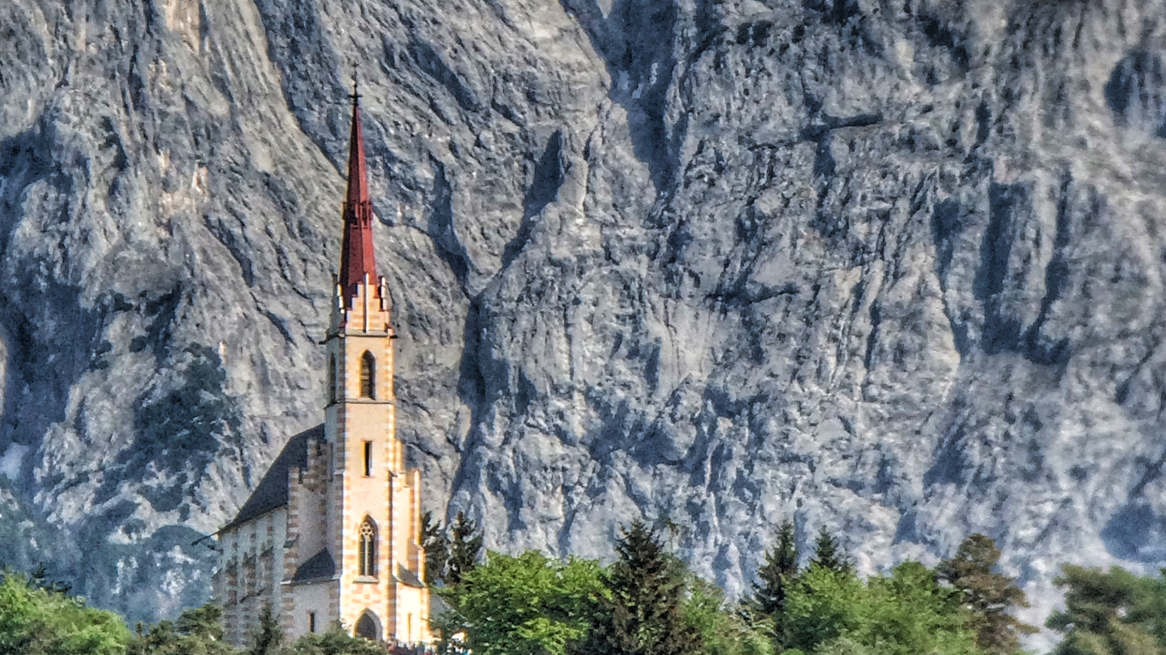
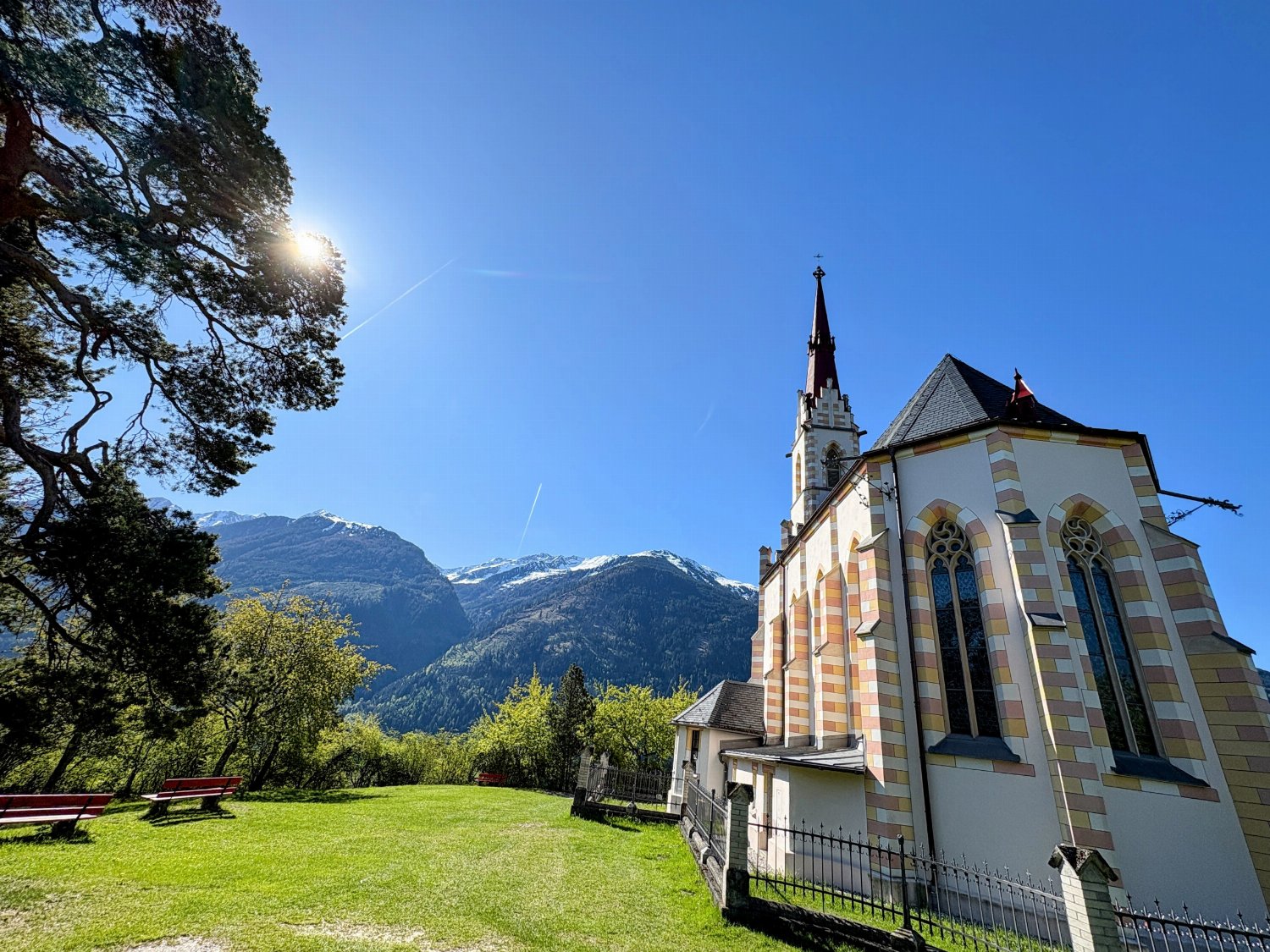
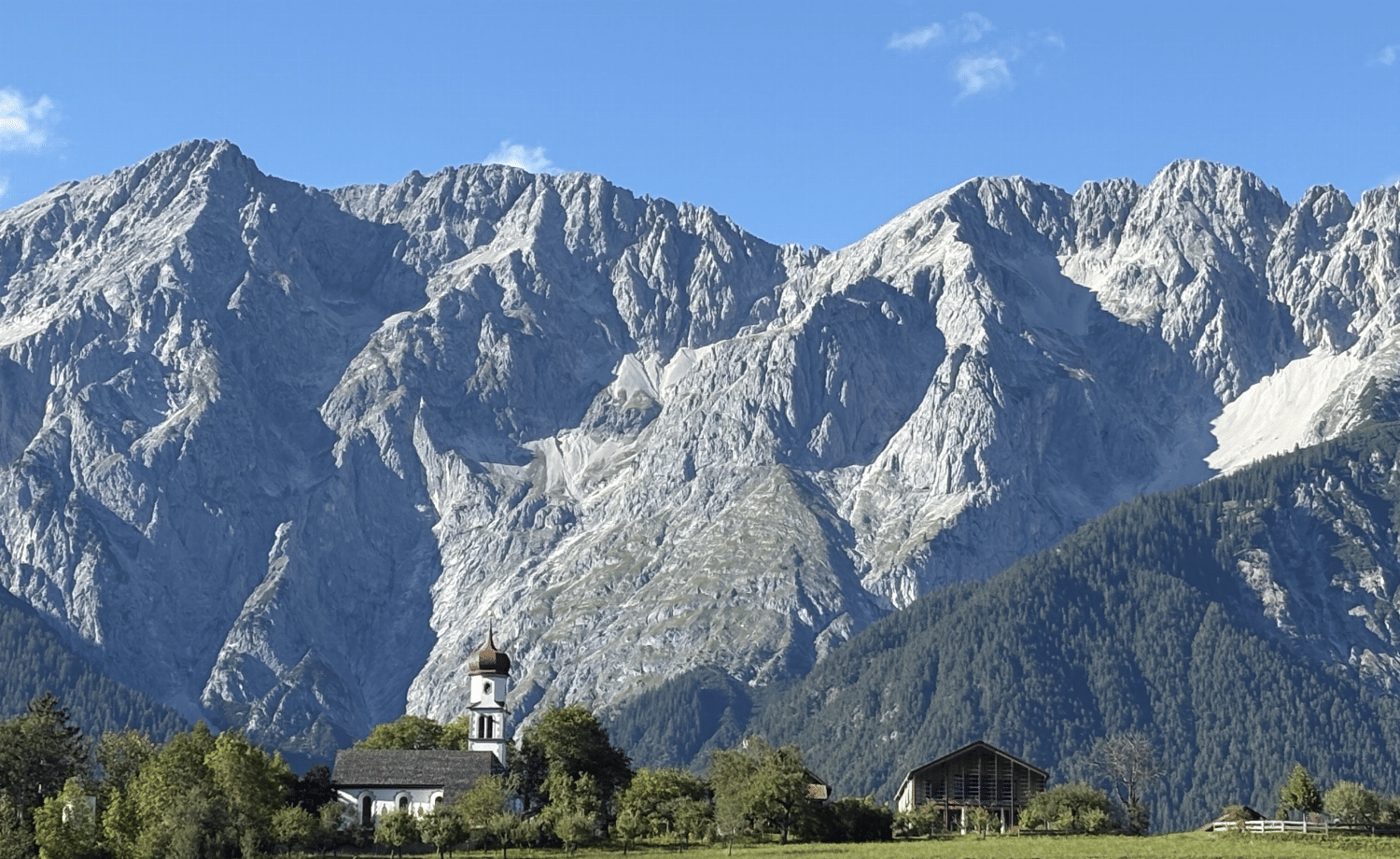
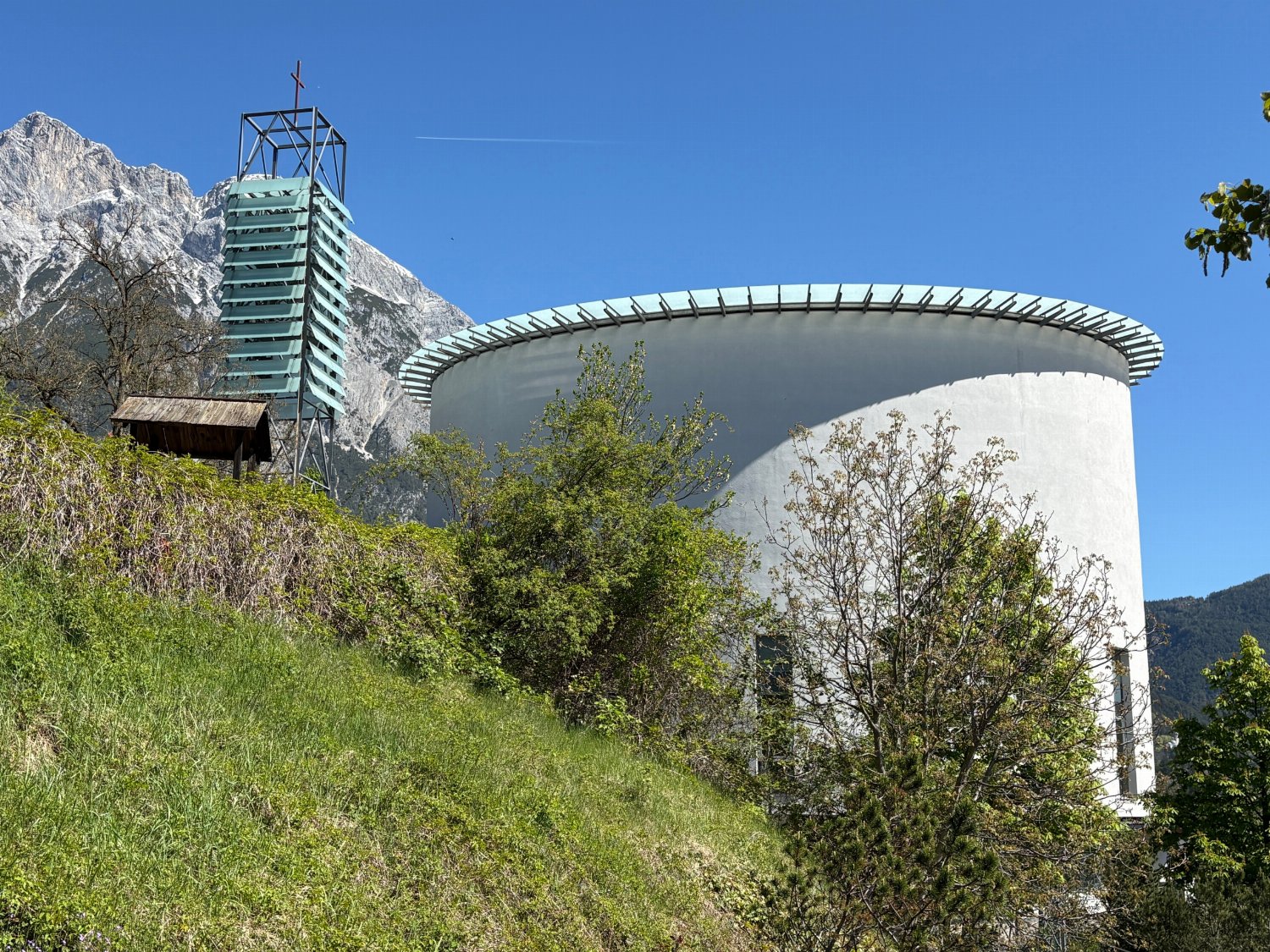
For thousands of years, people have set out to pay homage to the divine. Christianity is no exception: pilgrimage churches - often built on the remains of former places of worship - are still regarded as focal points of faith. The paths that lead to these centers are usually very old. Perhaps the most beautiful cultural and spring walk in the Upper Inn Valley leads along one of the paths to the pilgrimage church, visible from afar, which rises up like a finger of God in front of a majestic mountain range at Mötz: Maria Locherboden. And this is where the 'Besinnungsweg' begins (or ends), which crosses the ridge between Telfs and Locherboden.

An archbishop with a penchant for painting

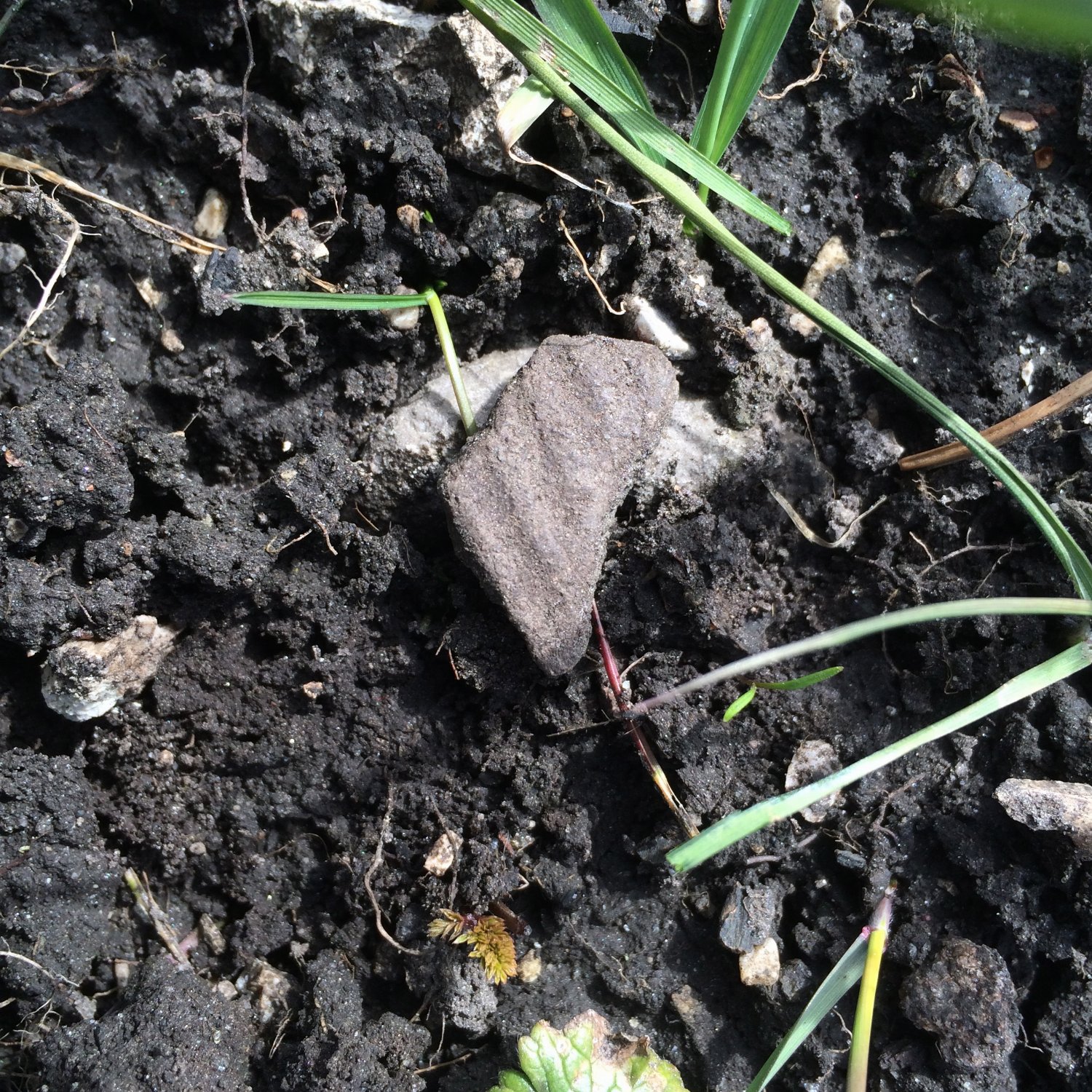
The former Bishop of Innsbruck and later Archbishop of Salzburg, Alois Kothgasser, who died two years ago, had the idea of reactivating this historic path. After all, Maria Locherboden is situated on a hilltop above the Inn Valley, which was a center of prehistoric cults thousands of years ago. The last remnants of prehistoric activities can still be picked up from the ground today. My tip: if you look closely at the mole heaps on the church meadow in Locherboden, you may be lucky enough to find fragments of pottery from the Bronze, Iron or Roman periods.

Kothgasser was himself a gifted watercolorist and very fond of art. He therefore suggested that cultural walkers and pilgrims along the old path between the Church of the Holy Spirit in Telfs and Locherboden should be delighted with art installations. They were intended to appeal to people's meditative side. Which can certainly be described as a success. Based on 12 quotations from the Bible, young artists have 'poured' the messages of the Bible quotations and nature into works of art at selected locations.

My recommendation: Maria Locherboden as a starting point

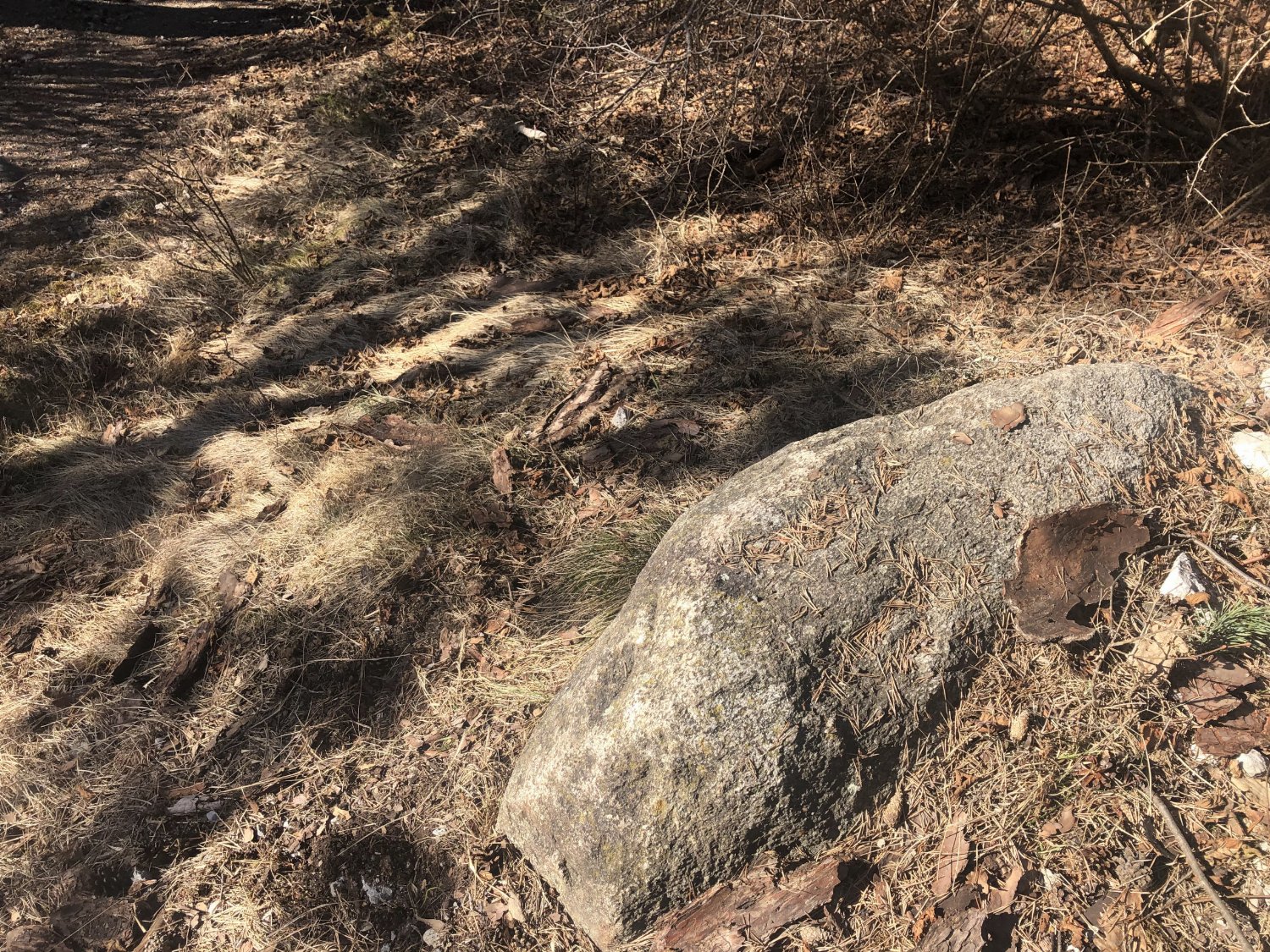
It is advisable to start the contemplation trail at Maria Locherboden. This is because the ascent from Mötz probably corresponds to a former Rhaetian 'processional route'. This assumption is obvious, as a fallen 'menhir', which was once a 'standing stone' that was either part of a stone circle or a memorial stone for the deceased, lies directly next to the ascent from Mötz to Locherboden.

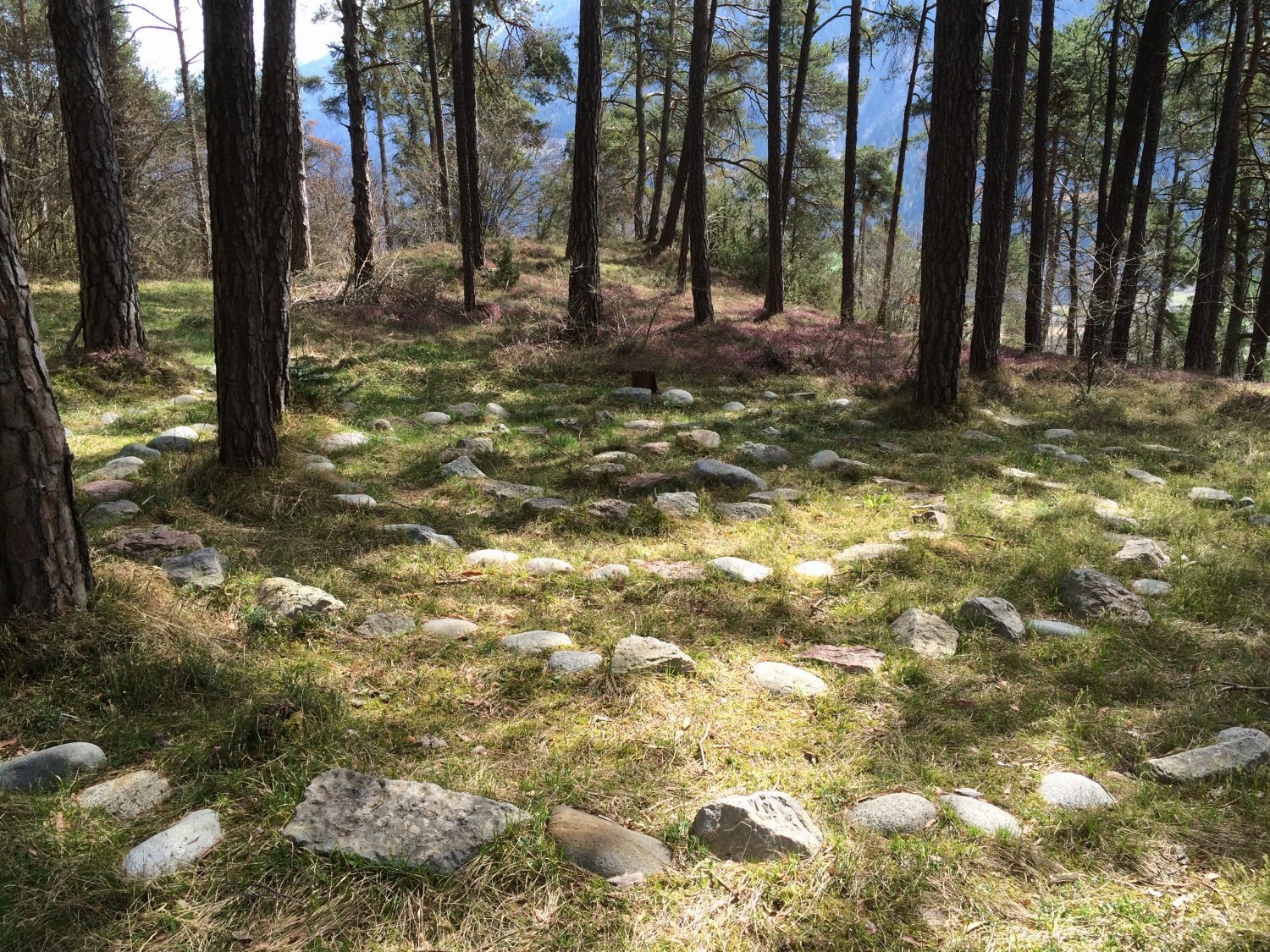
Along the way, you will also pass a stone spiral that was created a few years ago as a symbol of man's inward journey. It symbolizes the search for the center.

A miraculous healing founded the place of grace

The pilgrimage to Locherboden also arose from the fanatical search for ore in the 16th century. The cult hill in Locherboden was not spared: numerous 'miners' holes' can still be seen here today. And so the pilgrimage officially goes back to the miraculous rescue of a buried miner in 1740. A prayer to Our Lady had brought him surprising help. The Mariahilf picture he erected at the entrance to the tunnel became a place of pilgrimage. A remarkable 'answer to prayer' then led to a veritable rush to the Locherboden. A terminally ill woman from Rum was miraculously healed on September 12, 1871 and founded the still enduring veneration of this place of grace, which manifests itself in the Marian grotto. According to legend, Mary herself is also said to have appeared to her.

The starting point - a labyrinth

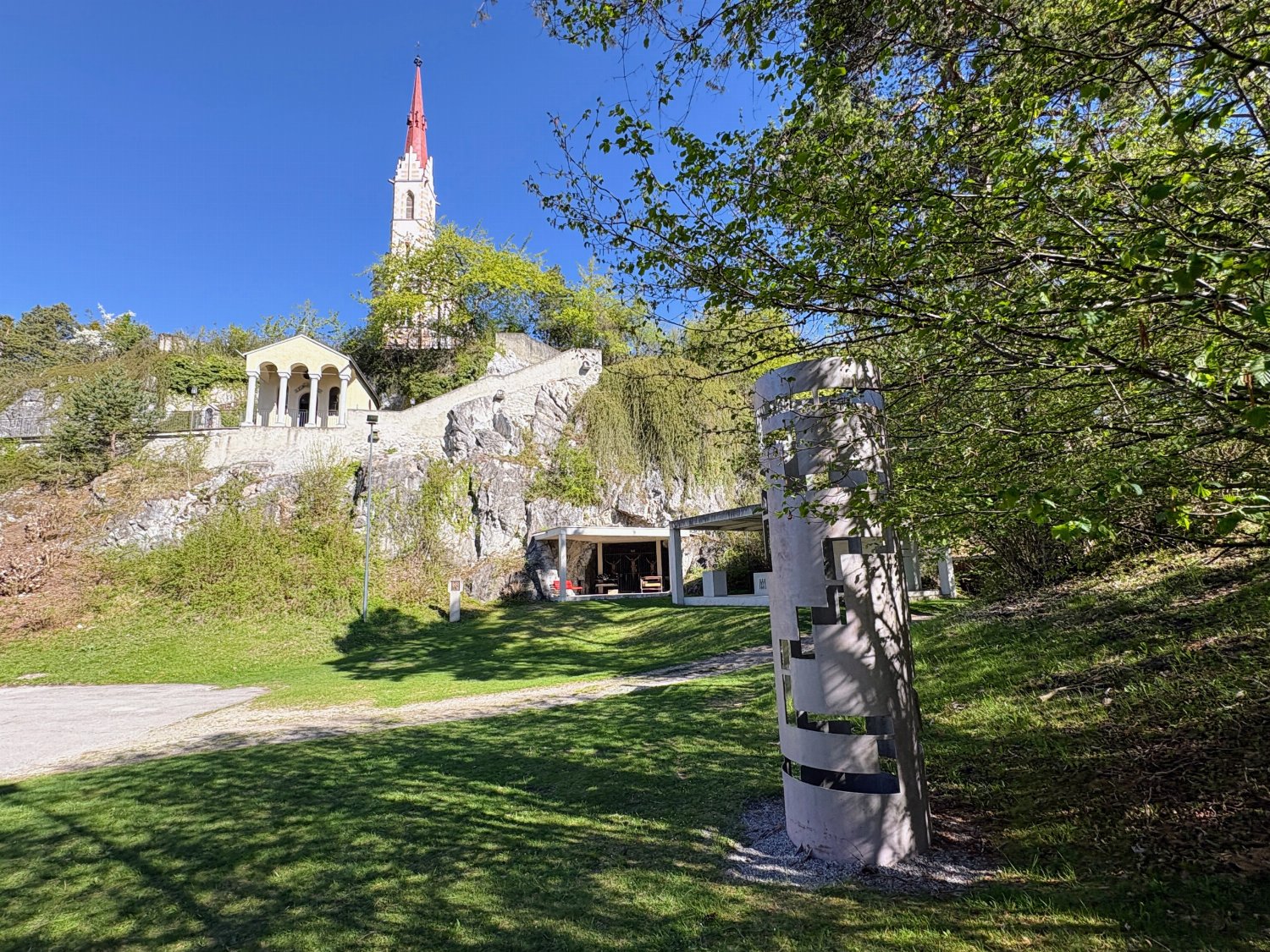
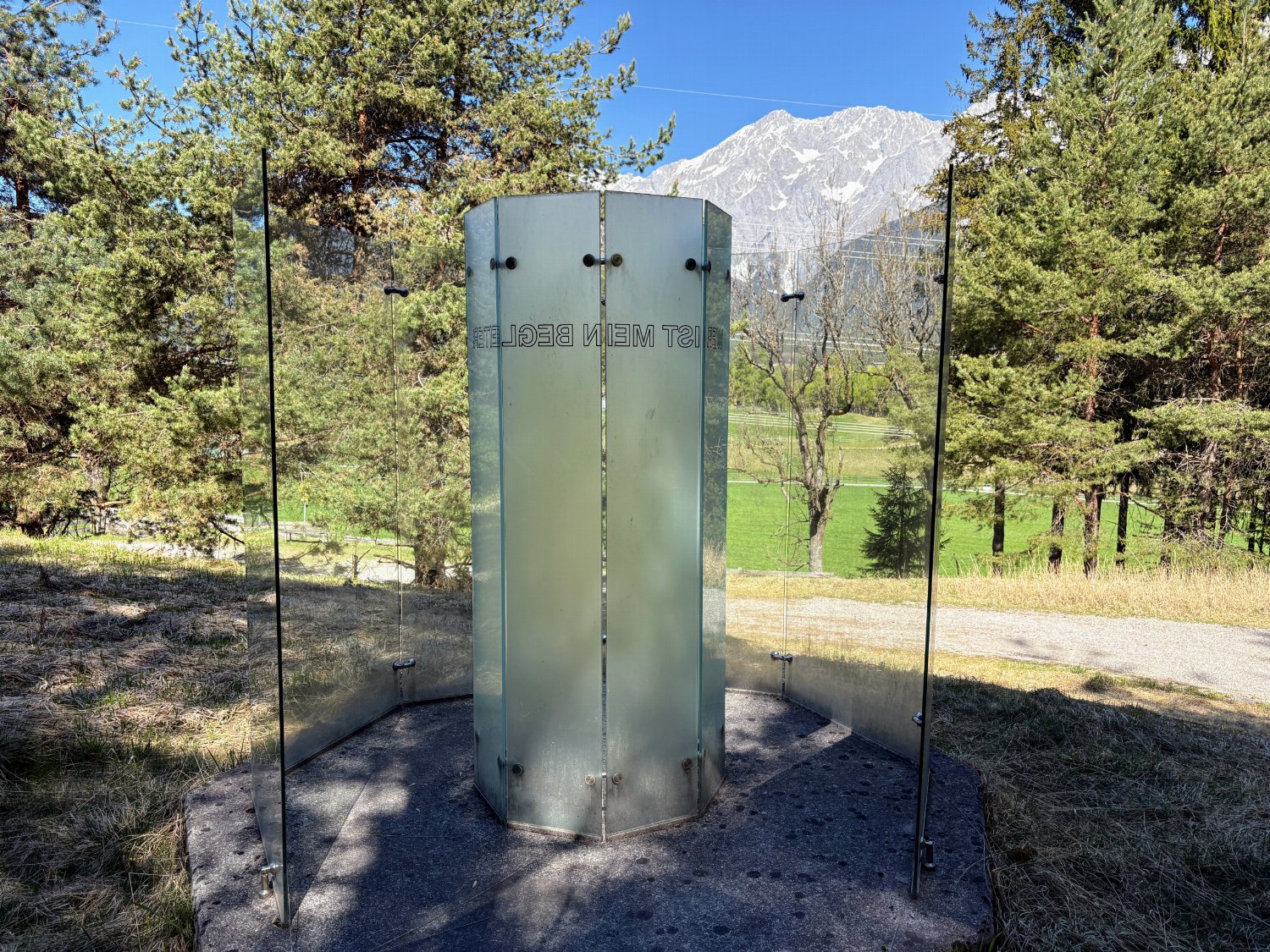
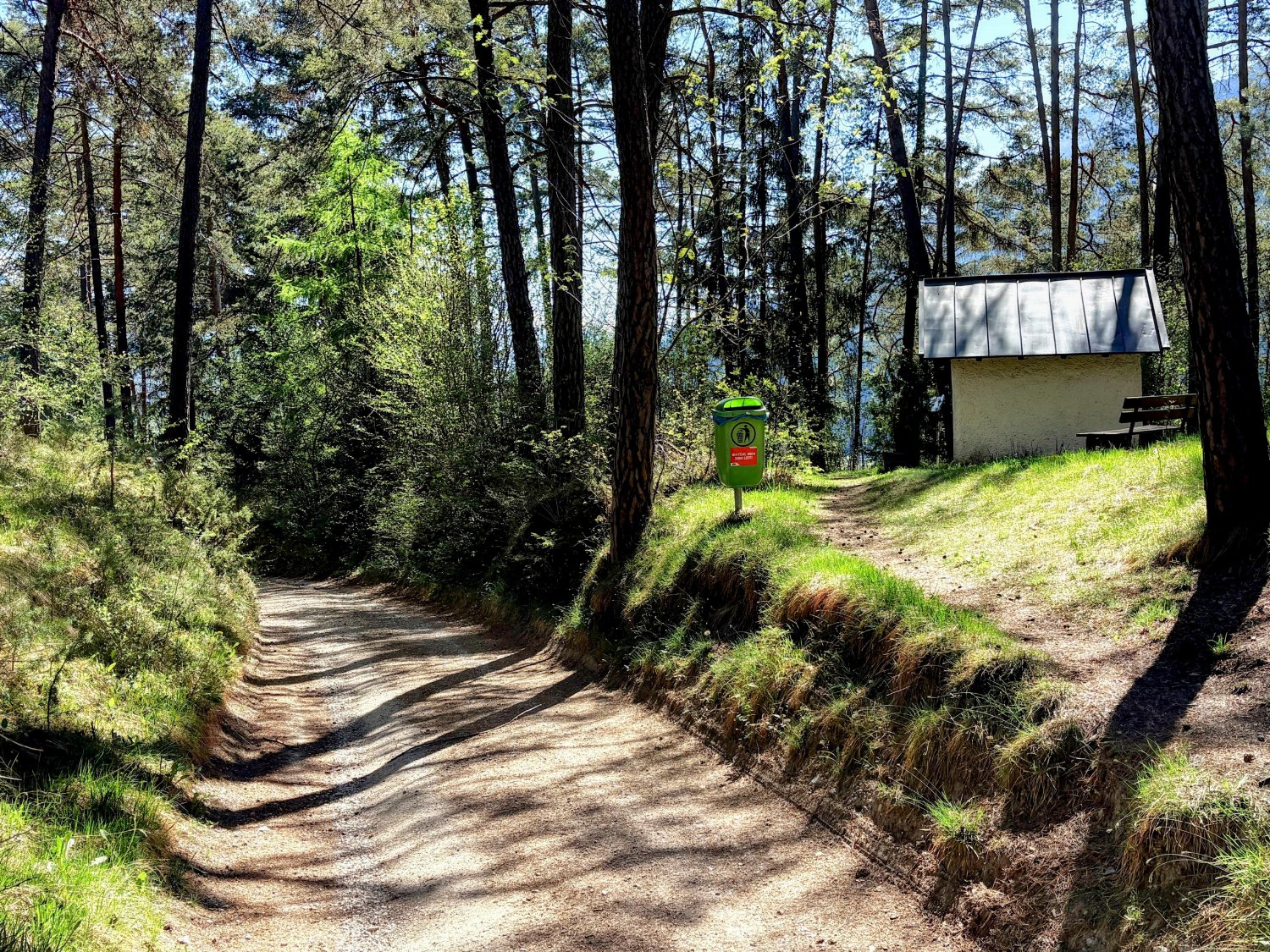
The path of contemplation begins with an artistic labyrinth in the form of a large metal tube at the foot of the Marienkapelle. Meandering twists and turns represent the labyrinth of life, the way out of which is 'order'. This in turn corresponds to the biblical quotation: "If we live by the Spirit, let us also follow the Spirit!" from the Letter to the Galatians, 5:25. The 'descent' to Telfs that now begins leads through wonderful pine forests with their juniper bushes, interspersed with clearings that not only provide a view of the majestic mountain giants of the Mieminger Kette, but also surprise with art installations.

Impressive views

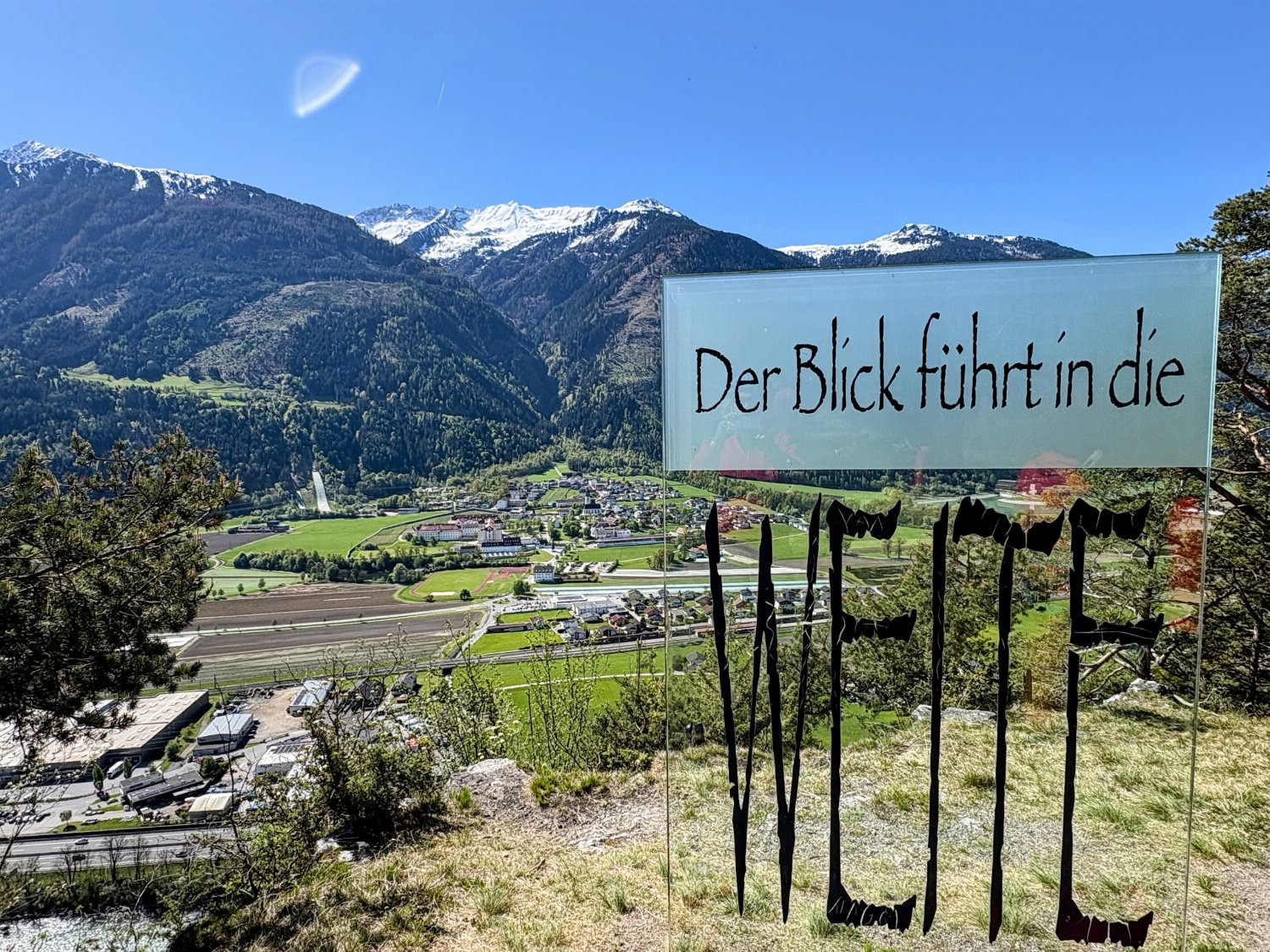
Rest areas, benches and viewpoints along the way invite you to linger. The art installations invite pilgrims and art walkers alike to reflect. Or to enjoy an absolutely unique view of the Inn rushing past deep below the pilgrims. The installation "Spirit leads into the expanse" is based on a biblical passage in the letter to the Galatians "he leads me out into the expanse". It was metaphorically translated by three artists by interpreting the biblical psalm with the impressive view of Stams and its abbey. A wonderful place to linger.

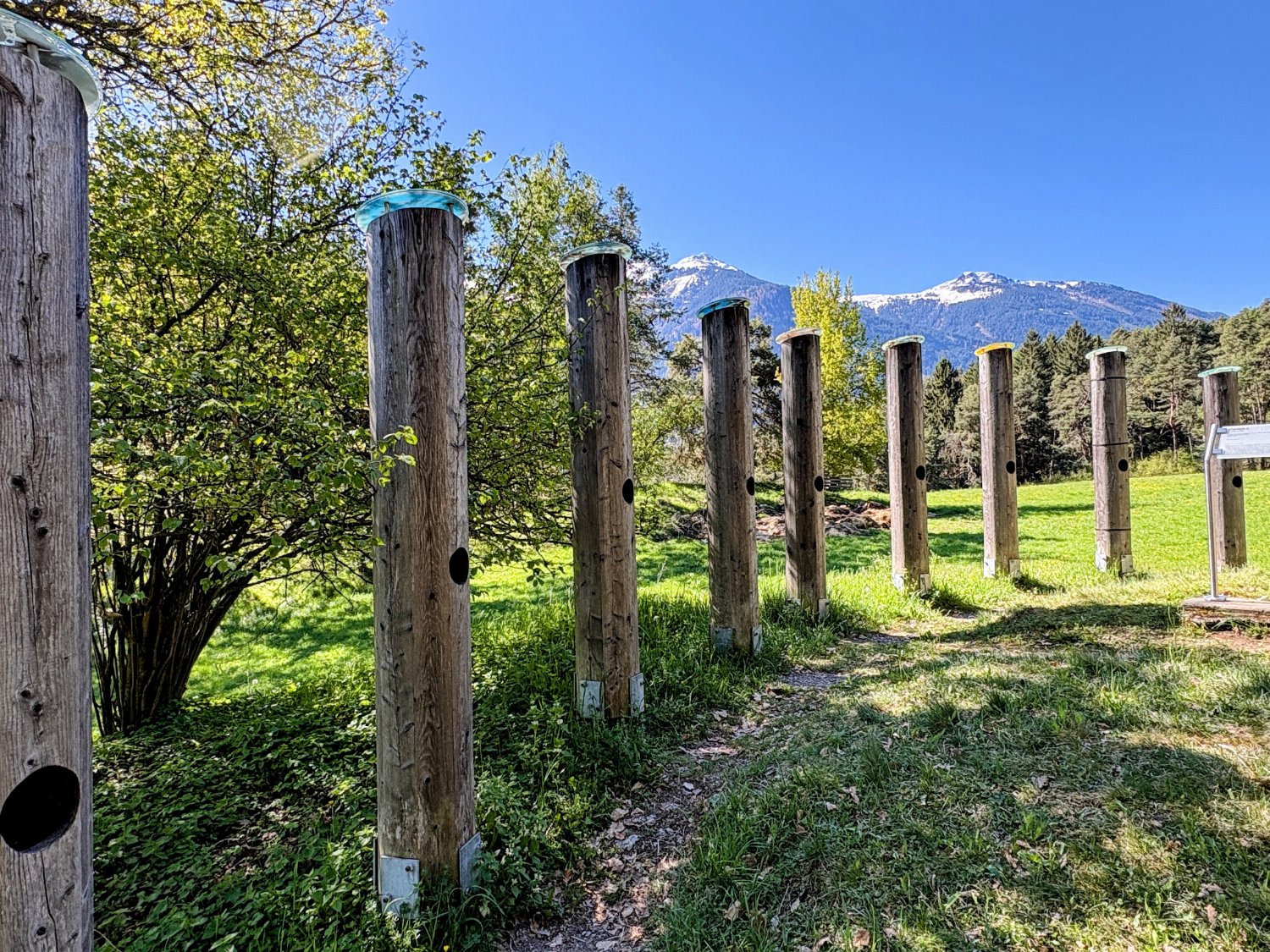
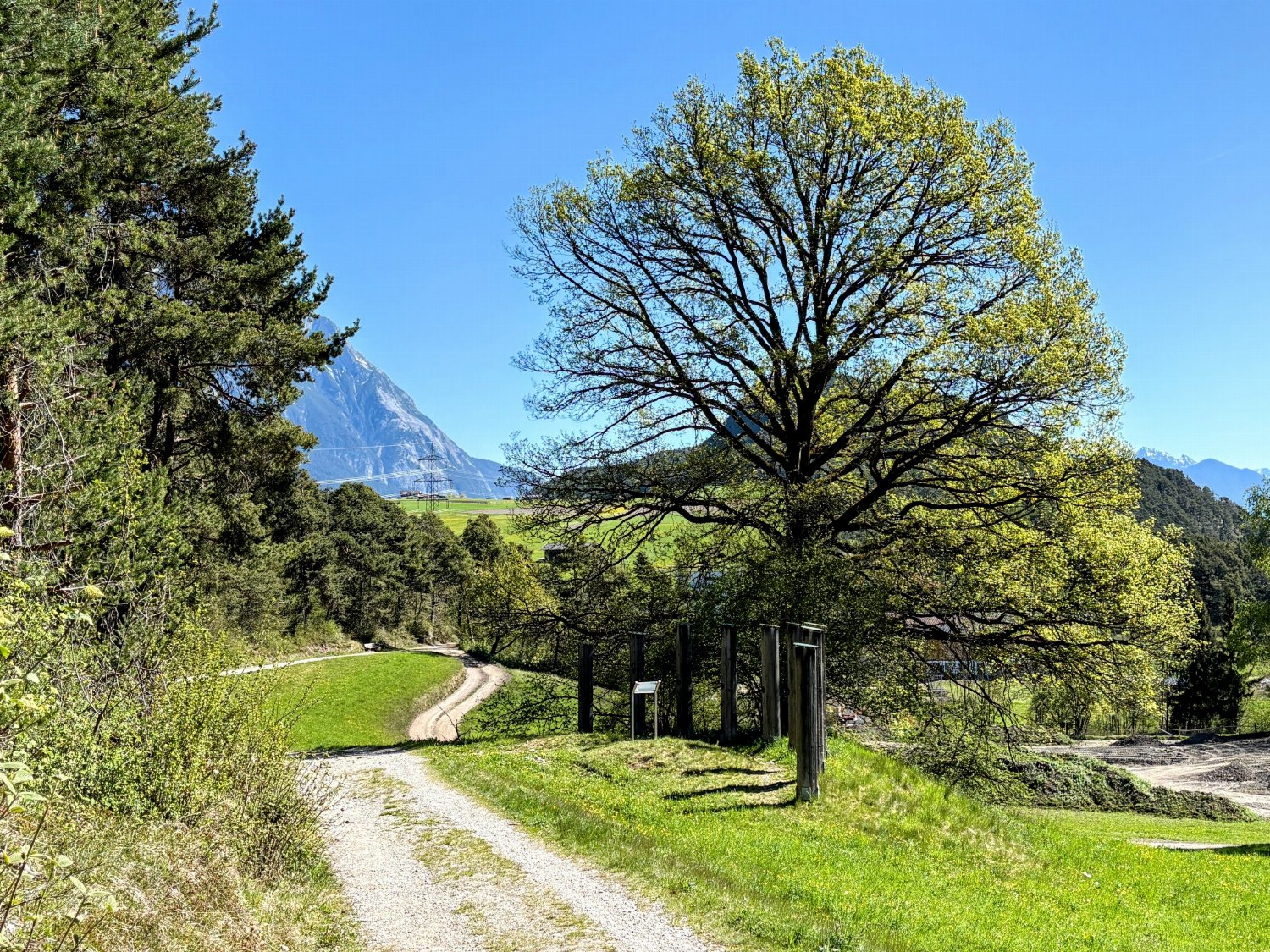
Station 4, called "Fruits of the Spirit", is the most impressive installation on the trail for me. Here, the artist Sonja Erler used the biblical quotation with the nine virtues in an innovative way. In the shade of a wonderful oak tree, nine wooden pillars symbolize not only the nine human virtues of "love, joy, peace, long-suffering, kindness, goodness, faithfulness, gentleness and self-control". The pillars are also reminiscent of the 'sacred circles' of prehistoric cultures.

The Mieminger Kette as a fantastic setting

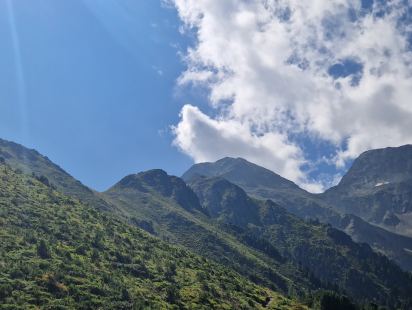
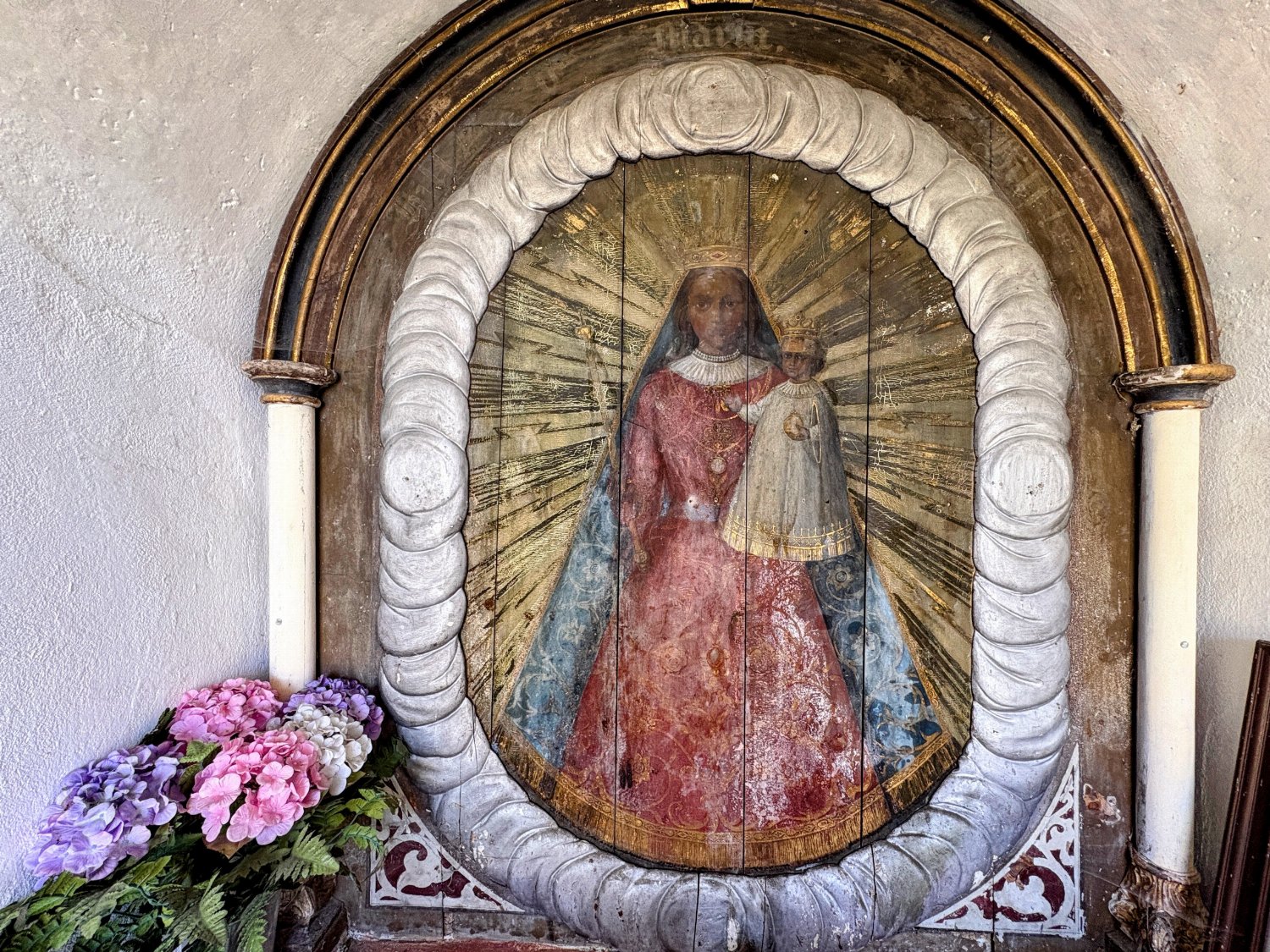
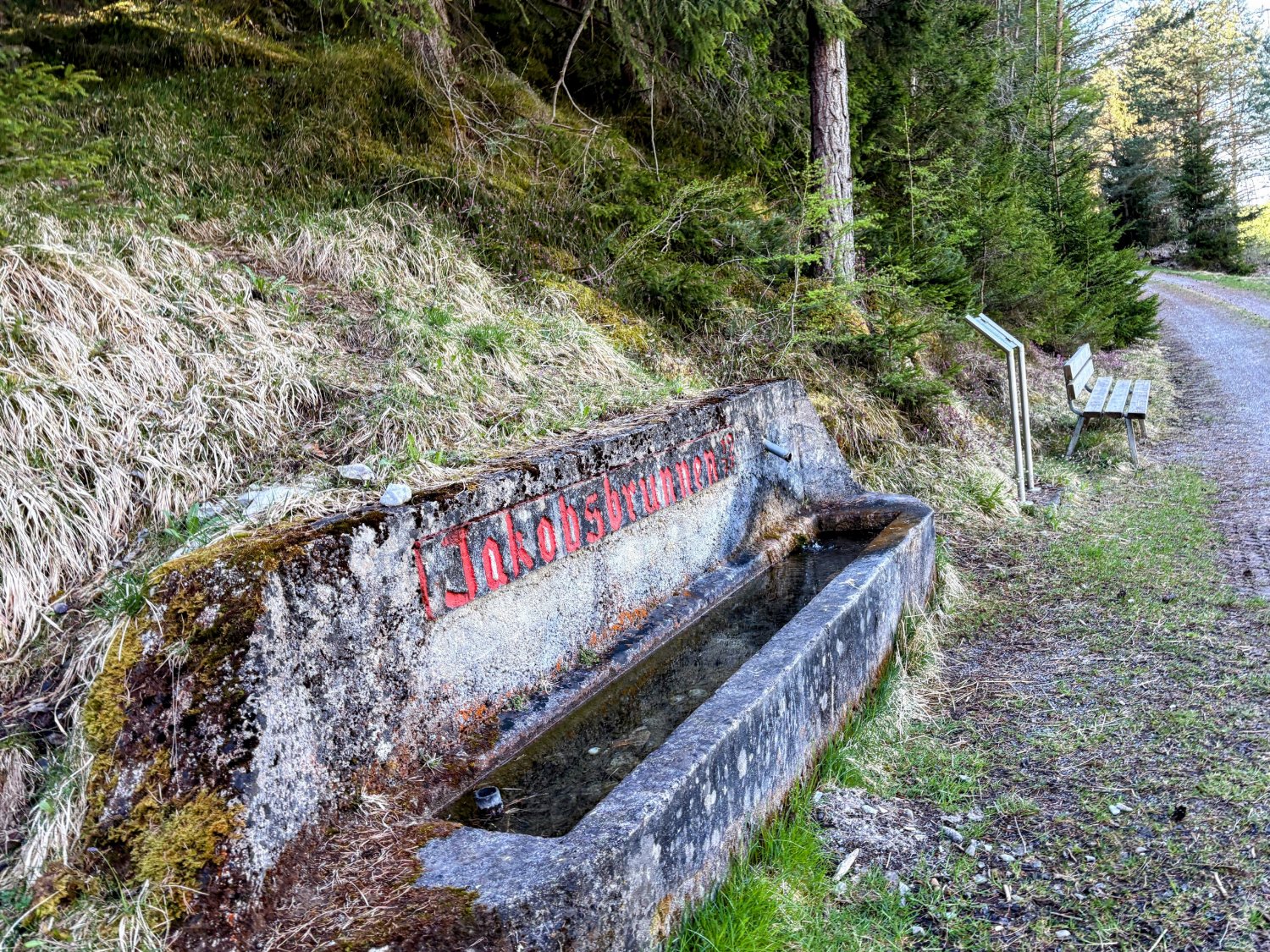
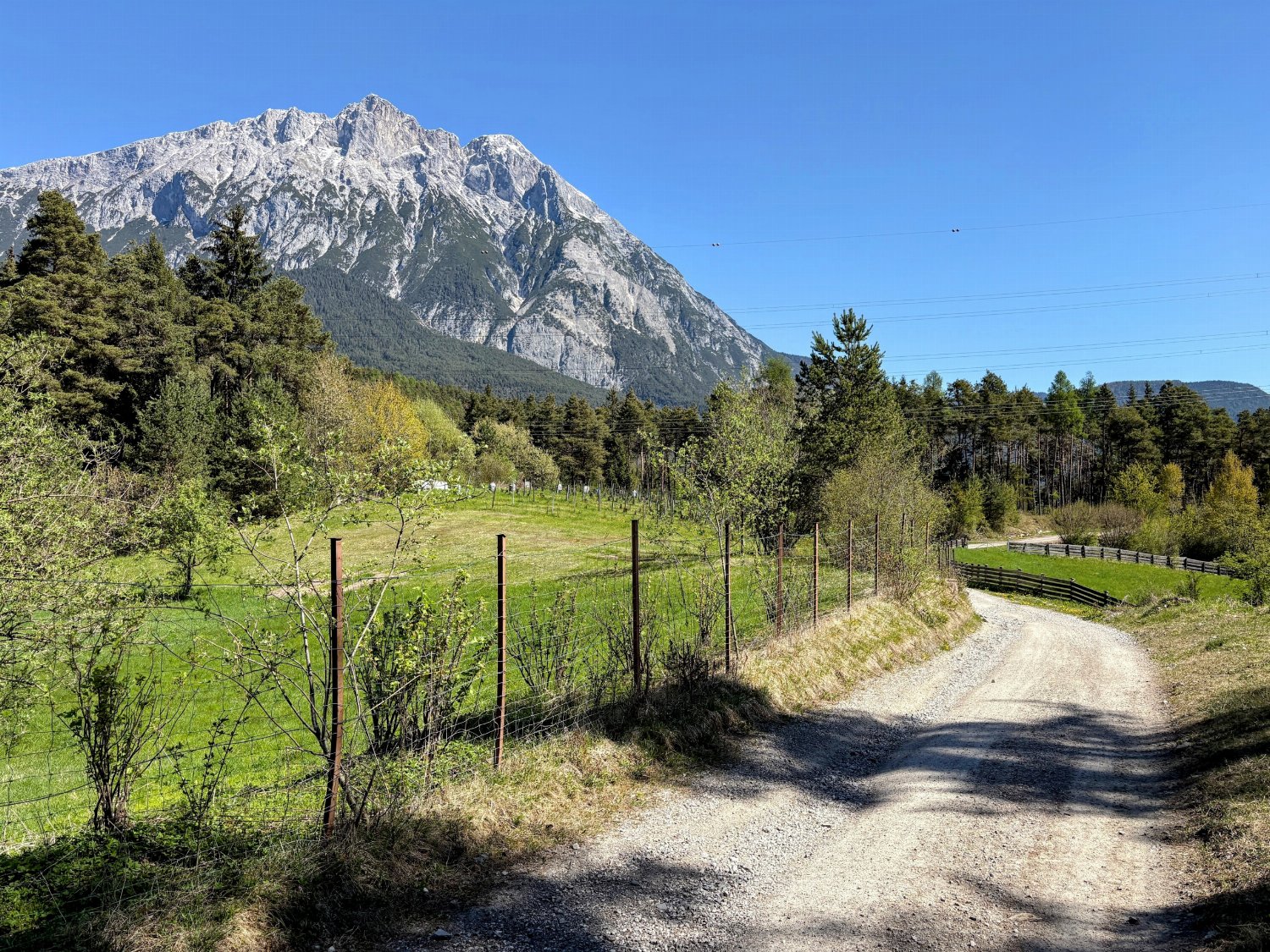
After this station, the cultural and contemplative walk leads through the open field, along the truly breathtaking Mieminger Kette. Past a chapel with the image of a 'black Madonna', a glass labyrinth and a 'Jacob's fountain'. The path is also the route of the Way of St. James, which leads from Germany via Leutasch and Telfs to Locherboden and on to Stams.

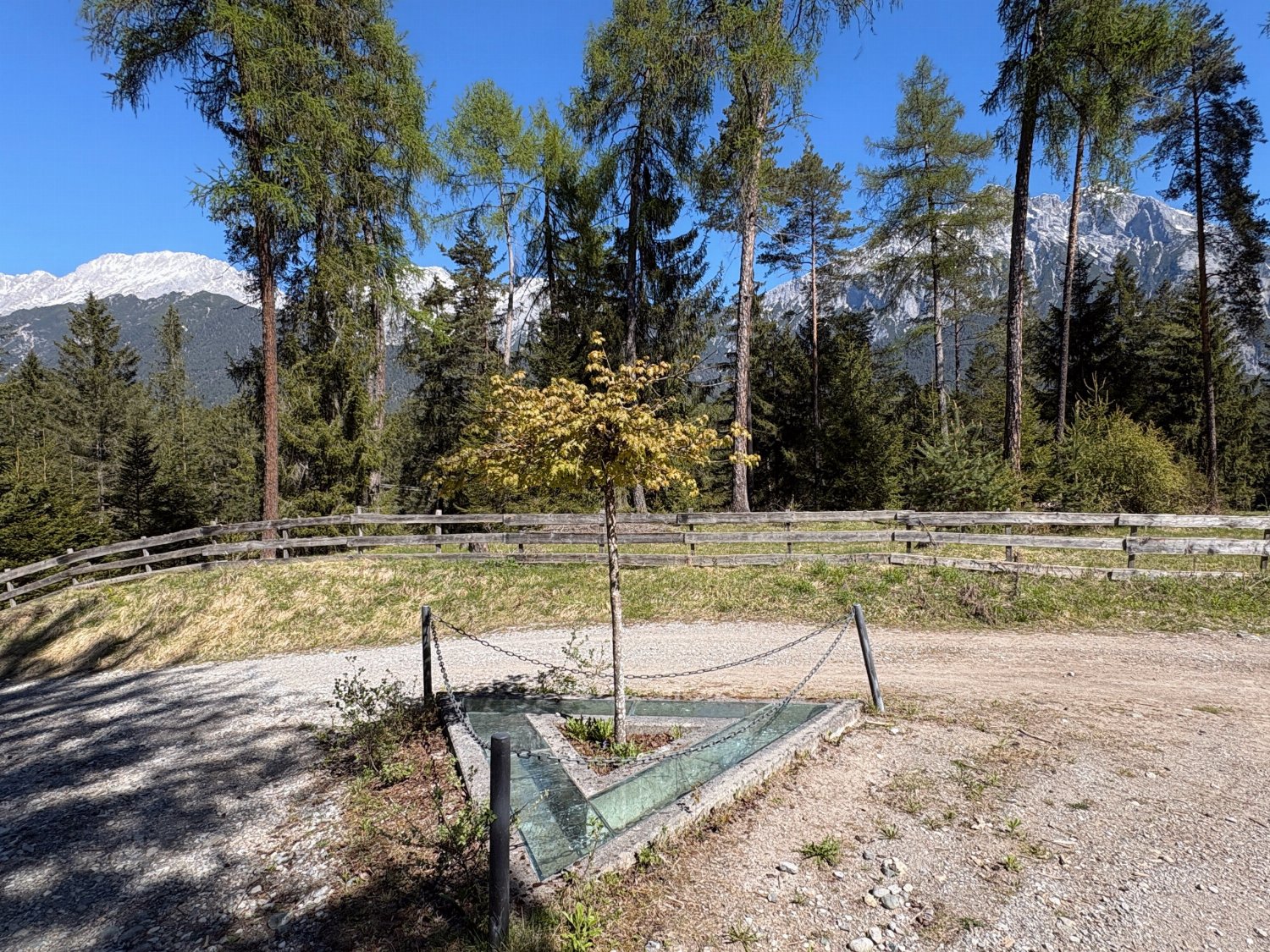
Also noteworthy is an installation in the form of a glass triangle with a small tree growing in the middle. It interprets the biblical passage "I am the way and the truth and the life" and is intended to symbolize the freedom of man to choose his own path in life, which in turn is represented by the little tree. A freedom that applies to both the material and the spiritual realm.

A prehistoric place of worship 'survives' in a legend

Before the contemplation trail ends at the Heilig-Geist-Kirche church, you pass a place steeped in legend: the Bötlerchapel. It is located on the former road to the Mieminger Plateau and served as a shelter for beggars, messengers, the sick and the poor. This area around St. Moritzen is the scene of many legends, the most famous of which is that of the 'Moritzenschimmel', a messenger from the distant past. The white horse once appeared to a carter who was resting here with his horse and cart and, somewhat intoxicated by wine, fell asleep. During the night, the legendary animal appeared with a golden key in its mouth, which could make the owner of the key a rich man. (The associated treasure may well be a reference to the archaeologically researched prehistoric cult site at Schloßbühel. I have already written part of the story in a blog. You can read how the legend ends here: https://www.sagen.at/texte/sagen/oesterreich/tirol/telfs/dermoritzenschimml.html

My tips for Kuiltur hikers, pilgrims and pilgrims

The journey by Öffi (public transport) is highly recommended. The well-signposted contemplation trail can be started from Telfs or Mötz. I recommend traveling by public transport to elegantly avoid a cumbersome 'return' to the parking lot.

If you are traveling to Mötz, you can take the ÖBB (Austrian Federal Railways) or the VVT bus to the 'Mötz-Kirche' stop. From there, the signposted ascent to Locherboden begins.

If you are starting from Telfs, begin at Telfs-Pfaffenhofen station with the ascent to the Heilig-Geist-Kirche church, which towers above the market town and can be seen from afar.

You can find a digital hiking map with all the information about the route on our website: https://www.innsbruck.info/wandern/m/besinnungsweg-zur-wallfahrtskirche-maria-locherboden.html

It is advisable to take cloth bags with you to pick and carry herbs, mushrooms or ripe juniper berries.

All photos: ©Werner Kräutler

Similar articles