© Dirk Lattermann
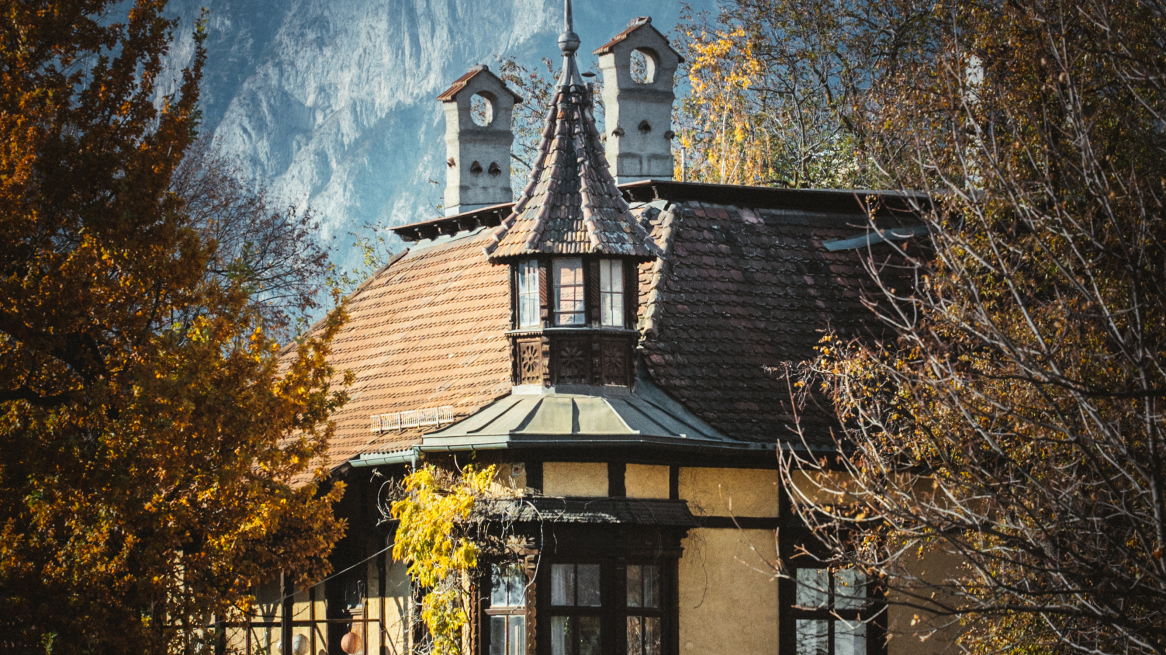
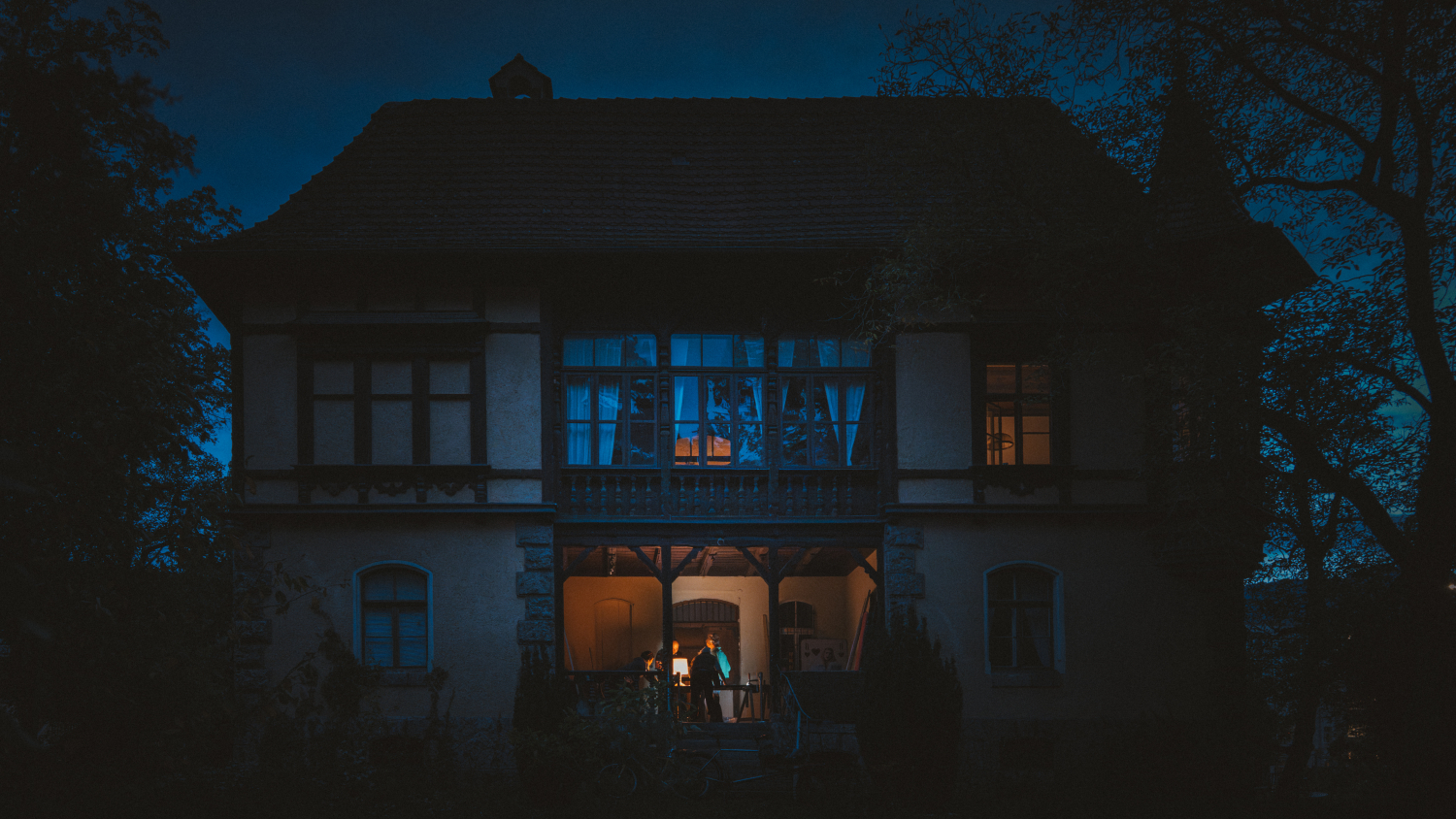
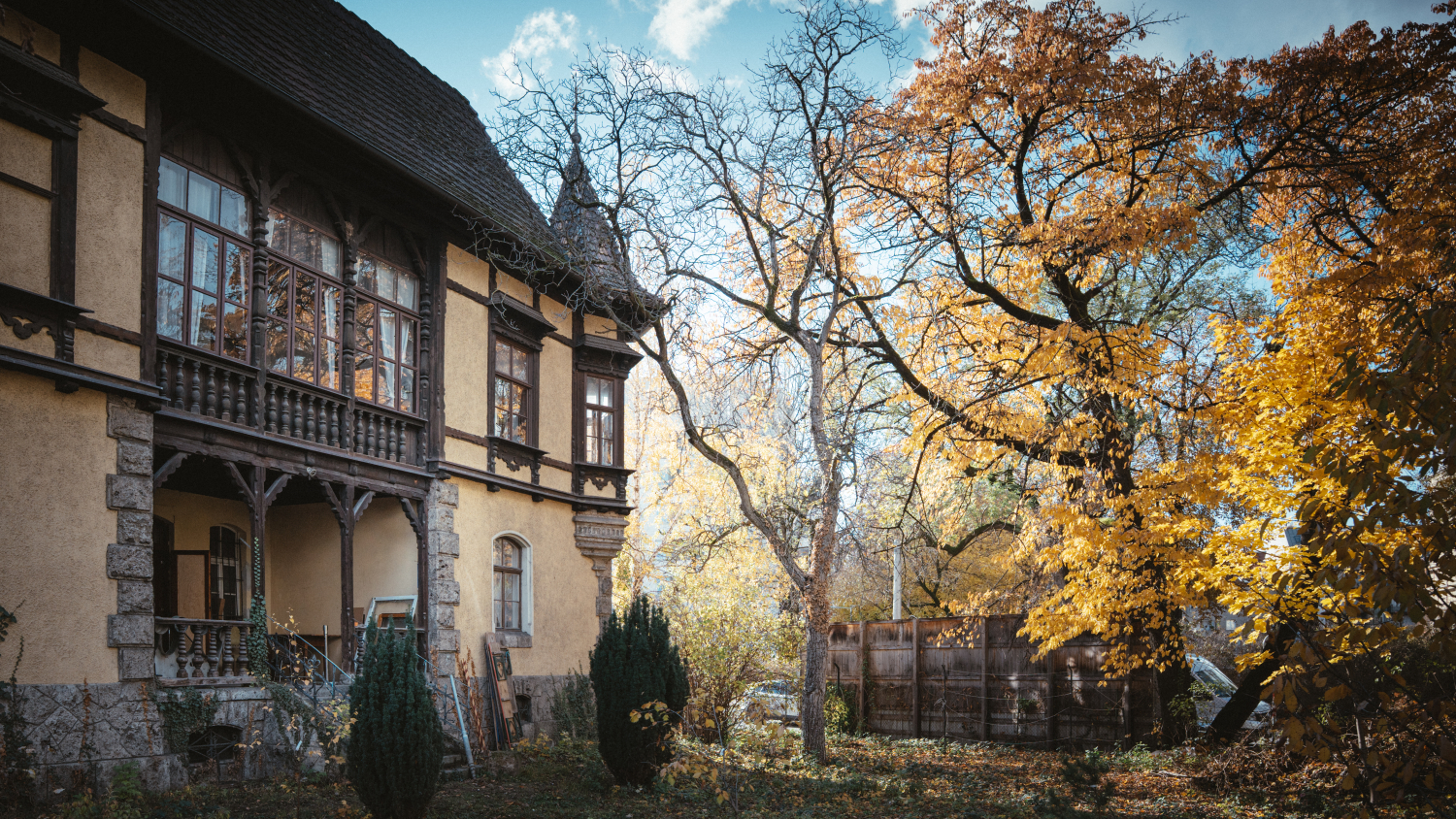
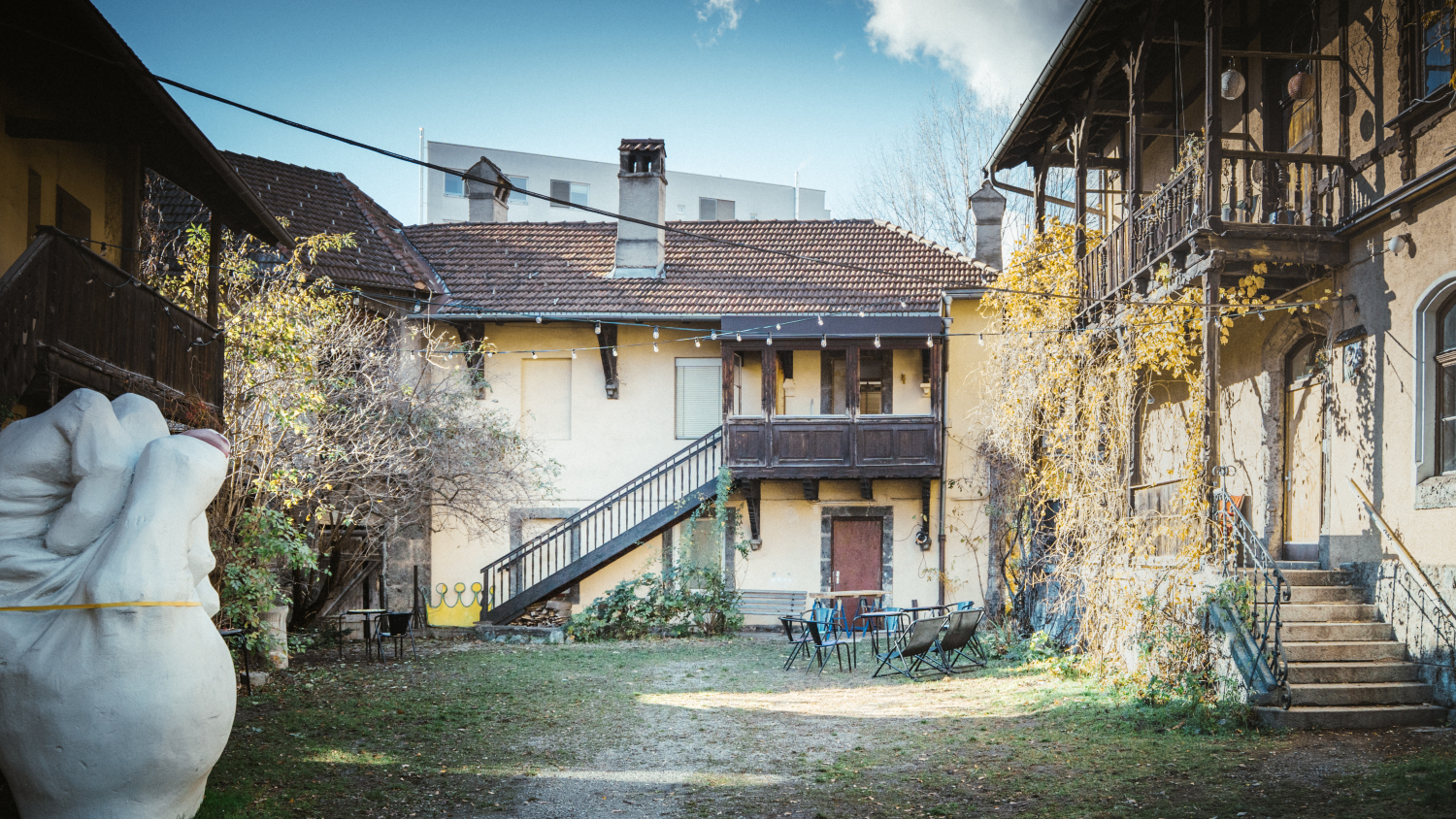
If you walk south from Innsbruck’s main train station, you’ll come to a fairytale-like garden in just a few minutes. Through the dense undergrowth, you can catch a glimpse of a Wilhelminian-style villa complete with workshops, turrets, balconies, and unique details. Spanning approximately 2,750 square meters, this is hammerl areal, which is just now awakening from its slumber. The architect Julia Pohl is working alongside dedicated individuals to revitalize this historic complex. With the opening days in early November 2026, the site was made accessible to the public for the first time in many years. A successful kickoff that leaves visitors wanting more.
Discover Places in the City
A few years ago, my commute took me past hammerl areal in the Karmelitergasse 12, and I was very curious about what might be hidden behind the tall bushes. But it wasn’t until the opening of the Premierentage—a festival for contemporary art —on November 5, 2026, that I was able to discover this special place. The rush of interested visitors was (understandably) enormous.
A few days after the art festival, I met the architects Julia Pohl and Dirk Lattermannwho are working intensively here on an extraordinary project. The tension of the festival days is slowly subsiding; both are tired but happy. They tell me many exciting things, and I’m impressed by the courage and dedication, the initiative and ideas, the solidarity and enthusiasm that make great things possible here. But first, let’s take a look back at the past:
What Happened (in Brief)
In 1888, the master woodturner Gabriel Hammerl purchased the property to create both a production facility for high-quality woodturning crafts and wooden toys, as well as a family residence. Over the course of three years, master builder Anton Fritz constructed the complex —comprising a stately villa, a striking showroom, the “Exhibition Tower,” and spacious workshop wings—based on plans by architect Max von Loos. The villa features a wooden veranda leading into the large garden, balconies, elaborate wooden details, and a vaulted cellar spanning 300 square meters. It is a rare gem that has been preserved from the Gründerzeit era and the Historicism movement.
In 1937, the property passed into the ownership of the Oberhauser family. During World War II, a bomb struck one of the Stöckl buildings in the complex. This scar is still visible today, albeit somewhat hidden, making it one of the last unrebuilt bomb ruins from the 1940s in Tyrol.
Sleeping Beauty
The wooden toy factory and woodturning workshop at hammerl areal continued to operate until the 1970s and were eventually shut down for economic reasons. A private archive belonging to the founding family remained in parts of the premises for some time. Starting in the 1980s, the buildings stood vacant and largely unused —for about 35 years. This inevitably led to the gradual deterioration of the entire building’s infrastructure as well as devastating weather damage.
Turning Points
Rumors of a possible demolition were put to rest in 2021: The villa, factory wings, exhibition tower, and outbuildings were designated as protected historic sites by hammerl areal by the Federal Monuments Office. Nikolaus Resl, a co-owner of the property, acquired it in 2016 through the WIBA GmbH.
What Is (2026)
City Councilwoman Janine Bex put the owner Nikolaus Resl and the architect Julia Pohl, who was looking for a space to work with natural materials. Somehow, it turned out to be a“perfect match,” even though it was a leap of faith for Julia. She has been renting space there since June 2026 hammerl areal renting space there with her company, Pohl & Pohl GmbH, and is in the midst of a massive project: By the end of the year, the infrastructure—that is, the electrical, water, and heating systems—should be complete enough to weather the winter and prevent further damage. In addition, restoration and renovation work is being carried out carefully and in coordination with the authorities and the historic preservation office to make the complex accessible to the public in the long term.
Optimism About Problem-Solving
A great deal has happened in just a few months, but of course there’s still plenty to do. Julia’s remark (with a wink)—“There are always more solutions than problems”—will stay with me forever. (Thanks for that!) And what can be achieved with this mindset is remarkable!
The situation at hammerl areal was precarious when the revitalization began: Almost all the windows on the ground floor were smashed or damaged, there was severe frost damage to the water pipes, and the radiators were broken. Most of that has since been taken care of. And aside from that, Julia explains to me that the building’s structure is in surprisingly good condition, considering its age and the fact that it had been vacant.
Secrets of the Cellar
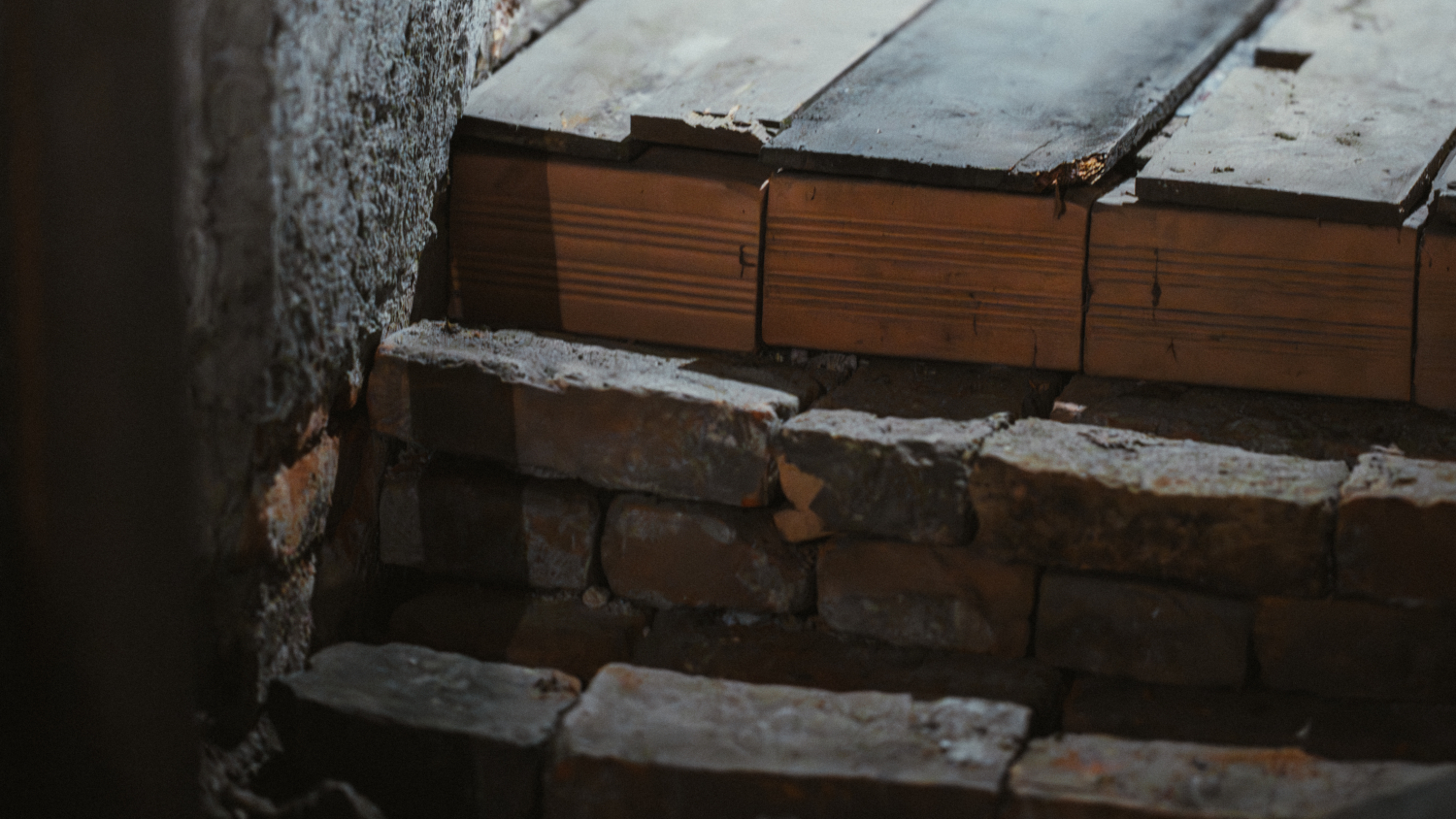
However, it’s urgently necessary to insulate the water pipes in the basement so they don’t freeze (again) in the winter. Julia and Dirk show me the impressive basement, where cleanup work is in full swing: a huge space, high-ceilinged rooms with vaulted ceilings, and artifacts steeped in history. Among other things, stacks of invoices from the old toy production and other documents were discovered, which now need to be properly preserved. But the finds also include remnants of training exercises conducted by the police special unit “ Cobra ” that took place in this basement—including spent shell casings and metal plates with bullet holes.
I can only imagine what discoveries the other floors and buildings hold. And what a tremendous effort it will take to sort through and preserve everything. What a project!
A Support Network
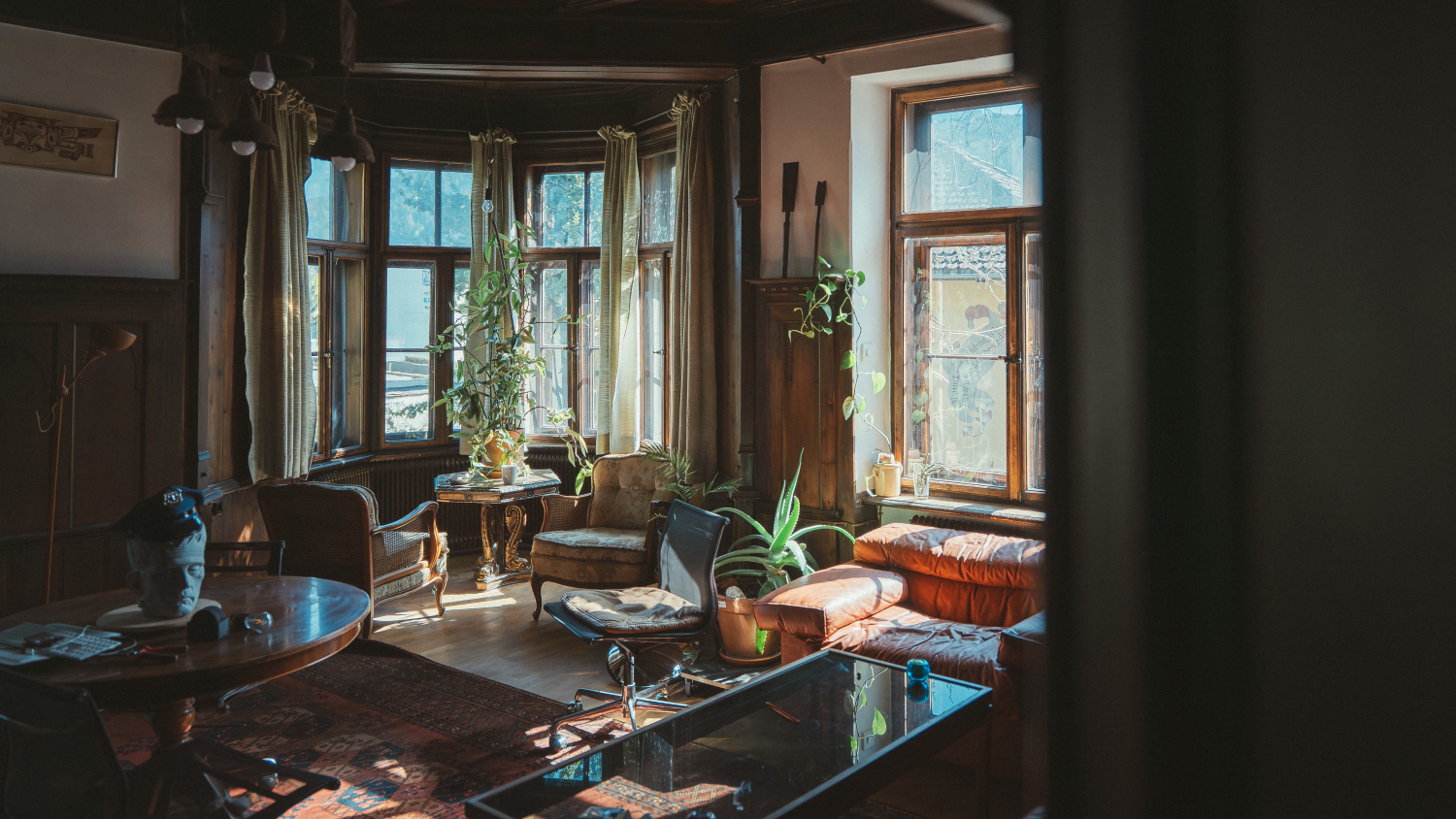
At the opening of the Premierentage, I was able to explore the ground floor as an exhibition space alongside numerous art enthusiasts. While doing so, I noticed suspended emergency exit signs —visible indicators of the extensive regulatory requirements that must be met in order to open to the public.
How was it possible to open this space to the public in such a short time? To me, the answer is both impressive and touching, because much of the work was—and continues to be—done on a volunteer basis:“Unpaid and, above all, priceless work,” as Julia puts it. This is only possible thanks to a wide-reaching network consisting of craftspeople, architects, members of Innsbruck’s cultural scene, dedicated neighbors, and enthusiastic gardeners— all of whom are actively pitching in. Innsbruck—or rather, the people who live here—show what’s possible. A key pillar of the team is Robert Koch, who contributes significantly to the project’s success with his knowledge and craftsmanship. For example, he replaced the glass in most of the broken windows.
Julia and Dirk are personally fully committed to the project, but they also speak of a wave of goodwill and support. Dedicated volunteers pitched in during the summer’s “open garden days”to help create a veritable “blackberry plantation” , provided event technology and in-kind donations, or contributed photos from the past—which are particularly valuable not only for documentation but also for the ongoing work. This has also led to interesting synergies, such as a large fist that was once a prop at the Landestheater and now stands in the courtyard of the Hammerl Areal —one example among many and perhaps a glimpse of what else might be possible.
An Architectural Dream
With the revitalization of the hammerl areals, Julia has taken on a great deal of responsibility. She speaks openly about sleepless nights and the challenges she faces. When I ask her about the site’s unique features, she quickly begins to rave about it. She notes that the central yet noise-protected location, combined with the large inner courtyard and garden, is truly one-of-a-kind. As an architect, she’s particularly drawn to the historic building structure and the natural building materials used. Julia is a specialist in natural lime and hemp-lime, which serves her well in carrying out renovations in accordance with historic preservation guidelines.
Premiere Days: An artistic intervention at the hammerl areal
Since 1998, the Premierentage have provided low-threshold and free access to contemporary art. Around 25 art and cultural institutions in and around Innsbruck invite visitors to exhibitions, guided tours, talks, discussions, and performances.
The request from the “ Premierentage ” for November actually came too early for Julia, but with a lot of dedication, she was able to organize not only an opening celebration but also an artistic intervention—including an exhibition by the Italian conceptual artist Martina Moro —and, in addition, the so-called Artwalks as part of the festival.
In the opening remarks, the Premierentage rightly described as“a fixture in the Tyrolean cultural calendar.”The large and wonderfully diverse audience made for a remarkable start and (in Julia’s words)“the best feedback you could imagine.” The opening ceremony was attended by hammerl areals, everyone who had ever lived here—including members of the “ Oberhauser ” family as well as those from the “ WG ” (a shared living community) from the ’70s—along with many volunteers, neighbors, and (it felt like) the entire Innsbruck art scene had gathered. And everyone was thrilled by the site’s transformation. You can really tell how much this feedback means to Julia and Dirk. They’ve more than earned it.
What's to Come
There are plenty of ideas for the future use of the Hammerl site, and with the Premierentagen a first significant step has been taken toward an exciting future. But first and foremost, the buildings must be winterized.
The initiative’s goal is to create a place where architectural culture, art, crafts, education, science, and social exchange come together. Based on what I’ve learned, I’m hopeful that this will indeed succeed, because the site is in the best of hands. Especially at a time when Innsbruck’s cultural scene is struggling with dwindling spaces, funding, and opportunities, this hammerl areal become a new community hub. I’m convinced that we’ll soon be reading about projects and events here—and in all the region’s event calendars— hammerl areal. The anticipation is high.
I’d like to thank Julia and Dirk for their time and support in putting this article together. I wish them all the best—and above all, may they always find more solutions than problems.
Information
- hammerl areal, Karmelitergasse 12, 6020 Innsbruck, Instagram @hammerl.areal
- Premierentage – Festival for Contemporary Art, www.premierentage.at
- “Wachgeküsst,” article in 20er – *Die Tiroler Straßenzeitung* by Theresa Girardi (September 2026)
Show me the location on the map

A Tyrolean girl, graphic designer, blogger and tour guide with a variety of interests and a weakness for nice people, culture, starry night skies, one more beer and the mountains.
Similar articles
At the end of October, folk music fills many squares and alleys in downtown Innsbruck. And…
A once-in-a-lifetime opportunity to delve into spatial concepts from the past 150 years is on view through…
Anyone who attended the 2019 premiere of the play “Verkaufte Heimat” at the Tiroler Volksschauspiele will feel…
A very special kind of museum recently opened its doors in Zirl. It showcases the driving…