13 October 2026
#
Post originally written in: Deutsch Information An automatic machine translation. Super fast and almost perfect.

A once-in-a-lifetime opportunity to delve into spatial concepts from the past 150 years is on view through the end of October at “aut,” the Innsbruck Architecture Center. "Rebuild: Figures of Space"That is the title of this exhibition, which is well worth seeing. 

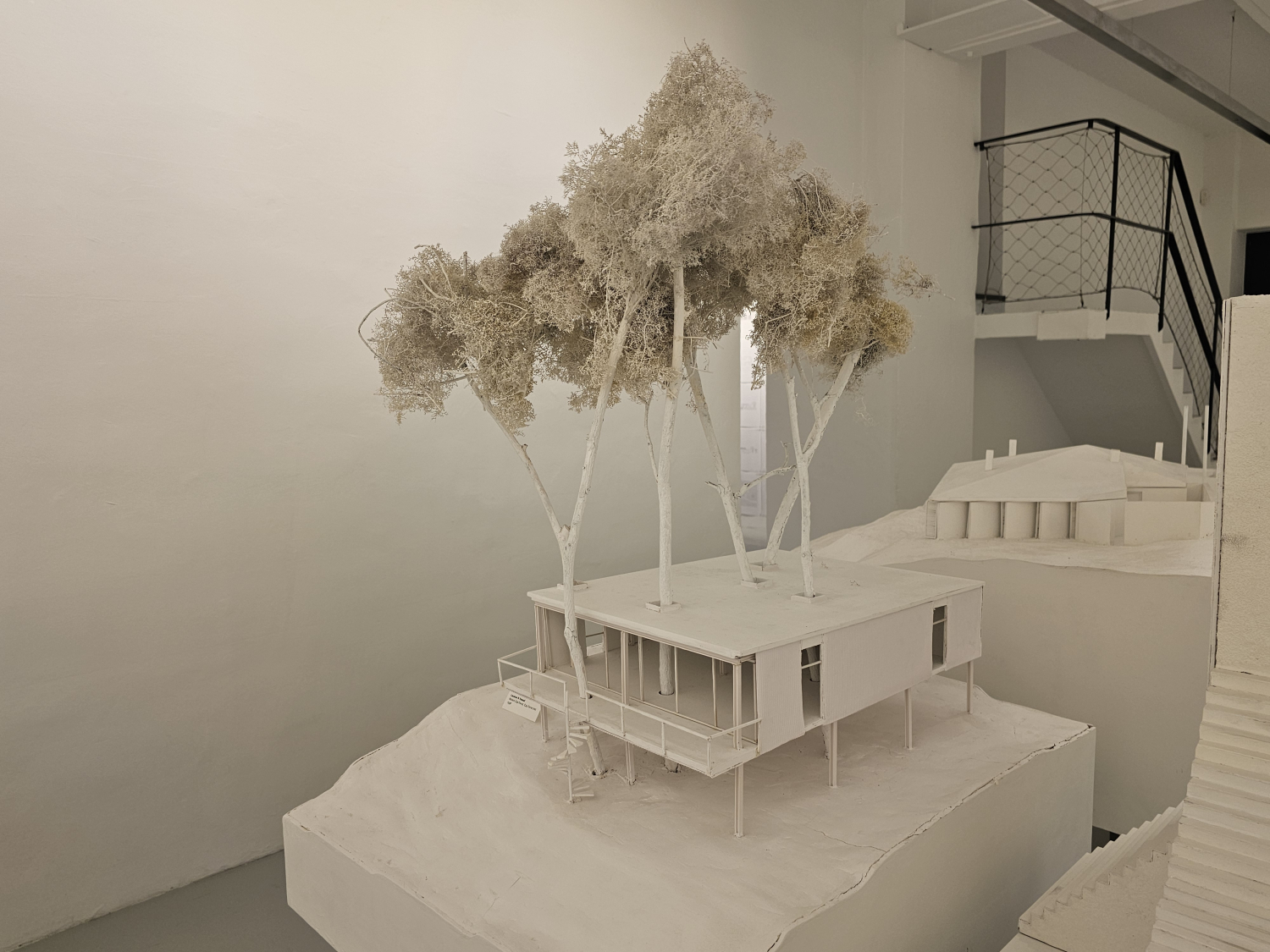
Here, you’ll not only see meticulously detailed models of magnificent buildings, but also learn all sorts of fascinating facts. For example, what is a “ Trabucco ”? Who designed the famous house with trees growing through it? Some models look familiar—where have we seen them before? In a movie? Answers to these questions and many more fascinating insights and unexpected perspectives await you right now at “aut.” Incidentally, the exhibition venue itself is an architectural highlight in Innsbruck. The building, formerly the Adambräu brewery, dates back to the 1920s. Originally designed by Lois Welzenbacher, it was revitalized in the early 2000s. 

64 Single-Family Homes from the Last 150 Years

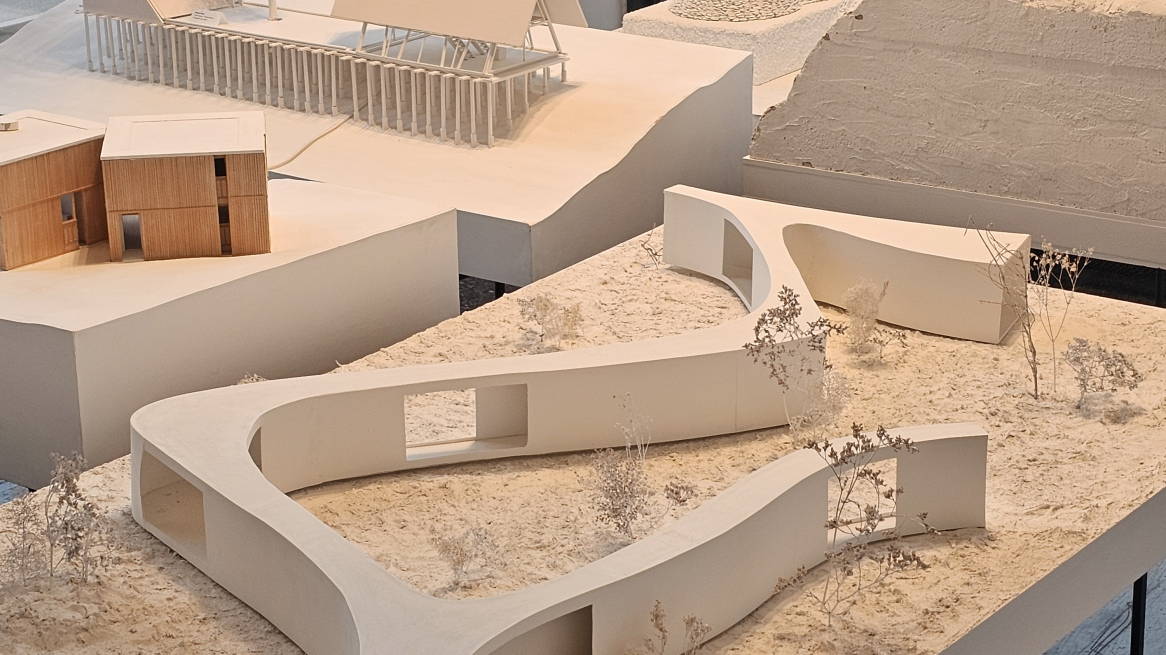
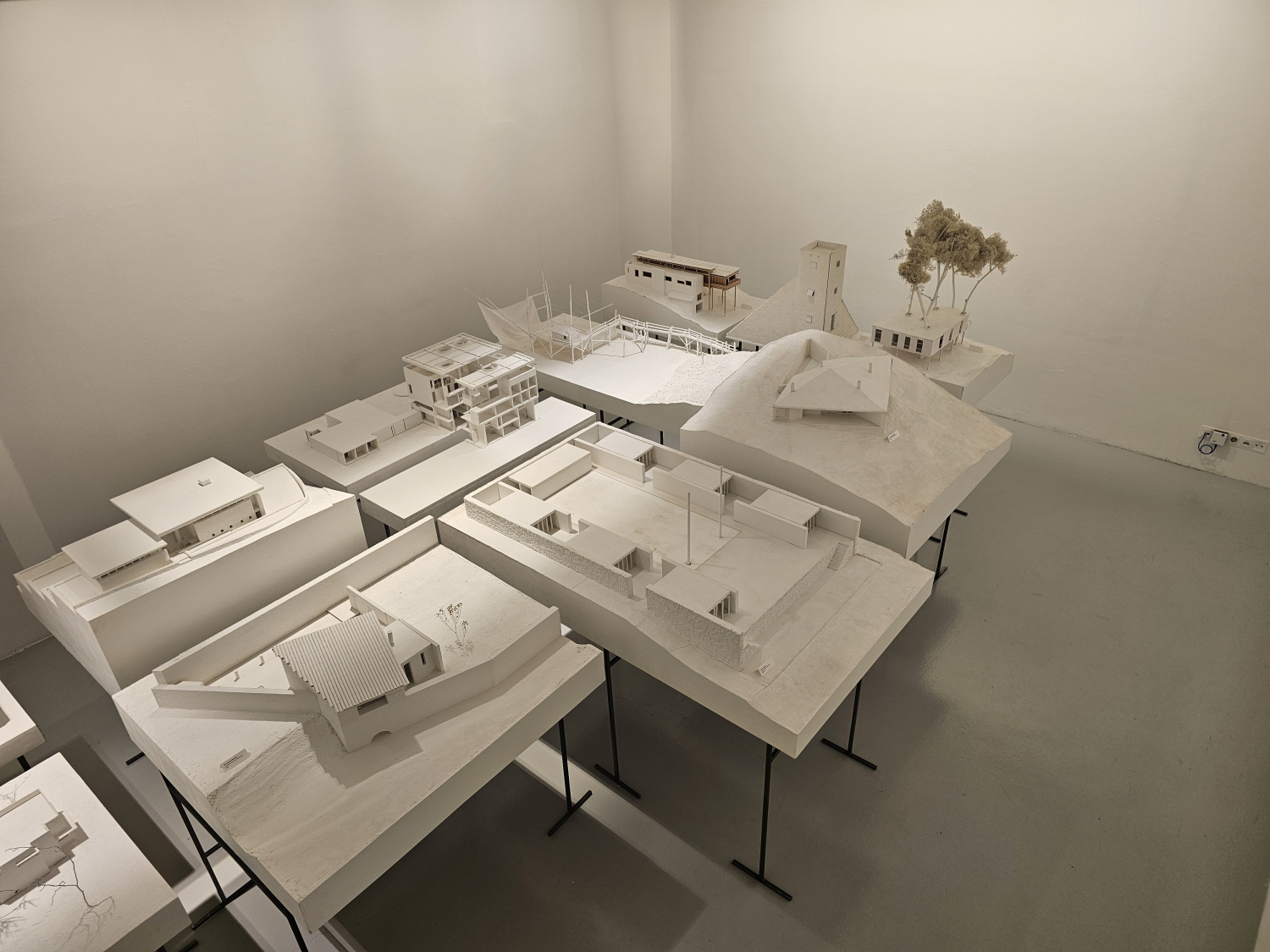
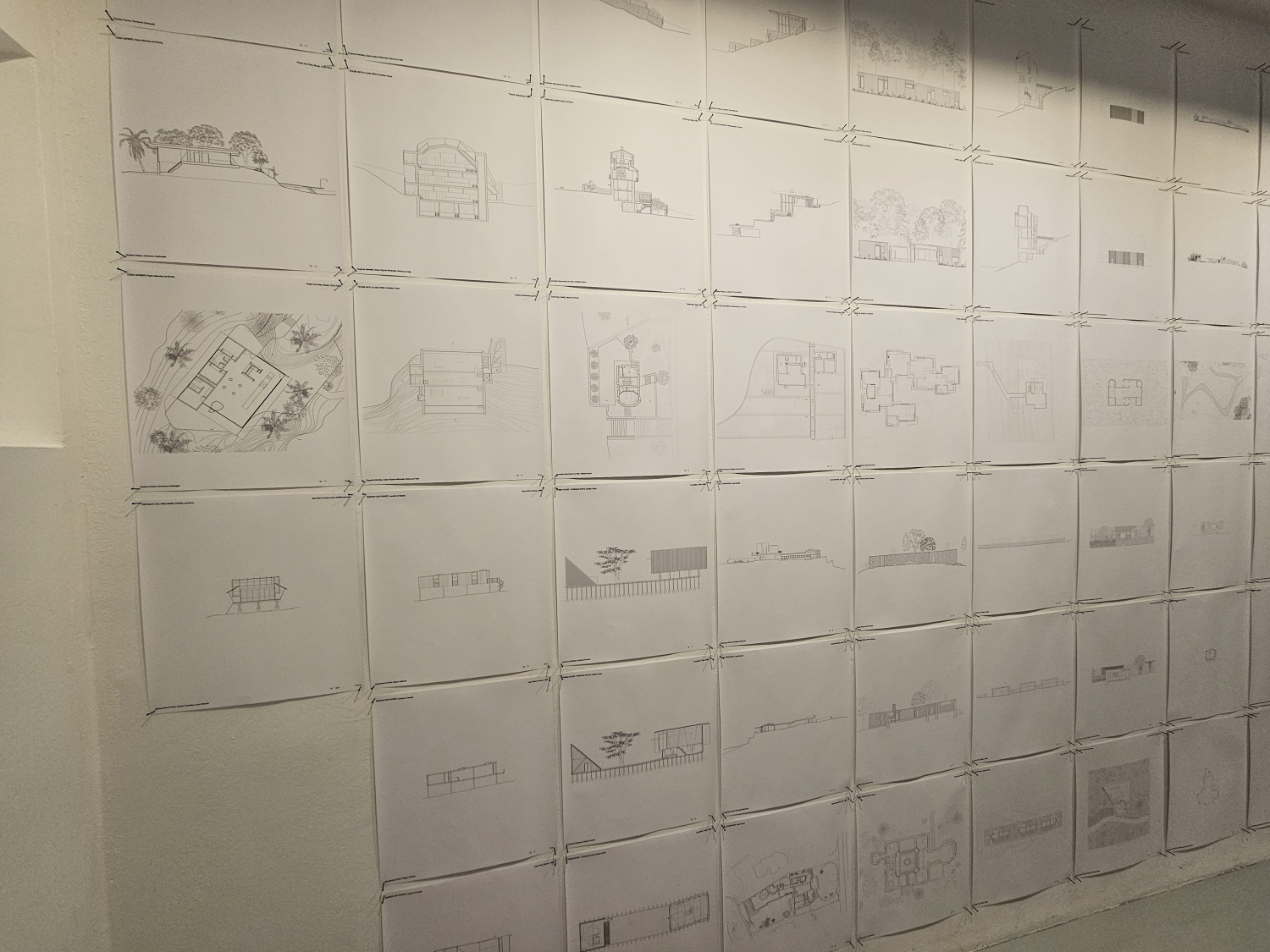
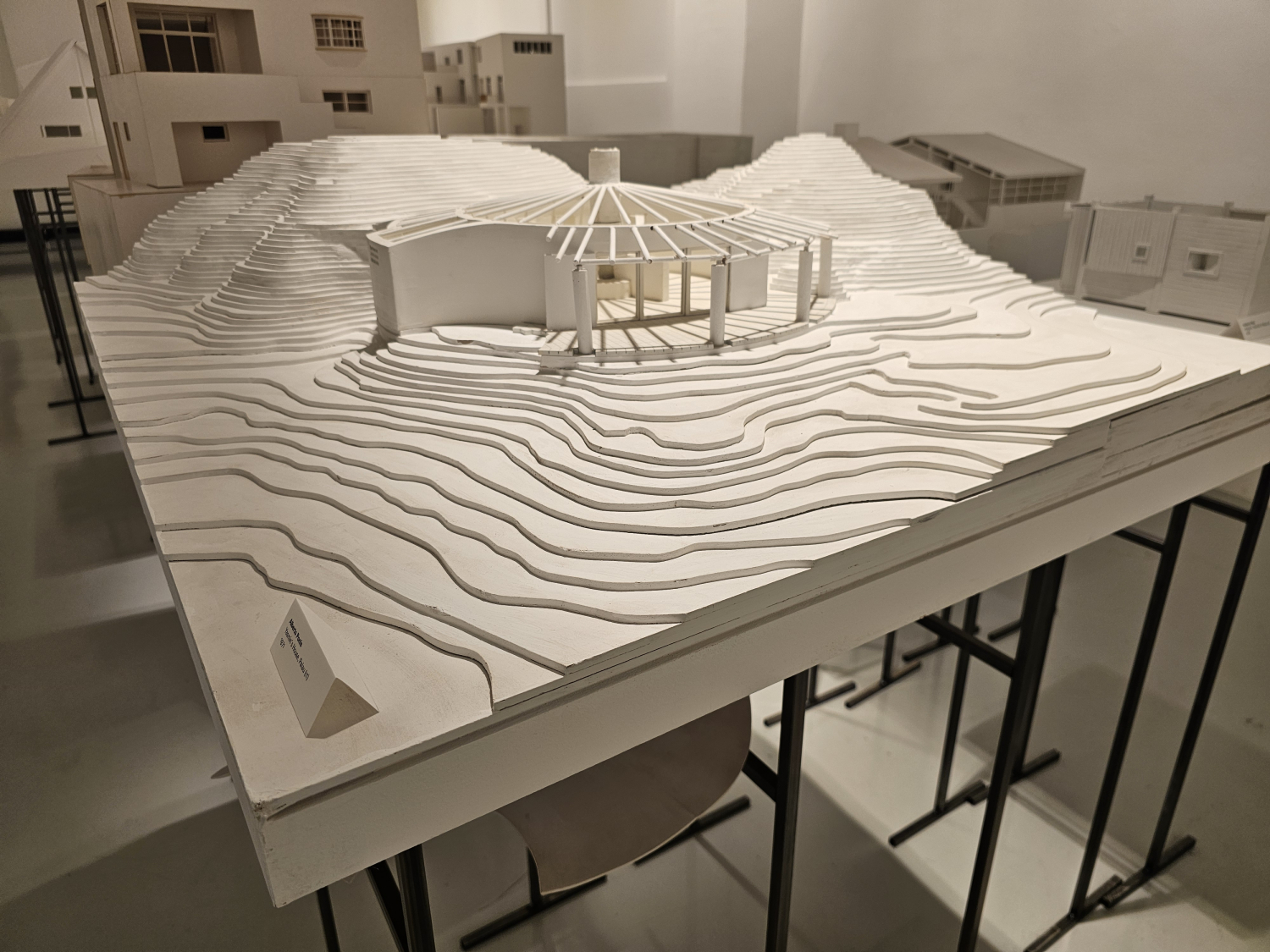
What’s there to see? Architecture students have built 64 models of single-family homes from various contexts of the 20th and 21st centuries. In addition, the redrawn accompanying plans offer fascinating insights into the creation of the buildings. The idea came from the studio Walter Angonese, whichdeveloped this exhibition at the USI - Accademia di architettura in Mendrisioas part of their coursework.

Famous Architects and Anonymous Creators

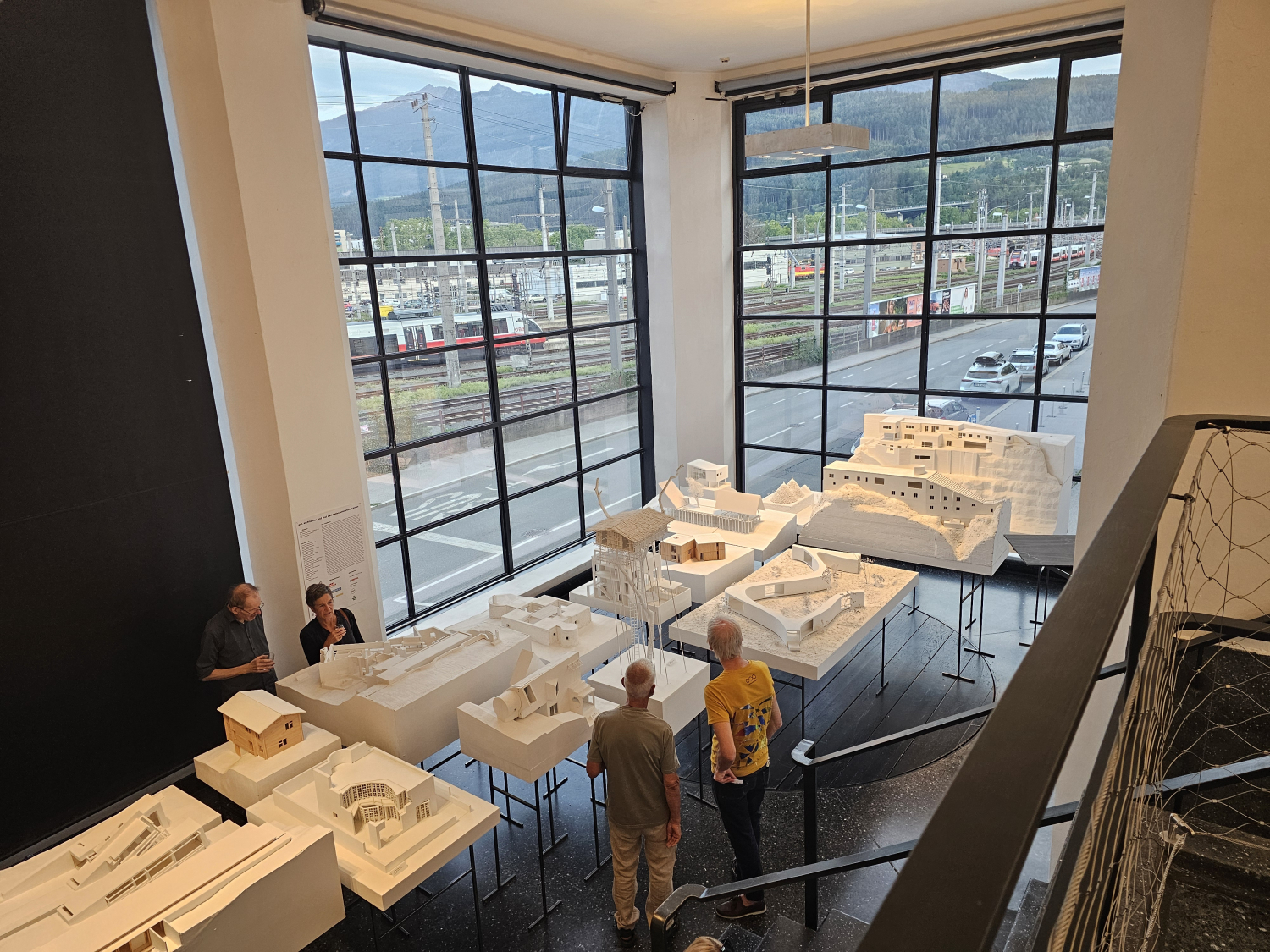
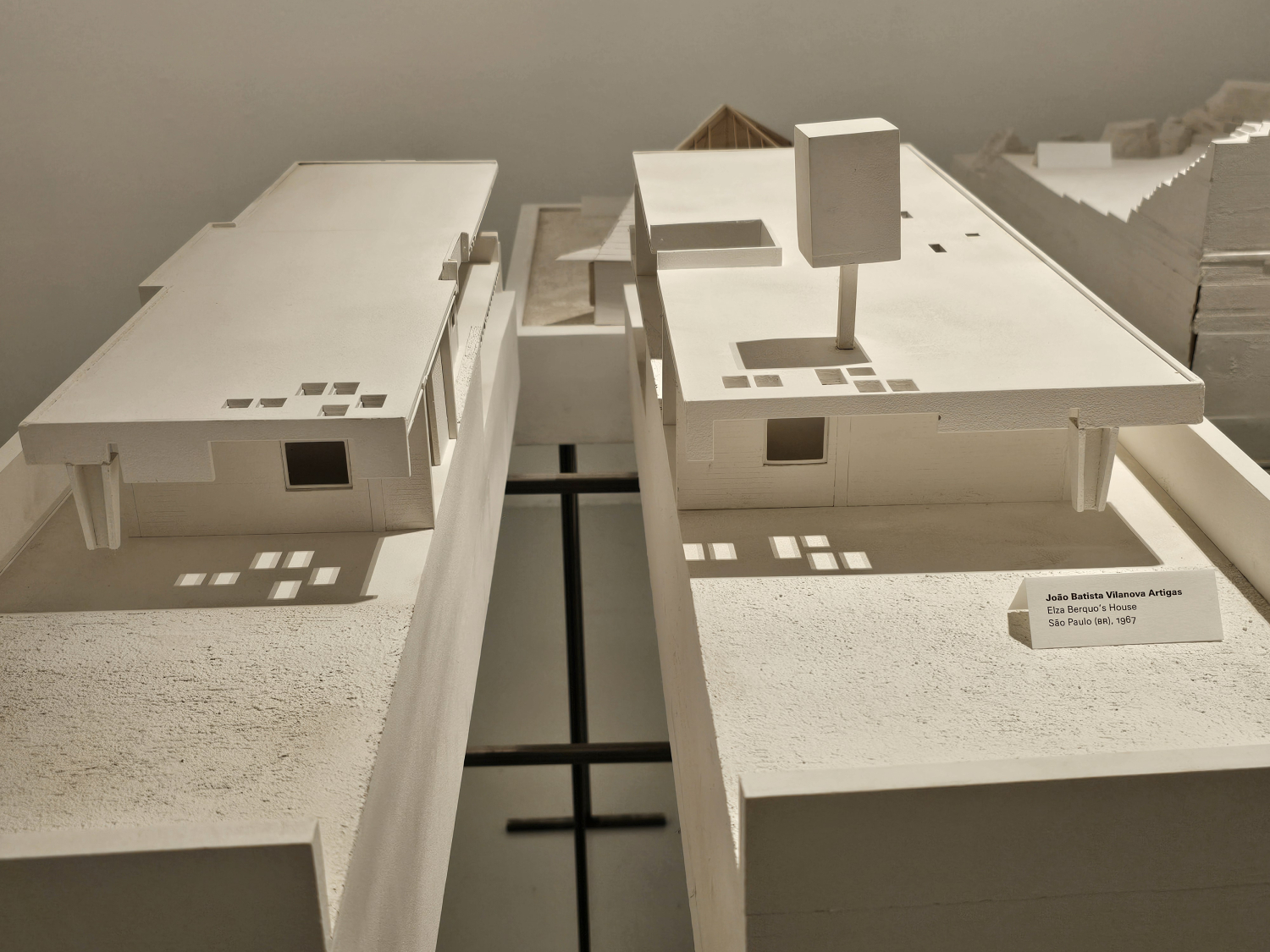
This involves the students’ in-depth, empirical engagement with each design. The result is now approximately 150 analyzed projects. Of these, 64 selected ones were brought to Innsbruck. In an impressive exhibition, we encounter the models, precisely crafted on a scale of 1:20 or 1:33.

The designs are largely by renowned architects such as Le Corbusier, Adolf Loos, Álvaro Siza, Alvar Aalto, and Peter Zumthor, to name just a few. But the exhibition also features remarkable works by anonymous creators.

Trabucco: Architecture of the Adriatic Coast

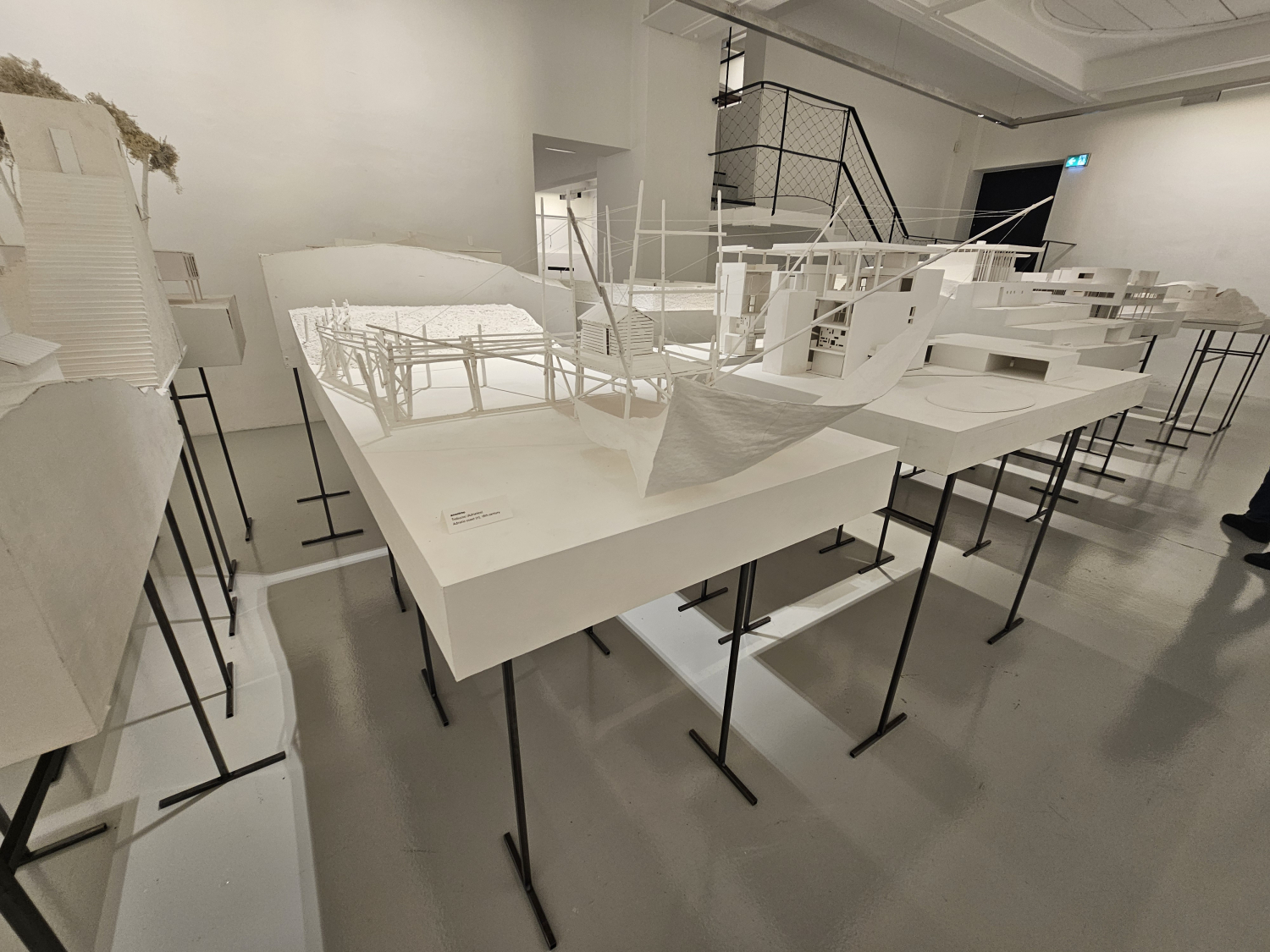
It’s not just the exhibition’s visual appeal that’s interesting. You also learn about some curious terms. The answer to the question I posed in the introduction: “ Trabucco ” is a traditional wooden fishing structure on the Adriatic coast that extends from the shore out into the sea.  A large net was lowered into the water using a rope winch system, allowing fishing to take place without a boat.

Today, many of these structures are listed as historic landmarks or have been converted into unique seafood restaurants. Anyone taking a detour from Innsbruck to the Adriatic Sea might just discover them. 

New connections and relationships emerge from the arrangement of the projects

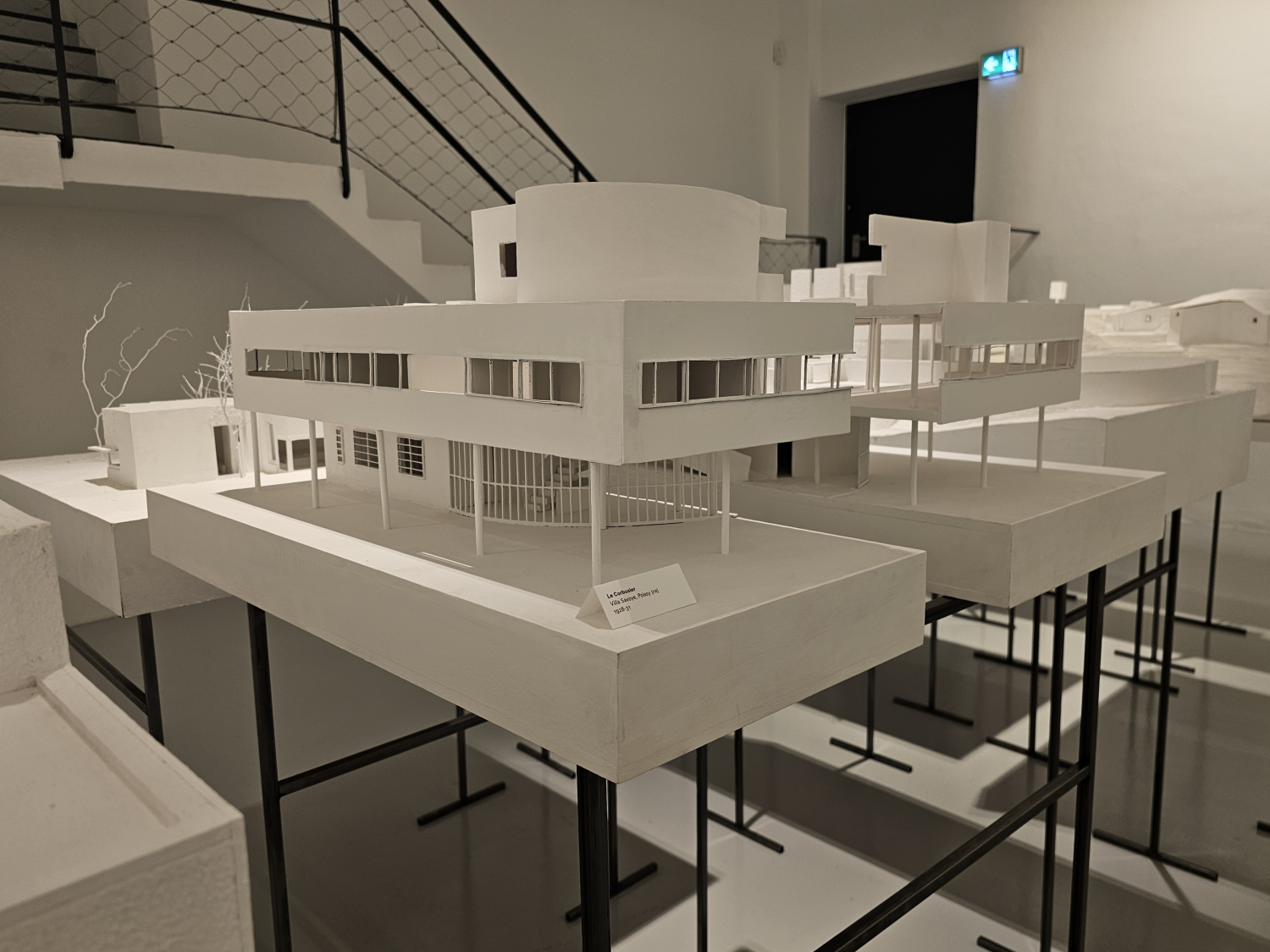
To gain a better understanding of the spatial concepts and to make the intent behind the design more accessible to viewers, some of the models—such as Le Corbusier’s “ Villa Savoye ” shown here—have been cut open. 

The arrangement of the mostly white models is deliberately neither chronological nor biographical. This creates new and fascinating connections between the most diverse designs, transcending time and geography.

Fascinating Insights into Research

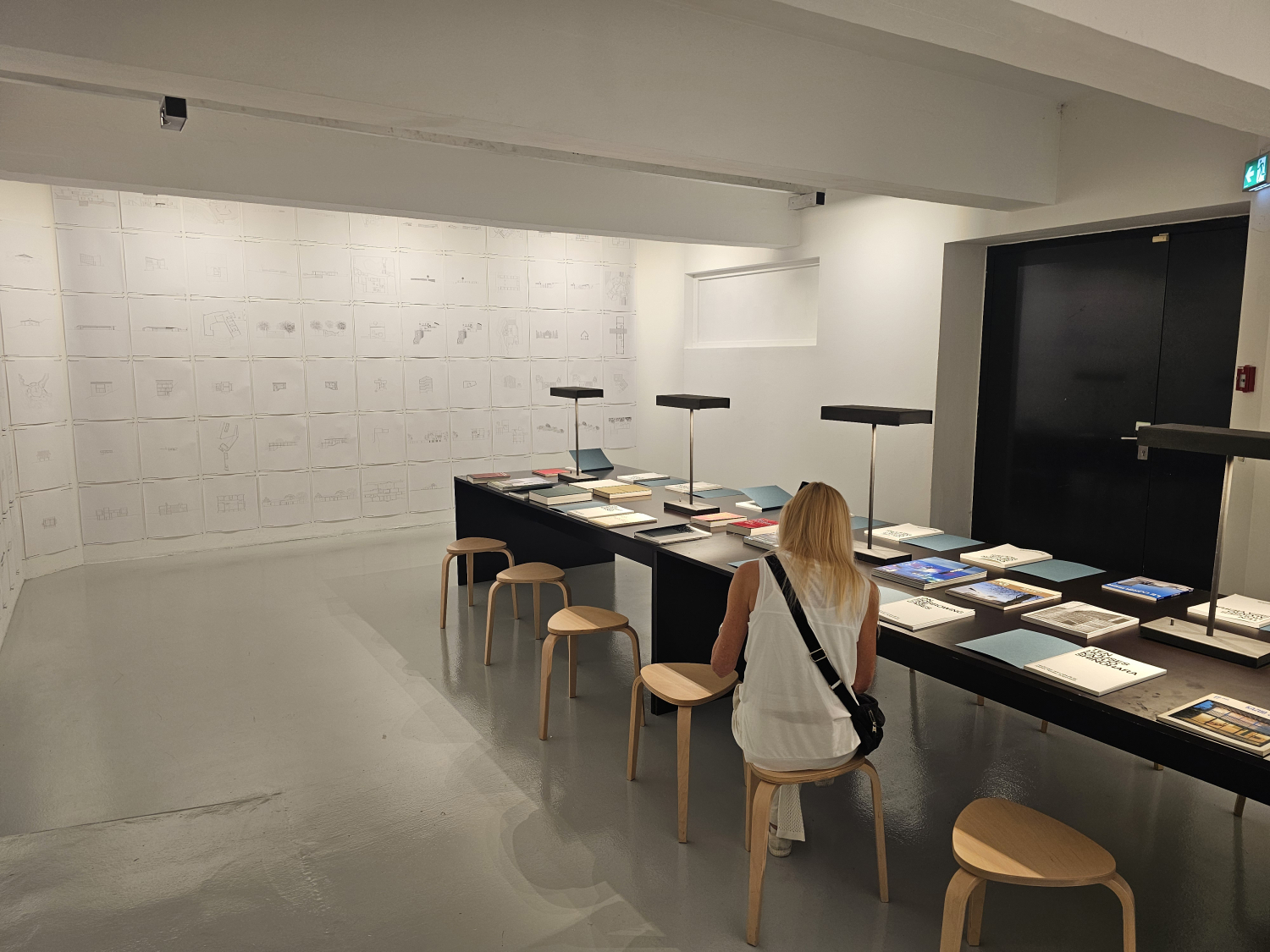
In the project room, there are notebooks containing the students’ compiled research, which provide us with very interesting insights into their engagement with the individual works. 

I also find the complex interplay of the traced plans—in the form of floor plans and cross-sections on the walls—to be very beautiful and well-executed; precisely because of their simple presentation, they have a very inspiring and stimulating effect. 

Architecture and the Environment

The residential building designed by Anne Lacaton and Jean-Philippe Vassal on the shores of Lake Arcachon in France was centered on preserving nature. All the trees were preserved, and the house hovers above the ground on a structure of stilts sunk eight to ten meters into the ground. The trees were integrated into the building and grow right through it, creating a direct connection between the house and the forest.

In the Footsteps of Brigitte Bardot

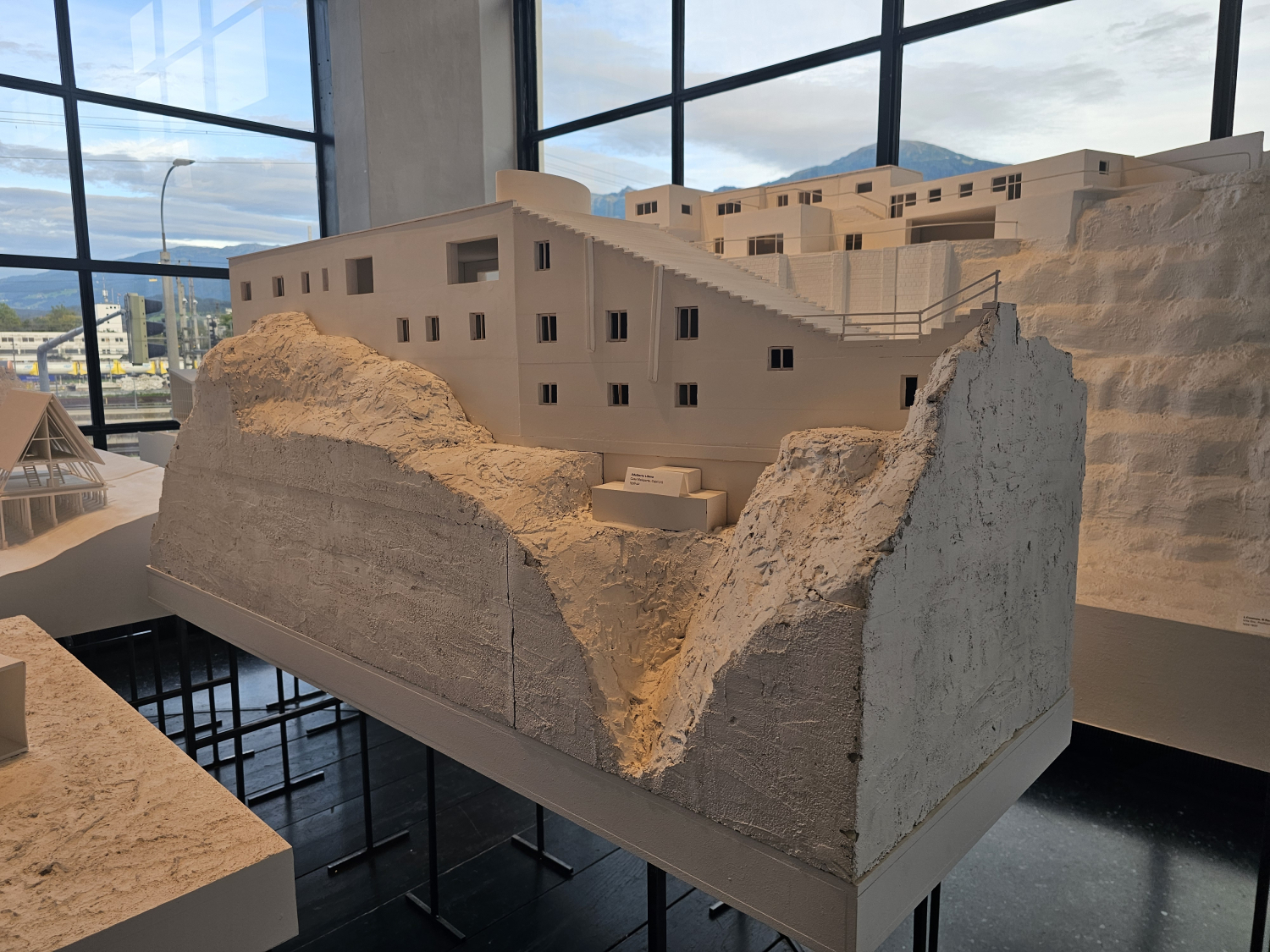
Villa Malaparte, on Capri, became known worldwide primarily through Jean-Luc Godard’s masterpiece *Contempt* ( Le Mepris, 1963), starring Brigitte Bardot and Michel Piccoli. It, too, was modeled for the exhibition at the Architecture Center and enriches the selection of residences on display.

My conclusion: The exhibition is well worth seeing and inspiring. I definitely recommend visiting it and setting aside plenty of time to enjoy this great variety and let it sink in.Have fun!

Similar articles