21 August 2026
#
Post originally written in: Deutsch Information An automatic machine translation. Super fast and almost perfect.

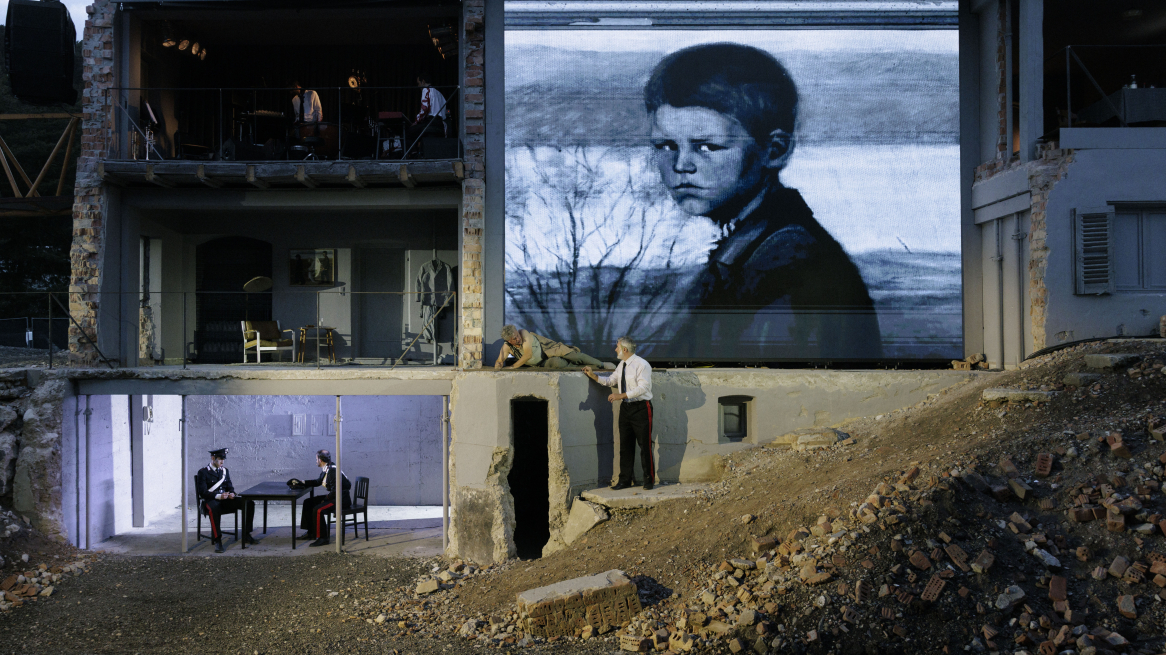
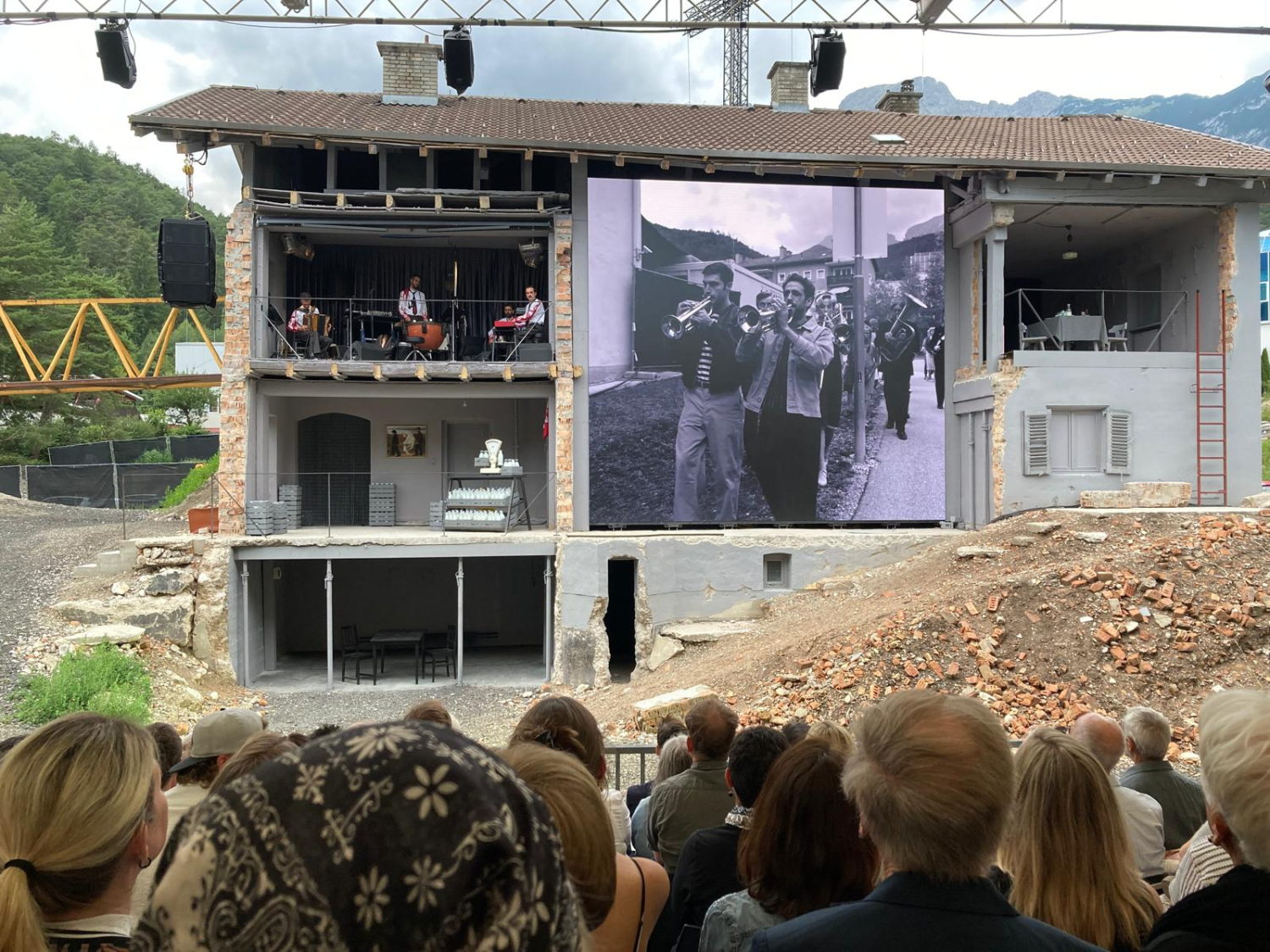
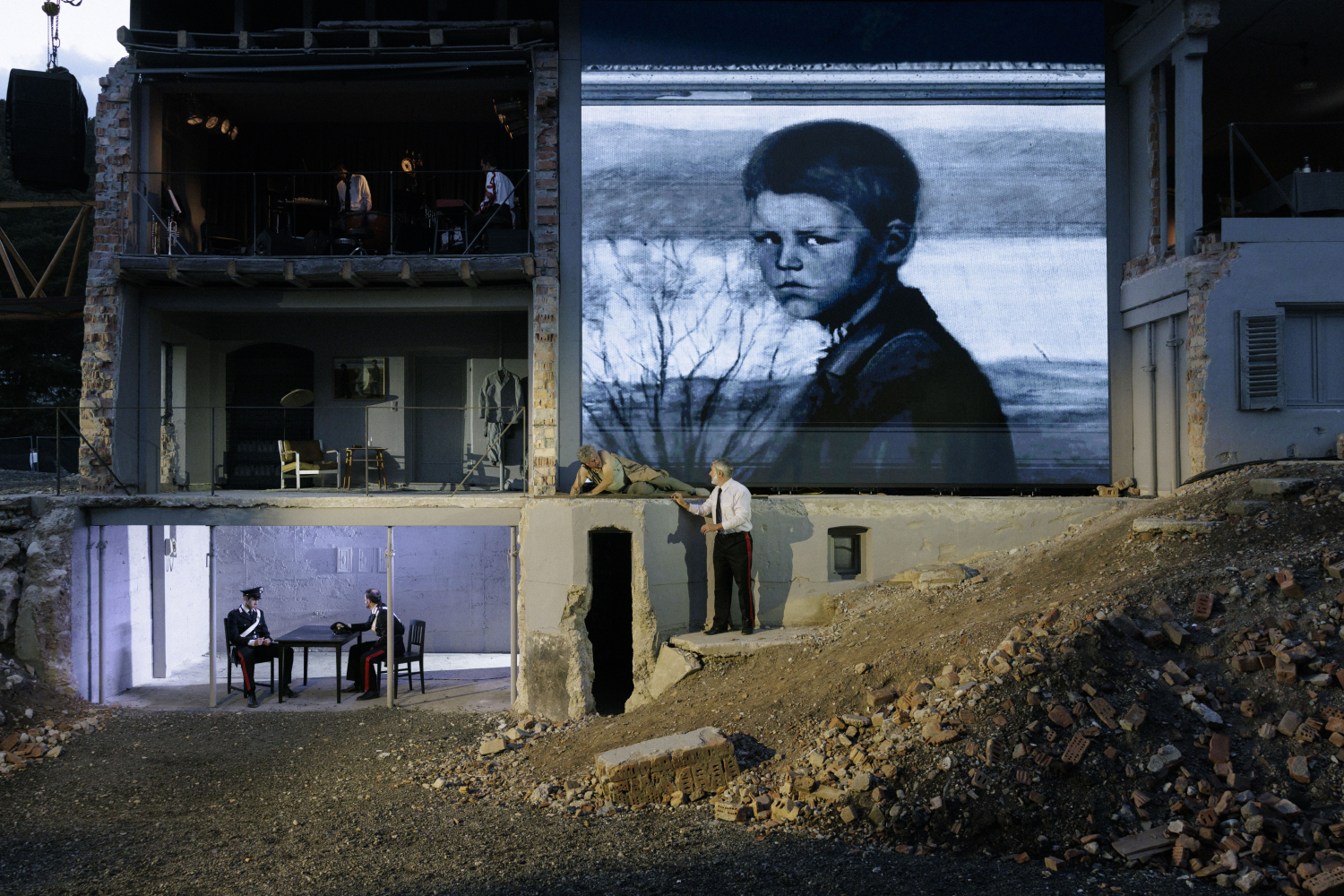
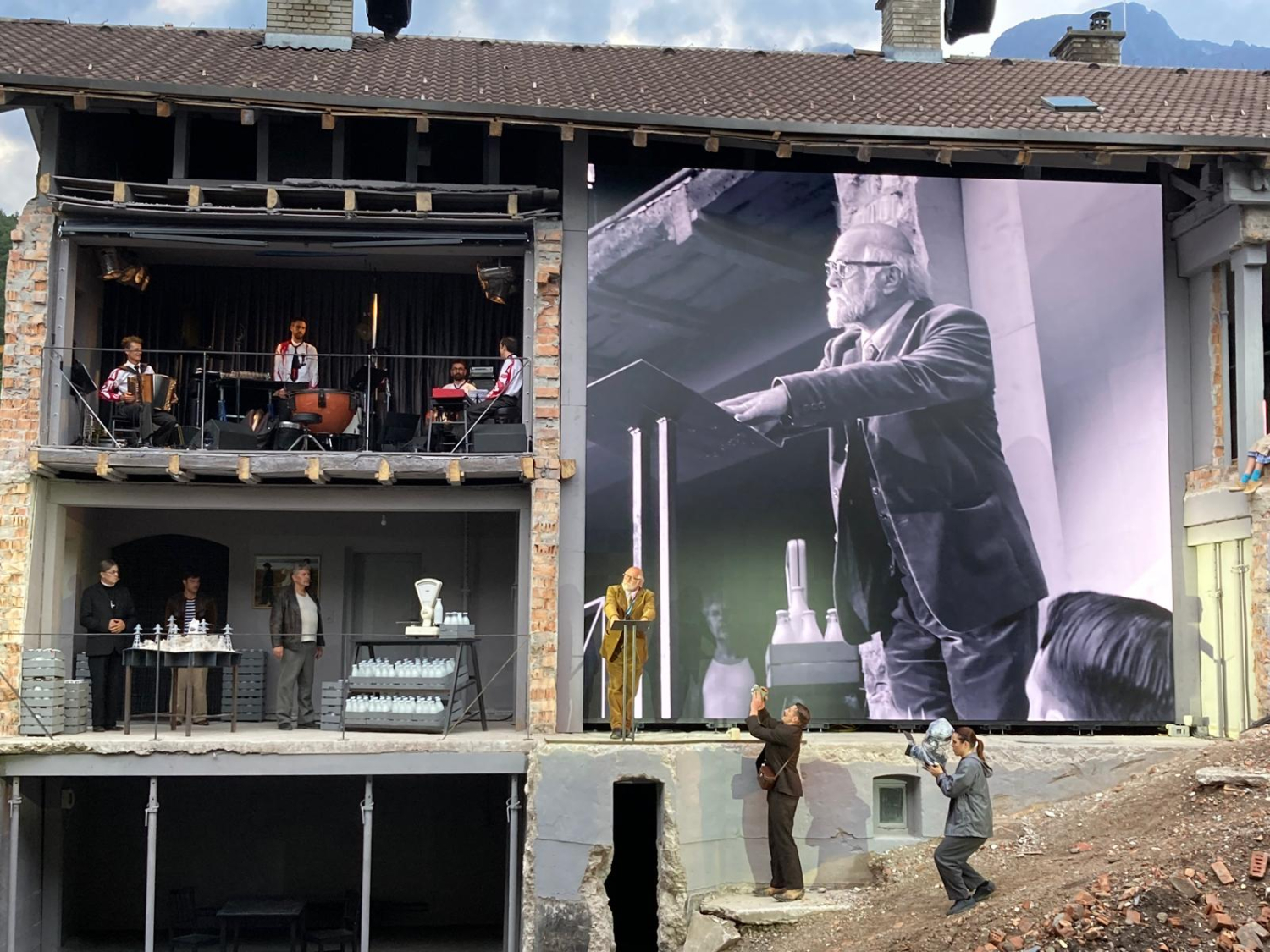
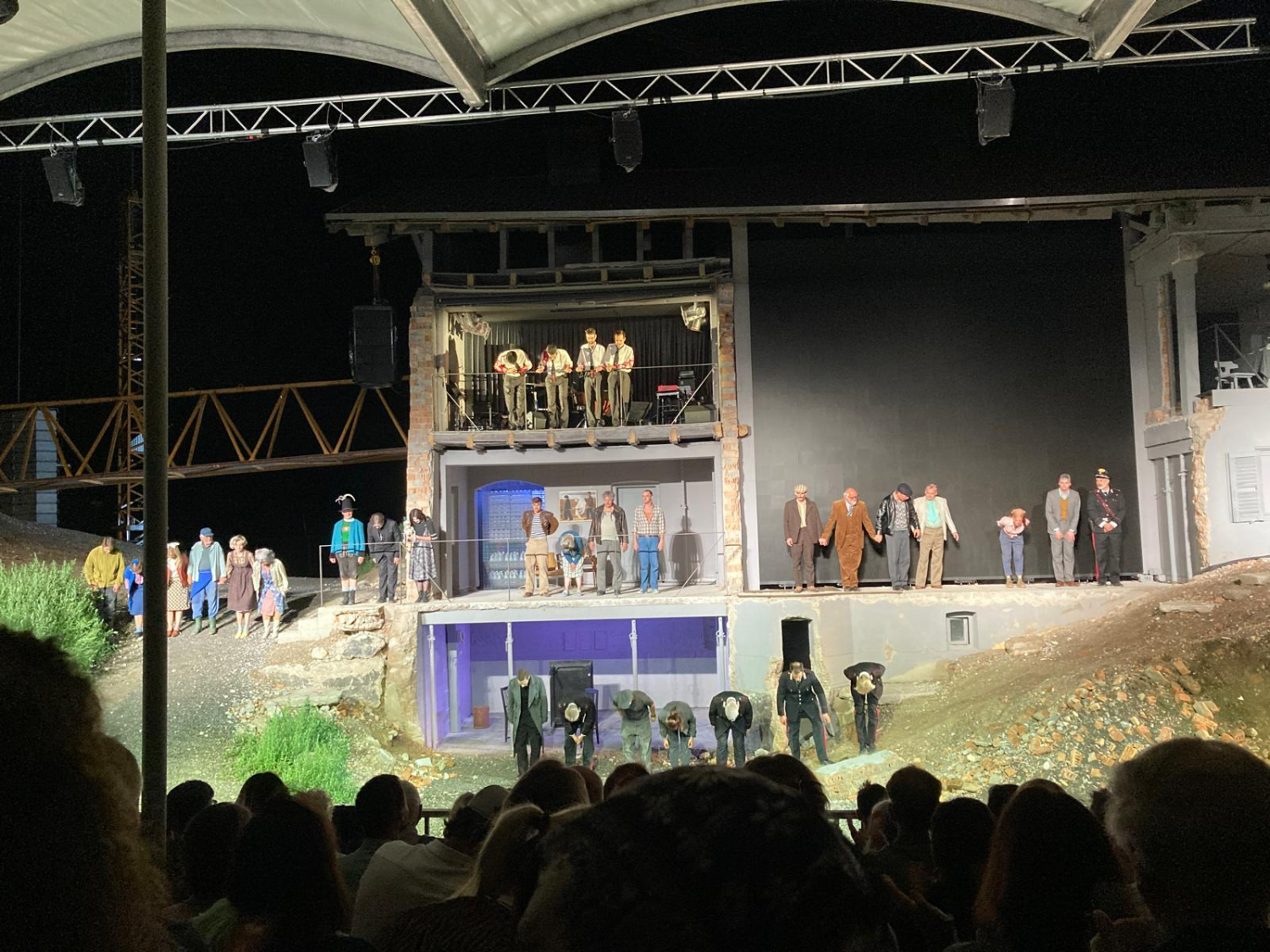
Anyone who attended the 2019 premiere of the play “Verkaufte Heimat” at the Tiroler Volksschauspiele will feel a sense of familiarity upon entering the grounds: Once again, a derelict building (the last one) in the South Tyrolean settlement north of Telfs serves as an open-air setting.

Spectacular Stage

With “Feuernacht,” the Tiroler Volksschauspiele are bringing the sequel to this historical epic to the stage this year. The play is based on the third part of the TV miniseries “Verkaufte Heimat” by Felix Mitterer and was adapted for the stage Peter Lorenz for the stage.

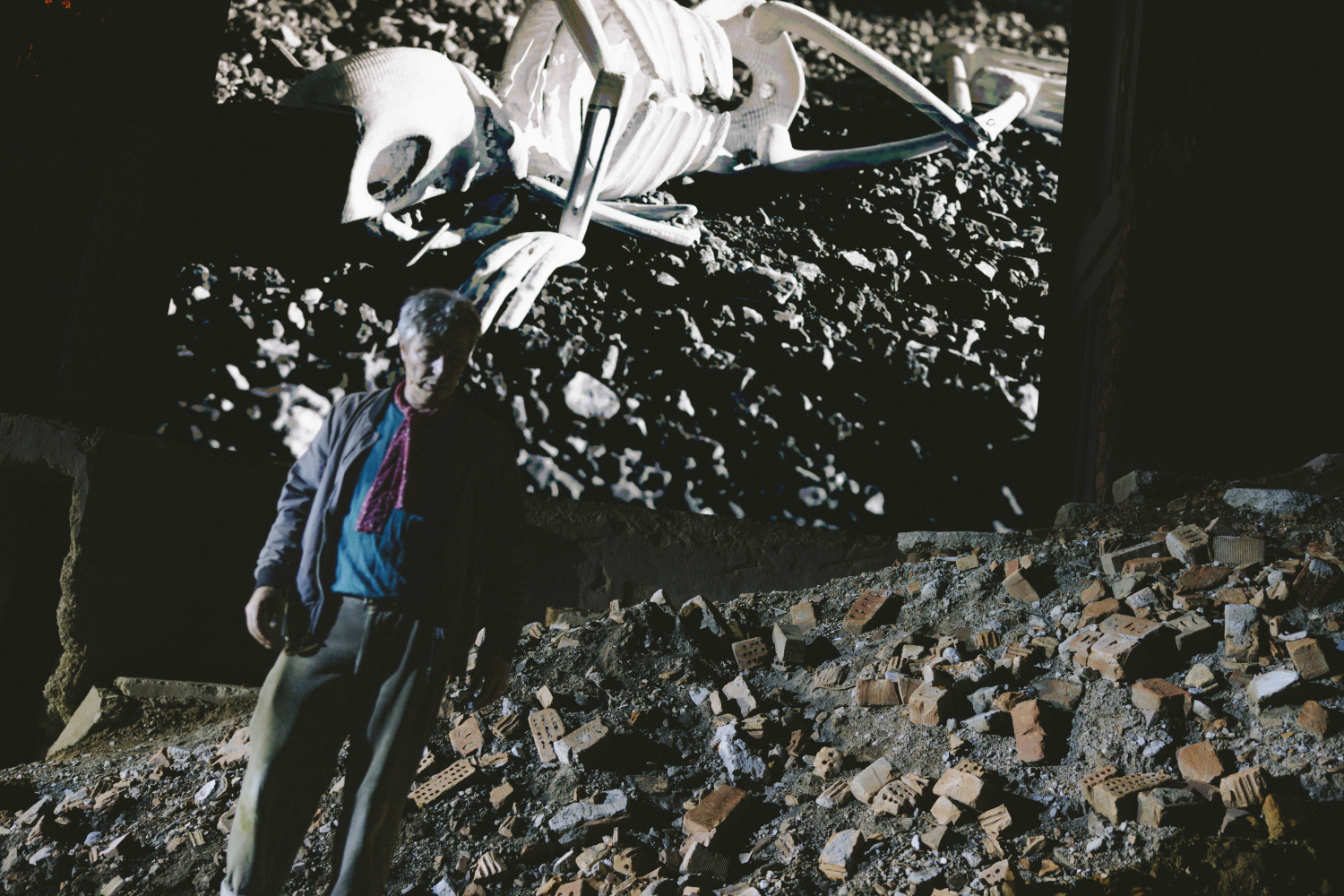
The choice of location could not be more symbolic: Throughout Austria, South Tyrolean settlements were built from the ground up during World War II. These were intended to house the “Optants” —that is, those South Tyroleans who wanted to leave the region ruled by the Fascists. As a building slated for demolition (it is making way for a social housing project), the structure symbolizes the loss of home, a world that has crumbled, and the loss of identity experienced by those who left the country and were unable to return.

The Night of Fire

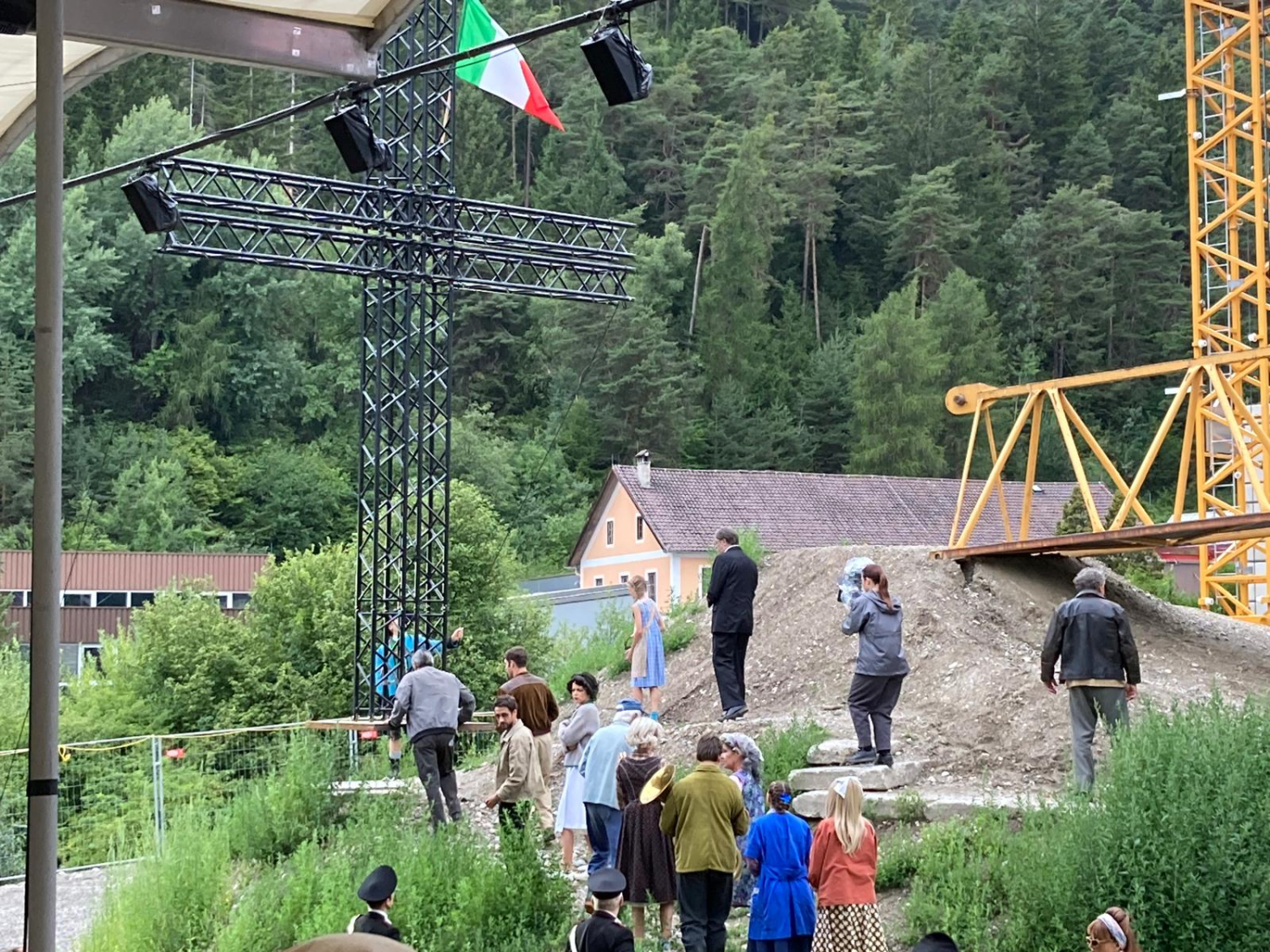
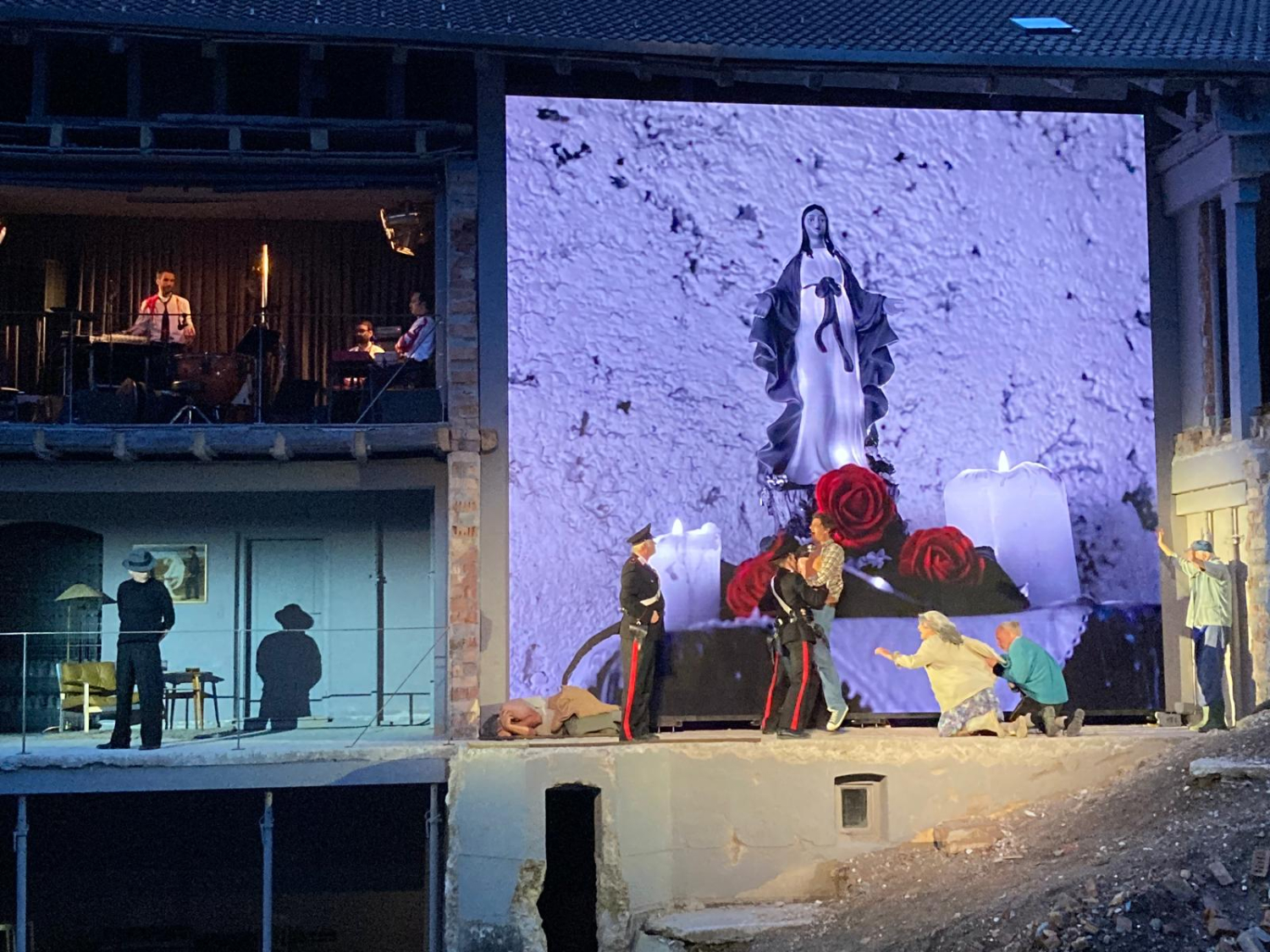
While *Verkaufte Heimat* dealt with the period beginning in the 1930s in South Tyrol and the consequences of Italianization, Fascism, and National Socialism, as well as developments after World War II, “Feuernacht” focuses on the dramatic events of the early 1960s. The story centers on the night of June 11–12, 1961, when activists from the South Tyrolean Liberation Committee (BAS) blew up power poles throughout the region to underscore their demand for self-determination.

The story is complex: It revolves around claims to self-determination under international law and a spiral of violence that culminated in torture and life sentences for the so-called “Bumser.”  And throughout the performance, one can’t help but wonder whether audience members without a solid historical background will be able to keep track of all 30 scenes.

Family Stories

The story centers on three families: the Rabensteins —father Sepp (Lukas Lobis) and mother Kathi (Brigitte Jaufenthaler), along with their sons Alfons (Lenz Moretti) and Peter (Daniel Klausner)—are just as shattered by the aftermath of the Night of Fire as the Tschurtschentaler. While Sepp is arrested and severely tortured and Alfons becomes a traitor, Hermann Tschurtschentaler (Markus Oberrauch) manages to escape across the Brenner Pass. Sentenced to life in prison, he can no longer return to South Tyrol. His son Toni (Freddy Redavid) dies as a result of betrayal. Here, too, his wife Paula (Lisa Laner) is left behind with their young daughter (Anna-Lena Mair).

In the Magalone family, German-speaking Anna (Lisa Hörtnagl) and Ettore (Lukas Spisser), a member of the “ Carabiniere,” find themselves caught between two stools and caught in the crossfire: Their son Andrea (Fabian Mair Mitterer) sides with the “Italian fatherland” and works as an informant for the secret service.

Gender roles are clearly defined: While the men drive the plot forward through acts of sabotage and radicalization, the female characters are usually left with the role of warning others about the consequences of violent resistance.

Between Rubble and High Tech

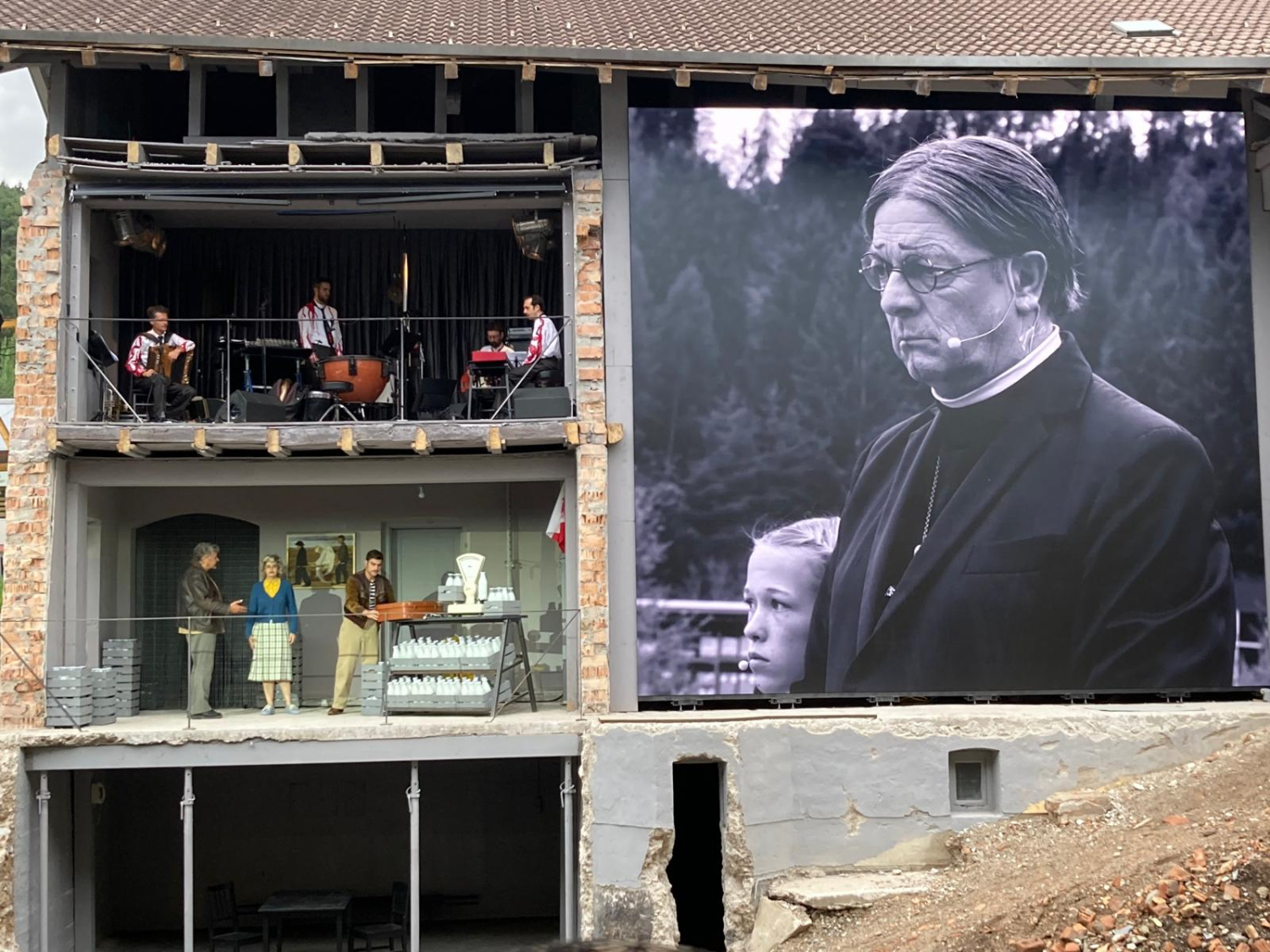
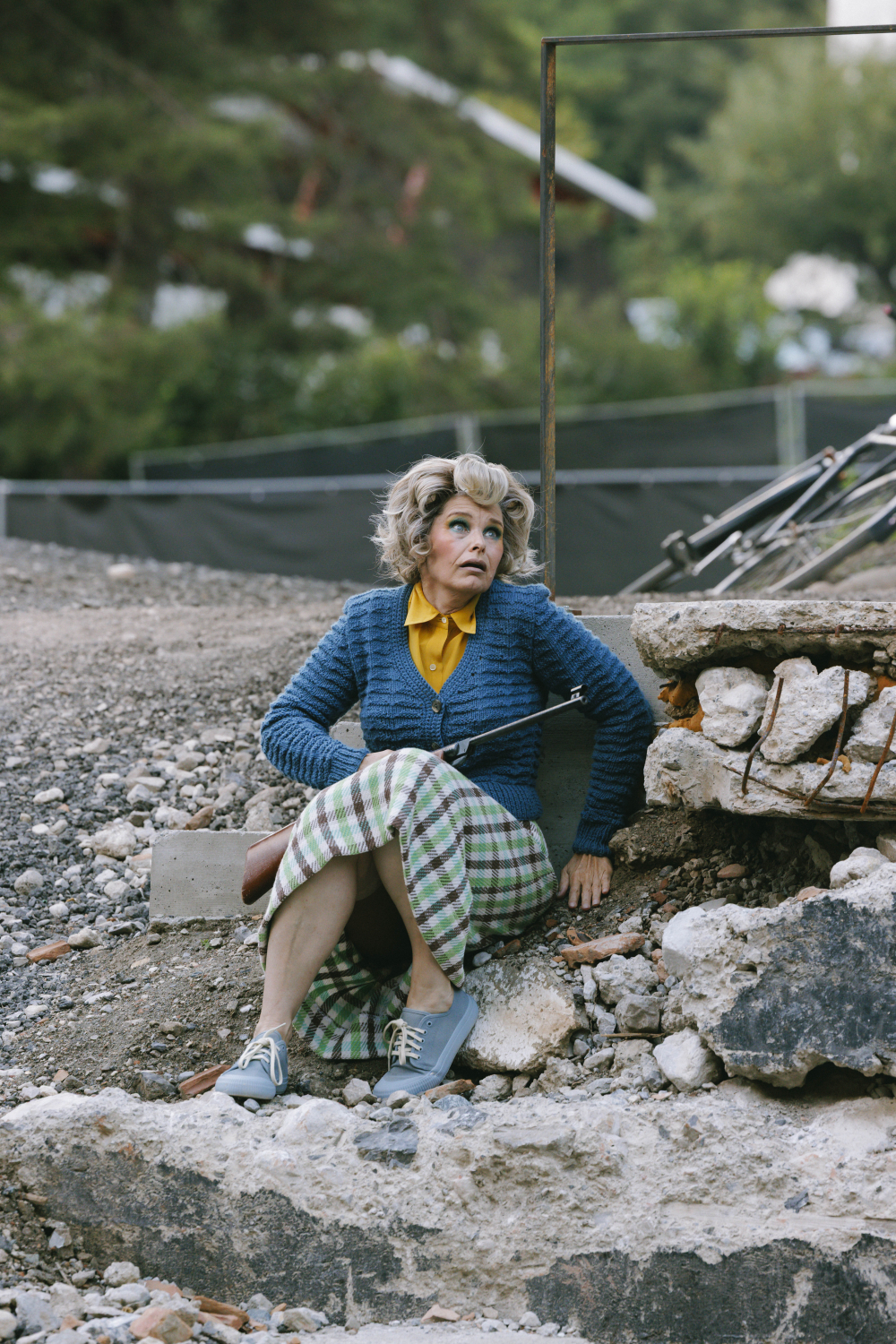
On top of that, there’s a whole host of other characters—from the pastor to a poor Italian woman, to marksmen and farmers. With over 30 actors and shifting settings, it takes a while before you can reliably identify the characters’ roles, family ties, and relationships with one another.

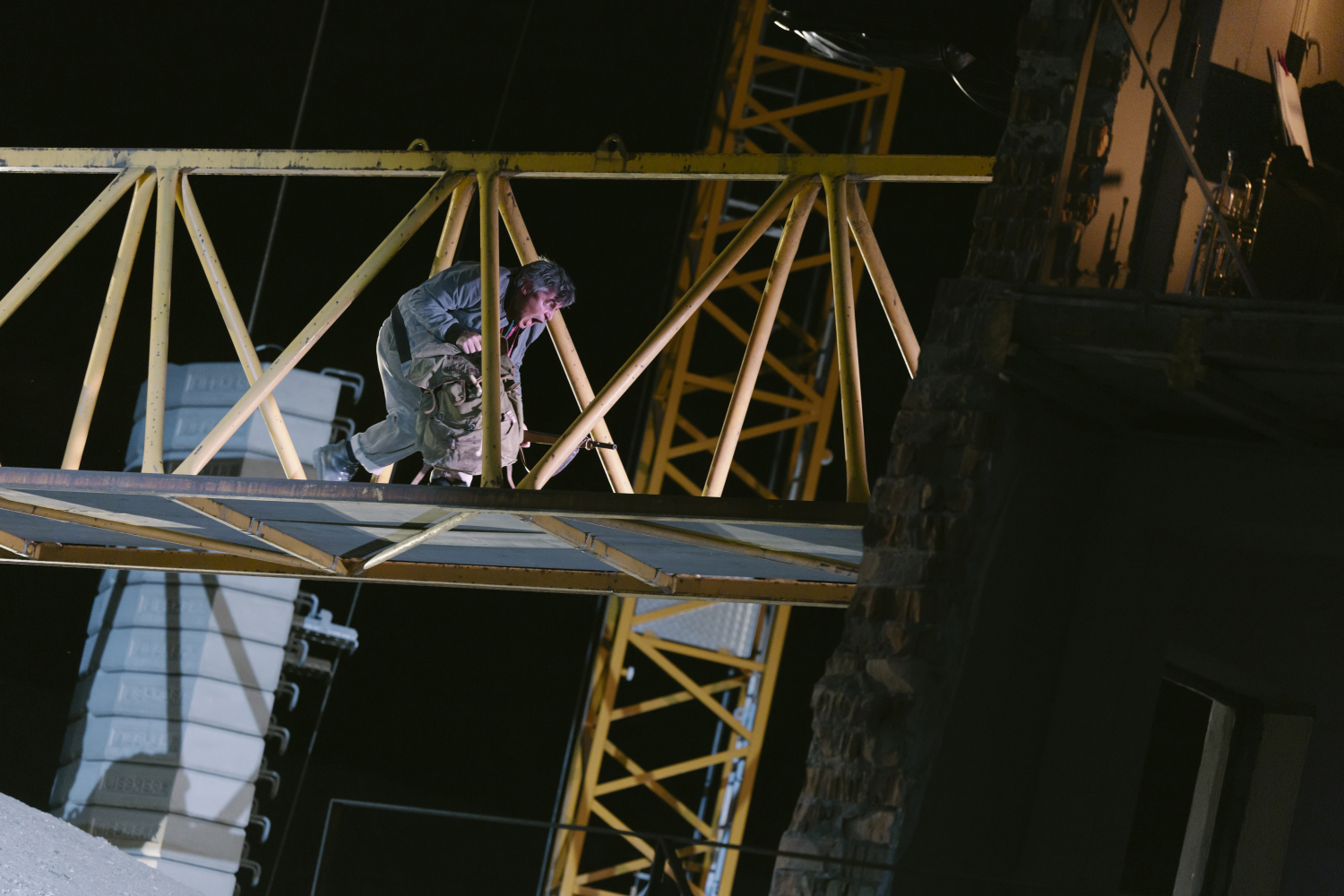
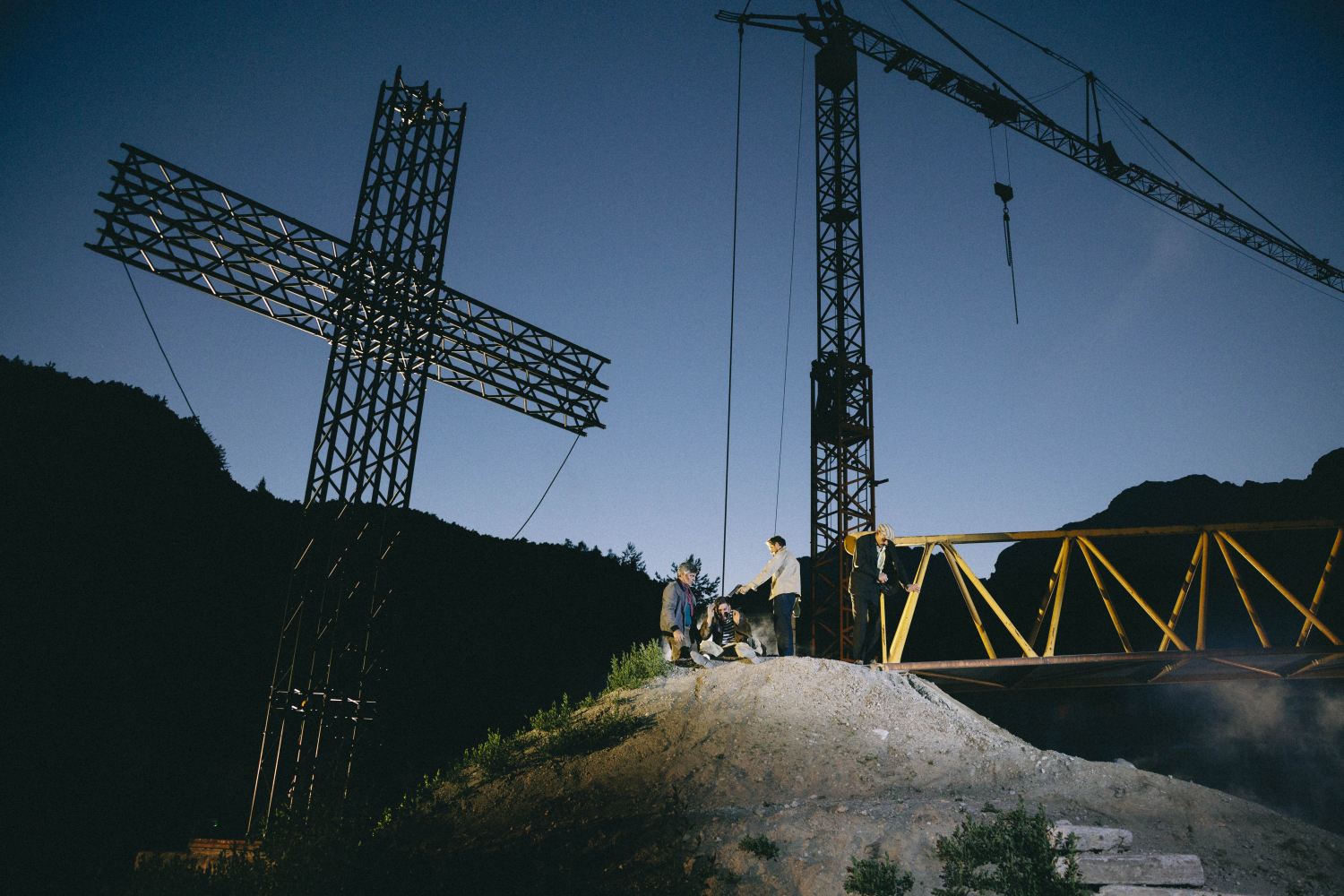
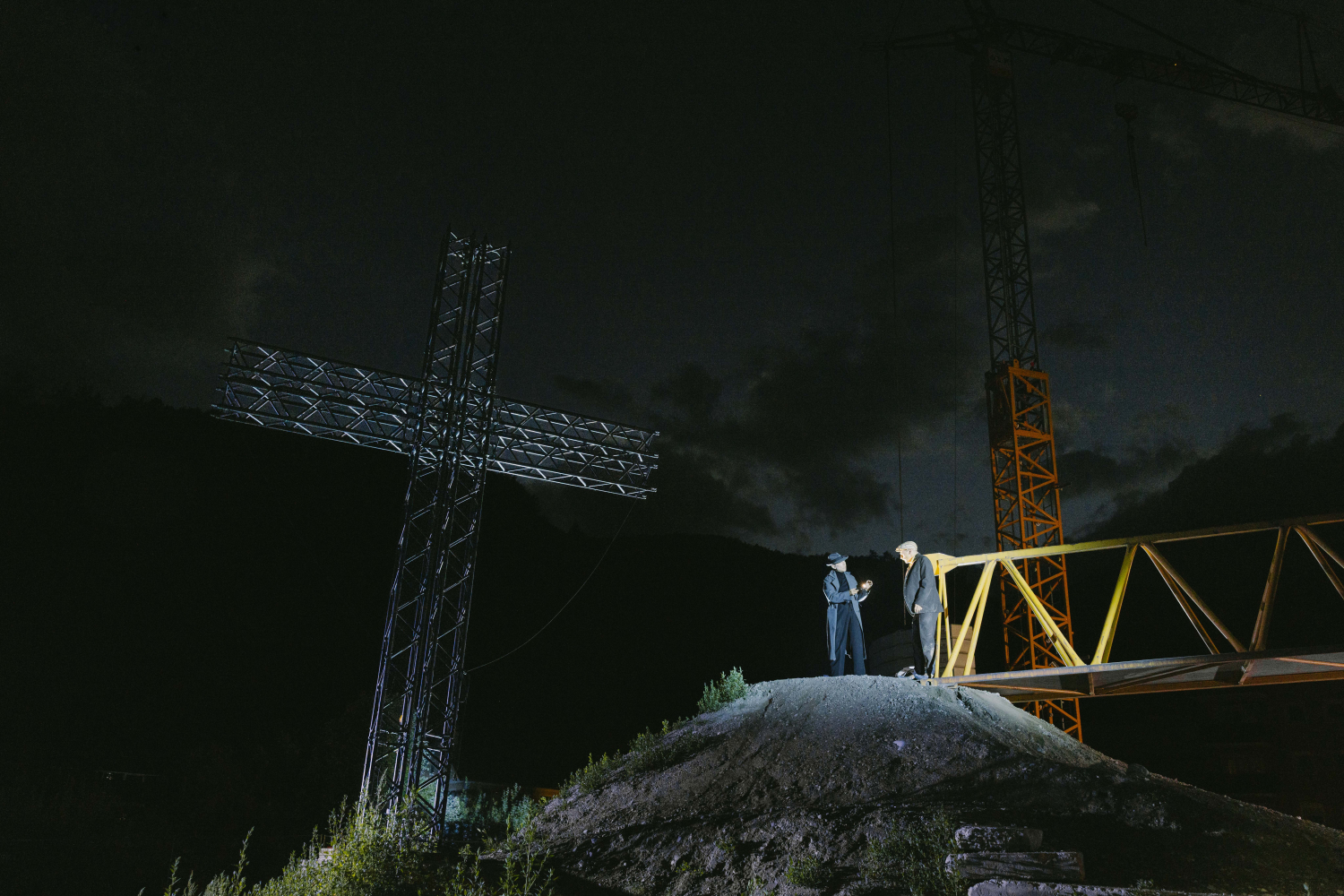
To do justice to this multifaceted subject matter, director Thomas Gassner makes use of the building’s entire surroundings, incorporating both a construction crane and a crane element to effectively stage the attacks and the resulting events. Given the expansive setting, the use of a live camera—which projects the action onto a giant screen and dramatically amplifies it—is particularly helpful for the audience.

Sparks are flying

Linguistically, the play requires at least a basic knowledge of Italian: In addition to Tyrolean, a lot of Italian is spoken. But don’t worry: The meaning usually becomes clear from the context—including the occasional familiar expletive.

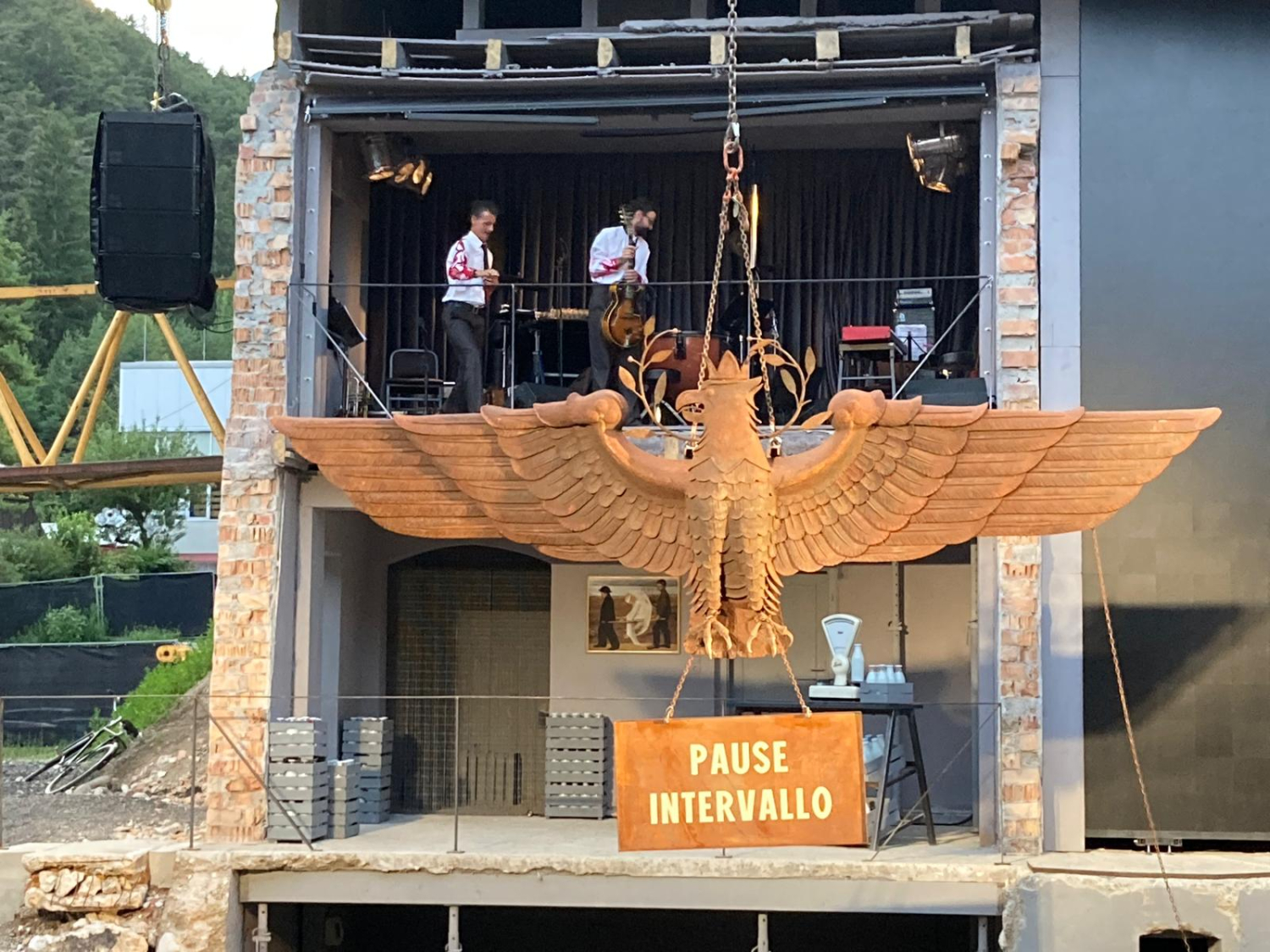
After the intermission, the pace picks up significantly, though there are still some slow moments. Overall, the production almost turns into a “Wild West spectacle” at this point, consisting mainly of gunfire and explosions.

Soon, none of the protagonists can be sure who is a friend, who is an enemy, who is an ally, and who is a traitor. This creates plenty of action but leaves no room for subtleties or nuanced portrayals.

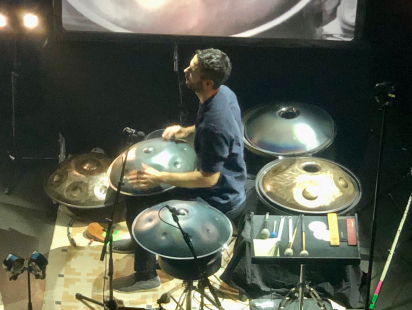
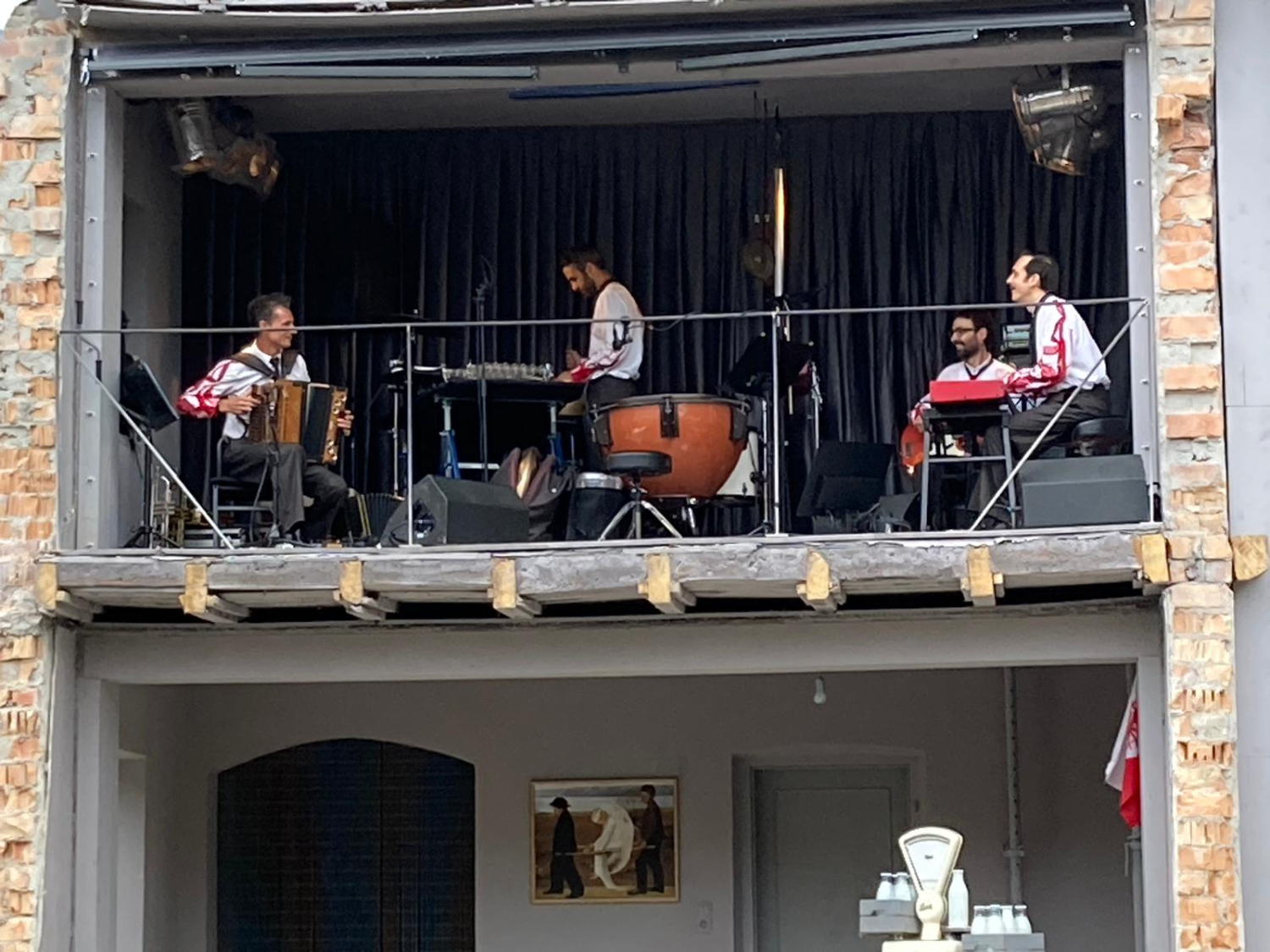
A highlight is the musical score by Herbert Pixner and his band, including Manu Delago. Pixner, who composed the pieces specifically for “Die Feuernacht,” demonstrates a great sense for the right sound and, with his brief appearance as a doctor, provides an amusing role reversal.

Conclusion

At the end of the evening’s performance, one is left with the realization that in conflicts of this kind, there are many losers but no winners.

All performances of “Feuernacht” are already sold out. If you’re lucky, you might still snag a few remaining tickets on the ticket exchange set up by the Tiroler Volksschauspiele on Instagram. Otherwise, all you can do is hope for a revival next year.

Tyrolean Folk Plays
Untermarktstraße 5+7

A-6410 Telfs
Office: Obermarktstraße 6
Phone: +43 676 83038 750 / +43 676 83038 753

[email protected]

For more information, visit www.volksschauspiele.at

Information on other cultural events in and around Innsbruck can be found at innsbruck.info.

Photos, unless otherwise noted: © Susanne Gurschler

Similar articles