09 November 2026
#
Post originally written in: Deutsch Information An automatic machine translation. Super fast and almost perfect.

At the end of October, folk music fills many squares and alleys in downtown Innsbruck. And the best up-and-coming musicians are honored. Every two years, Innsbruck hosts an event that shines brightly in the world of Alpine music. It is the time of the “Alpine Folk Music Competition for the ‘ Herta Haselsteiner ’ Prize.” Since its founding in 1974, this competition has developed into the undisputed leading platform for promoting young talent and vibrant folk music in the Alpine region. For me, these are three days of the finest folk music—and thus practically a must-attend event.

700 young musical talents from the Alpine region

And so I enjoyed this festival of authentic folk music, which magically attracts young musicians from all parts of the Alpine region. For three days, Innsbruck’s Old Town and the Dogana Congress Center are transformed into an epicenter of genuine—and wonderfully harmonious—folk music, performed by musicians who are sometimes very young indeed. For many of them, the “Alpine Folk Music Competition” for the Herta Haselsteiner Prize is a sort of rite of passage on their musical journey. As always, it is impeccably organized by Peter Margreiter, chairman of the Tyrolean Folk Music Association, who, as always, is actively supported by his wife, Sonja Steusloff-Margreiter, and a whole host of volunteers.

This year, more than 700 singers and folk musicians from Austria, Bavaria, South Tyrol, Slovenia, and Switzerland—along with their families, friends, and teachers—traveled there with all their belongings, so to speak, to have their musical abilities evaluated. Despite the ample space available at the Dogana Convention Center, the number of groups participating in the competition had to be limited to 150 once again. Important to know: The age limit for the Haselsteiner Prize is 25 years for instrumentalists and 35 years for vocal groups. It is intended to be—and remain—a competition for up-and-coming talent.

Neither “Winners” nor “Losers”

This prestigious award is not about lists of winners, and certainly not about musical competition. It is the distinctions awarded by a high-caliber jury of experts that make this competition so unique. So there are no “winners” or “losers” here, although the most outstanding and authentic performances are honored during a gala evening featuring the presentation of the Haselsteiner Awards.

What is the difference between folk music and popular folk music?

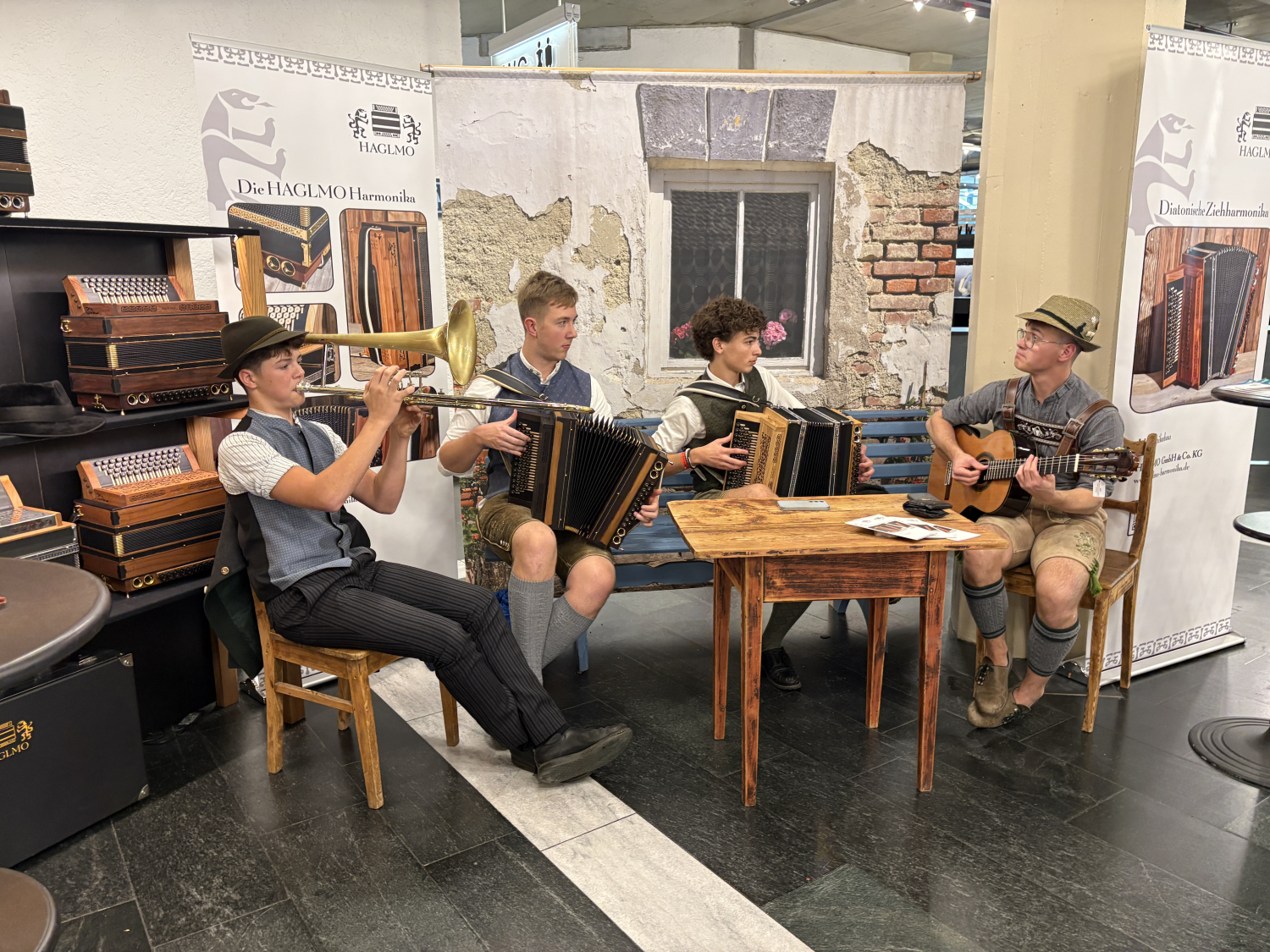
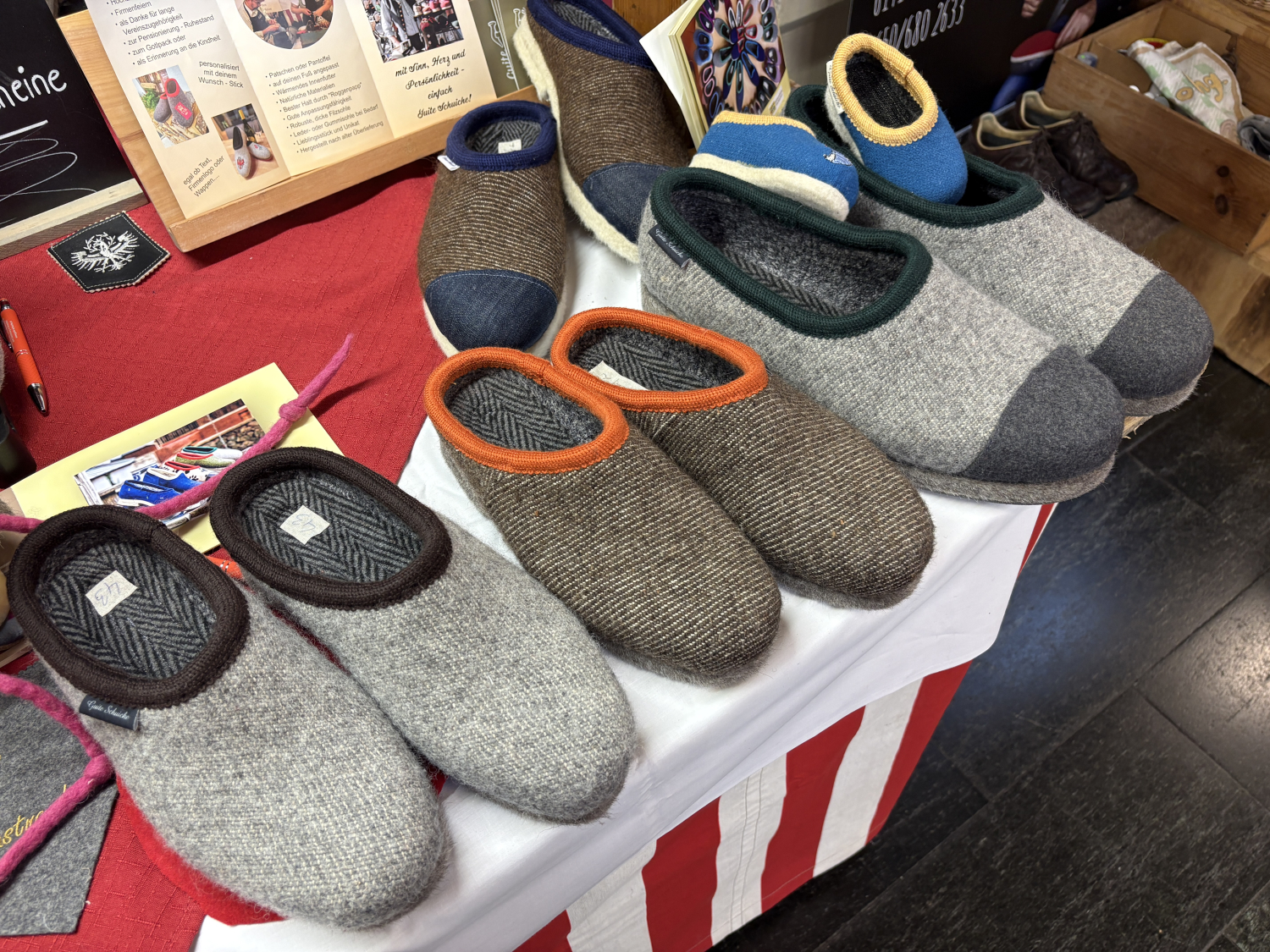
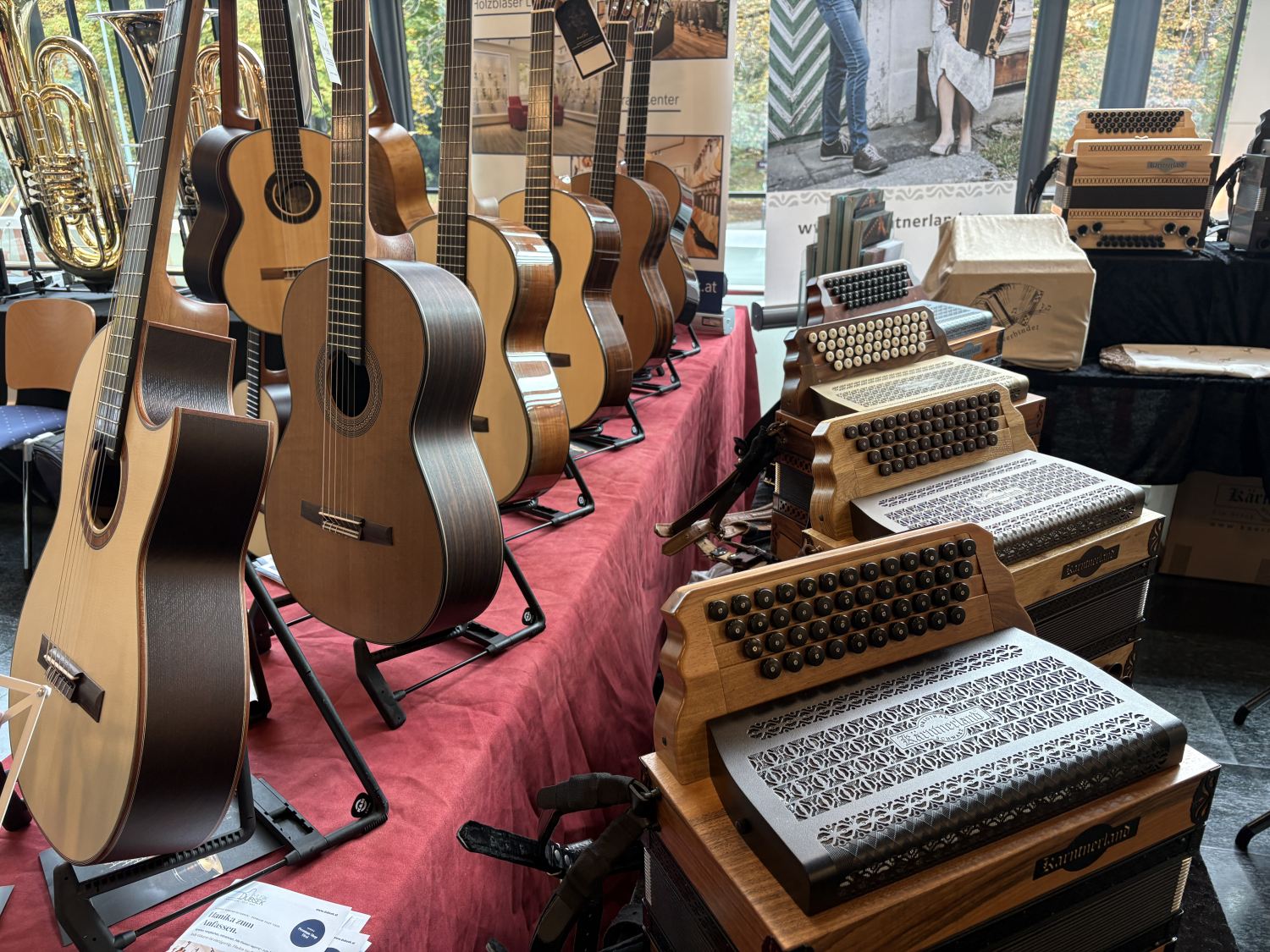
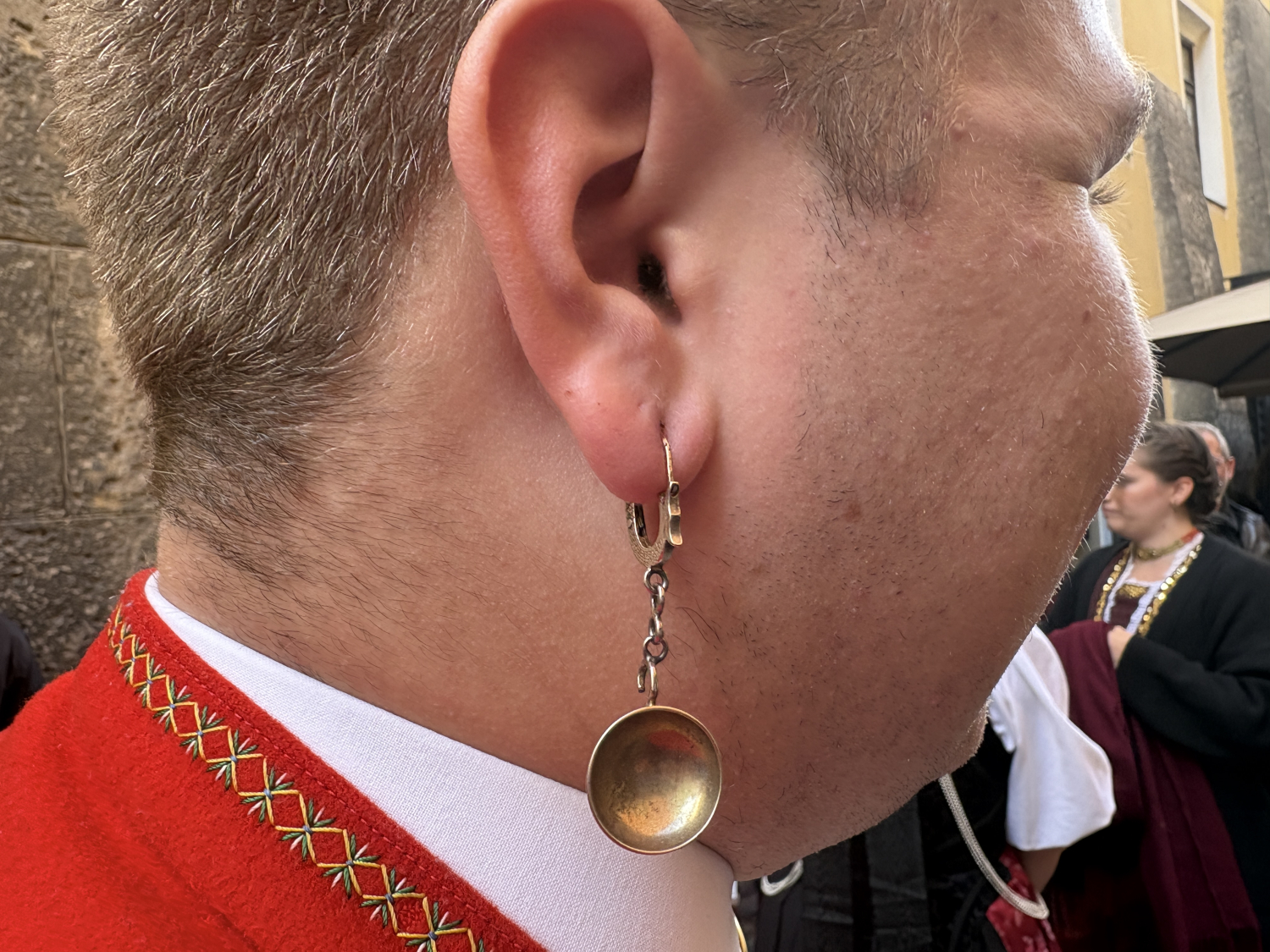
As an enthusiast of down-to-earth, authentic folk music, I’m constantly asked what, to me, is the difference between folk music and “folk-style” music—and why I like one and not the other. I compare the two to the fabrics used in Alpine traditional costumes: while folk music uses genuine loden and linen, “folk-style” music predominantly features faux leather and polyester. I usually follow that up with an even more concrete comparison: folk music comes from the regulars’ table, while “folk-style” music comes from the recording studio. I’ve always preferred the regulars’ table. Speaking of genuine and authentic: A “small fair” featuring Alpine musical instruments, clothing, and footwear held as part of the folk music competition perfectly embodied my comparison above with its high-quality offerings. Here, too, only the genuine counts. 

142 music groups at 10 venues in Innsbruck

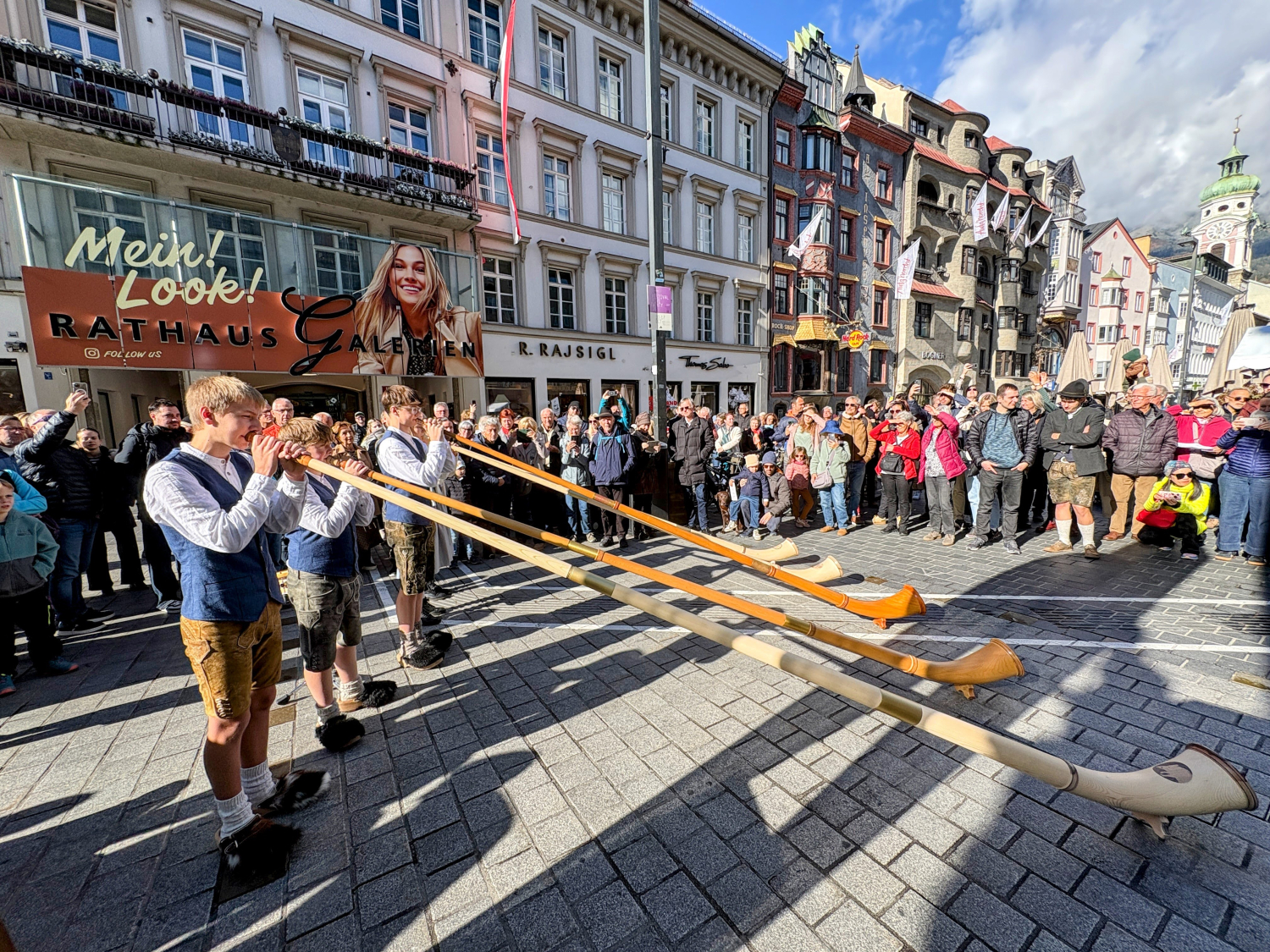
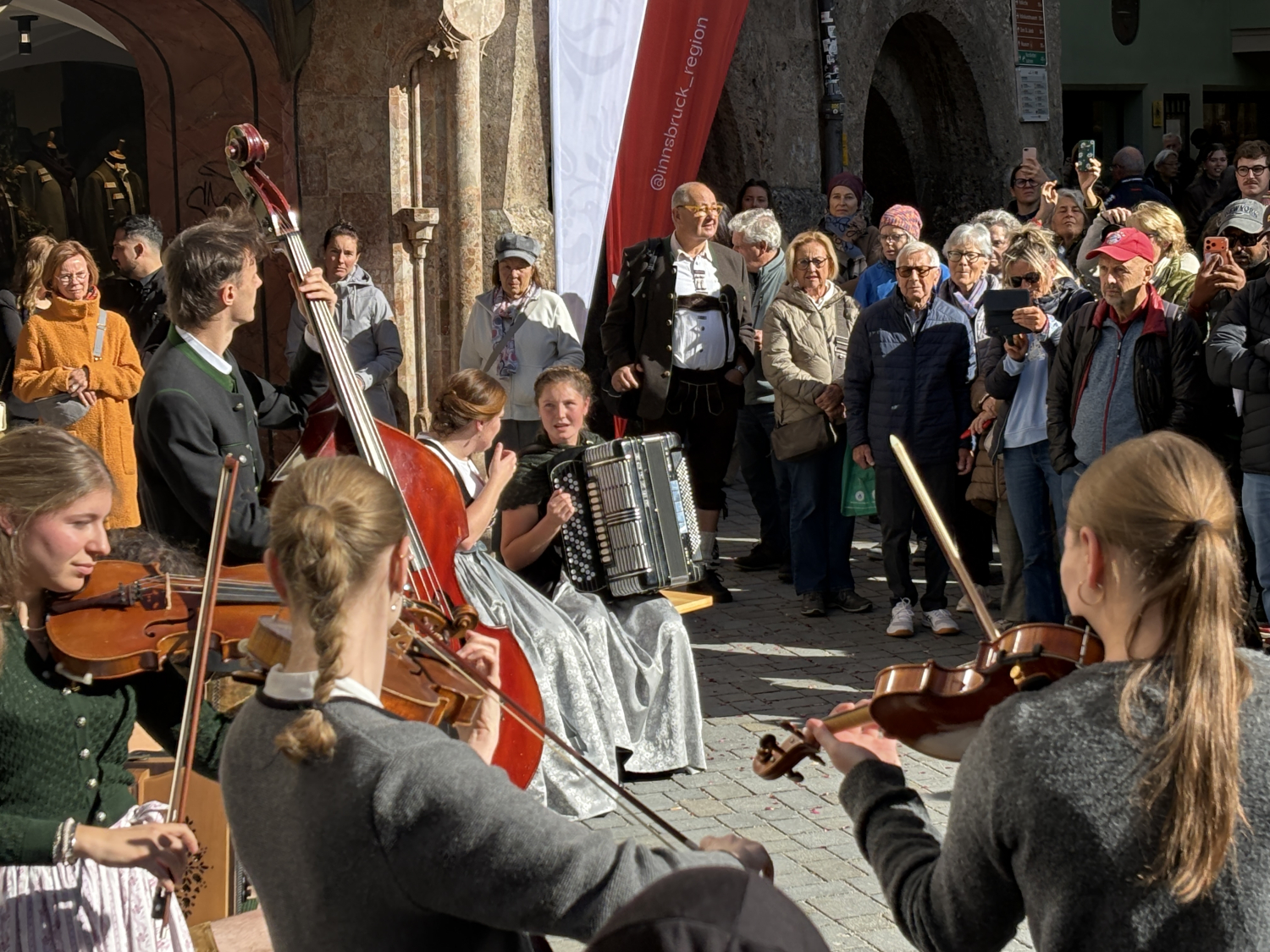
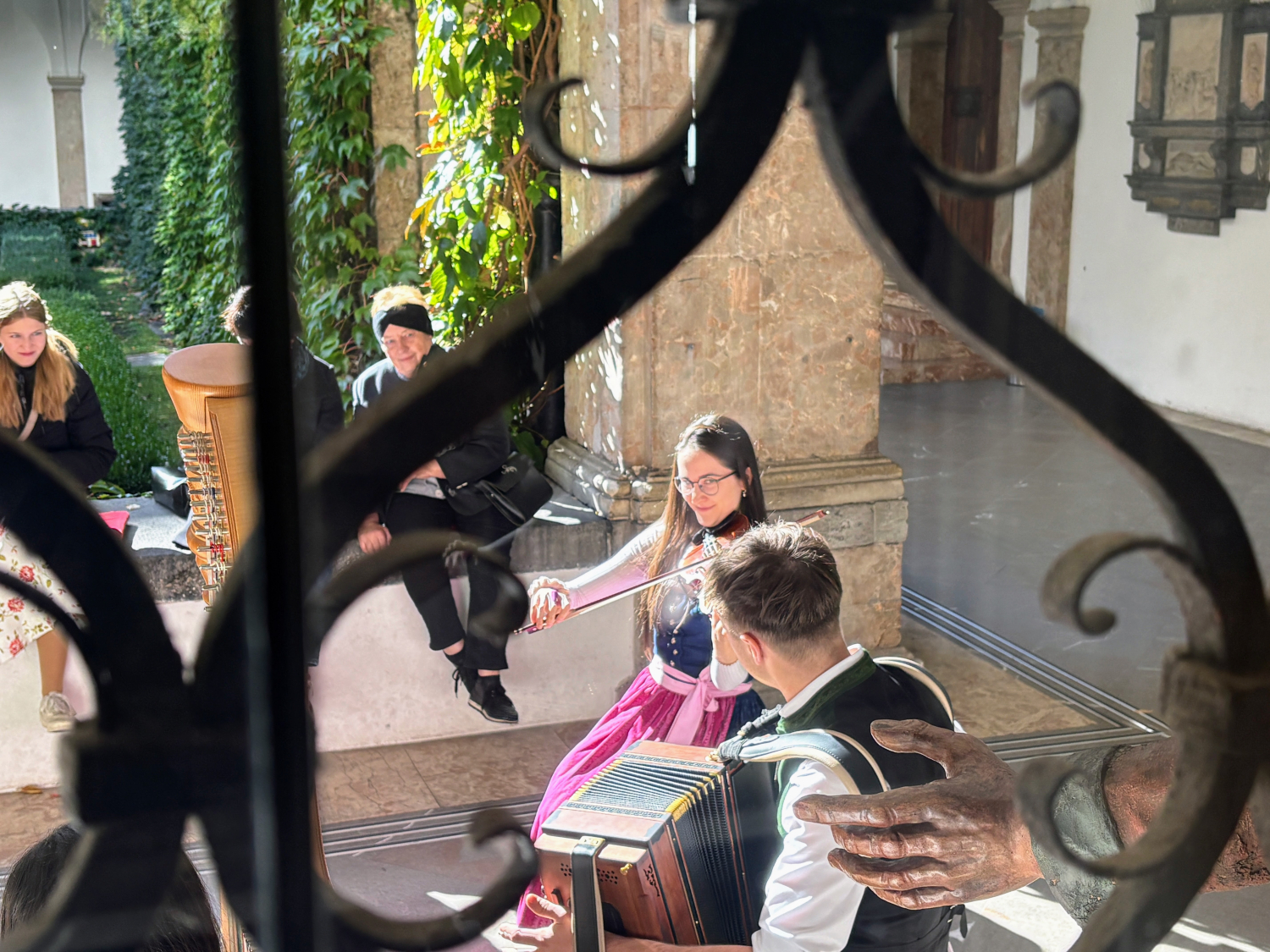
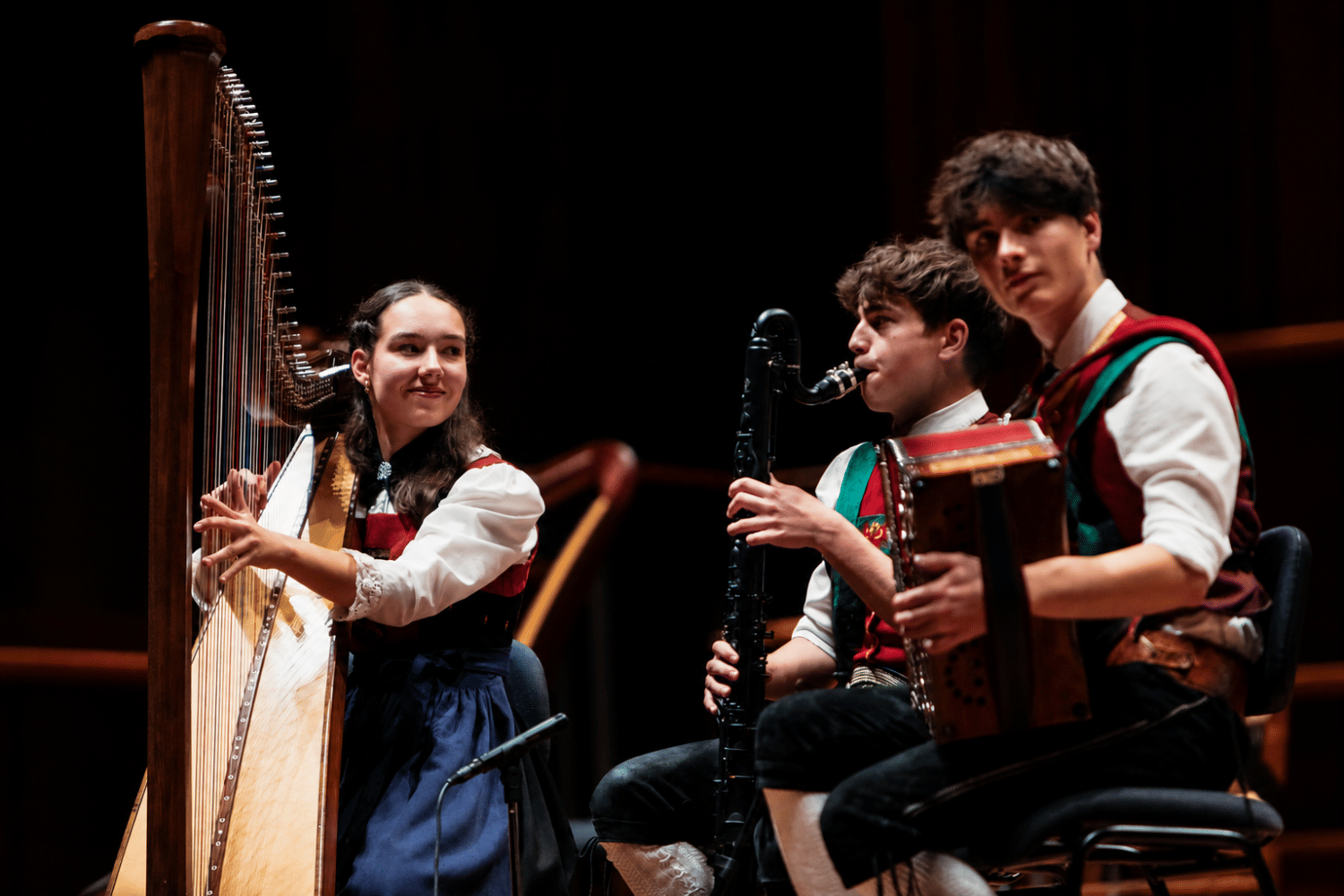
I’ve been covering this event for more than ten years now, and this year I was pleased to see that its appeal keeps growing with each passing year. „Aufg’horcht in Innsbruck“ That’s the name of this unique event in downtown Innsbruck, which draws crowds not only of fans of authentic folk music. At ten different venues in the city center, in the Spitalskirche, and in the cloister of the Museum of Folk Art, 142 (!) music groups—some with melodious names—performed this year from 11:00 a.m. to 5:00 p.m. The term “Soatenmusig,” which refers to string music, is particularly popular.A group called “ ‚Lausbubam-Trio‘ ” (“Cheeky Boys”), consisting of very young musicians, performed in the courtyard of the “ Claudiana,” while the group “Druck-Zug-Musi,” for example, is an accordion ensemble.

Families Keep the Folk Music Tradition Alive 

As always, numerous“musical families” are participating in the competition, which once again highlights a distinctive feature of folk music. It wasn’t all that long ago that it was primarily a form of home music, passed down exclusively by ear. Reading sheet music was unknown for a long time. Within families, these melodies—some of them ancient—were preserved and passed down from generation to generation. It is precisely this tradition that lives on to this day in the form of family music.

The people of Innsbruck love watching young musicians perform

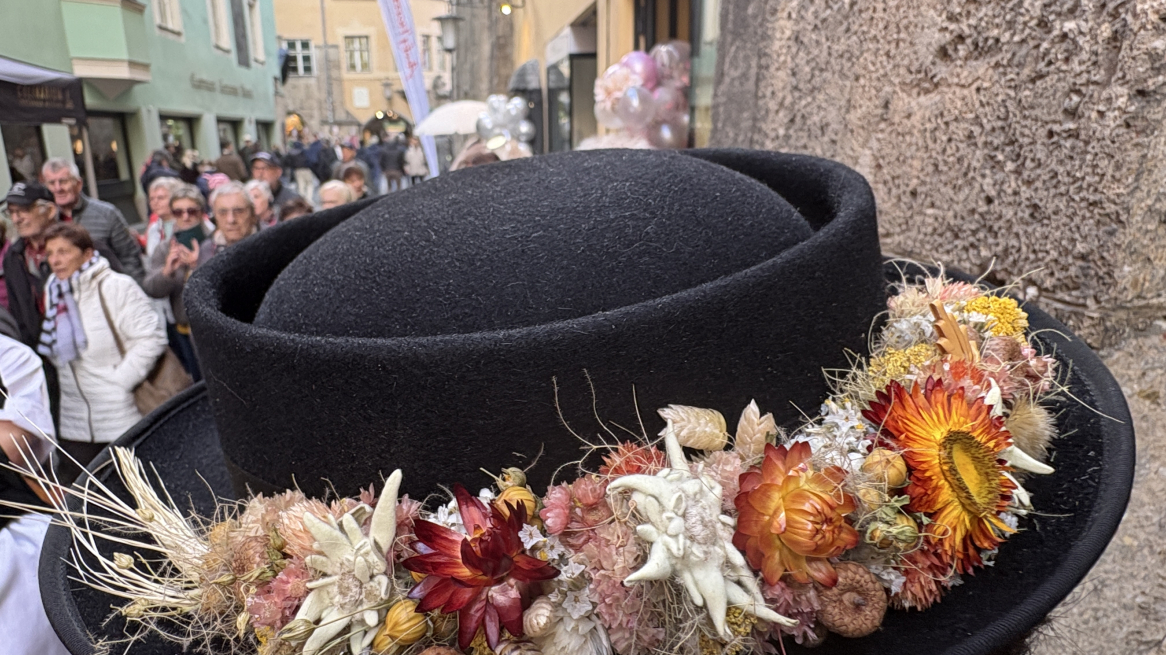
And so, once again this year, young folk music talents opened up the colorful and rich “cosmos” of authentic folk music in the city center’s squares and showcased their skills with great enthusiasm. The audience’s approval was immediate. This year, I met many acquaintances who had made a special effort to set aside time on Saturday morning to attend the performances by the young musicians in various corners of Innsbruck’s Old Town. They were all thoroughly delighted.

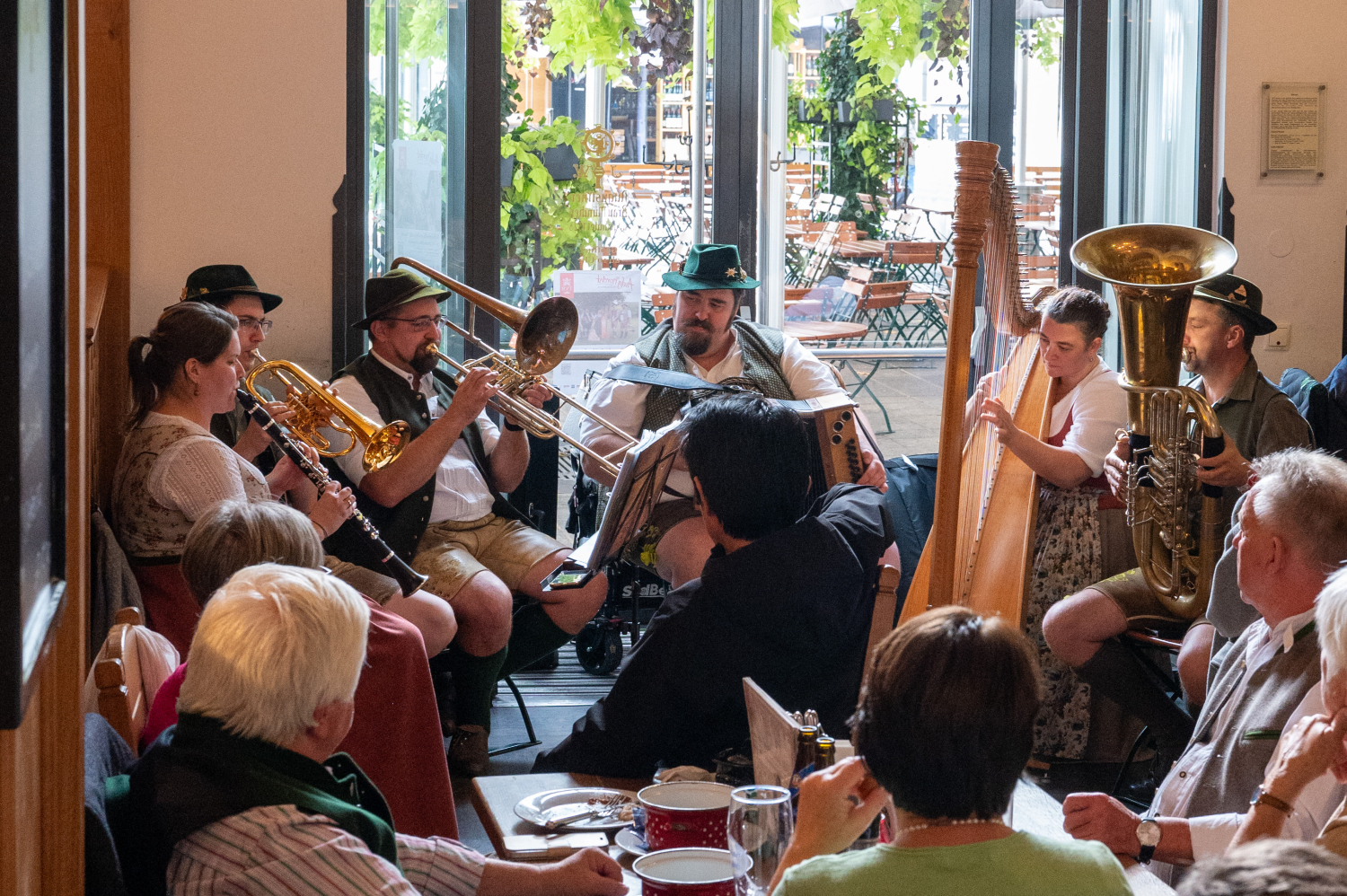
The warmth of the Innsbruck audience certainly contributes to this success. The sometimes frenetic applause and the now-traditional fine weather spurred the young musicians on to peak performances once again this year. For me, this innovative form of an “open-air concert” has become a hallmark of the Alpine Folk Music Competition. Just as, incidentally, have the Sunday Mass accompanied by folk music and the performances by folk musicians during morning drinks at various Innsbruck taverns.

Haselsteiner Awards for “Outstanding, Authentic Performances”

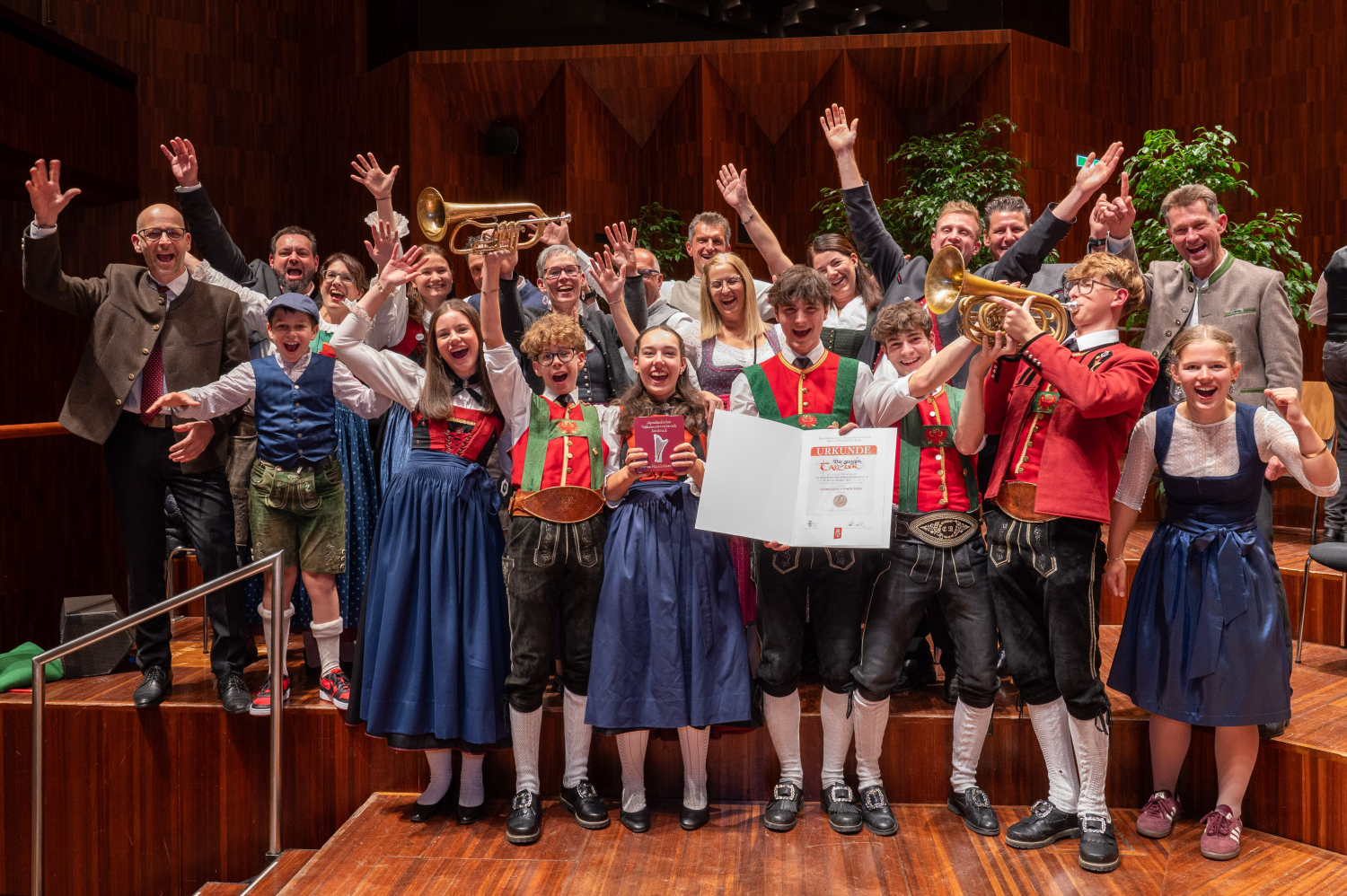
As always, the absolute highlight is the folk music gala evening featuring the presentation of the Haselsteiner Awards. These are awarded for “outstanding, authentic performances.” This year’s recipients were the Familienmusik Klein (Upper Austria), the siblings Prünster (South Tyrol), the duo Imlig-Näpflin (Switzerland), and the Berger Buam(Bavaria), the young dancers (North Tyrol), Trifarbig (Upper Austria) and the Ellauer Dreigesang (Salzburg).

Honors and Awards, as well as Other Events Organized by the Folk Music Association

The list of “Honors and Awards” from the Alpine Folk Music Competition can be downloaded here: https://www.tiroler-volksmusikverein.at/wp-content/uploads/2024/05/26.AVMW_Auszeichnungen_26.pdf

The list of music groups that have been awarded the Haselsteiner Prize can be viewed here: https://www.tiroler-volksmusikverein.at/wp-content/uploads/2024/05/26.AVMW_Auszeichnungen_26.pdf

A list of upcoming folk music events organized by the Folk Music Association can be found here: https://www.tiroler-volksmusikverein.at/veranstaltungen/

Similar articles