14 November 2020
#
Post originally written in: Deutsch Information An automatic machine translation. Super fast and almost perfect.
Beitrag ist älter als ein Jahr

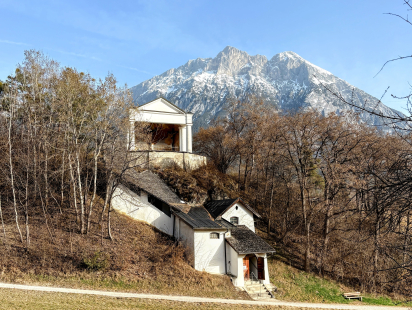
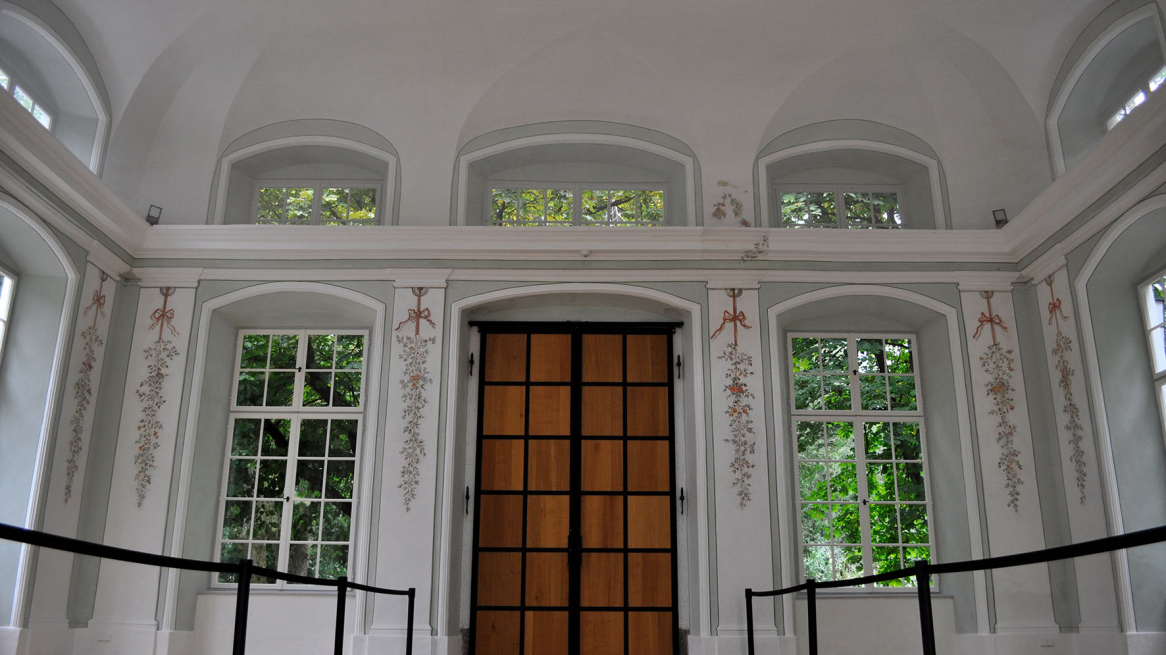
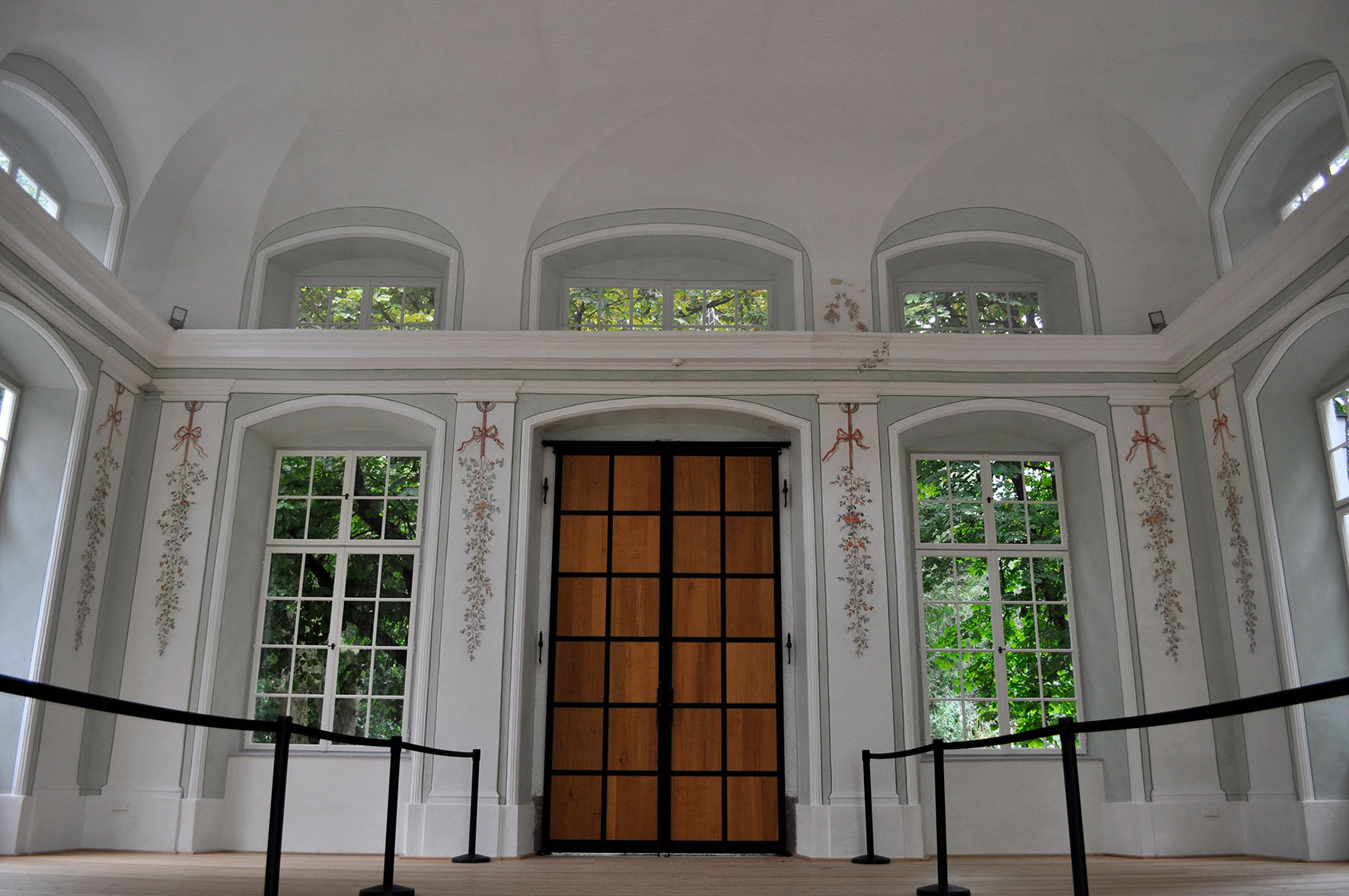
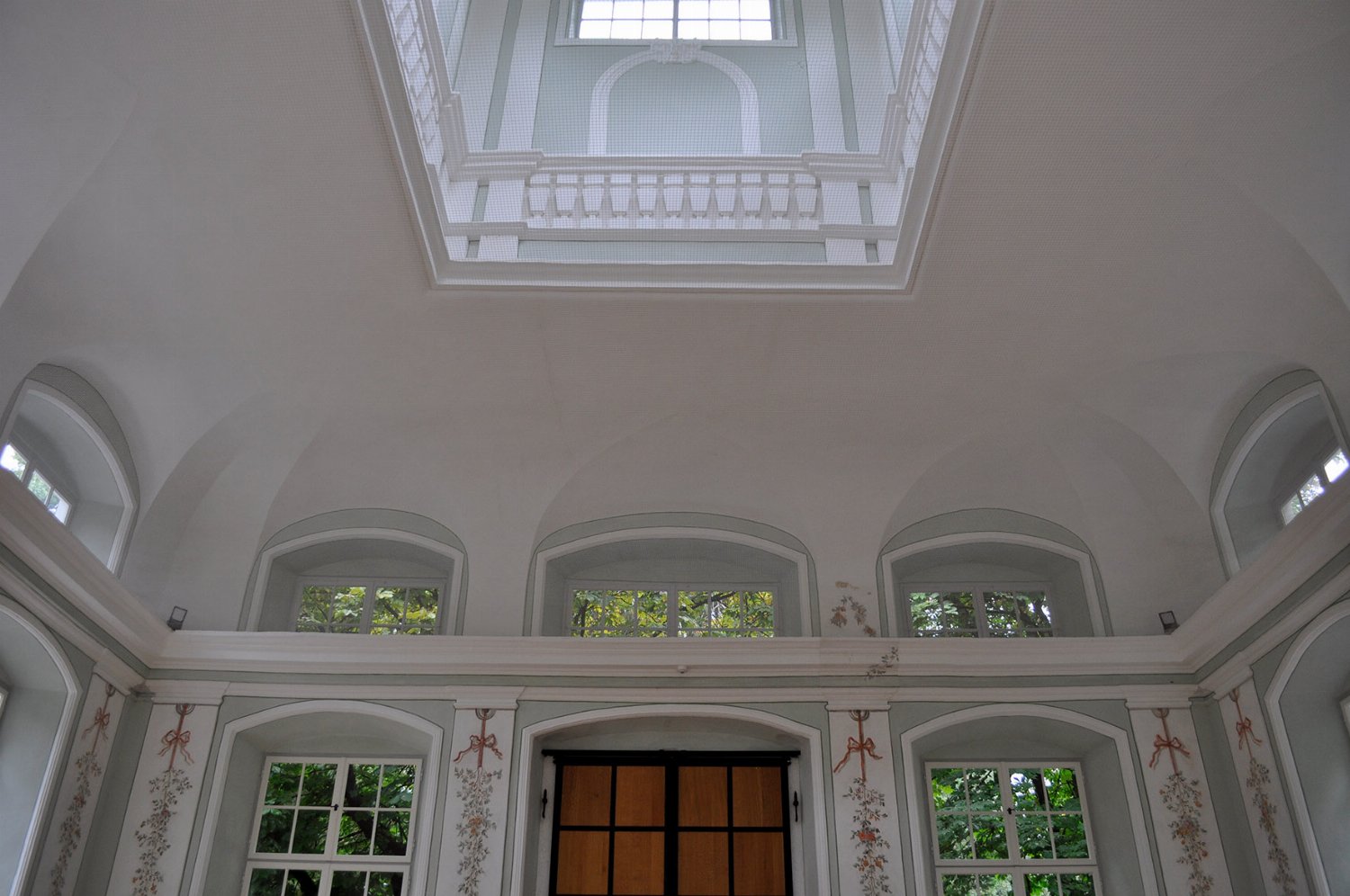
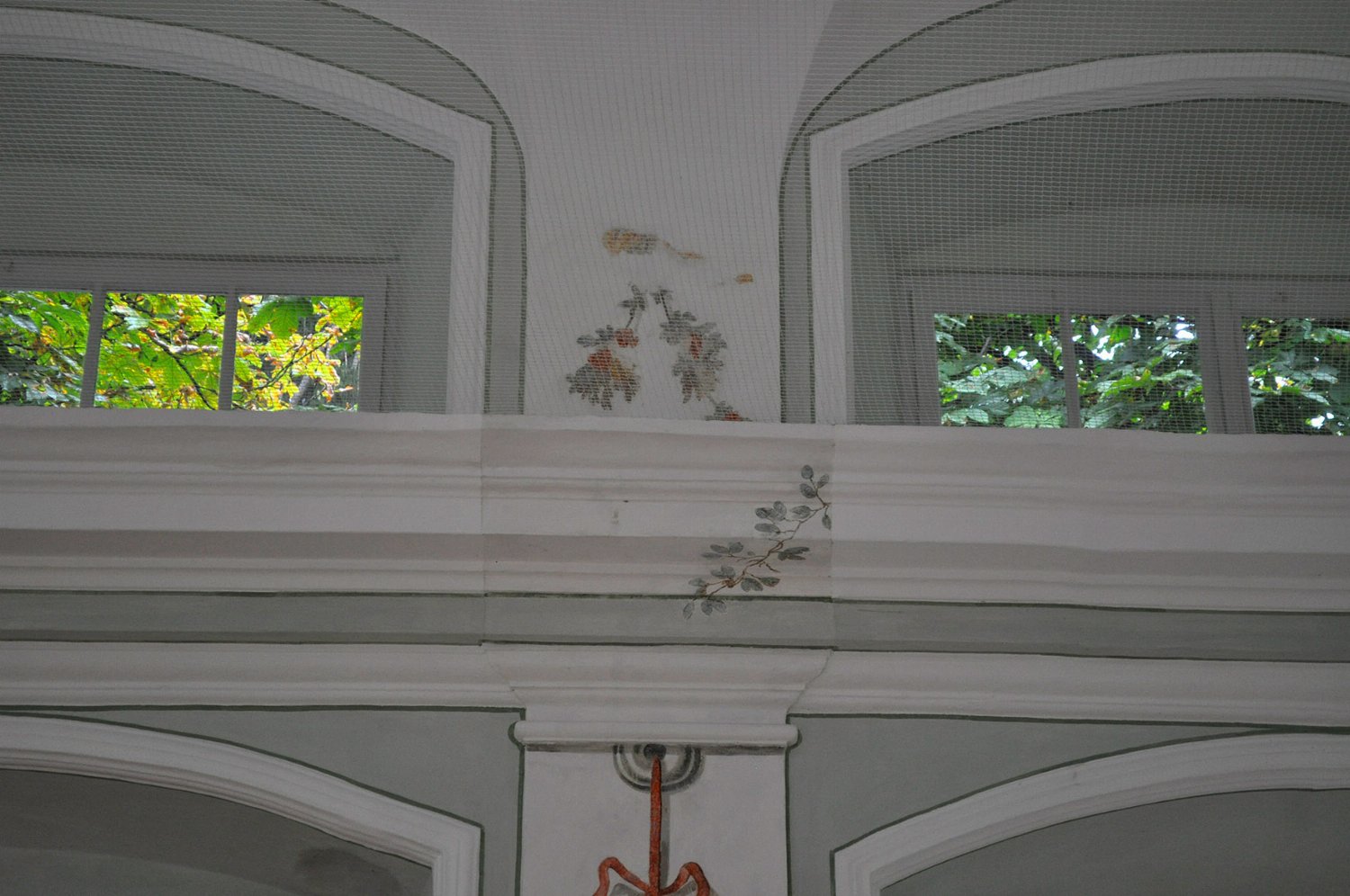
Actually, only the old paint on the Hofgarten Pavillon should have been removed and new paint applied, some spalling repaired. But when the workers set to work, they came across delicate decorative wall paintings on the inside. It was clear that these would have to be uncovered and restored. This was also a case for the Federal Office for the Protection of Monuments. After all, the Hofgarten and its buildings are listed monuments.

THE HISTORY OF THE HOFGARTEN PAVILION

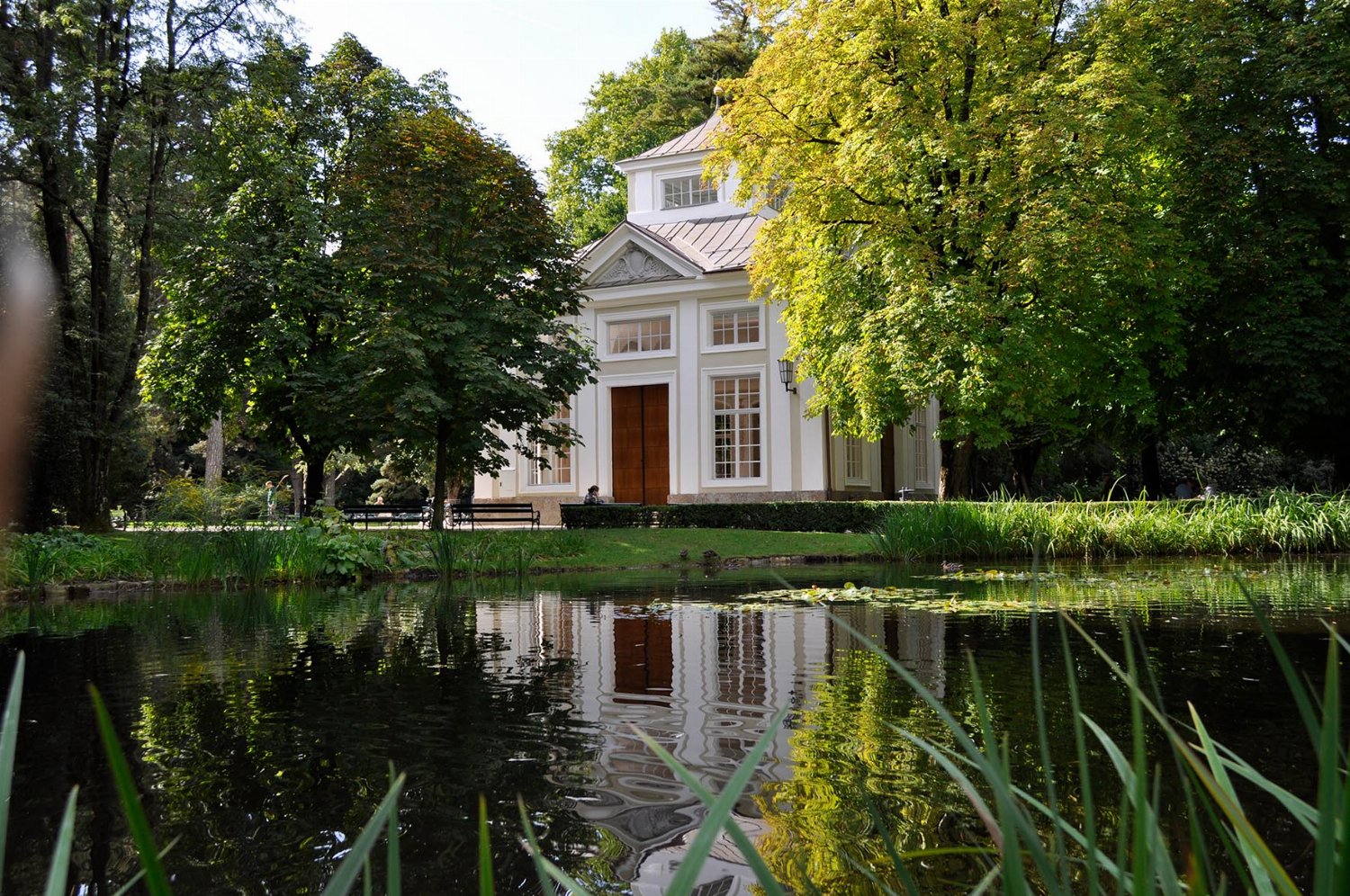
The chance find prompted the Hofgarten administration to take a close look at the pavilion's history. "We were unable to establish definitively when the first pavilion was erected," explains Herbert Bacher, head of the Federal Gardens Institute in Innsbruck. The first documented mention of this building is in 1733, but there must have already been one on its site.

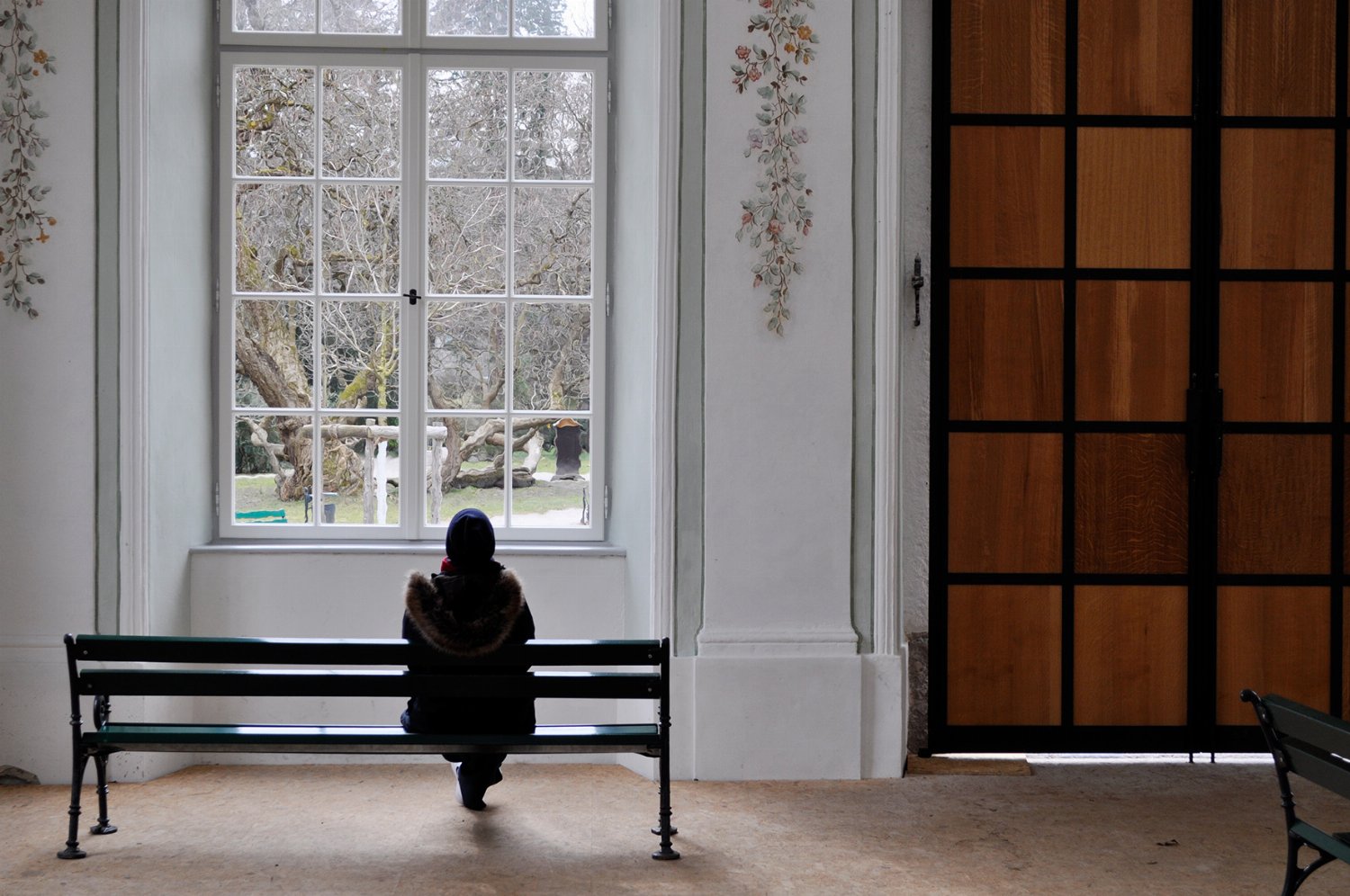
What may have been provided for during construction are windows and doors. For there are corresponding anchors in both the window and door frames. "Unfortunately, we found no representations of what these looked like. They were missing for the last few decades," Bacher said.

A COMPLETE RENOVATION

After the roof, a complete renovation of the interior and exterior took place. A new wooden floor was laid, this was set a little lower so that the installed doors can now be opened inwards. It took two years to complete the restoration of the Hofgarten Pavilion.
The jewel was already a popular location for weddings and other festivities. Now the interest has increased again.

And of course the Hofgarten Pavilion is once again available for cultural events. Traditionally, the lunch concerts of the Innsbruck Festival of Early Music take place here. In spring 2020 it hosted a station of the Biennale Innsbruck International. For Klangspuren, the space is proving to be just as exciting a performance venue as it is for the Heart of Noise festival.

600 YEARS BACK

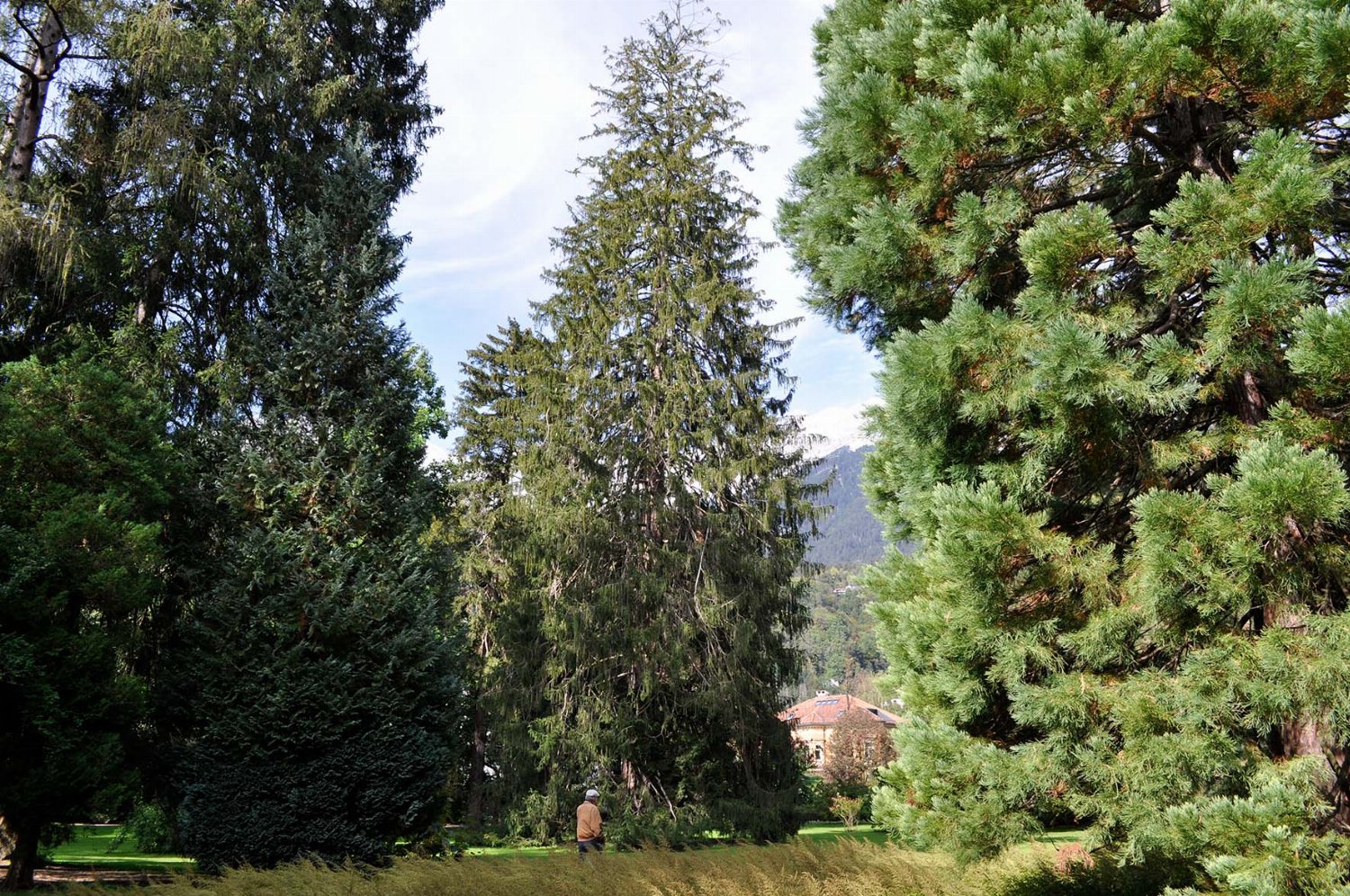
Not only the pavilion, the whole park is a feast for the eyes, a place for the soul. The ten-hectare courtyard garden attracts walkers all year round. It offers countless cosy places to sit under mighty trees. The oldest, the Maria Theresia spruce, is 260 years old. A green oasis on the edge of the old town.

The history of the Hofgarten can be traced back some 600 years. Already at the time of Leopold III there were fields on the area, as a written mention confirms in 1396. Under Frederick IV, known as Friedl with the empty pocket because of his always tight financial situation, there was a meadow here. Ferdinand I began the garden design, Archduke Ferdinand II continued it. The enthusiastic landscape architect also had the gardens of Ambras Palace laid out.

AN ENGLISH LANDSCAPE PARK

At the time of Maria Theresia the park was baroqueized. In 1858/59 it was transformed into an English landscape park. "Unfortunately, the sources do not provide any information about who designed it," says Bacher. In the north, the Palm House invites you to visit

Essentially, the park has not changed since the middle of the 19th century! To ensure that this remains the case, the Federal Monuments Office placed the entire complex under protection in 2001. In its centre, the Hofgarten Pavilion with its delicate frescoes now shines in new splendour.

Court Garden Innsbruck

Rennweg
6020 Innsbruck
The park is open daily from 6.00 am. Closing times vary depending on the month. Appropriate information is posted at the entrance gates and available online at www.bundesgaerten.at
The pavilion is rented out and is accessible during certain cultural events. Information is available from the park administration or the respective cultural event organizers.

Interesting information on other parks in Innsbruckcan be found at innsbruck.info
Photos, unless otherwise stated: © Susanne Gurschler

Similar articles