Screenshot
08 September 2025
#
Post originally written in: Deutsch Information An automatic machine translation. Super fast and almost perfect.

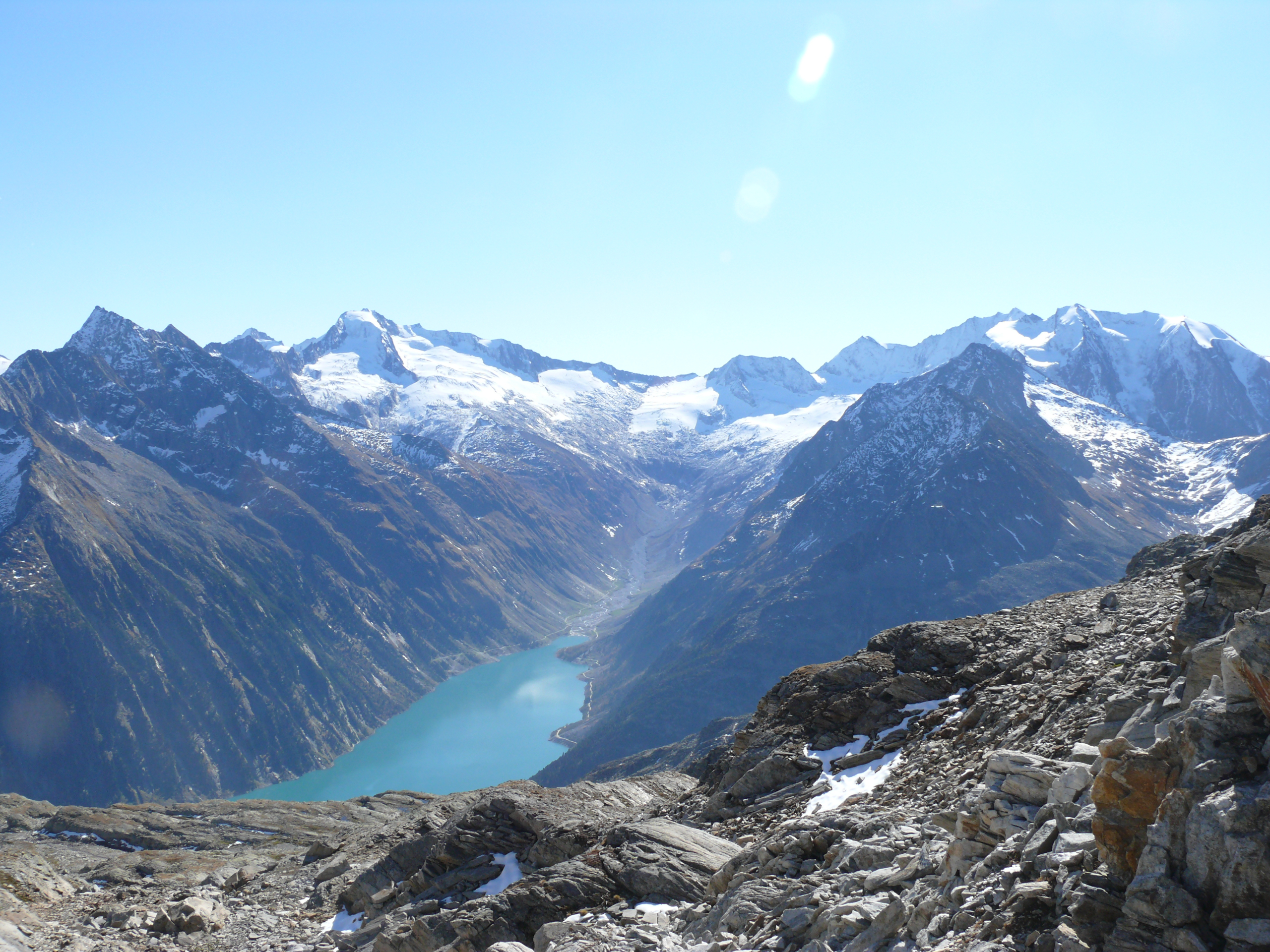
Around 5,300 years ago, a man who went down in history as 'Ötzi' died in dramatic circumstances. He was about to cross the Tisenjoch at 3,210 m above sea level when he presumably died due to an arrow injury and emerged from the glacier in 1991 as a quasi 'frozen' mummy together with the equipment he was carrying. Was Ötzi actually a first mountaineer? And: Why did he climb in the Inner Ötztal area in the first place? Questions that are answered by an excellent range of exhibits in the Tyrolean museums. 'Objects write sports history' is the name of the new 'themed tour series' in the Tirol Panorama with Kaiserjägermuseum of the Tyrolean museums, which aims to provide answers to such questions. I joined a themed tour and learned a lot of exciting things.

Themed tour of the Tyrolean Provincial Museums

This new, attractive series of events organized by the Tyrolean Provincial Museums aims to impart interesting facts about selected events in the "sporting" history of Tyrol. Or to provide in-depth and well-founded insights into art and cultural-historical objects and buildings. Other themed tours are also offered in Italian (such as Ci vediamo al Museo). And all this in addition to the 'classic' museum tours. A series that is led and designed by proven experts.

Archaeology and alpinism

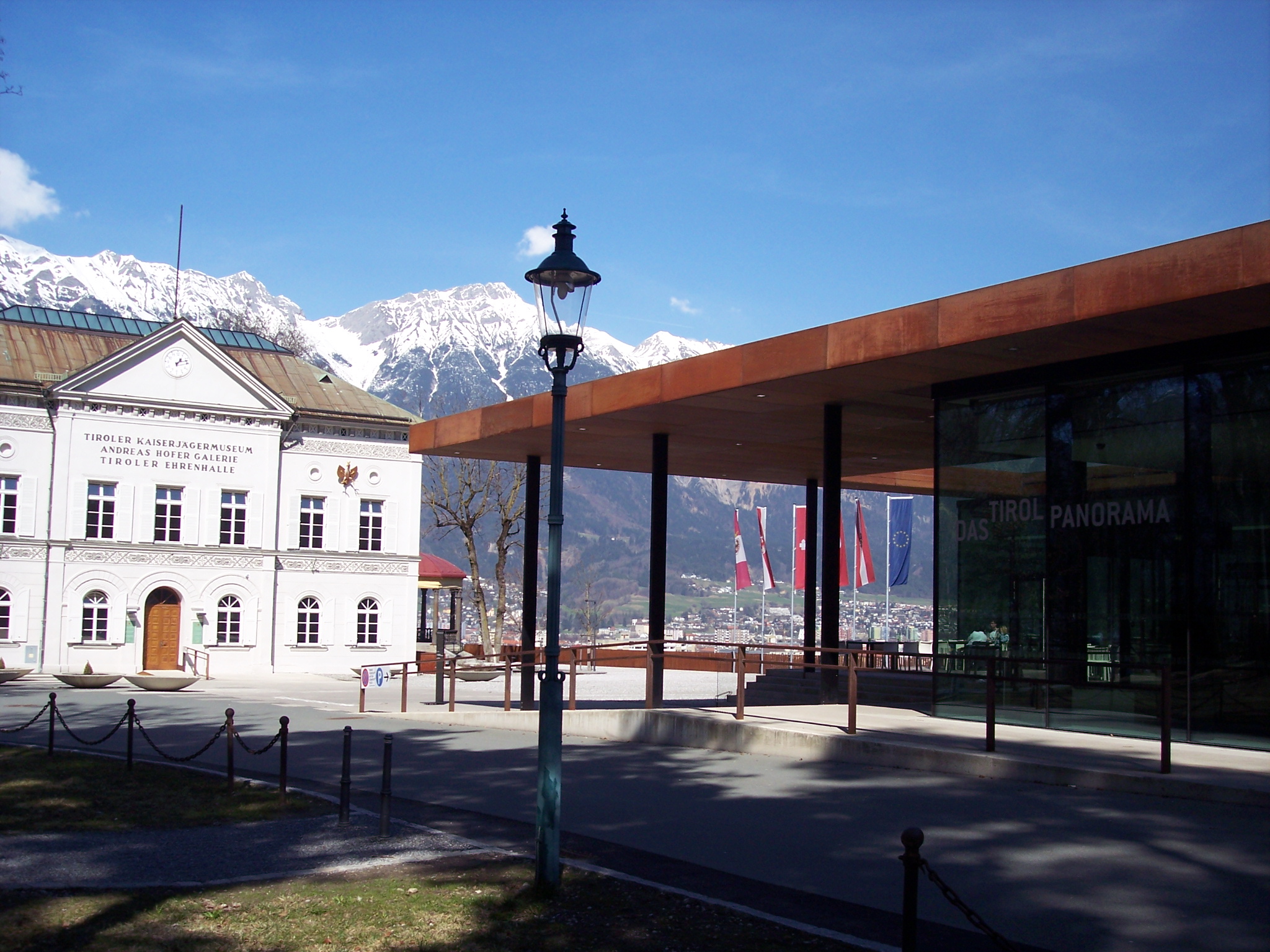
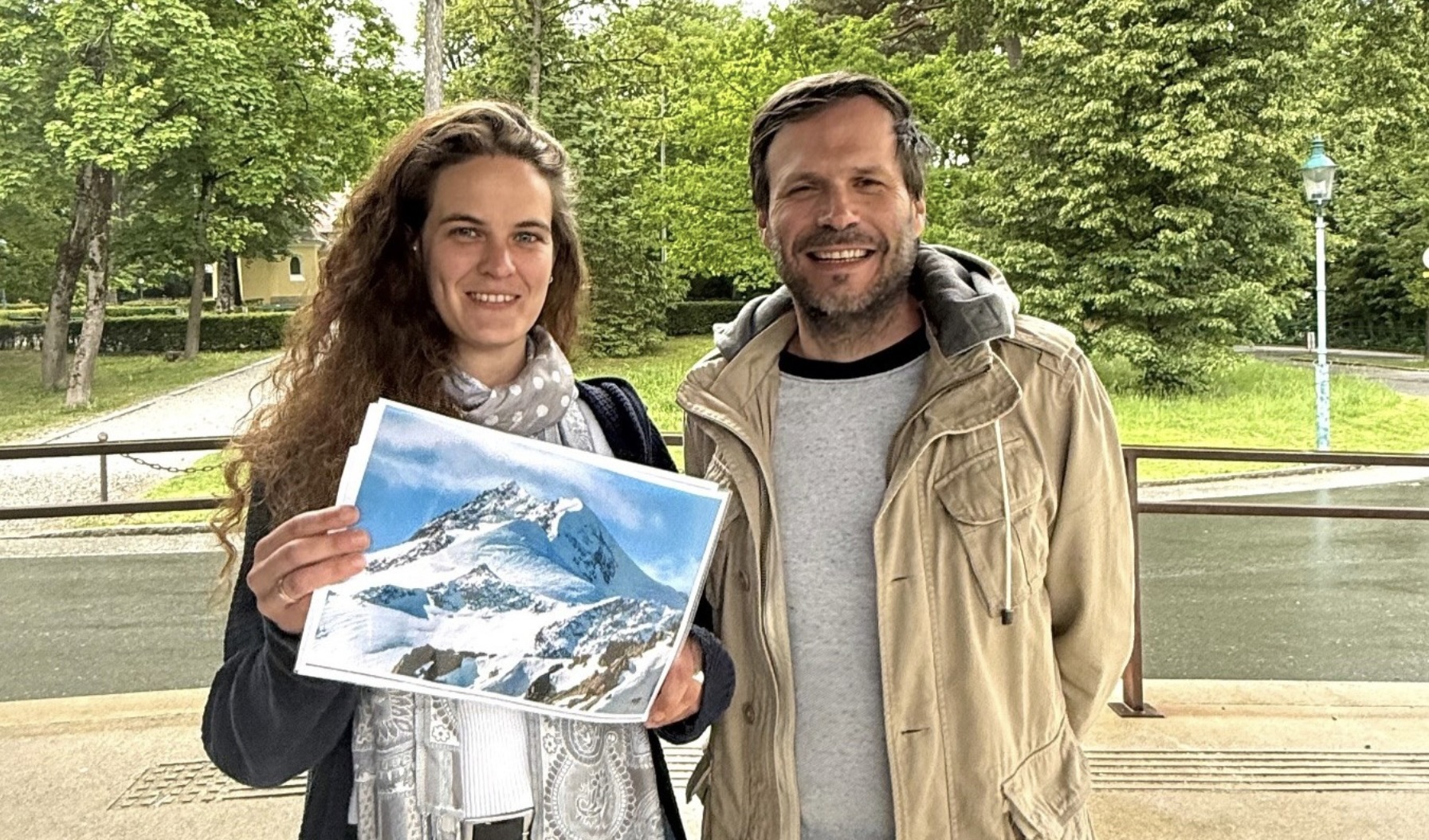
Together with twelve other interested museum visitors, I found myself on the themed tour "At icy heights - Tyrol's first mountaineers" in the Tirol-Panorama on the Isel mountain mountain. As I had very little to go on, I eagerly awaited what the archaeologist and cultural mediator - she is currently an assistant director at the Tyrolean museums - Nicole Mölk and the glacier archaeologist Thomas Bachnetzer had to offer. They wanted to introduce visitors to'Tyrol's first mountaineers'. I can tell you in advance: it was a highly interesting, stimulating and entertaining late afternoon. In a relaxed atmosphere, it was all about climbing our mountains, starting after the last ice age and ending in the present day of 'selfie Instagram climbs'.

Nicole Mölk as an archaeologist and cultural mediator and Thomas Bachnetzer as a certified glacier and high mountain archaeologist, are virtually 'best in class' on this topic. The participants were not just mere 'consumers', they were repeatedly challenged with questions. Such as whether Ötzi was a first mountaineer or what else drove him to venture to an altitude of more than 3,200 meters. This gave rise to the thematic design and the question of the deeper meaning of why prehistoric hunters were already scrambling up mountains.

People ventured into the mountains after the end of the last ice age

More and more new finds prove that people ventured into the then completely inhospitable mountains shortly after the end of the last ice age. The question of why they climbed 'icy heights' was then addressed using specific objects.

Thomas Bachnetzer the author understood perfectly how to present scientific findings of high mountain and glacier research in a simple and understandable way. In prehistoric times, people did not climb mountains just for the fun of it. They pursued very specific goals. For example, to extract the stones from which they could then shape their 'toolbox'.

The prehistoric rock crystal mine in Zillertal

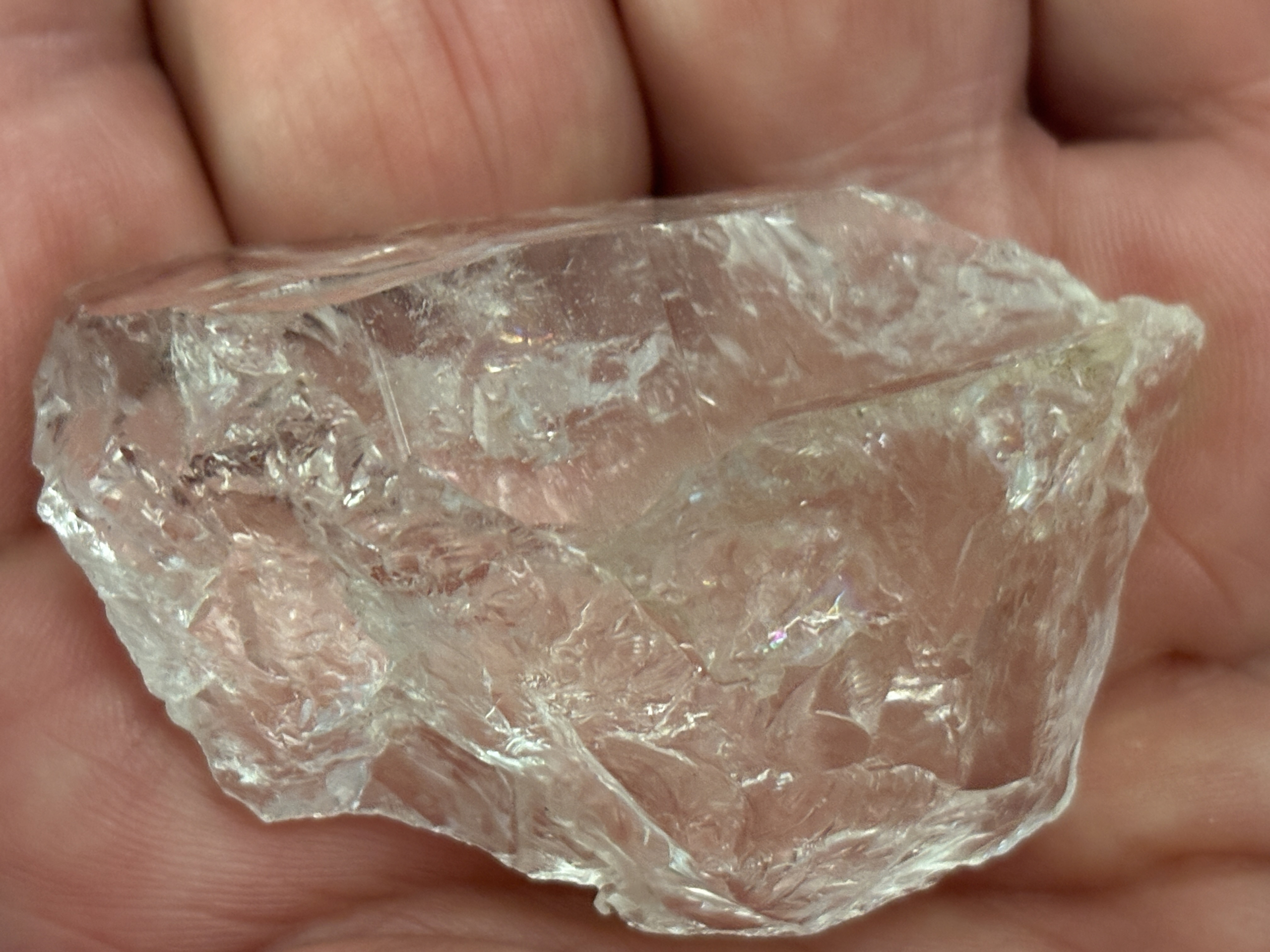
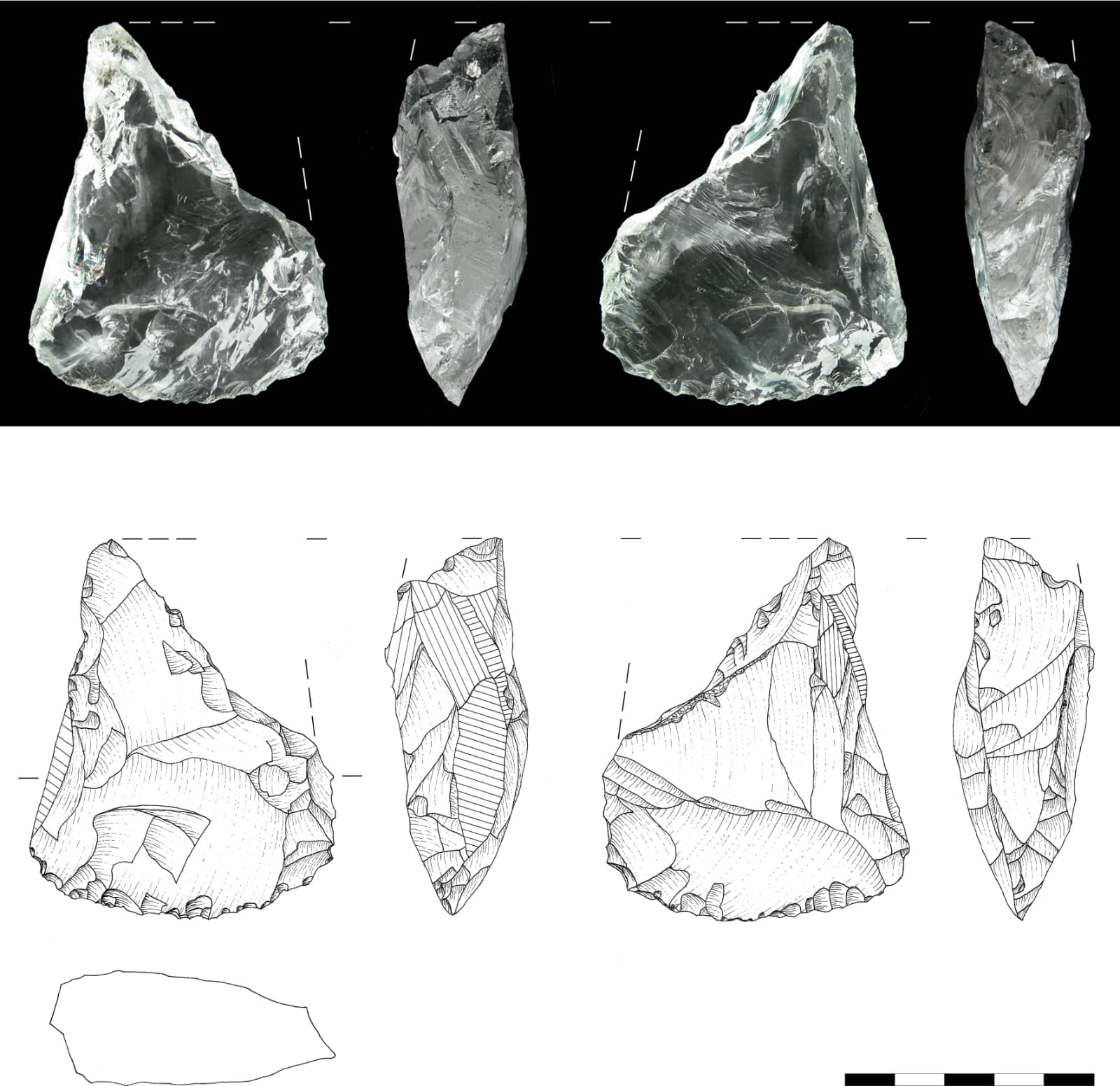
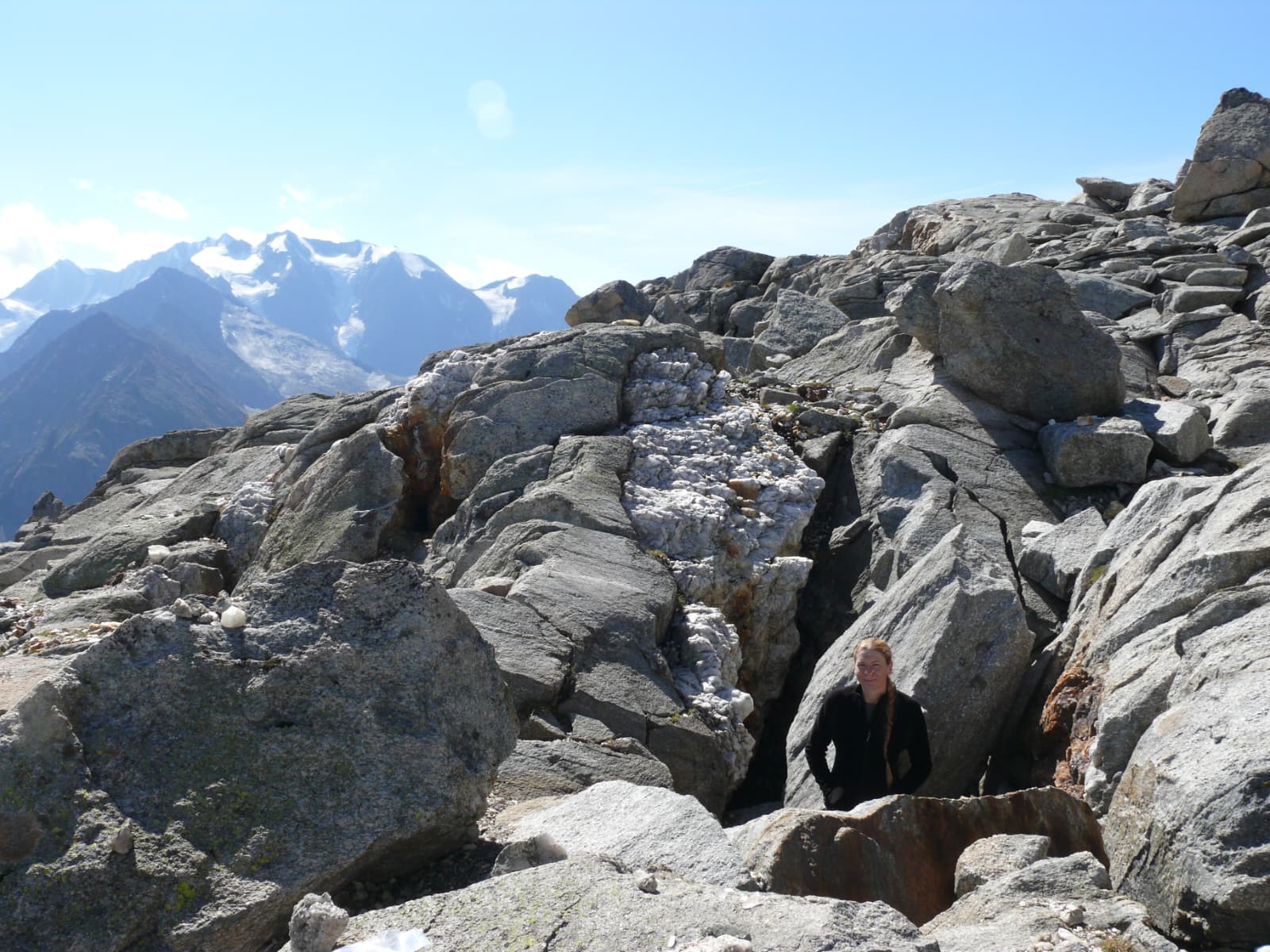
After the most famous mineral collector in the Zillertal, Walter Ungerank, discovered apparently worked fragments of mountains in the area of Riepenkars, research by the University of Innsbruck produced a sensational result: a kind of 'rock crystal mine' already existed in the Inner Zillertal 7,000 years ago. Back then, hunters used the crystals to make arrowheads and even 'crystal axes', which were probably created at the transition from the Neolithic to the Bronze Age. I have written a detailed report about this on my private blog.

Didactically remarkable: Bachnetzer had brought original, worked rock crystal fragments from the Zillertal to the themed tour. It wasn't just strange for me to hold a rock crystal in my hand that had been skillfully carved thousands of years ago by one of the 'stone cutters'.

Radiolarite mining in the Rofanmountains

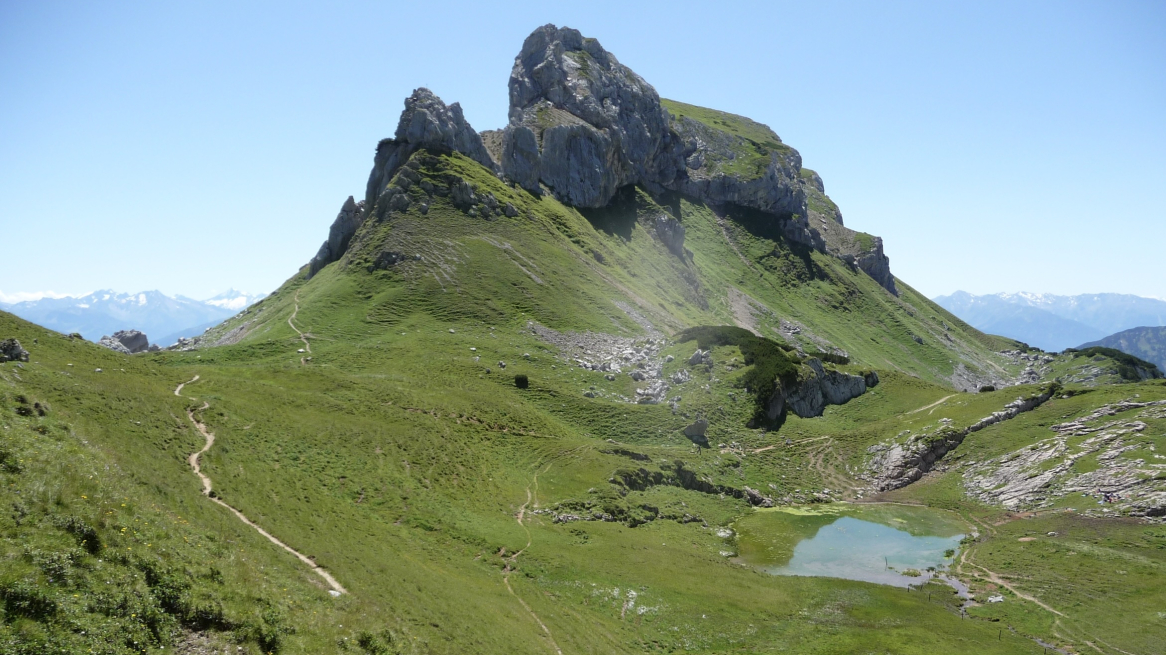
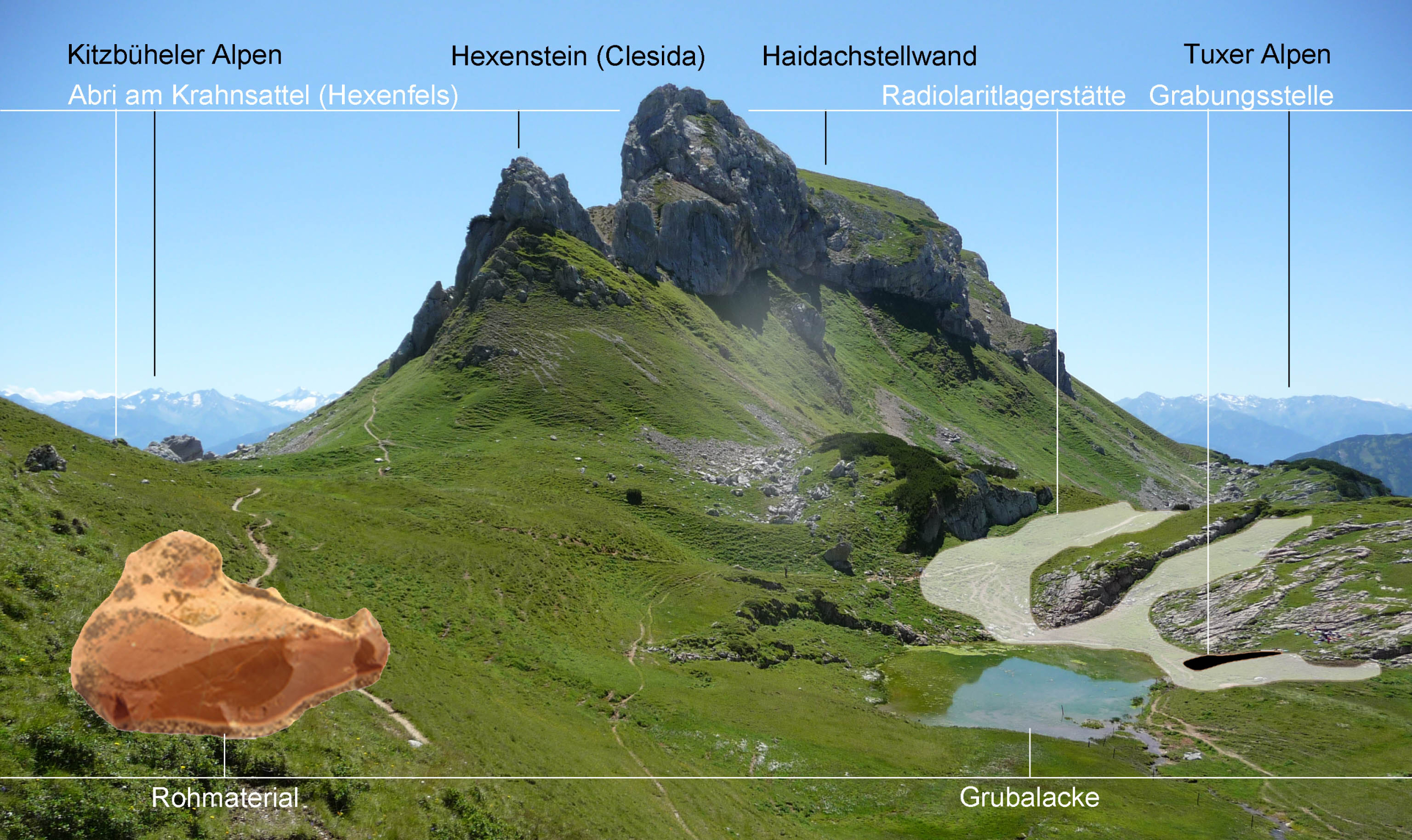
'Tool stones' were not only mined in the Zillertal. The Tyrolean Rofangebirge, specifically the area of the Rofanspitze and the Grubenlacke was one of the places visited by Stone Age people thousands of years ago to mine resources. In this case, to mine radiolarite. As Silex, commonly referred to as 'flint', is very rare in the Alps, the Tyrolean Stone Age people climbed up towards Rofanspitze. Radiolarit is just as easy to work as Silex, i.e. flint, because it allows for sharp edges after processing. It's hard to believe: archaeologists even found flakes of radiolarite in the area of the mountain peak. This suggests that they even climbed mountain peaks. Perhaps also because of the better view.

The 11,000-year-old hunters' camp in the Sellrain

A scientifically researched hunters' camp in the Fotschertal valley in the Sellrain valley was set up 11,000 years before today at 1,860 m above sea level and was repeatedly visited in summer for an estimated 1,000 years. These people of the Middle Stone Age combined their hunting trips (archaeologists even speak of 'summer vacations') with the 'extraction' of furs and antlers. Antlers because their tips were used as 'striking tools' in the manufacture of stone tools. My blog on this: https://www.innsbruck.info/blog/de/menschen-geschichten/seit-11-000-jahren-waidmannsheil-im-sellrain/

Tyrol's mountains have therefore been visited and climbed by people for various reasons for at least 11,000 years:

  • Either as a mountain transition to another valley
  • or as a source of resources such as radiolarite or rock crystal.
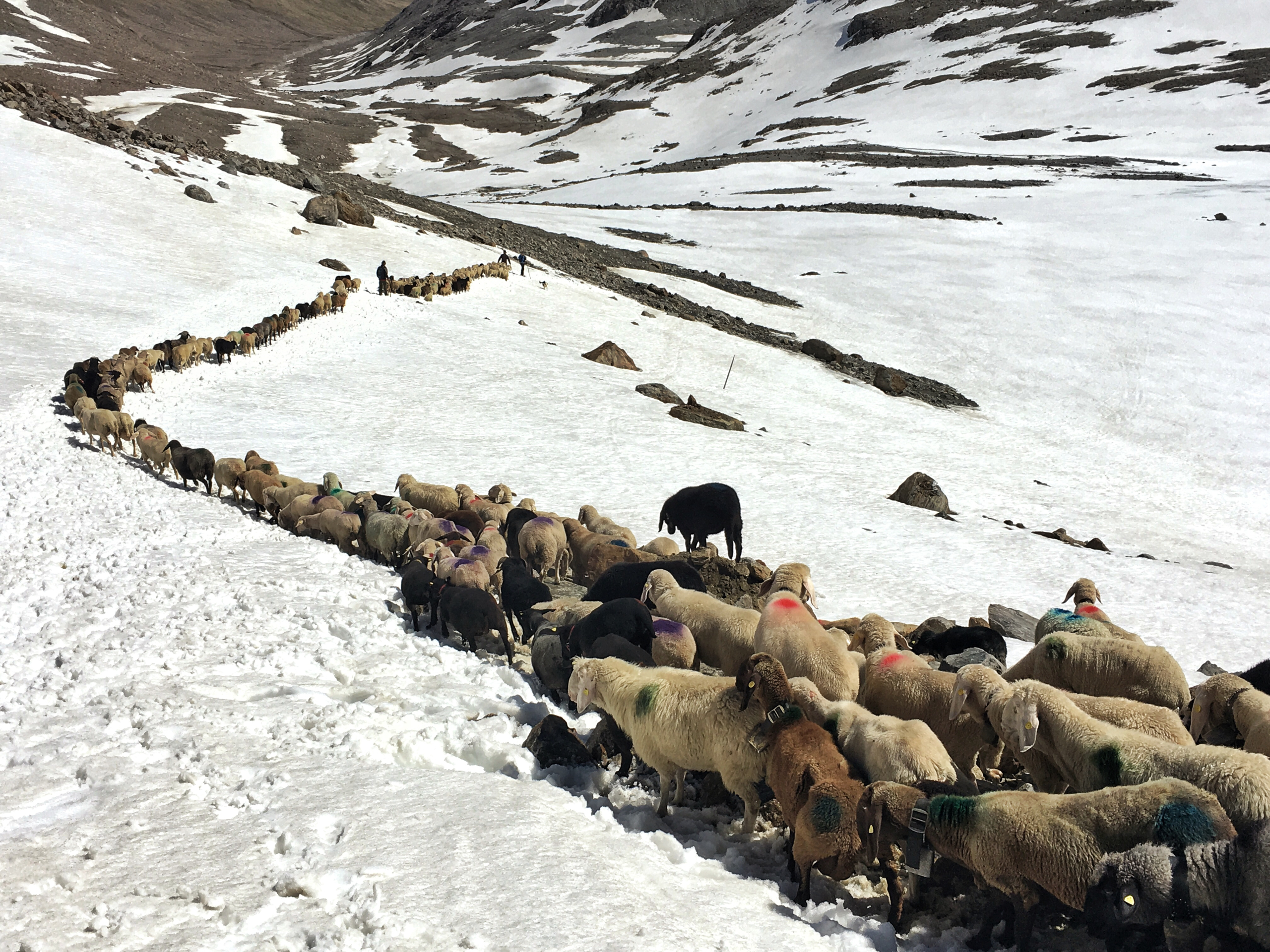
  • Another motivation was to let animals graze on the summer mountain heights, as is still the case in the Inner Ötztal today. This is why the 'age' of the 'transhumance' - the sheep drive from the Vinschgau Valley to the Ötztal Valley - is estimated to be several thousand years old.

Themed tours are a wonderful idea

Why do I wish such themed tours so much popularity? By highlighting the historical background, the participants' knowledge and understanding of individual topics is awakened and deepened. In this case - objects write sports history - there is also the great respect that we should pay to the first mountaineers who visited the mountains when there were neither maps nor GPS and certainly no ski lifts.

The rest of the program in autumn 2025 - "Objects write sports history - on a journey of discovery through the Tirol Panorama"

Once a month, the two archaeologists Nicole Mölk and Thomas Bachnetzer will guide you through the museum's permanent exhibition. Find out more about the traditions and bizarre events that shaped the development of mountain and winter sports in the Tyrolean Alps.

Thu, 30.10.2025, 4 pm, Tirol-Panorama: "At icy heights - the first mountaineers in Tyrol

Thu, 27.11.2025, 4 pm, Tirol-Panorama : "At the limit - Tyroleans on 8000m peaks: Buhl, Kammerlander, Messner & Co.

Thu, 18.12.2025, 4 pm, Tirol-Panorama: Let it Ski - on the development of skiing in Tirol

Info at besucherservice@tiroler-landesmuseen.at or T +43 512 59489-111. admission + 2 € guide fee

All events of the Tyrolean museums are listed here by date: https://www.tiroler-landesmuseen.at/besuch/veranstaltungen/

Similar articles