Per Du with Innsbruck's walls
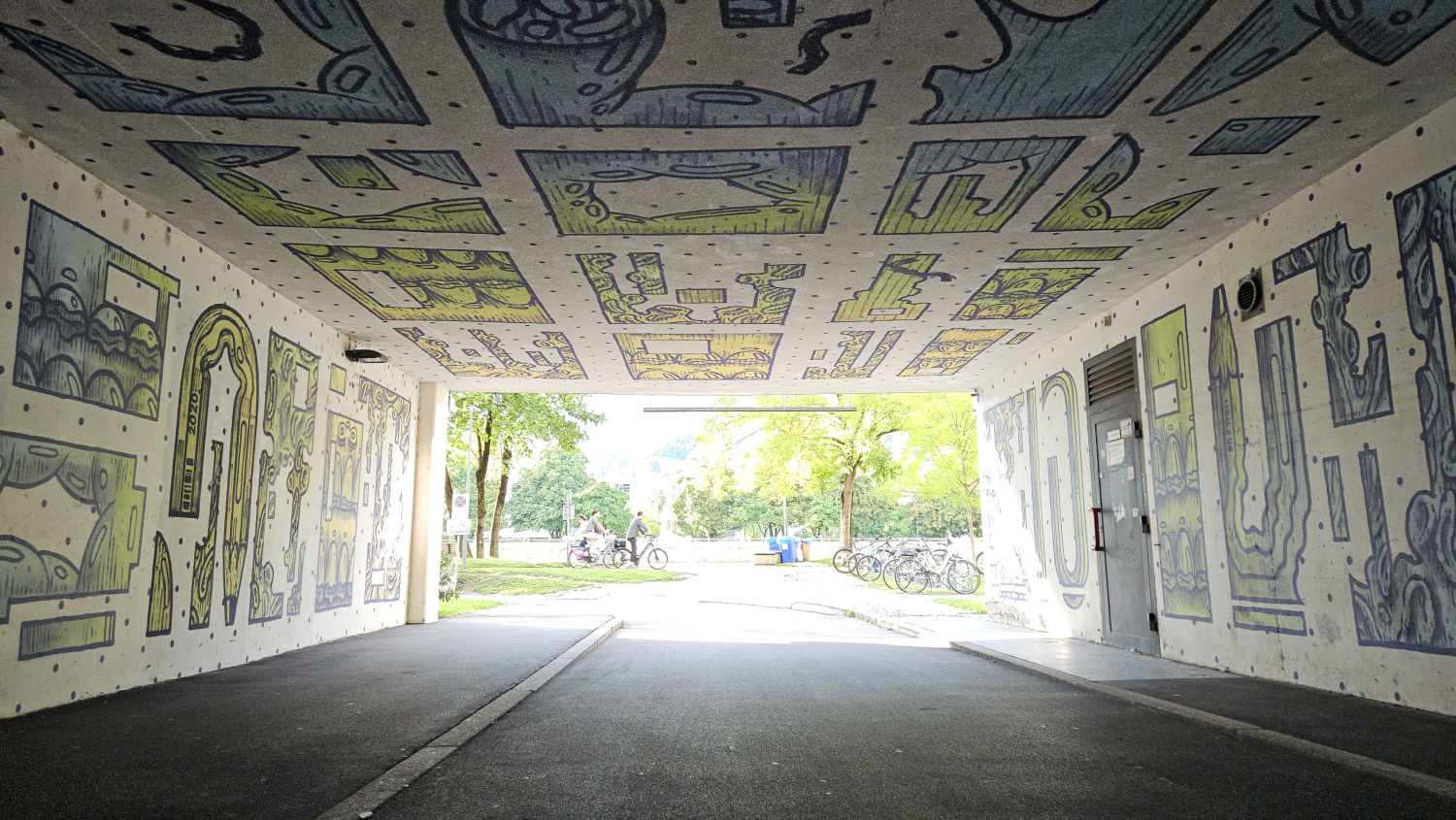
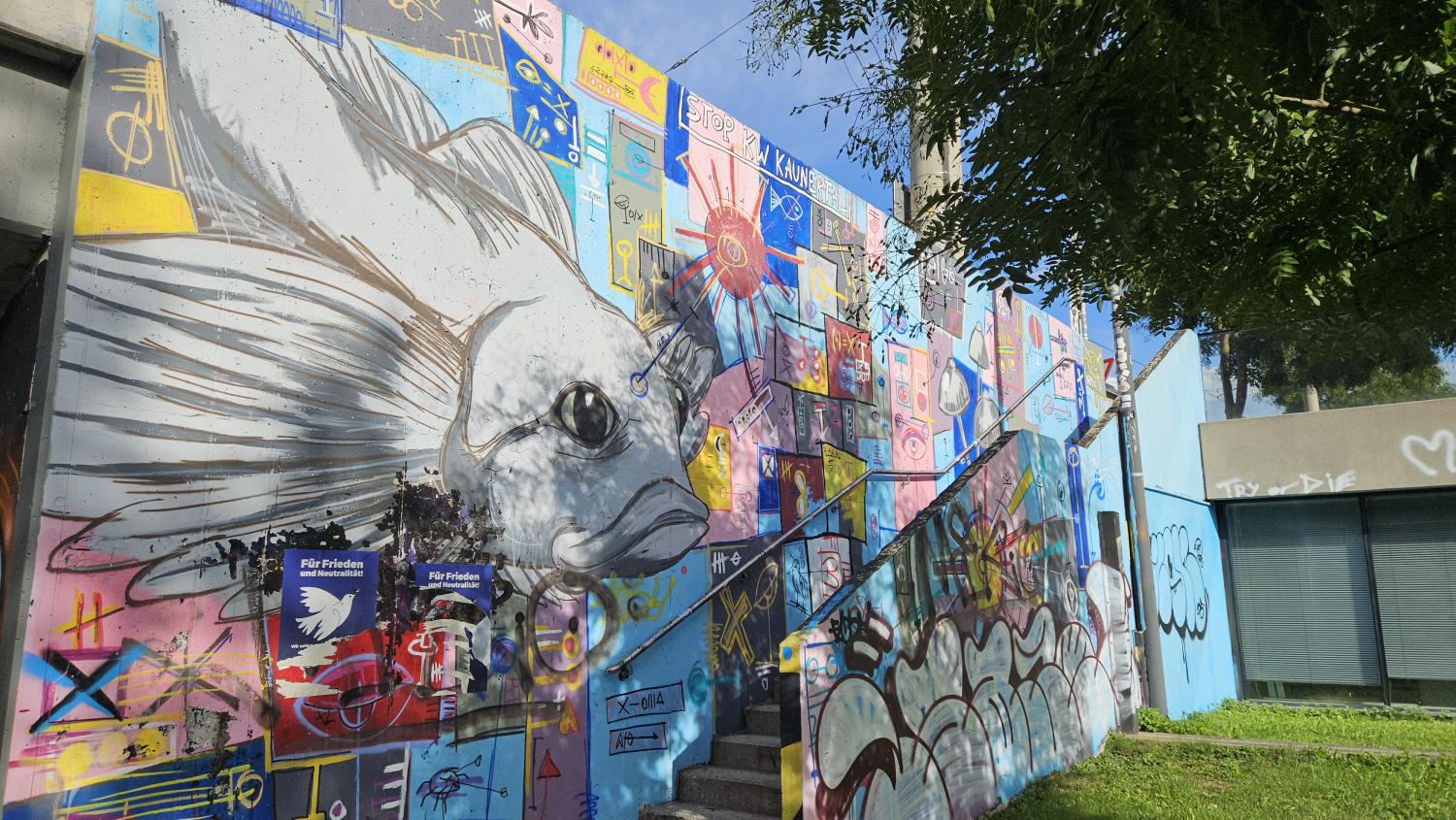
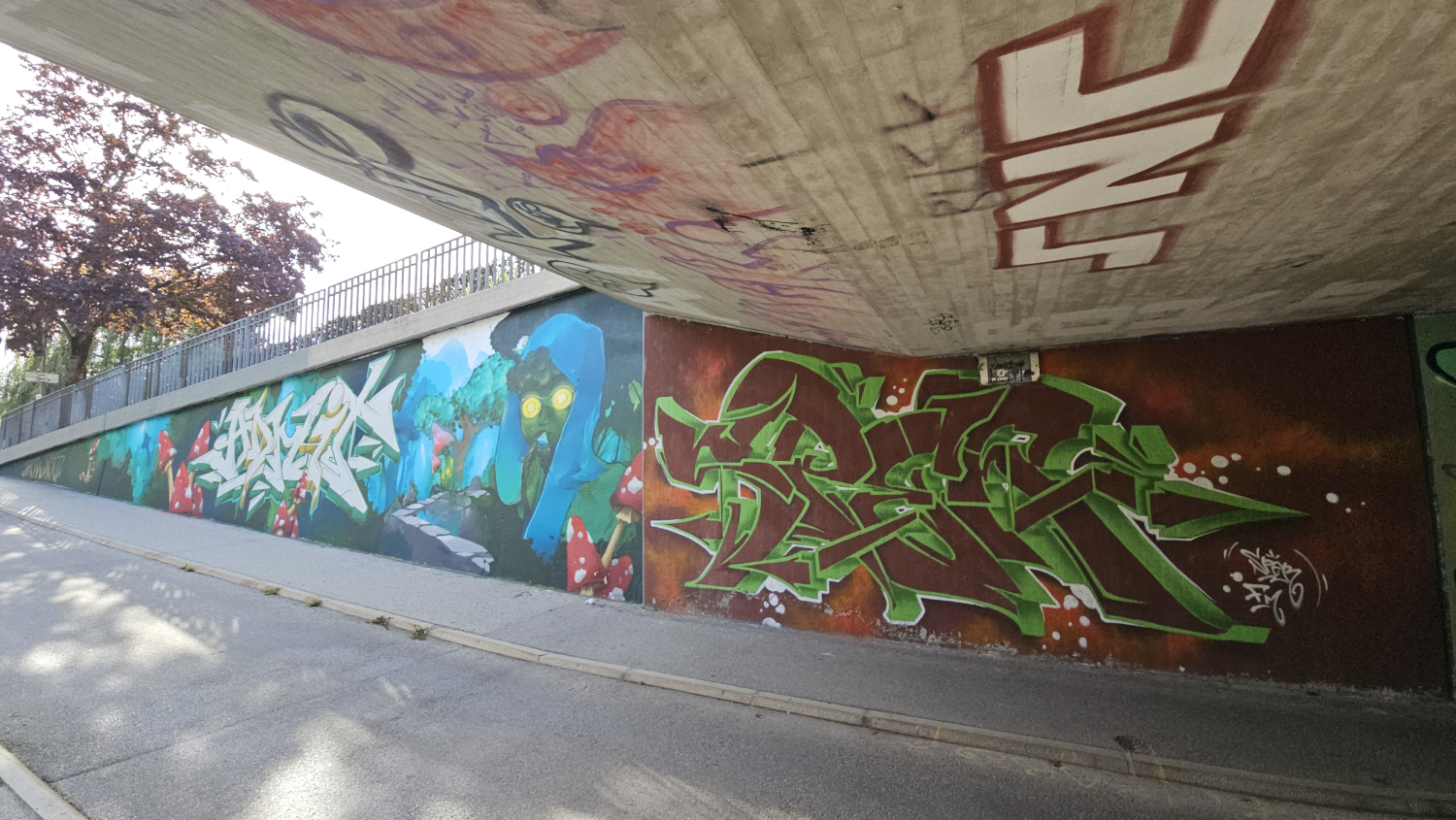
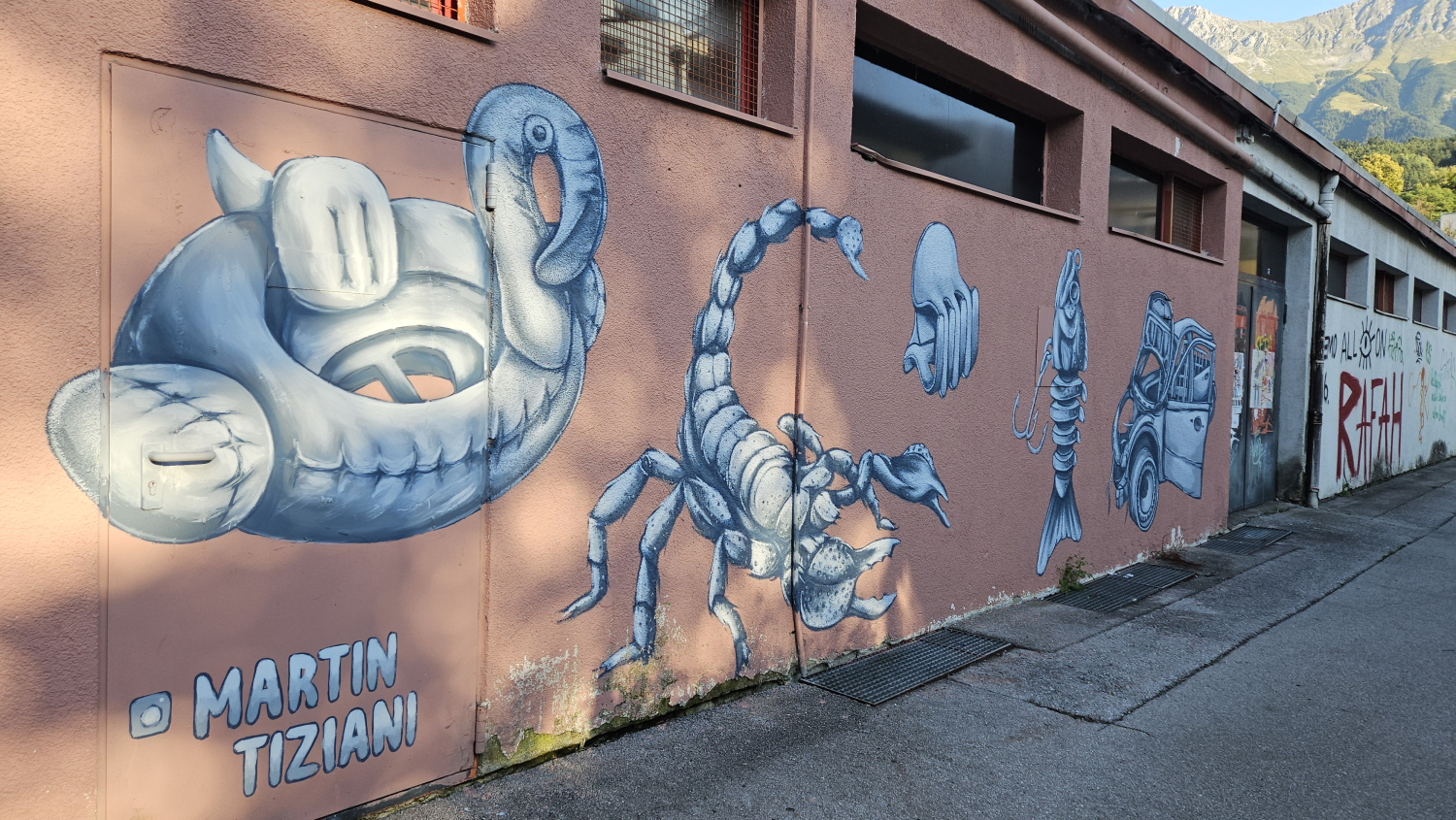
I’ve been living in Innsbruck for ten years, and I always enjoy seeing how the more well-known street art spots change over time. They have a life of their own: art comes and goes, new elements appear, and posters and graffiti cover up parts of it. One artist whose work has regularly caught my eye is the Tyrolean artist Maximilian Prantl, aka HNRX. He gave me a little insight into his creative process:
What makes your style so recognizable?
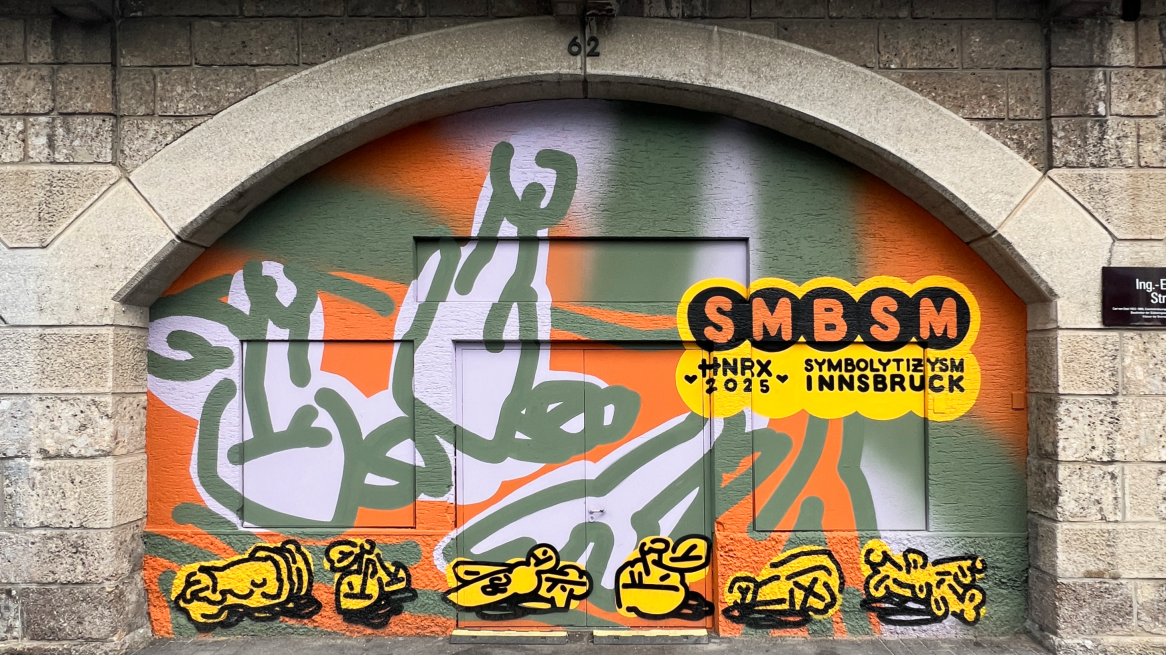
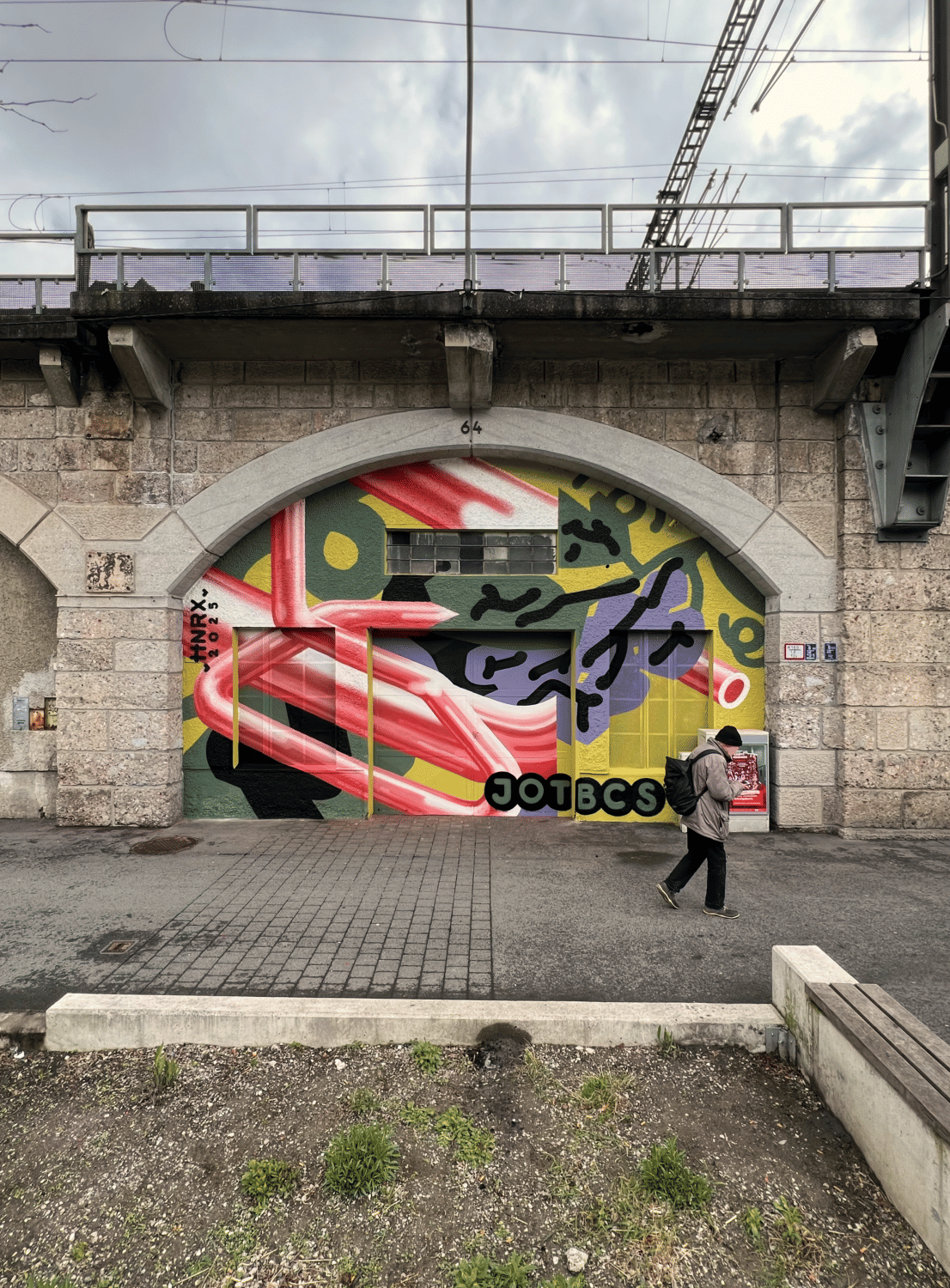
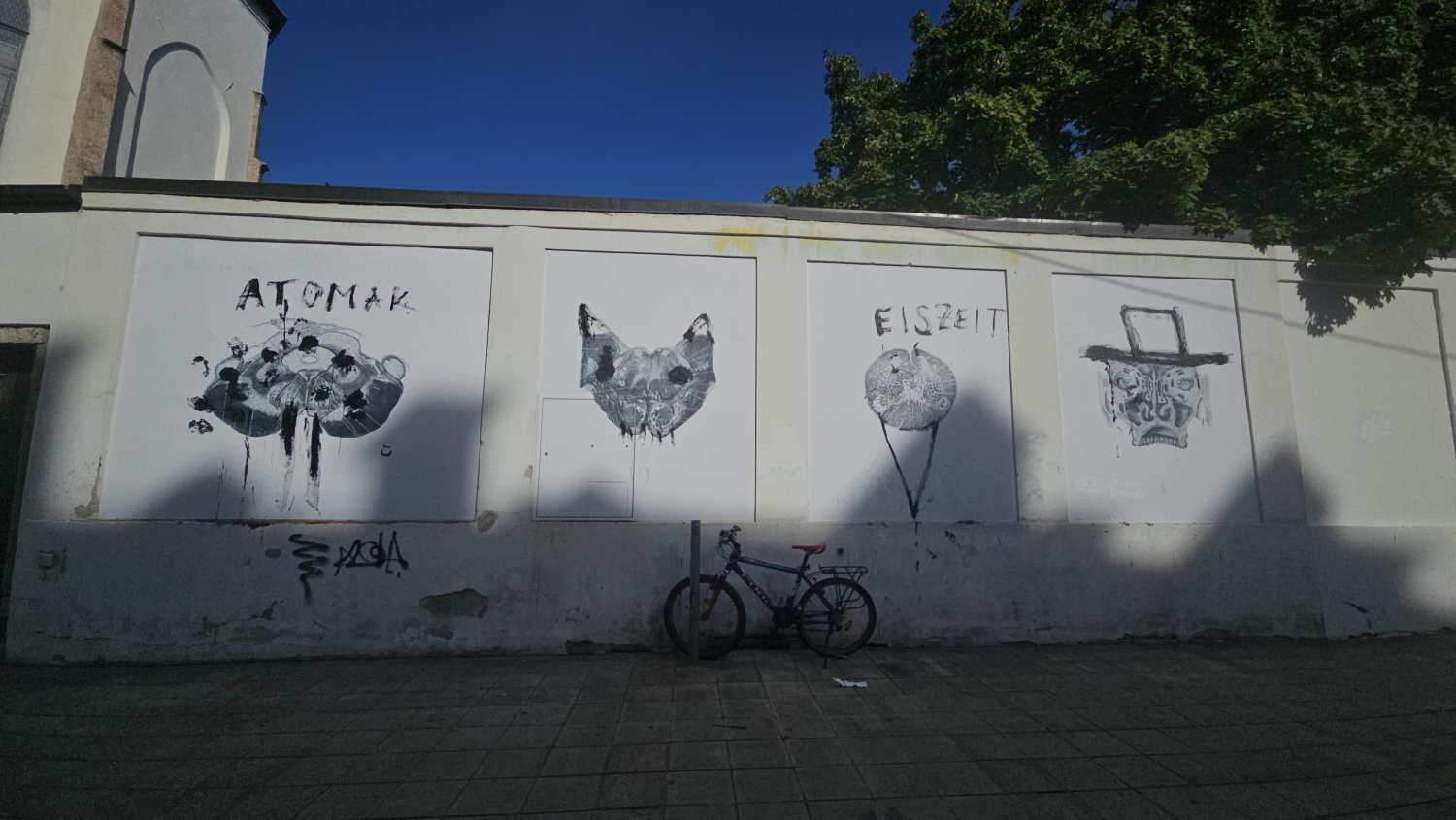
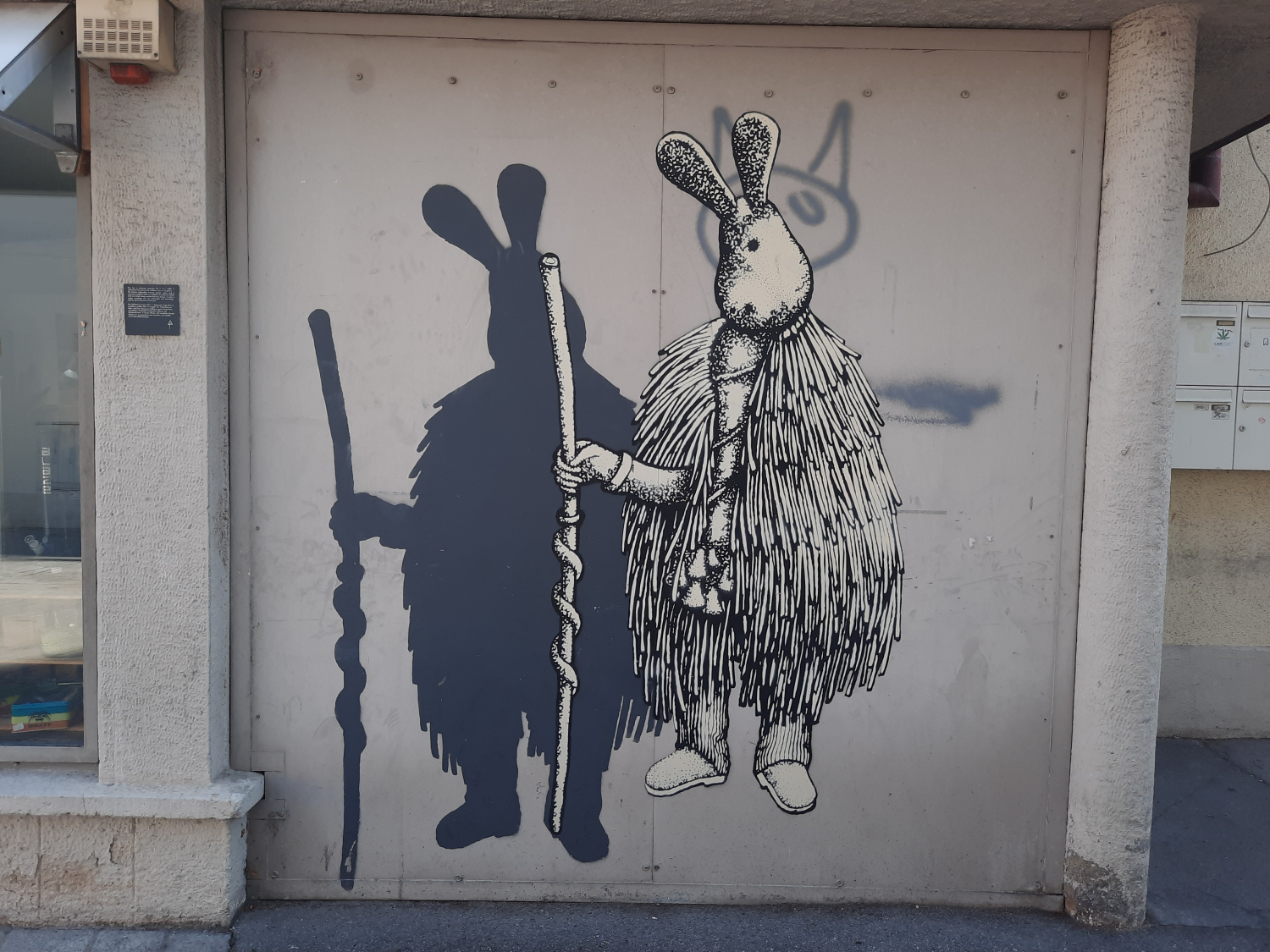
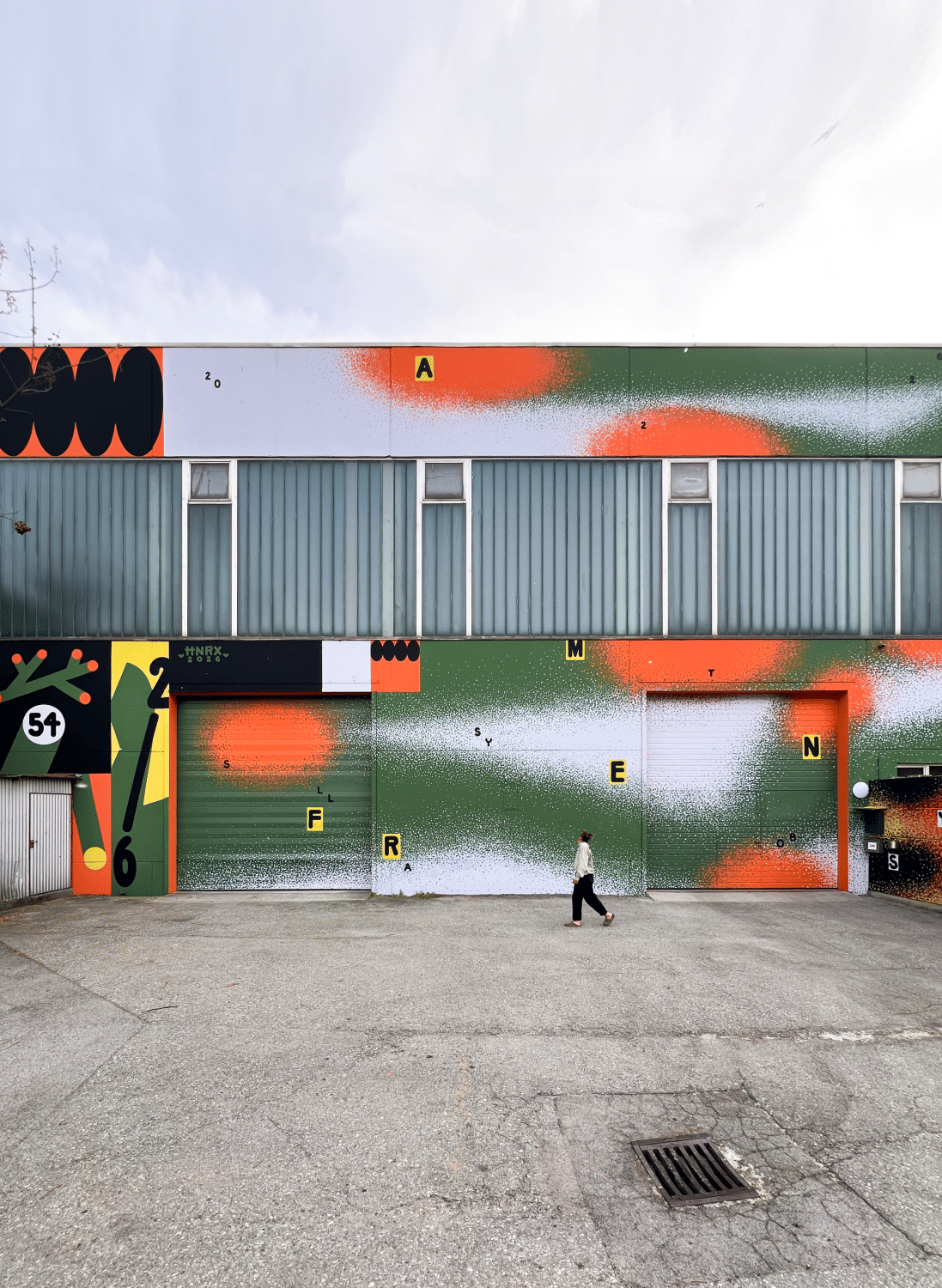
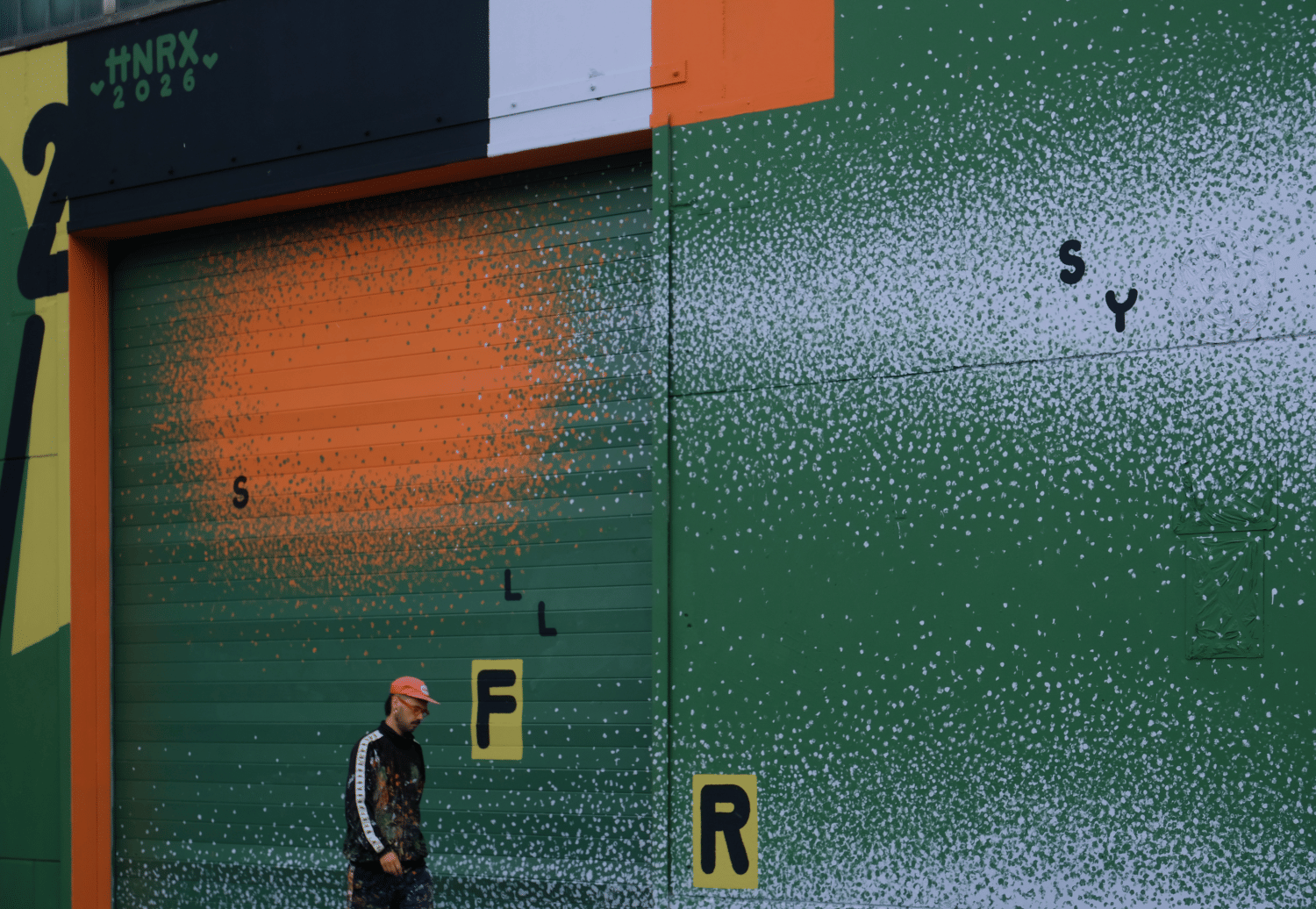
HNRX: My style is very graphic, striking, and often minimalist. It stems from drawing, since I’m fundamentally a draftsman. It’s always about objects—sometimes in fragmented form—that I transfer from my drawings into the digital realm. That’s where the images take shape: everyday objects on paper are imported into a program, and I experiment with them.
If you could choose any space in Innsbruck, which one would you like to design?
HNRX: I can’t think of a specific space off the top of my head, but it would be cool to just tinker with the window frames on a building. So, to work on the window surrounds and leave the rest of the facade relatively white. I really enjoy working with architecture—with the corners and edges. Many people prefer an open space, but I’m glad to have the frames and openings to help me orient myself.
How does it feel to see your own art in public spaces? Do you still notice your works when you walk past them?
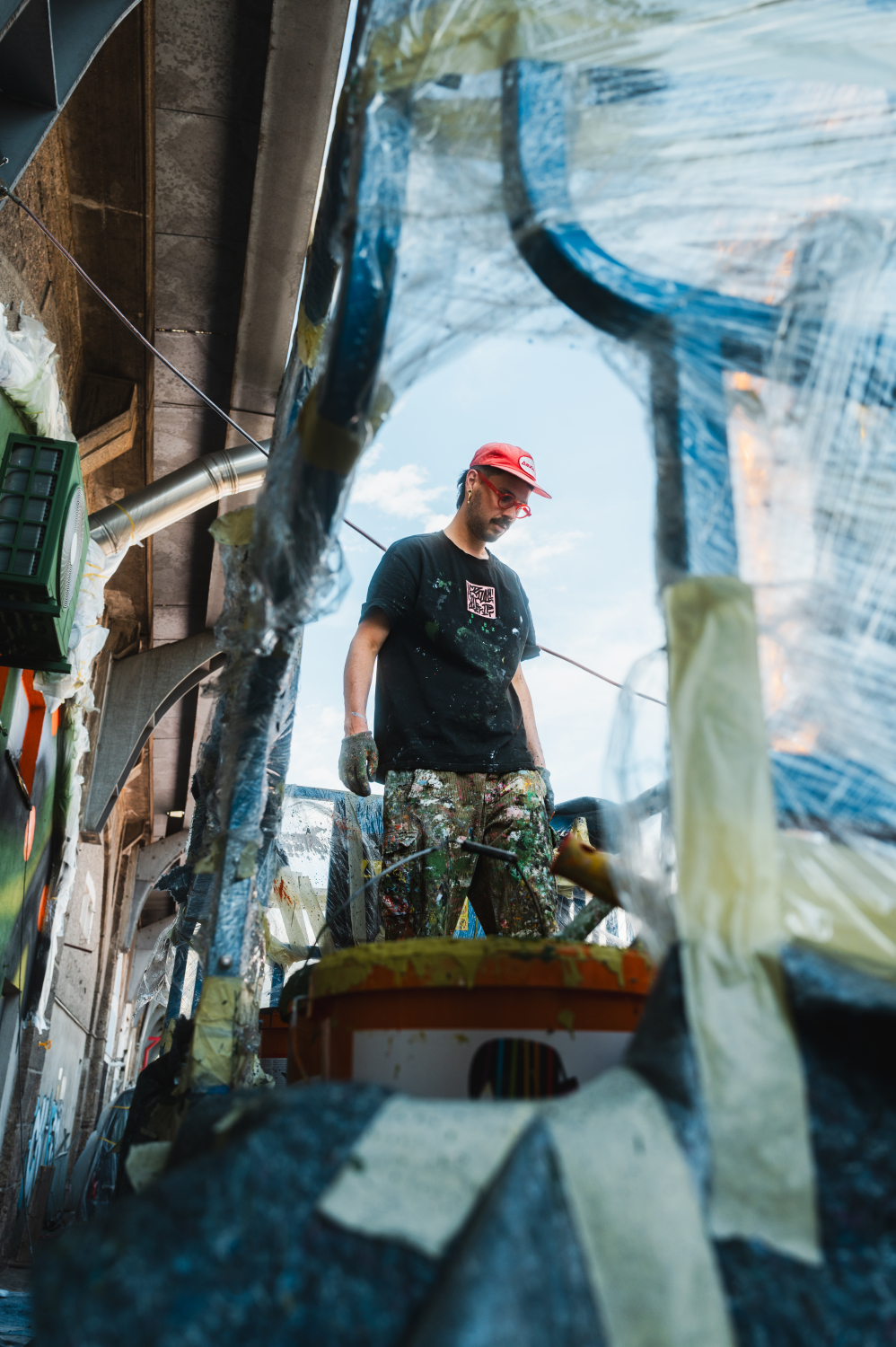
HNRX: Definitely! The process is so long: To get there, you first have to find the right location, obtain the permits, develop the design, and carry out the installation—which also requires spending another three to four days on site. You feel very connected to the place because so many emotions are tied to it. You can’t even imagine everything that happens on site—you really build a genuine connection to it.
Does it make a difference to you whether your works are displayed on the street or in an exhibition?
HNRX: Definitely! Once a year, I have a major solo exhibition that I work toward, in addition to group exhibitions. It’s different in the gallery; you can work more freely there than in public spaces. Outdoors, compatibility is a major consideration—how the work fits into its surroundings. In the gallery, you usually have a “ White Cube ” where you can let your creativity run wild. There, people don’t walk by asking what it is, when it will be finished, and things like that. I like the interaction, but it can be quite intense in public spaces. So these are very different ways of working, although my visual language remains the same—just on a different medium. The next exhibition is in Hamburg, but I need both—this duality.
Thank you very much!