21 August 2026
#
Post originally written in: Deutsch Information An automatic machine translation. Super fast and almost perfect.

A lavishly set breakfast table: crispy bread, creamy butter, yogurt, tangy cheese, and a fresh egg. Wonderful, isn’t it? But how often do we actually stop to think about where all this food comes from? How does the egg get from the chicken’s nest to our breakfast plate—and the milk into our cereal?

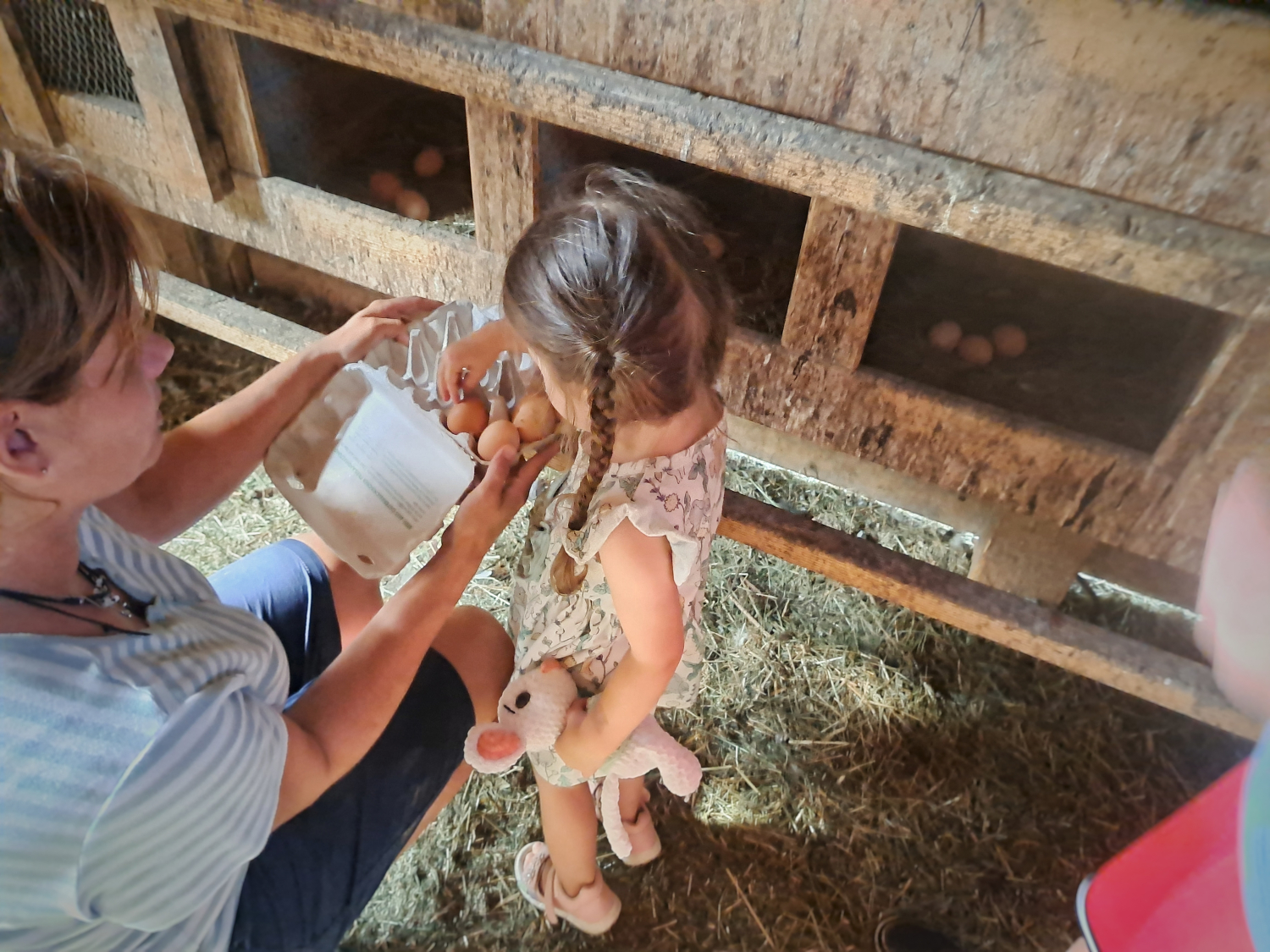
Of course, we know the answer in theory. But when was the last time we actually took an egg from a nest or milked a cow ourselves? As for me—even though I grew up in a village—never. That makes it all the more wonderful to have the chance to take a look behind the scenes and try my hand at it: Every Monday at 4:30 p.m., a real organic farm in Mutters invites children and families to experience everyday farm life up close.

Mutters: One of the most beautiful villages in Tyrol

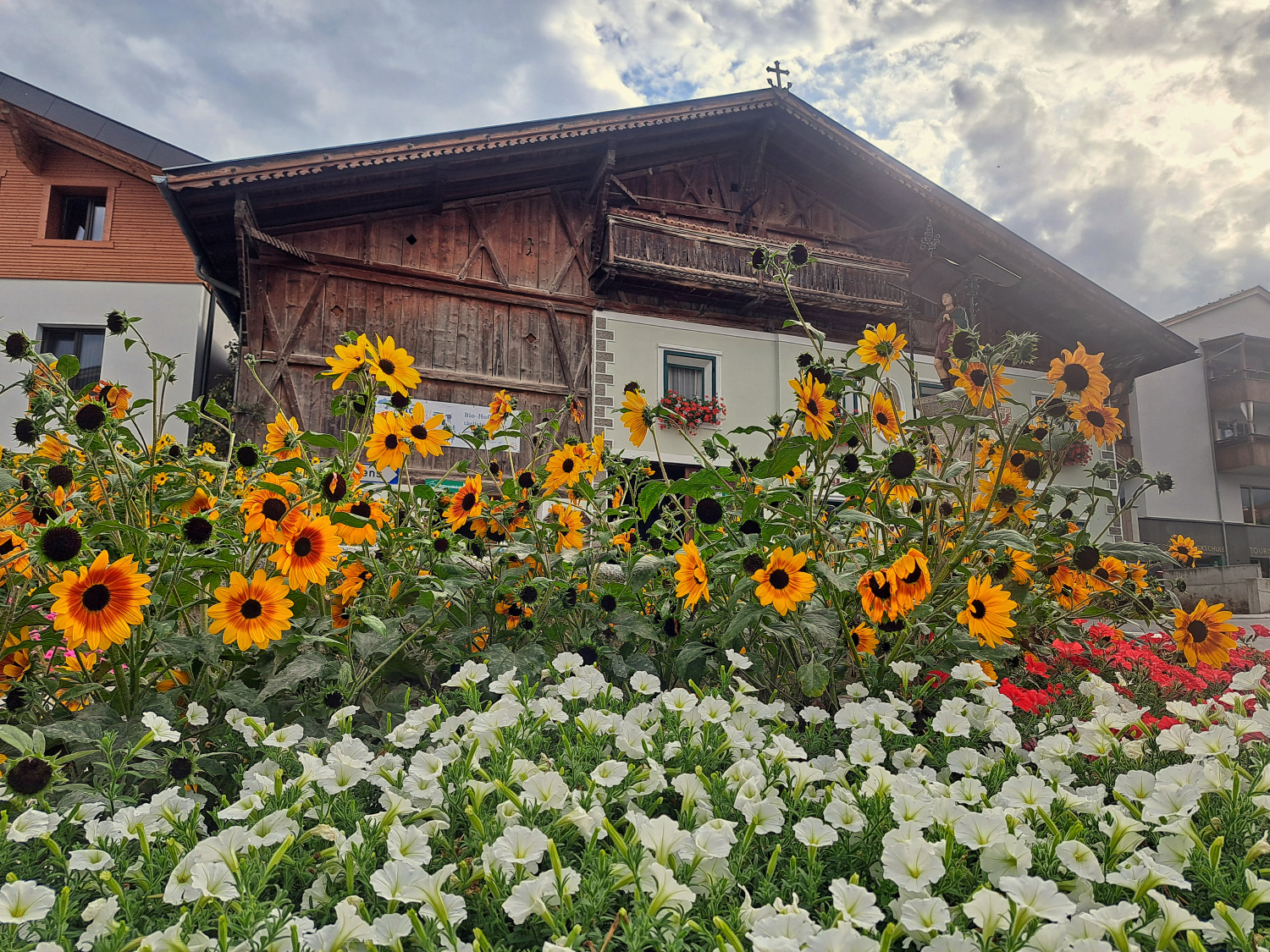
Mutters is, in my opinion, one of the most beautiful villages in Tyrol, especially in the summer. It’s located just a few kilometers south of Innsbruck and is easy to reach by both public transportation and car. My family and I are particularly drawn to the Muttereralm —a true paradise for cyclists, hikers, and families. However, we haven’t actually visited the village itself all that often. We usually just drove right through Mutters and didn’t get out until we reached the Muttereralm parking lot. A mistake, as I’ve since realized. Because Mutters is a small, idyllic village that really shows off its special charm, especially in the summer. That’s when everything is in full bloom: One house is decorated more lovingly than the next, and even the streetlights are adorned with flowers. Is there a secret competition for this, or do the residents simply take great joy in decorating? I don’t know. One thing is certain, though: the result is impressive. It’s no coincidence that Mutters has already been named “Tyrol’s Most Beautiful Village” twice.

Exciting for Young and Old: A Visit to the Organic Farm

The organic farm [/notrans]Mesneranderl[/notrans] is located right in the center of Mutters, directly on Dorfstraße and right next to the tourist information office —which is also the meeting point for the farm tour. I went along with my ten-year-old son. As soon as I saw the group, I thought, “Oh, this could be interesting. I hope he doesn’t get bored,” since he was by far the oldest child. But I couldn’t have been more wrong! I can tell you this much right off the bat: The tour was truly exciting—for everyone. Whether you’re a toddler, an elementary schooler, or an adult—there’s something for everyone to discover, learn, and, of course, try out for themselves on the farm.

Right off the bat: I learned something new again

To start off, we get a brief introduction and learn a little more about the farm. The “ Mesneranderl ” is what’s known as a “ Mittertennhof.” For anyone who—like me—doesn’t know what this term means: It’s a historic farm building style common in Tyrol, where the living quarters, barn, and threshing floor are all united under a single roof. Learned something new again! Of course, I’ve seen farms like this many times before—but without knowing they had their own name. And the “ Mesneranderl ” has another special feature: it’s a hereditary farm. The family has every reason to be proud of this, as the designation means the farm has been run by the same family for at least 200 years.

Visiting the Chickens

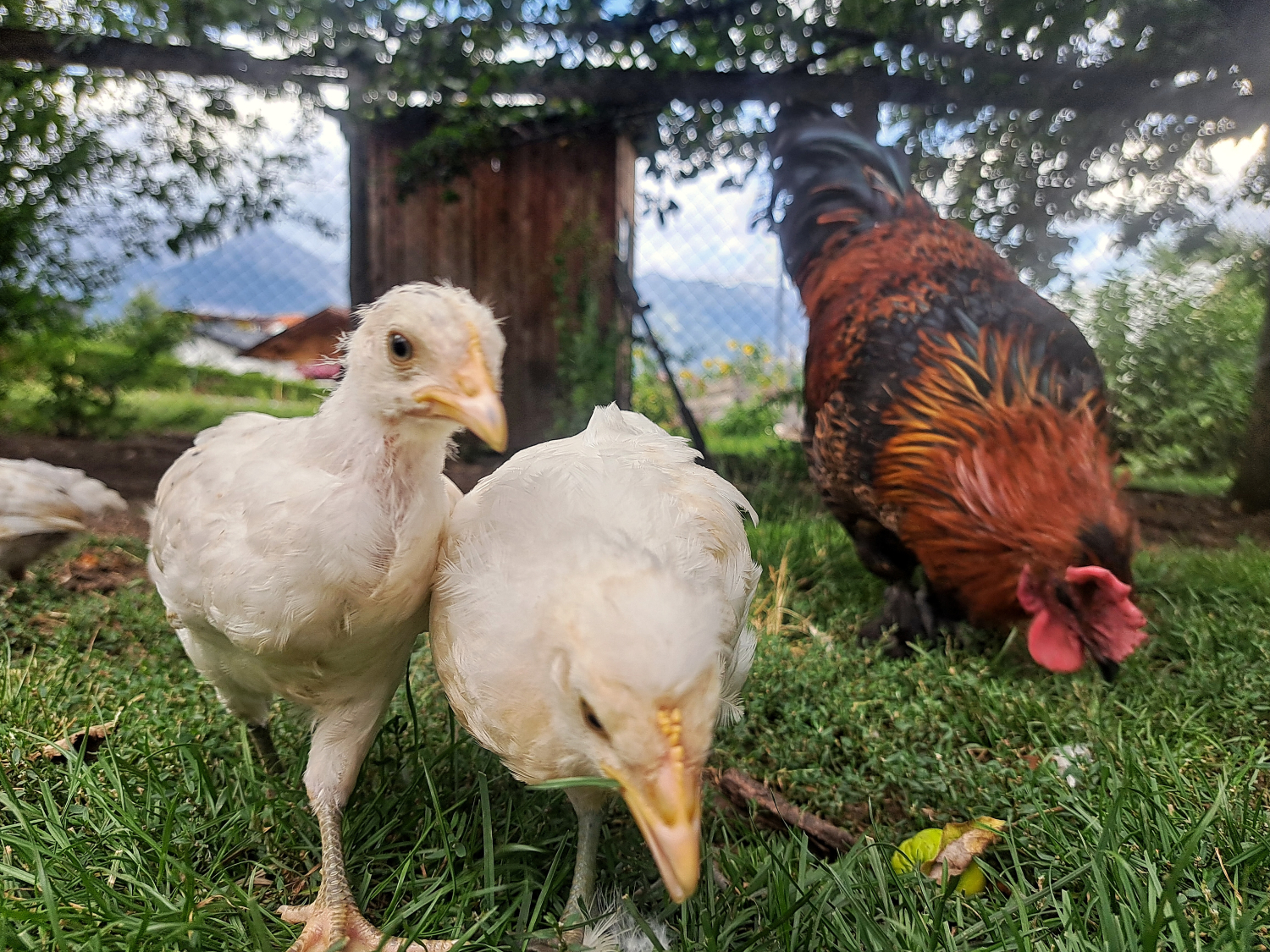
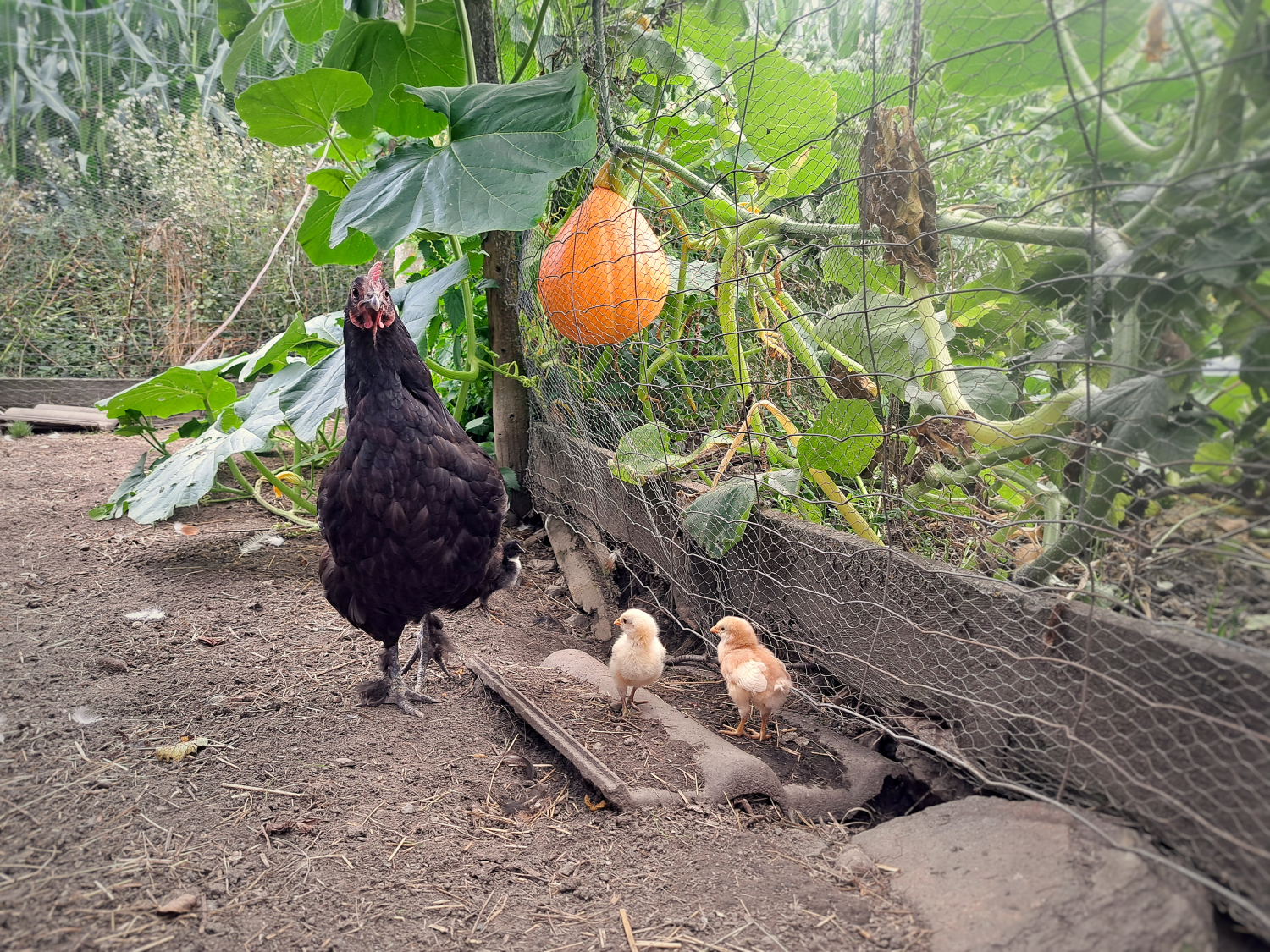
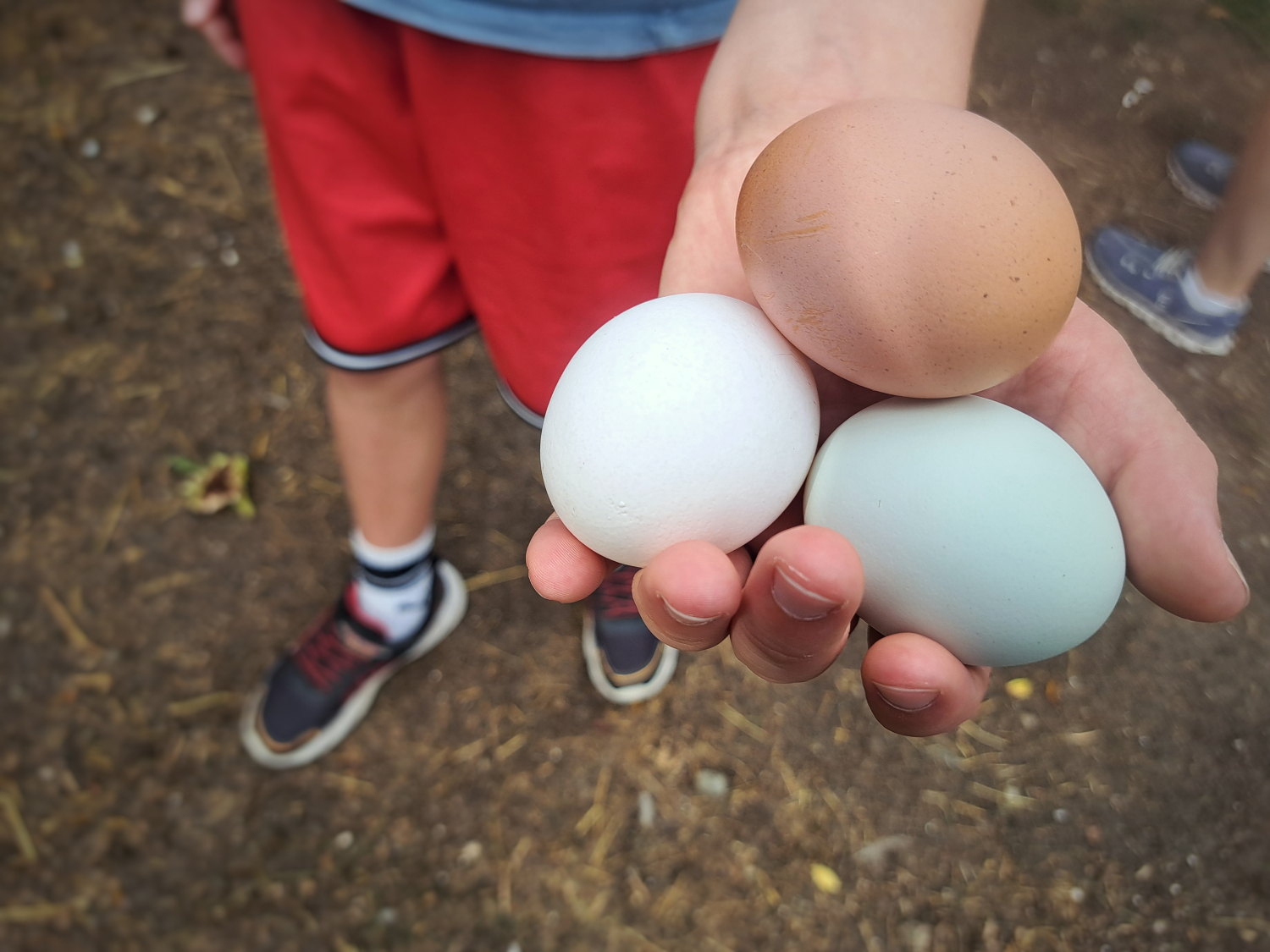
Now we’re really off to see the animals—and to my surprise, they’re not right on the farm at all. We set off on foot, and I’m once again completely captivated by how beautiful Mutters is in the summer. Our first stop is with the hens and piglets. And I have to say: If you’re going to be reborn as a chicken, please let it be at the “ Mesneranderl ”! Here, the hens are free to roam, scratch, peck, and just be chickens. As we watch them, we learn a few new things ourselves. For example, you can actually tell what color a chicken’s eggs will be by looking at its earlobe—the small flap of skin below the eye. Chickens with white earlobes usually lay white eggs, while those with red earlobes mostly lay brown ones.

Just one pet, please

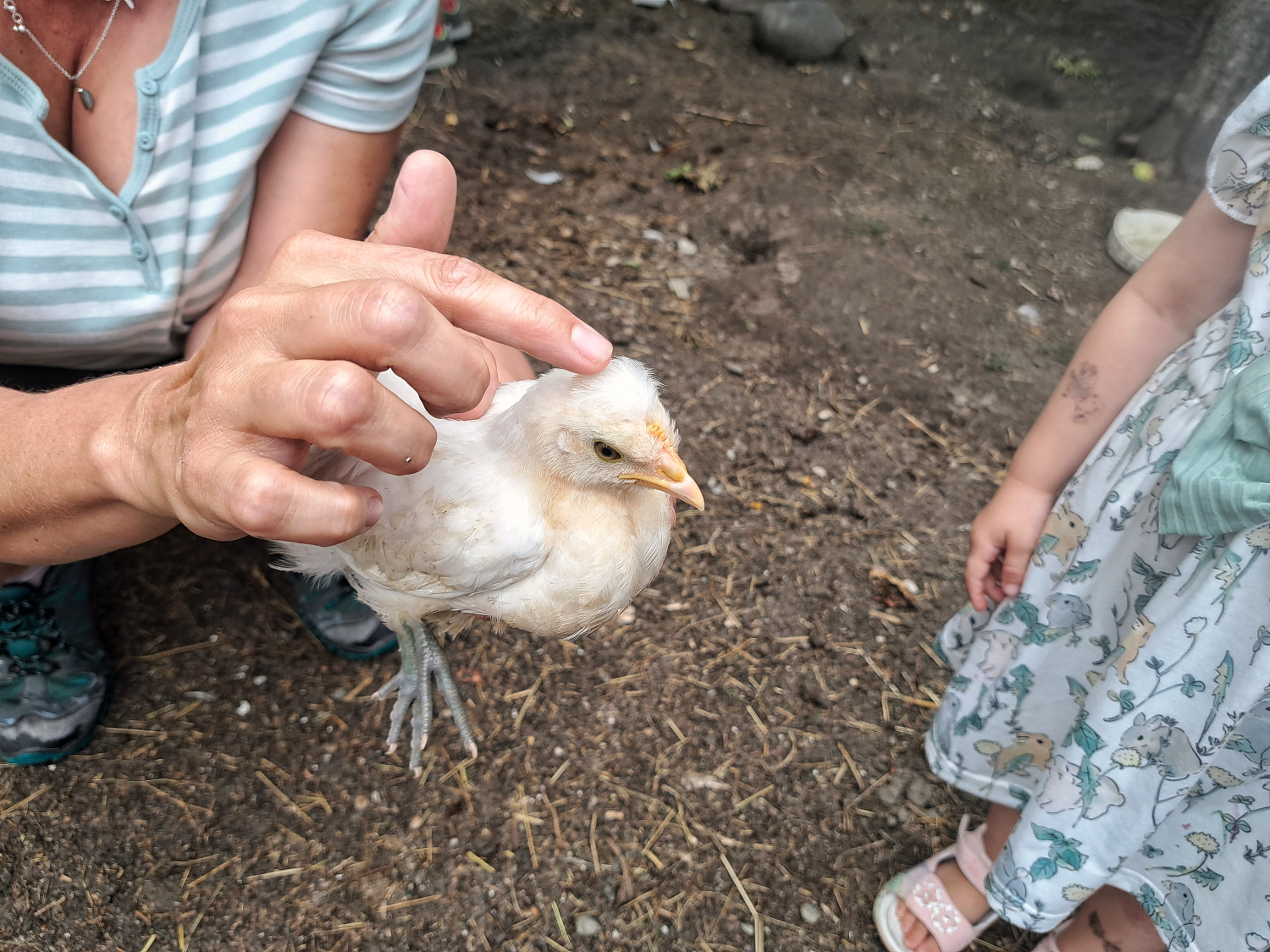
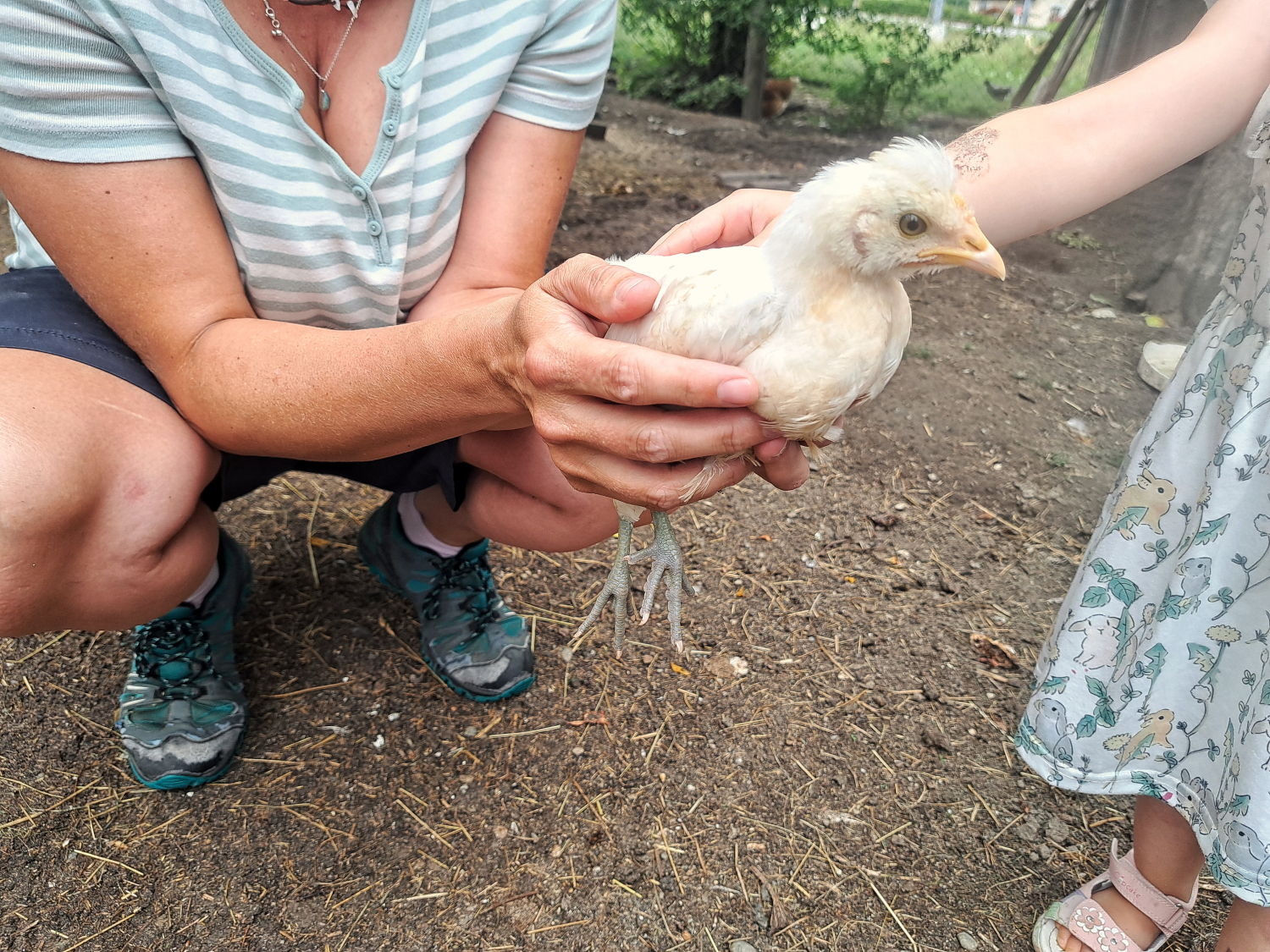
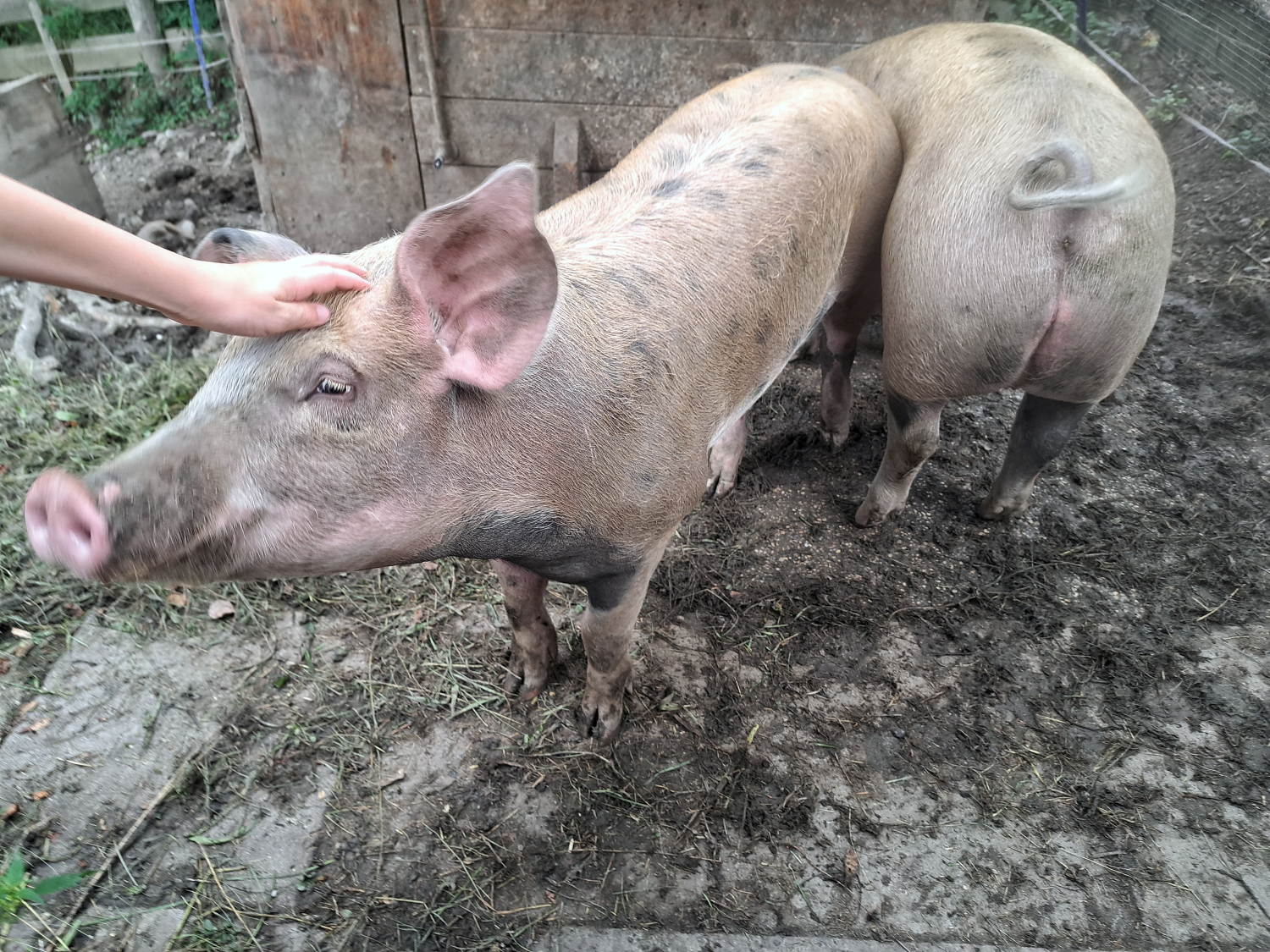
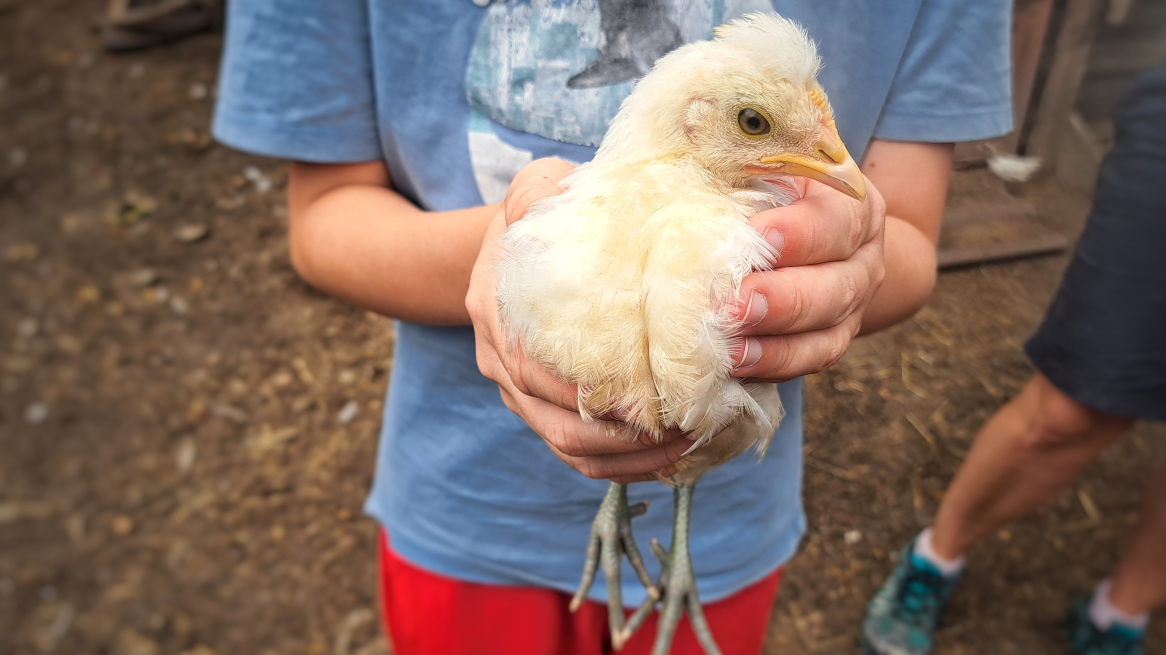
We’re also learning some fascinating things about incubation: A hen sits on her eggs for about 21 days. My son looks at me in disbelief: “What, they just sit there for 21 days?” Carina explains to us that the mother hens even have to be encouraged to eat and take their little “bathroom breaks.” “Wow, I’d rather go to the swimming pool,” is my son’s not-so-surprising verdict. Afterward, the children get to feed the chickens and even carefully hold the little chicks in their hands. It’s delightful to watch how gently even the youngest ones handle them. The pigs can be petted, too—though they don’t seem all that interested. They’re reluctant to be distracted from eating.

Why Curly Tails Aren't a Given

Then things get serious for a moment: Carina points out to us that the piglets here still have their curly tails. In conventional pig farming, however, these tails are sometimes docked to prevent so-called tail-biting. This is a painful behavioral disorder that can result from stress, lack of space, and a lack of stimulation, among other factors. To be honest, this makes me angry. Because once again, it becomes clear what a difference the farming system makes to the animals’ well-being —and how important it is to consciously examine where and under what conditions our food is produced.

Organic—but for real

Which brings us right to the next topic: organic. For Carina and her family, this is far more than just a trend—they truly live an organic lifestyle in every aspect of their lives. The fields aren’t sprayed, and the weeds are still pulled by hand. It’s an incredible amount of work, but according to Carina, it’s worth it: “The soil is still alive here. Insects are bustling about, and flowers bloom among the stalks of grain.” In addition, the organic farm is a member of the “Tyrolean Grain Project,” an initiative that promotes the cultivation of heirloom, regional, and climate-resilient grain varieties.

Off to the Cow Barn

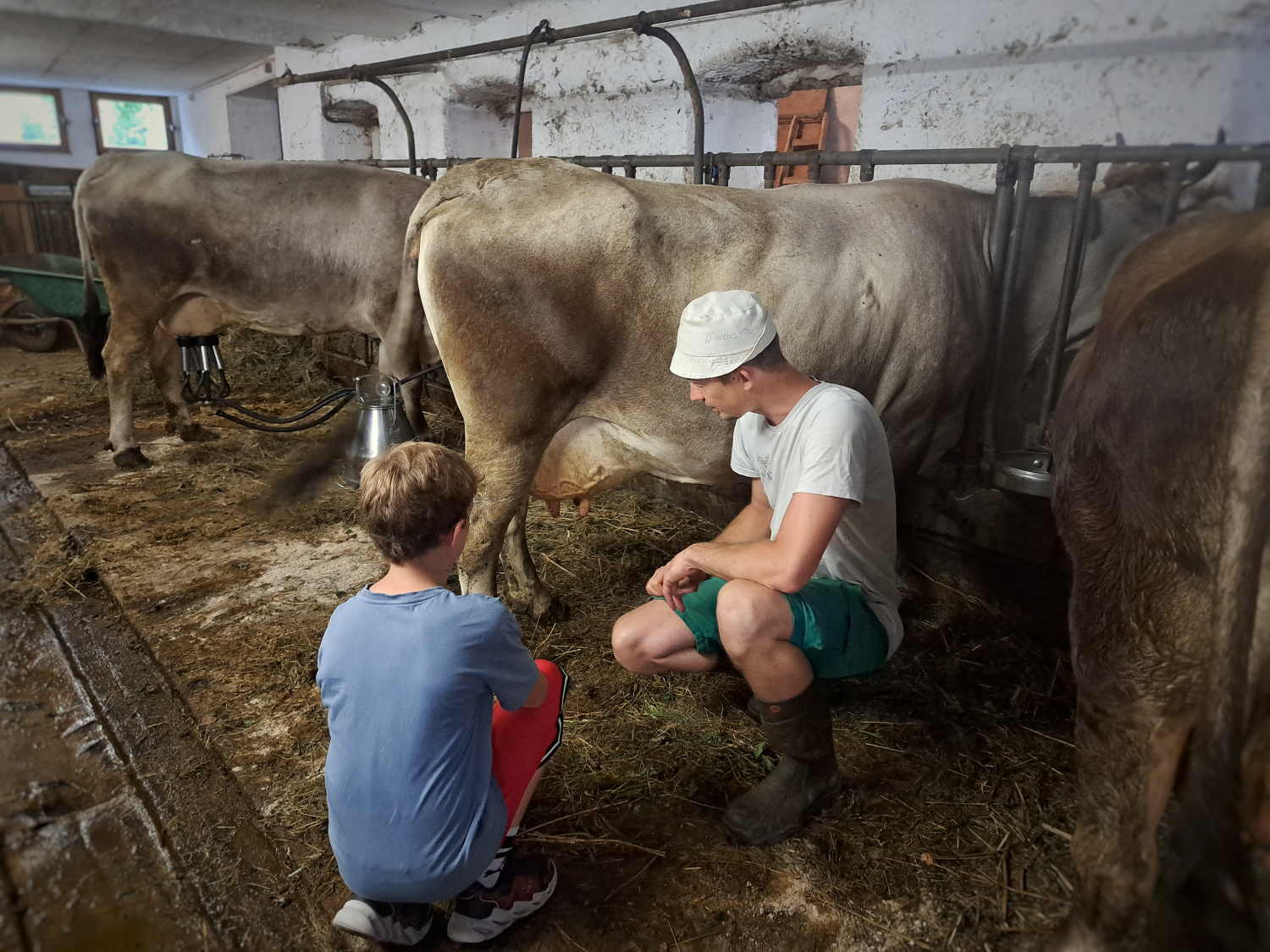
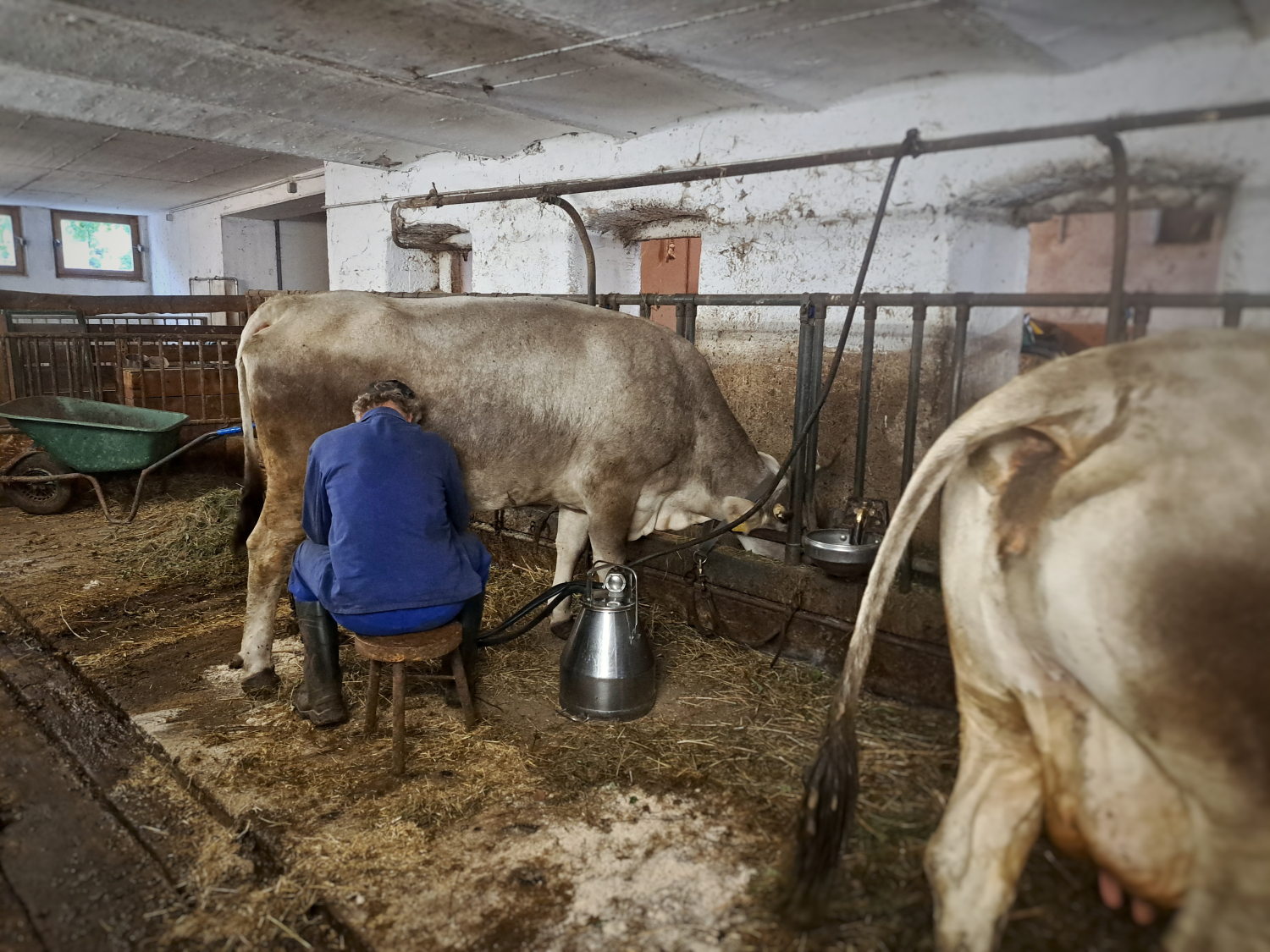
The farm tour ends back at the farm itself—more specifically, in the barn, where the next highlight is already waiting for visitors young and old. After all, who’s ever had the chance to milk a cow with their own hands? Not me, anyway. And to be honest, I didn’t dare try this time either. My son was a whole different story: He jumped right in and gave milking a try. Of course, I was super proud of him! We also got to help with feeding. And I think the cows were really happy about the extra grass and hay, too.

Finally, a stop at the farm stand

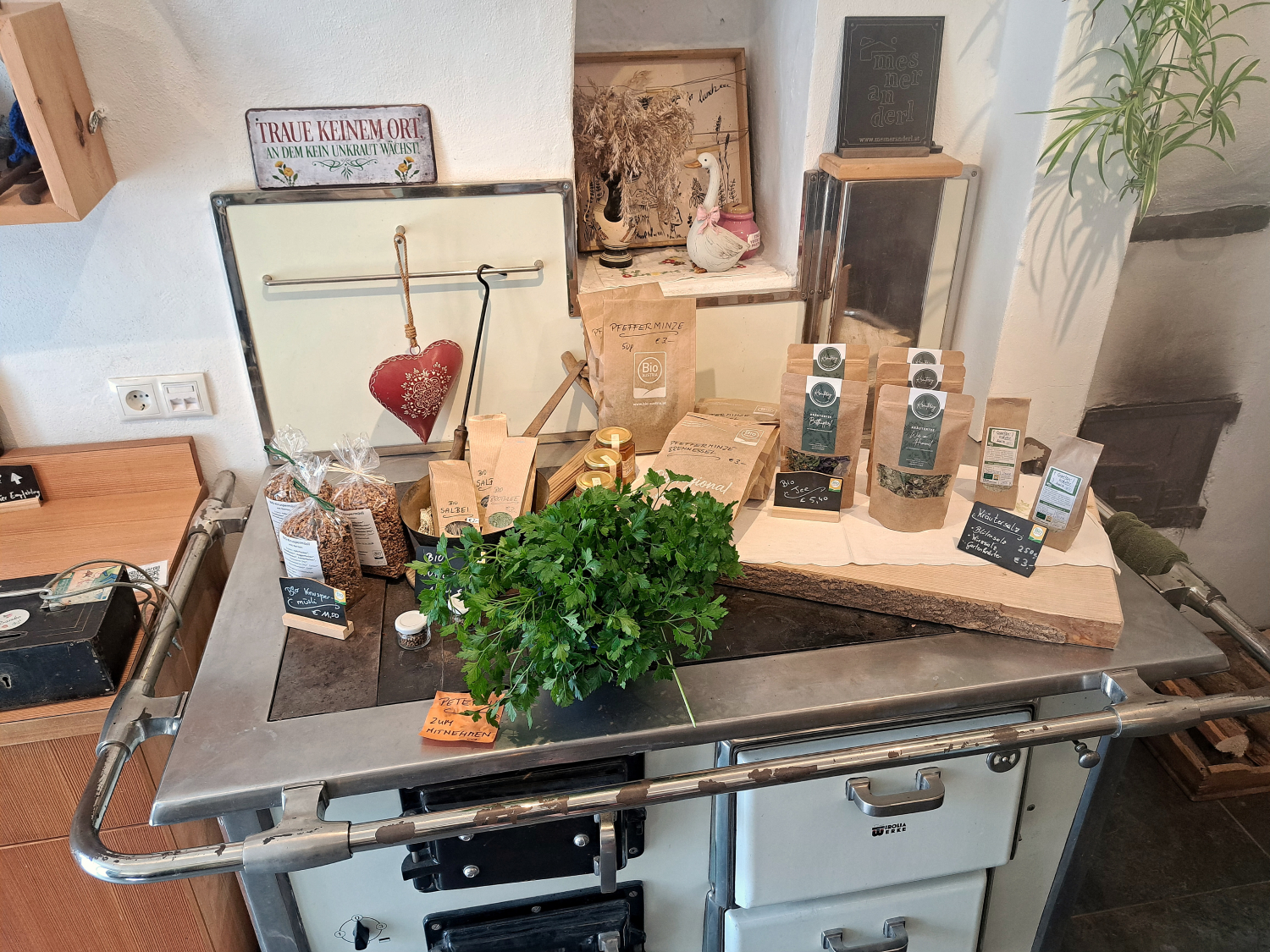
Before heading back home, I definitely recommend making a quick stop at the farm store. Not all the products come directly from Mesneranderl, but they’re all sourced from the region. So you can shop to your heart’s content here with a clear conscience—and maybe even take a little piece of the farm experience home with you.

So much more than “just” petting animals

I can definitely highly recommend the farm tour for kids and families in Mutters. And it’s certainly not just interesting for our guests—it’s just as fascinating for locals. For me, the tour was much more than just petting a few animals: It illustrates very clearly where our food actually comes from, how much work goes into it, and what a difference it makes in how animals are cared for and how a farm is managed. Especially if animal welfare is close to your heart, this behind-the-scenes look is particularly worthwhile.

All the info at a glance

When: Every Monday at 4:30 p.m.

(As of August 2026. Please check with the Mutters Tourist Information Office for the latest information)

What to bring: Sturdy shoes and clothing that can handle a little barn dust!

Meeting point: Mutters Tourist Information Office, Schulgasse 1 | 6162 Mutters

Price: Price with Welcome Card: 5 to 10 euros. A valid Welcome Card must be presented before the farm tour begins! Children 4 and under are free.

Participation is also possible without a Welcome Card.

Minimum number of participants: 4

Click here to book

Similar articles