Naturpark Karwendel Manuel Stabentheiner
18 August 2025
#
Post originally written in: Deutsch Information An automatic machine translation. Super fast and almost perfect.

As a nature park guide, I regularly accompany guests through the nature park Karwendel, giving them exciting insights into the flora and fauna, sharing interesting facts about the history of the nature park and important topics such as climate change and biodiversity. With this article, I would also like to give insights to those who have not yet had the opportunity to experience the nature park in person.

Access to the nature park Karwendel

The nature park can be visited via various access points. One of the main access points is Nordkette, which can be reached directly from Innsbruck, first with the Hungerburg- and then with the Nordkettenbahnen. This allows visitors to easily reach the alpine world of the Karwendel mountains within 30 minutes from Innsbruck's old town.

Up by train

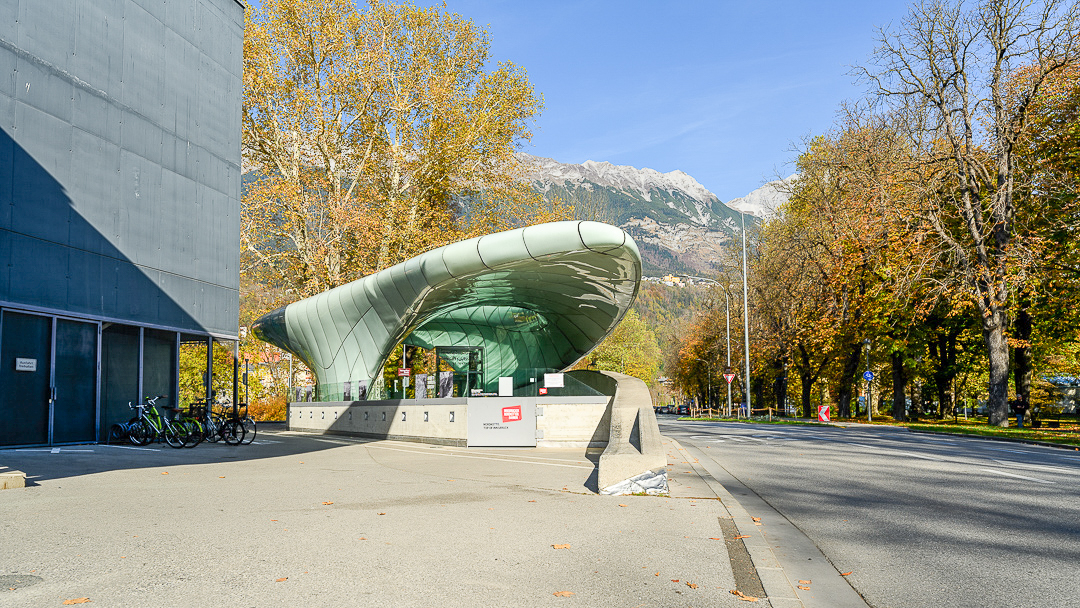
Our tour starts at the Congress station of the Hungerburgbahn in Innsbruck. As with the other stops on the Hungerburgbahn, the architect Zaha Hadid was inspired by the region's ice and snow landscapes when planning the station. The train takes about eight minutes up to Hungerburg station, where you can already enjoy the first beautiful view over the city. We continue with the Nordkettenbahn, first to Seegrube and then, after another change, all the way up to Hafelekar. With a bit of luck, you might spot an ibex or two climbing around below the cable car.

Urban vs Alpine

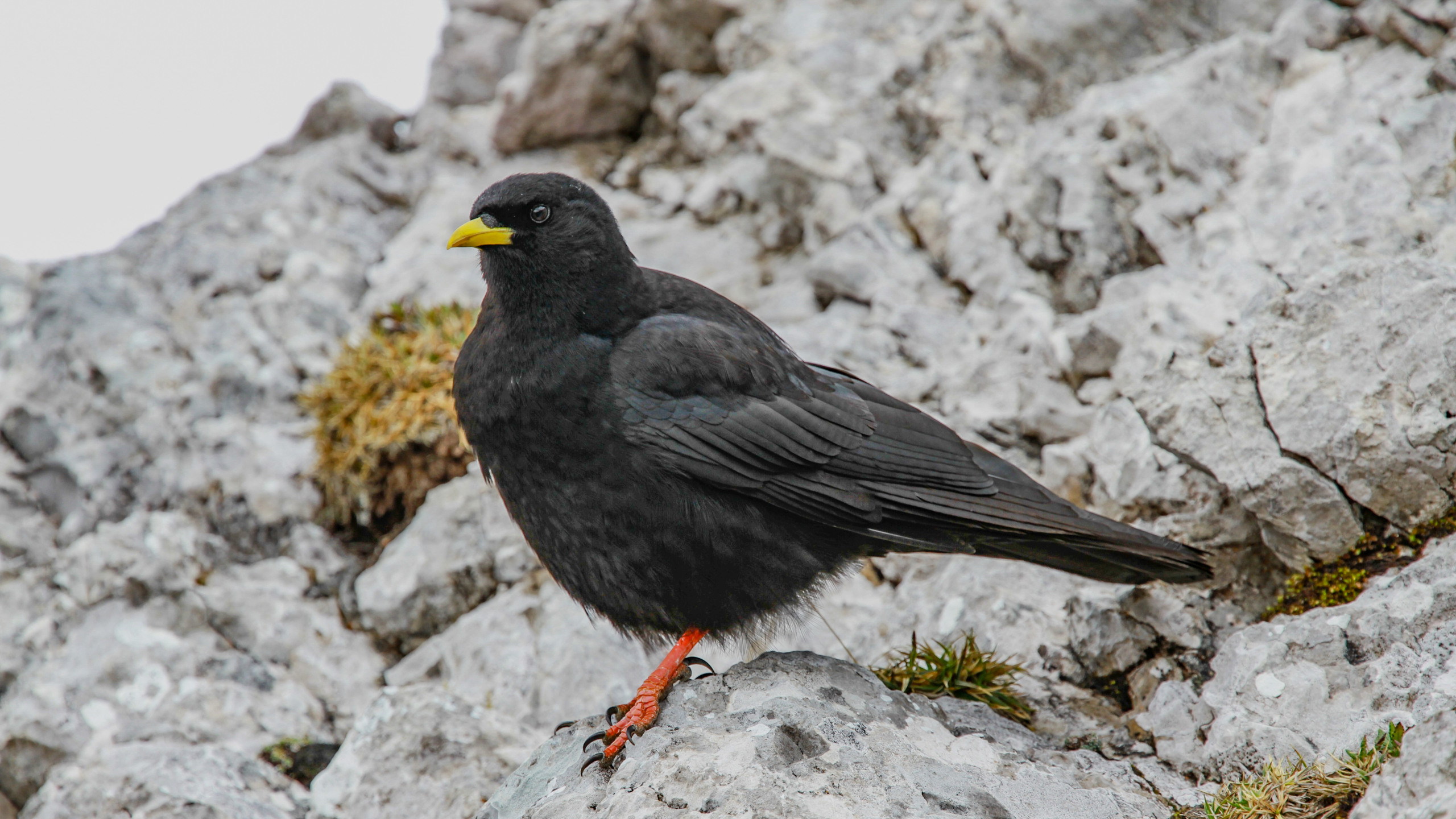
As soon as we leave the mountain station, we are hit by a strong wind with fresh, cool air. From here, we have a wonderful view over Innsbruck and can observe the first alpine inhabitants using the wind for their acrobatic flight maneuvers, demonstrating the importance of freedom with their lightness. Alpine choughs are perfectly adapted to the conditions up here and have learned to take advantage of the presence of humans. So it can happen that an unguarded plate suddenly becomes empty. In winter in particular, these survival artists are repeatedly drawn down to the city, where they go in search of food. They can even be seen clinging to the vertical facades of high-rise buildings.

Time travel into the primeval sea

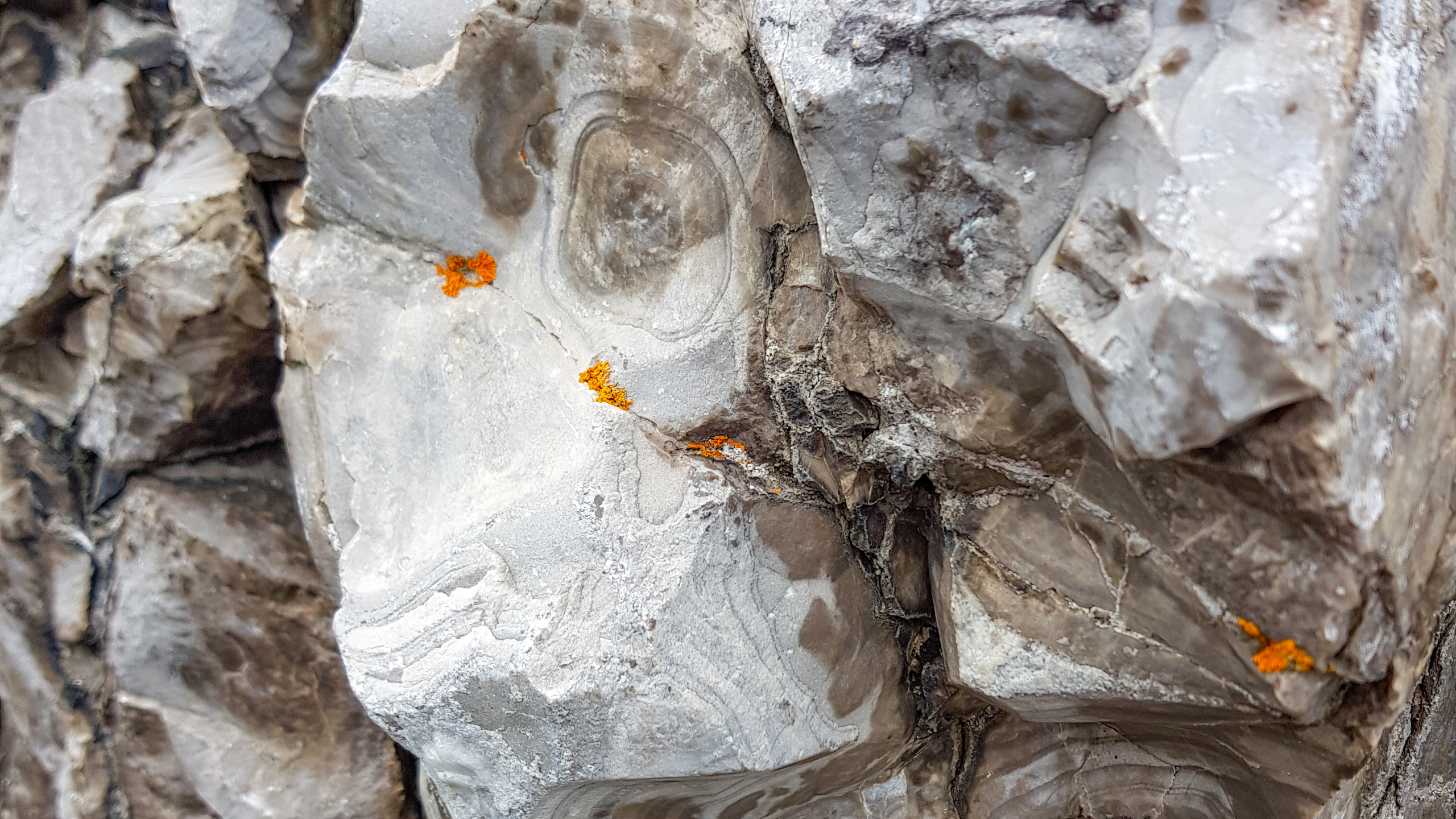
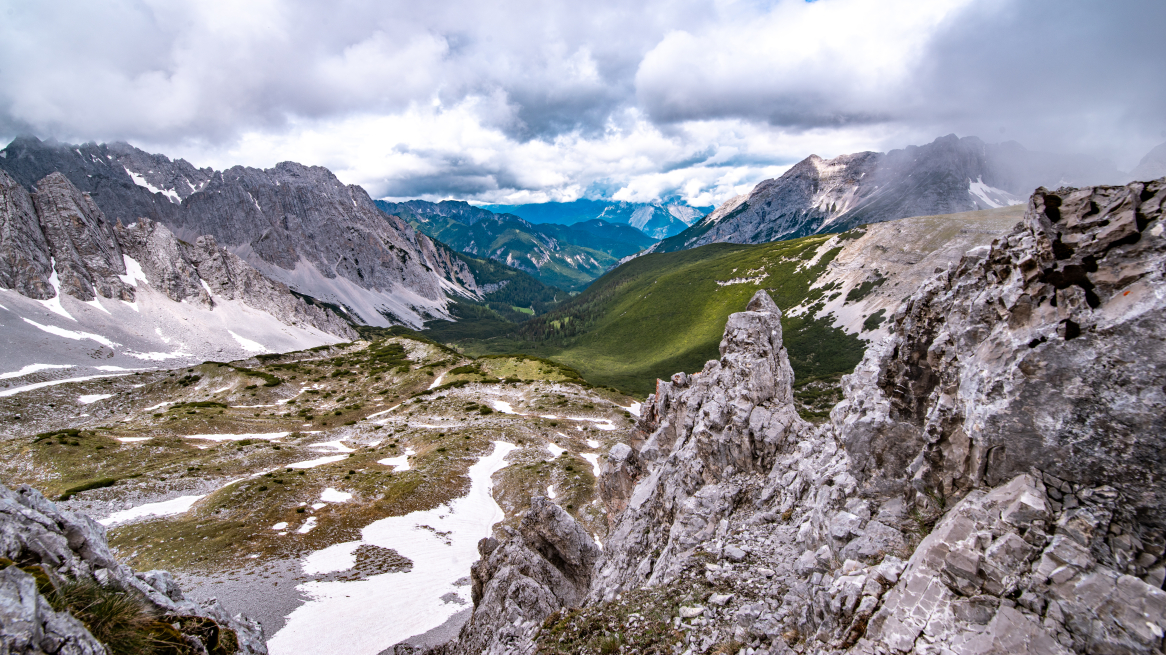
We make our way to the Hafelekarspitze and then follow the Geosteig trail. As we walk along this path, we take a look at the geological features of the Karwendel. The Karwendel mountains consist mainly of Wetterstein limestone, a rock that formed around 230 million years ago in a prehistoric sea. At that time, the calcareous remains of reef-building organisms were deposited on the seabed. As the continental plates shifted, these sedimentary layers were folded up and are now responsible for the striking rock formations and peaks that we can now admire.

Austria's largest nature park

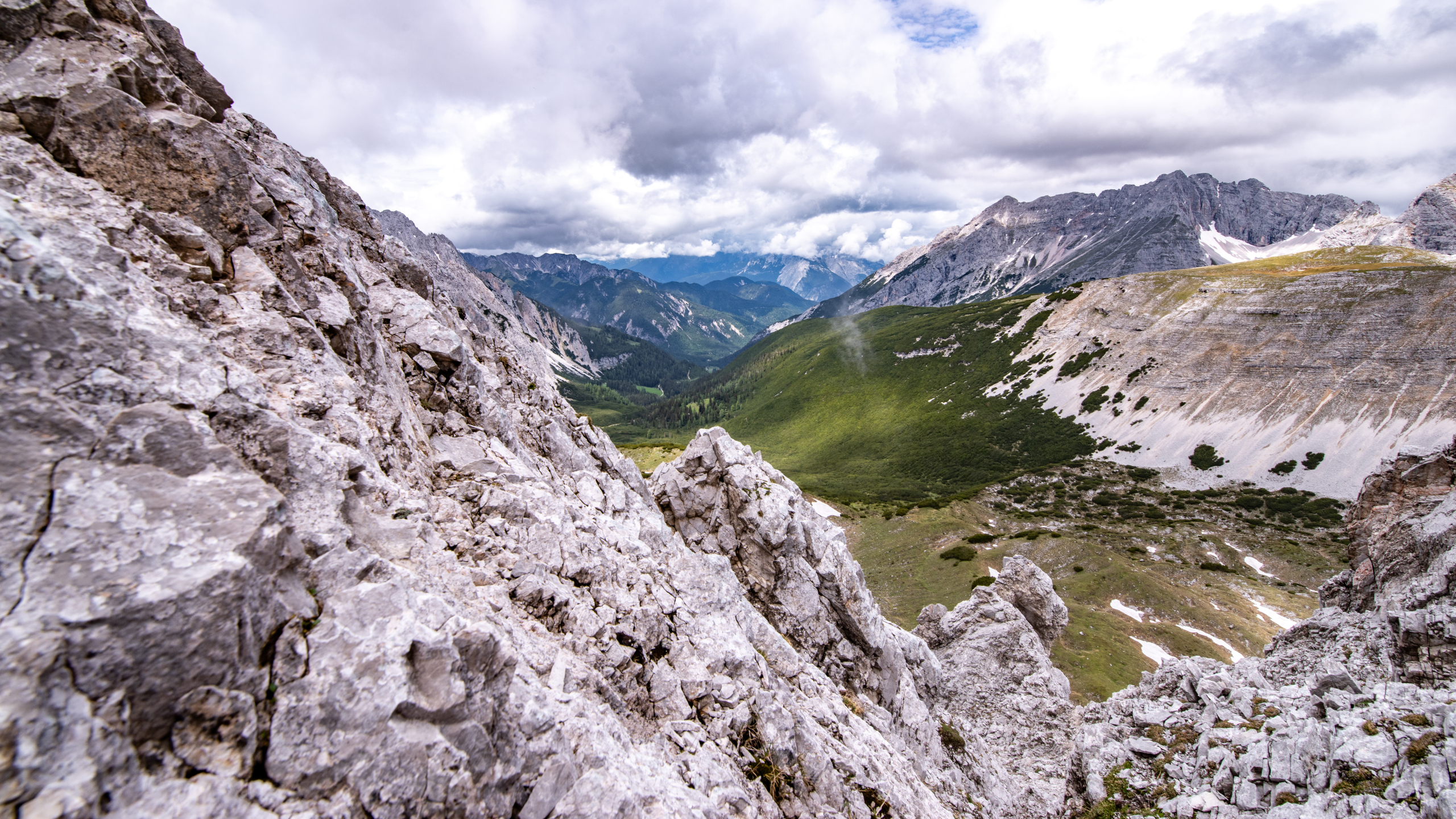
After this encounter, we turn away from the town and walk a few more meters until we finally come face to face with the wild, rocky expanses of the Karwendel Nature Parkare finally in front of us. The Naturpark Karwendel is the oldest and, at 739 square kilometers, the largest protected area in Tyrol and therefore also the largest nature park in Austria.

Plant life on the Goetheweg

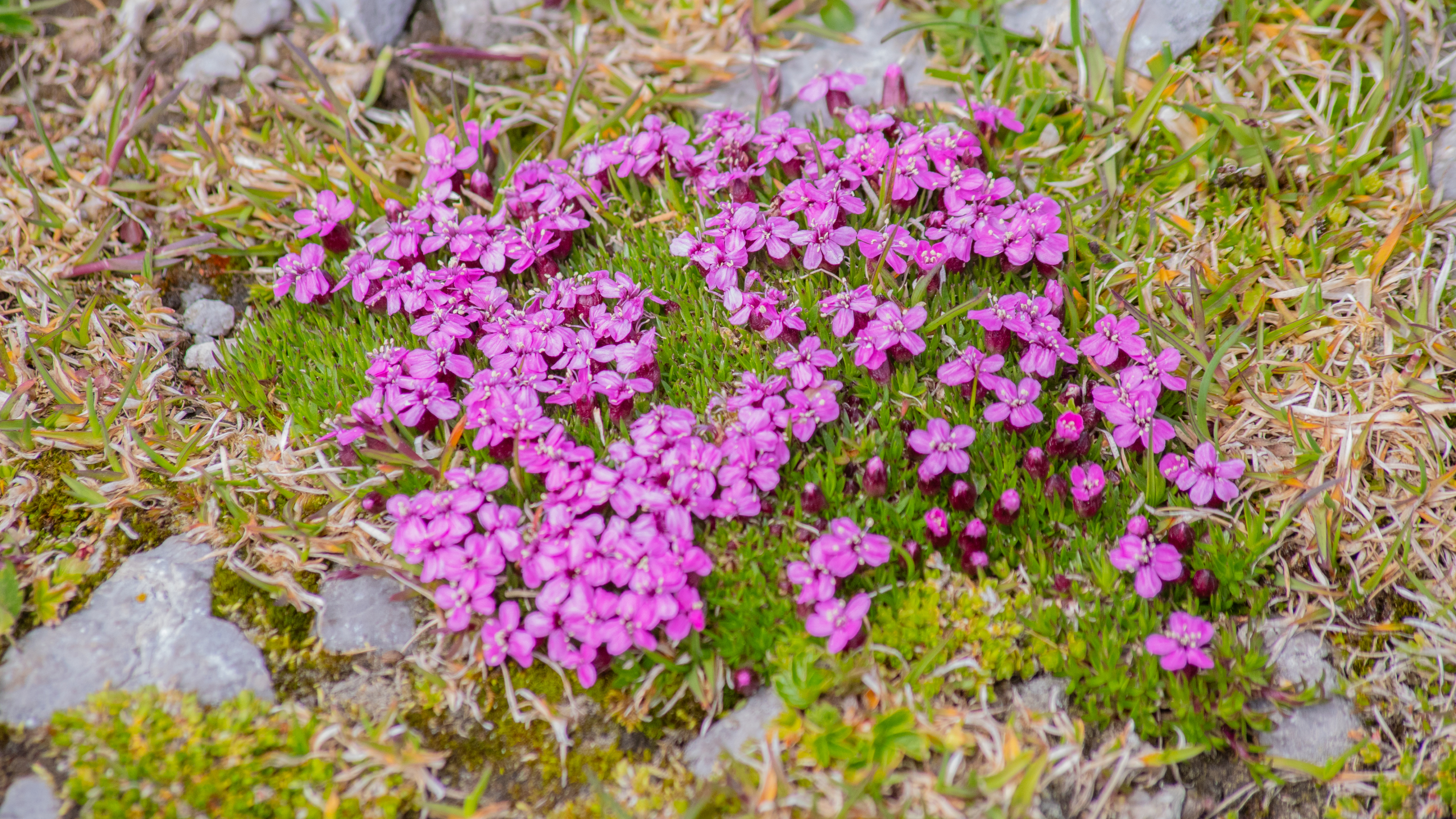
We leave the Geosteig and switch to the Goetheweg, which would certainly have delighted the eponymous poet. Along the trail, we repeatedly encounter plants that have adapted perfectly to the alpine conditions. Many of these plants have developed special features to cope with this harsh environment. Trellis and rosette plants, for example, use the heat stored in the soil. Cushion growth helps to retain heat and moisture. Others have felt-like hairs or a waxy layer on their leaves that protects them from cold and dehydration and enables them to catch dew or mist and absorb it directly through the leaves.

The chamois in view

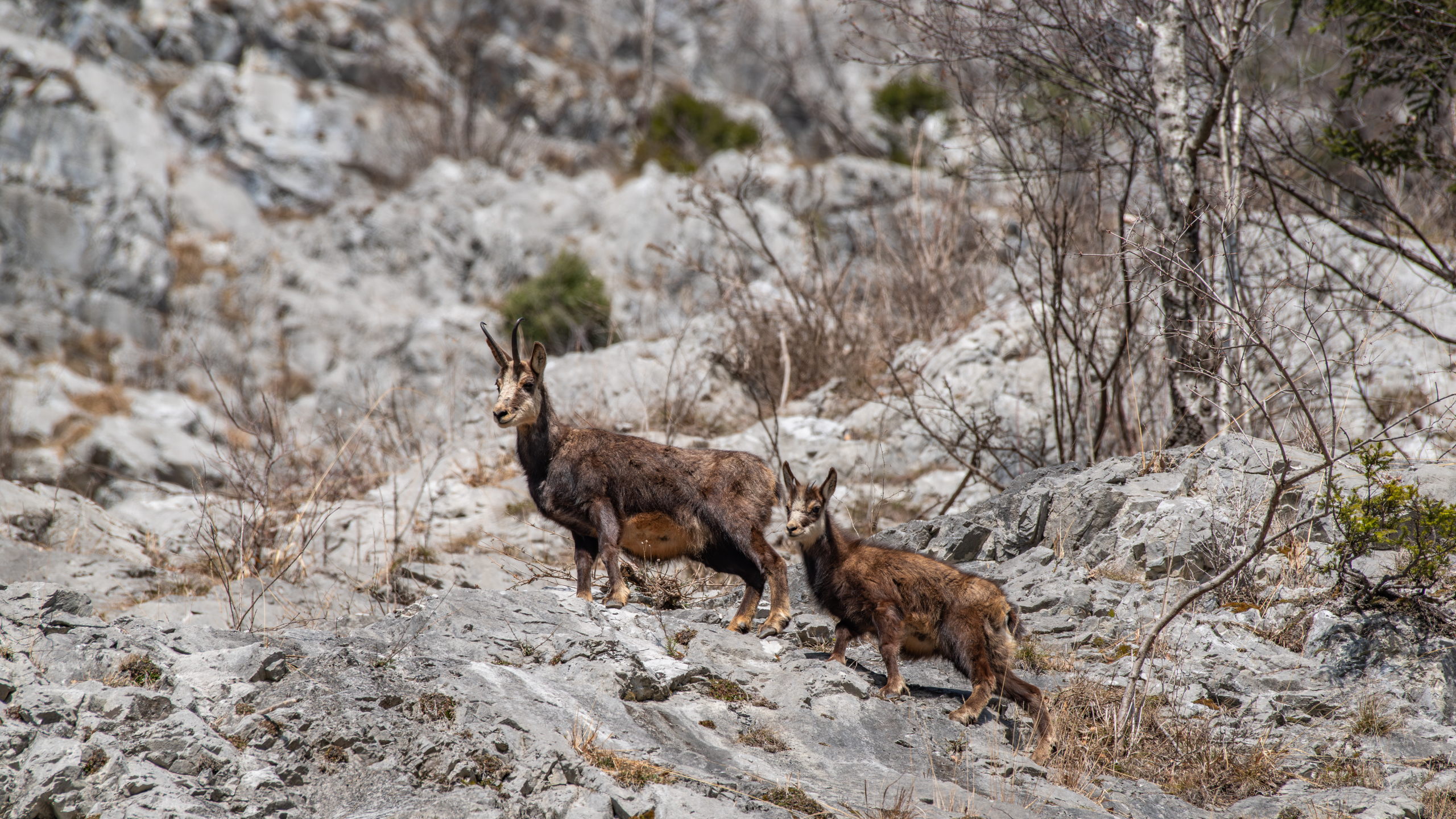
After a good stretch of hiking, during which we keep switching our view between Innsbruck and the nature park, we pick up our binoculars. We slowly search the mountain pine fields below us and soon spot the first chamois. With a little practice, one chamois suddenly turns into a group of around 50 animals, well camouflaged among the mountain pines. Also in our luggage: a spotting scope with which we can take a closer look at the chamois. You can clearly see the difference in the horns, which curve only slightly backwards in the females and further down in the males. It seems almost mocking how easily these animals move through the steep terrain. But a closer look at their hooves reveals that this is evolution in perfection. In winter, they migrate to lower altitudes, where they like to stay on steep and sunny slopes. There they find snow-free areas to graze even in winter. Their thick winter coat helps them on very cold days.

Landscapes and climate change

We slowly make our way back down, but first we take a closer look at the surrounding mountain peaks. What strikes us is that some are more pointed and higher than others. But what does this have to do with glaciers and climate change? During the Würm Ice Age, which peaked around 25,000 years ago, huge glaciers shaped the landscape and formed it in an impressive way. The glaciers acted like giant grinding machines, rounding off the mountains beneath them. At the same time, the mountain peaks that rose out of the ice remained pointed.

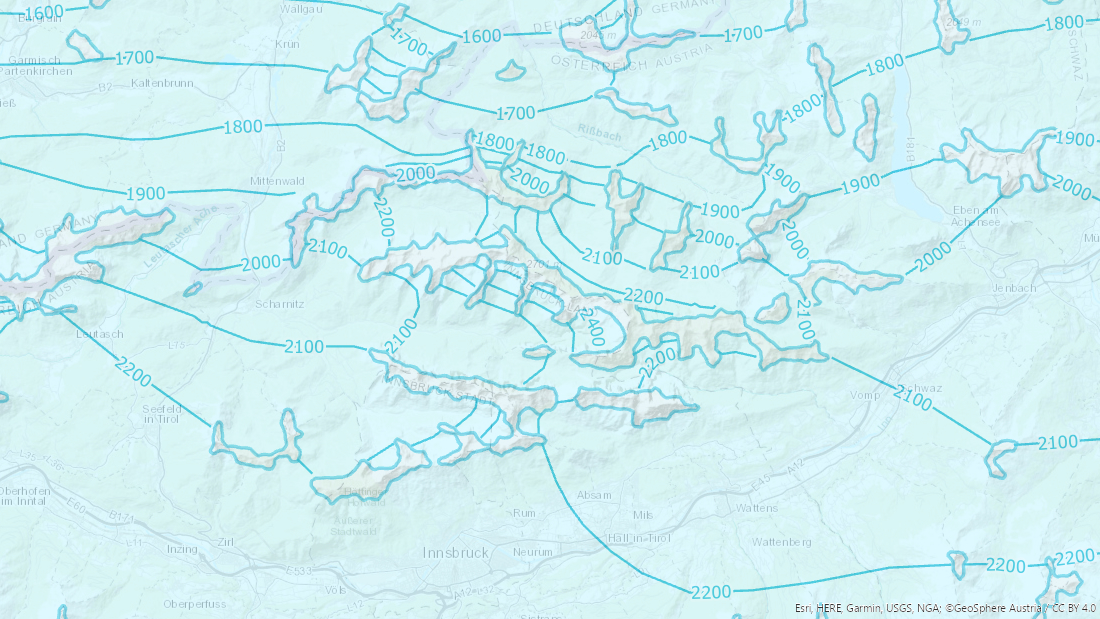
One fascinating aspect is the difference in the average annual temperature between the Würm Ice Age and today. During the Würm Ice Age, the average temperature in the Alpine foothills was around 10 degrees Celsius lower than today. This seemingly small difference meant that Innsbruck was buried under a layer of ice up to 1700 meters thick. Today, with a higher average temperature, this area is ice-free and habitable.

A few degrees make all the difference

This comparison impressively demonstrates the enormous impact that even small changes in temperature can have. A difference of just a few degrees can make the difference between an ice-covered landscape and a green, life-friendly environment. This is an important insight when considering today's man-made climate change, as an increase in the average global temperature of just 2 degrees Celsius can have profound and far-reaching consequences for our planet.

Ptarmigans: endangered specialists

Shortly before we reach the train station, we notice a movement a little below. Well camouflaged and almost unrecognizable among the stones, there is a small group of ptarmigans. Unfortunately, these special inhabitants of the Alps also serve as an example of climate change losers.

But how is the ptarmigan affected by climate change? The current climatic changes are not only causing our glaciers to melt rapidly, but are also having an impact on the living conditions of flora and fauna. One consequence for the plant world, for example, is the rising tree line and the associated change or disappearance of open and treeless landscapes above it. It is precisely this landscape that is the habitat for the ptarmigan. It has developed some special adaptations, such as the coloration and insulation of its plumage, which it changes three times a year.

Ptarmigans rely on their camouflage so much that when they encounter humans, they often stay put until they are almost stepped on. Only at the last moment do they fly away with a loud flap of their wings. It is precisely this camouflage that is now becoming their undoing. In some regions it is snowing later and later, and it is becoming snow-free earlier and earlier. But the ptarmigans cannot adapt quickly enough to these rapid changes, which makes them easy prey with their white plumage on a gray background. In addition to camouflage, they need the snow to protect themselves from the cold in winter. To do this, they burrow into snow chambers between bushes within 15 seconds, where it can be 20°C warmer than outside. So it's all the nicer to see these birds here.

Descent and end


With lots of wonderful impressions and new knowledge, the train takes us back to Innsbruck after a last look at the Karwendel. I hope I have been able to give readers a little insight into the Karwendel Nature Park and perhaps one or two of you will join me on my next tour.

Similar articles