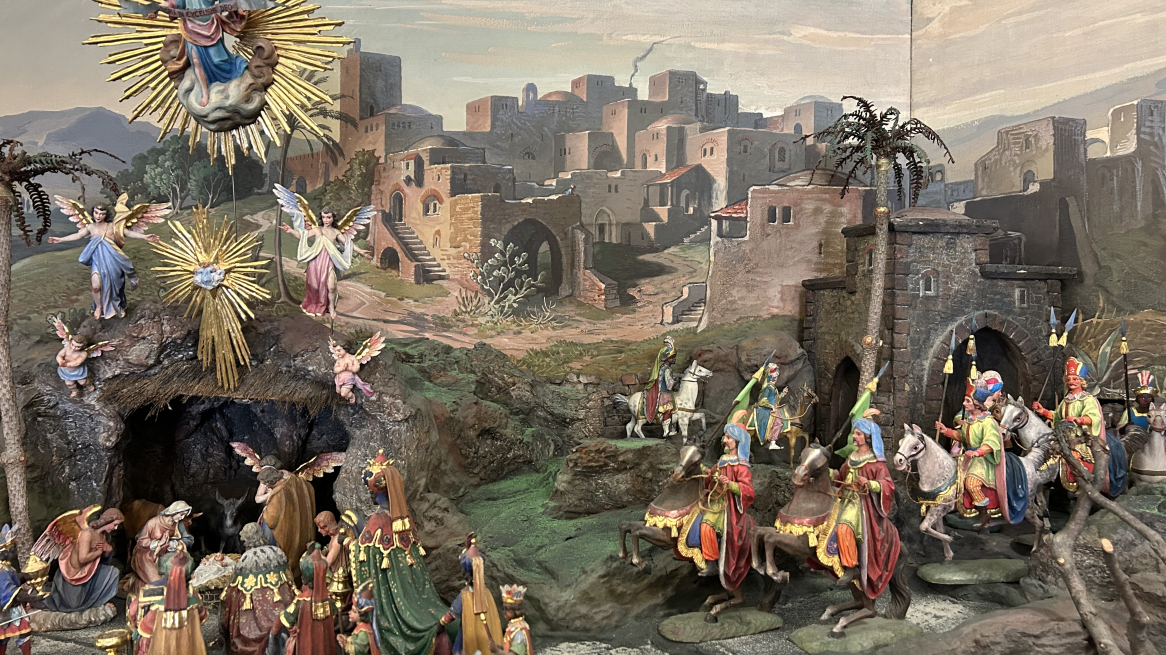
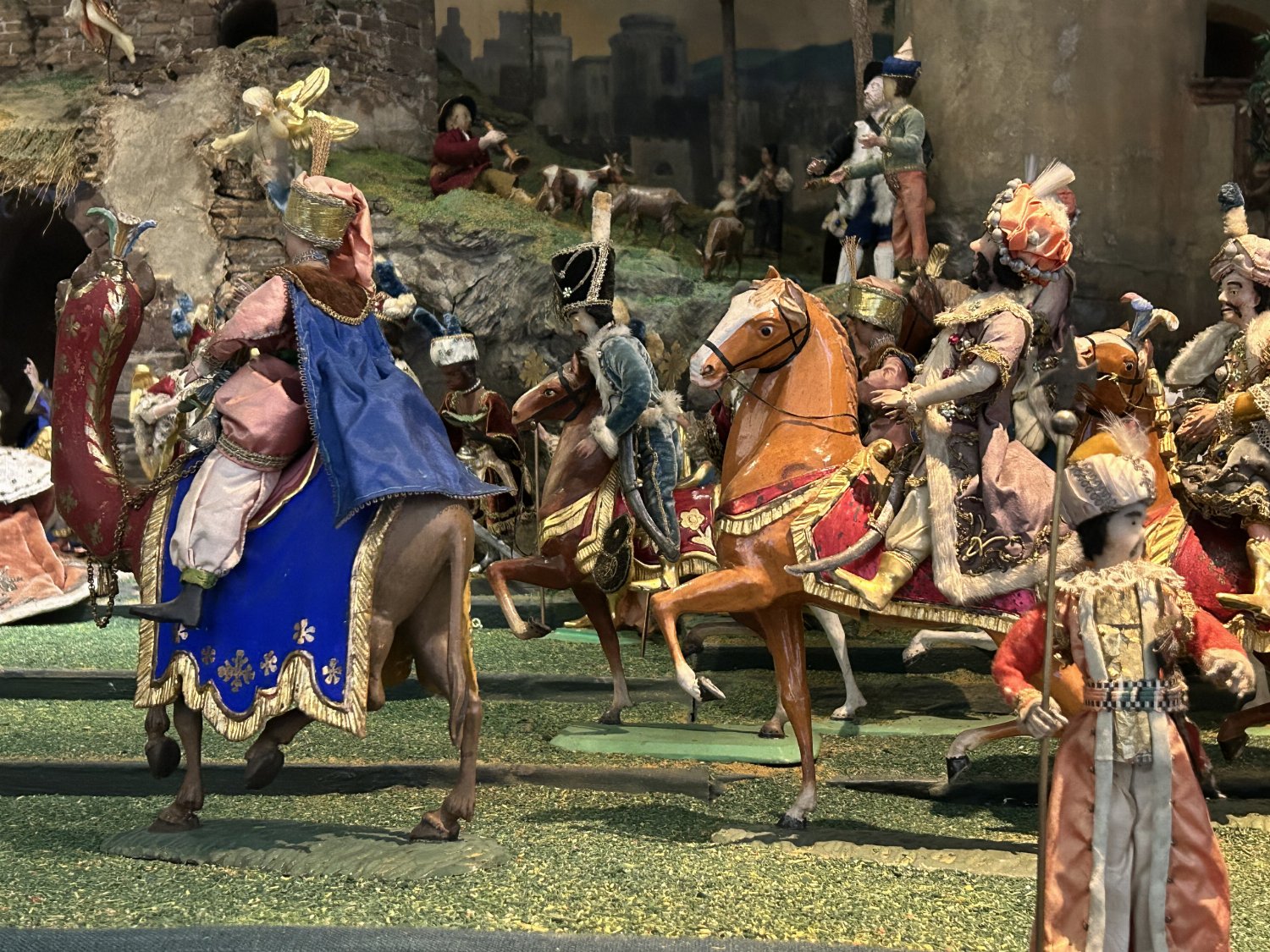
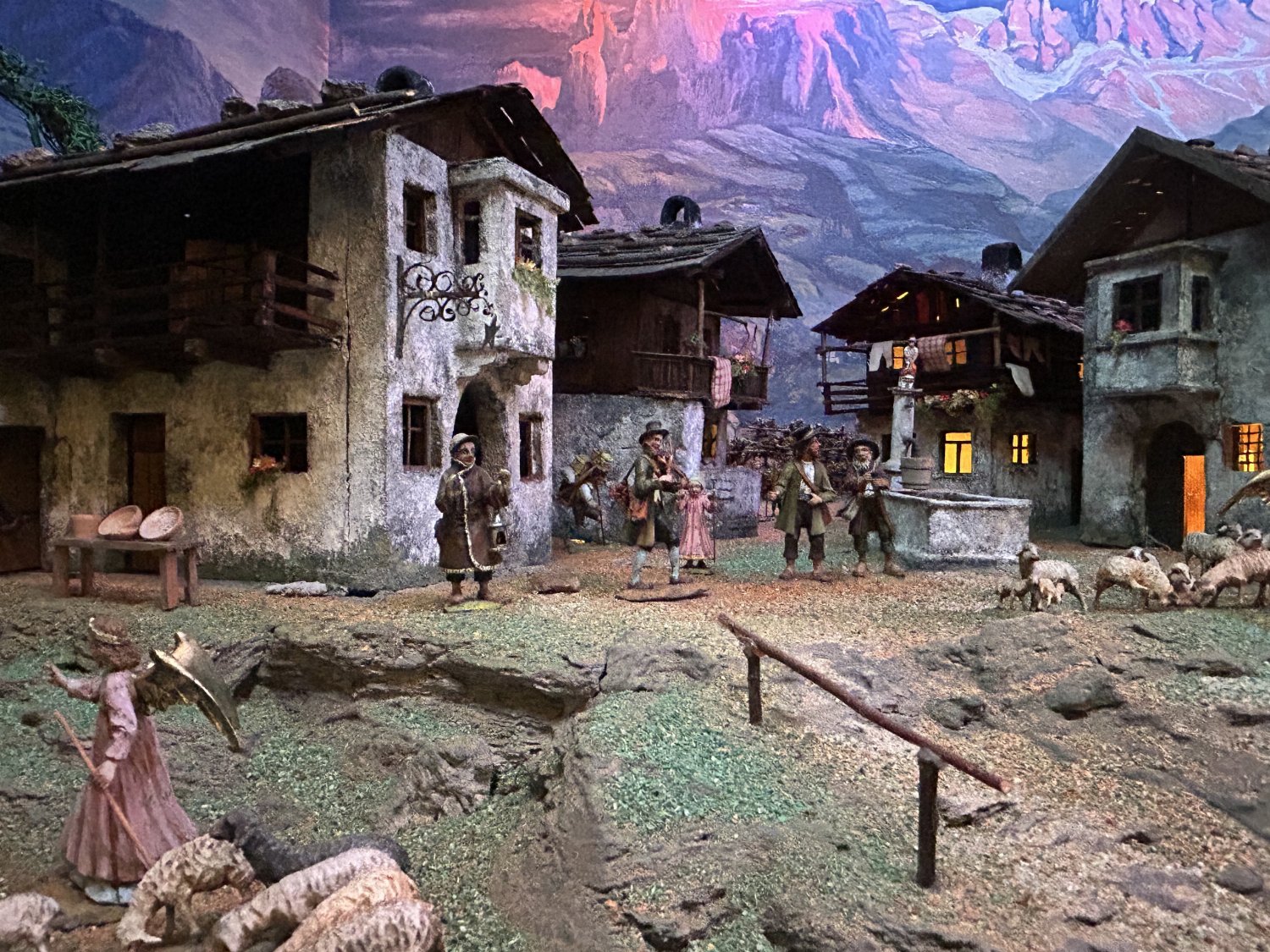
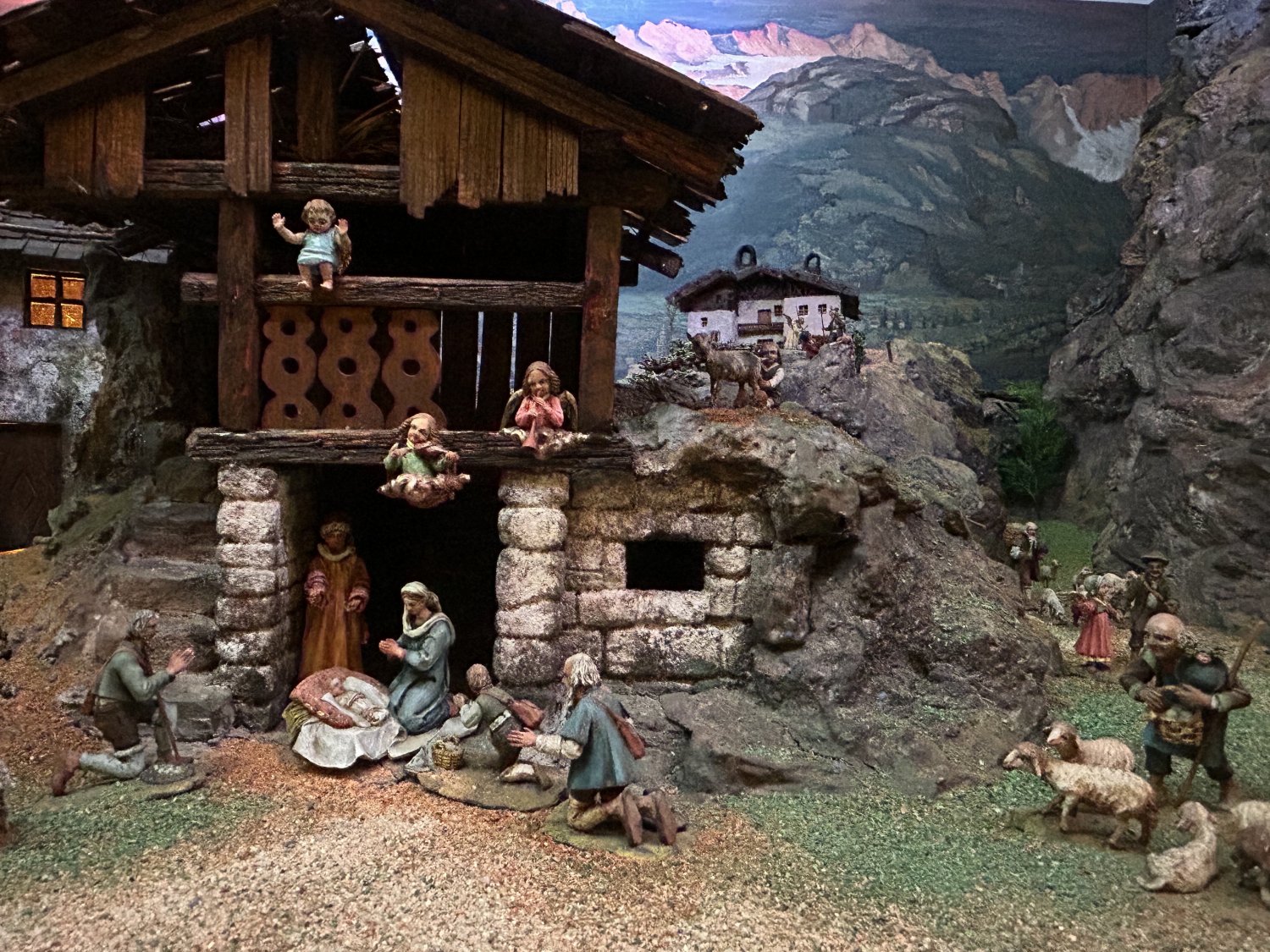
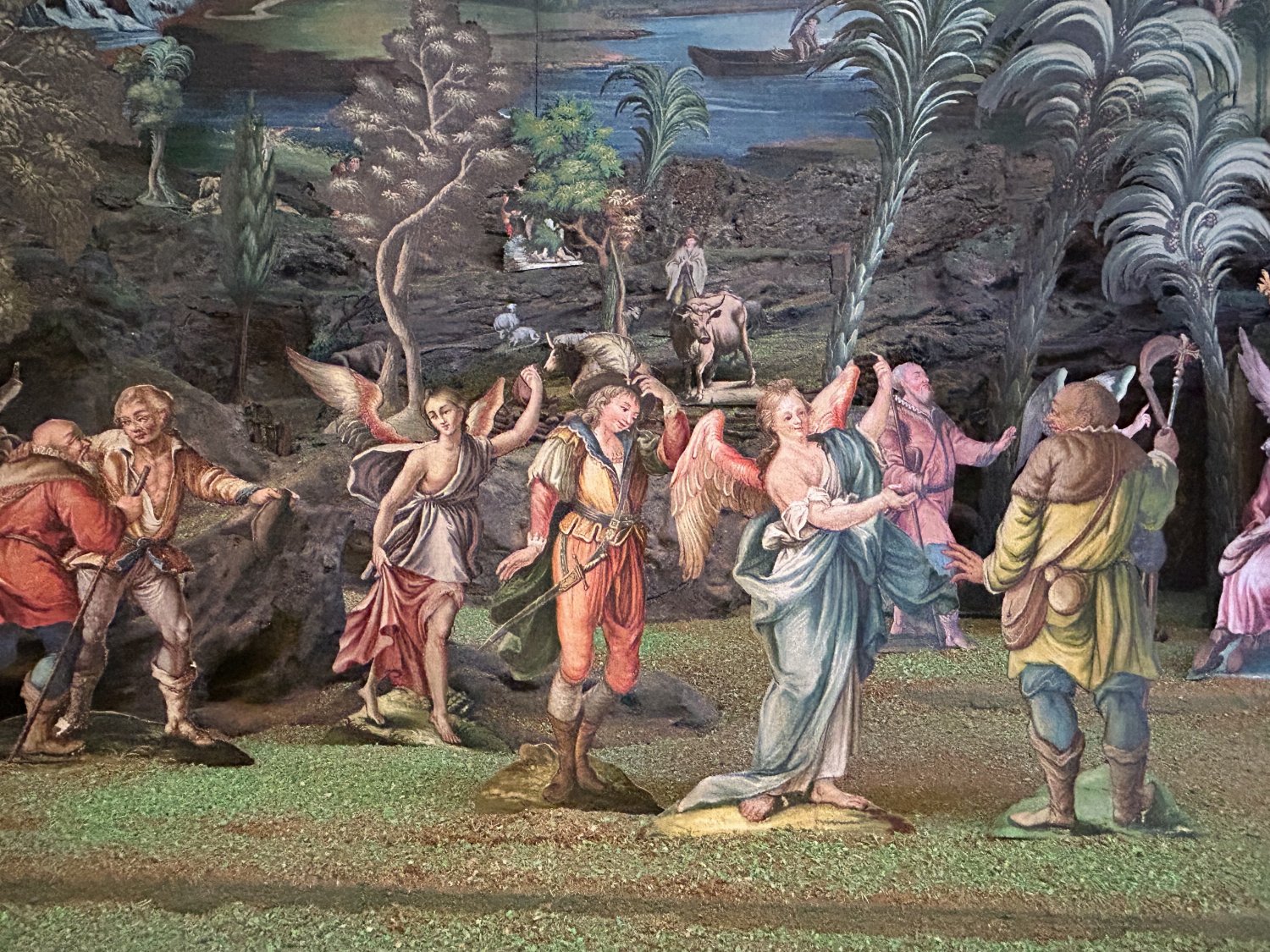
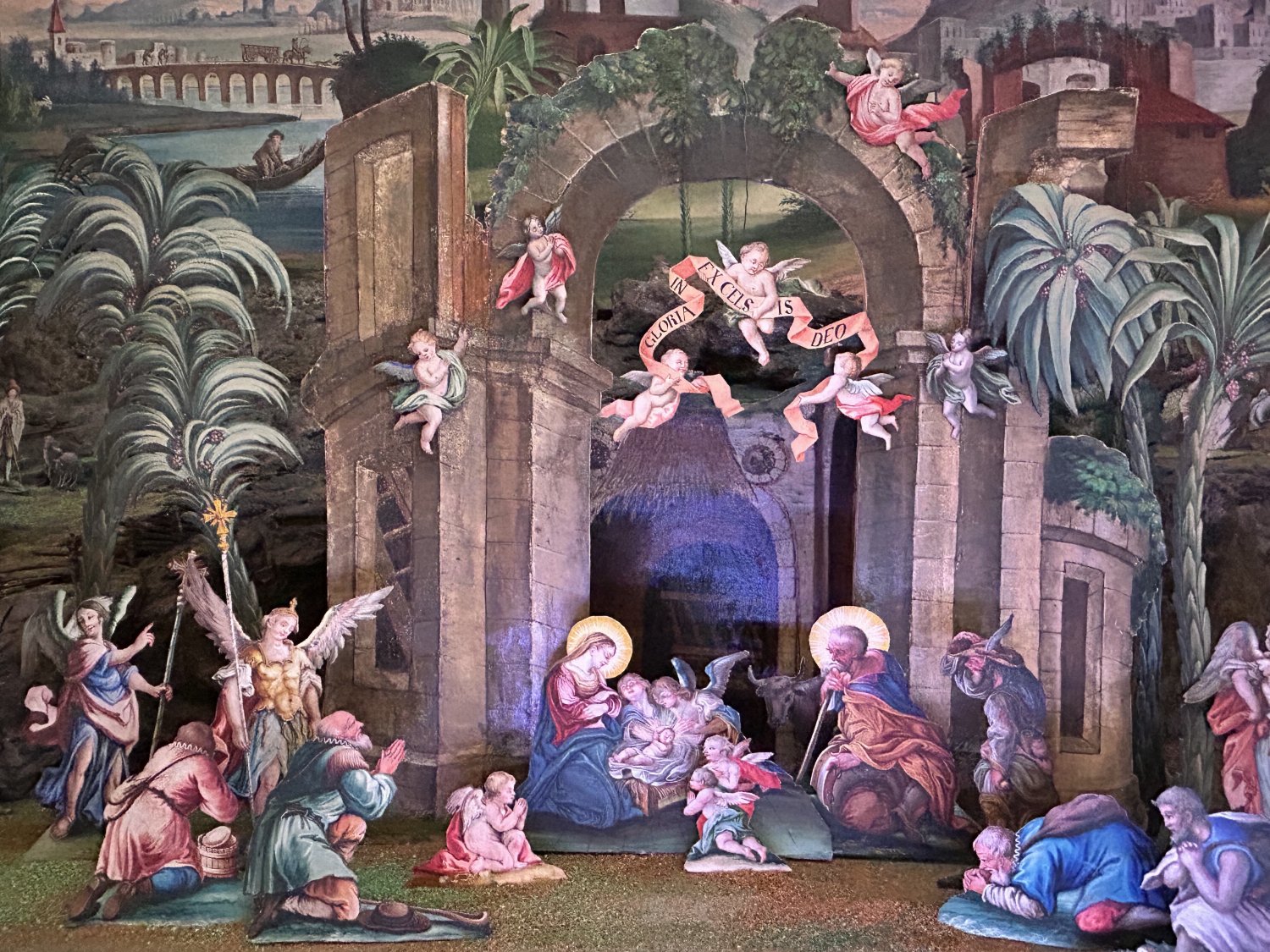
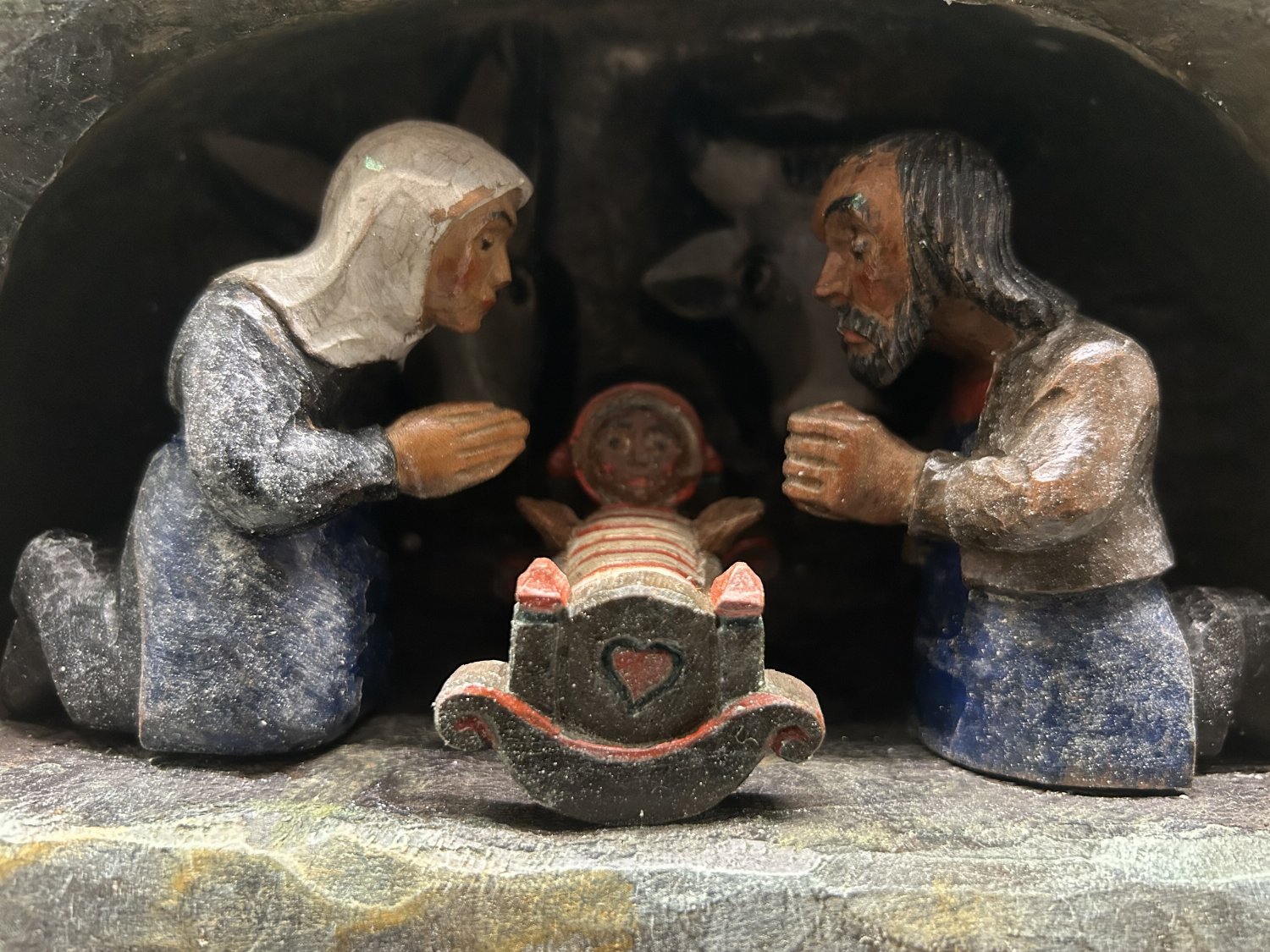
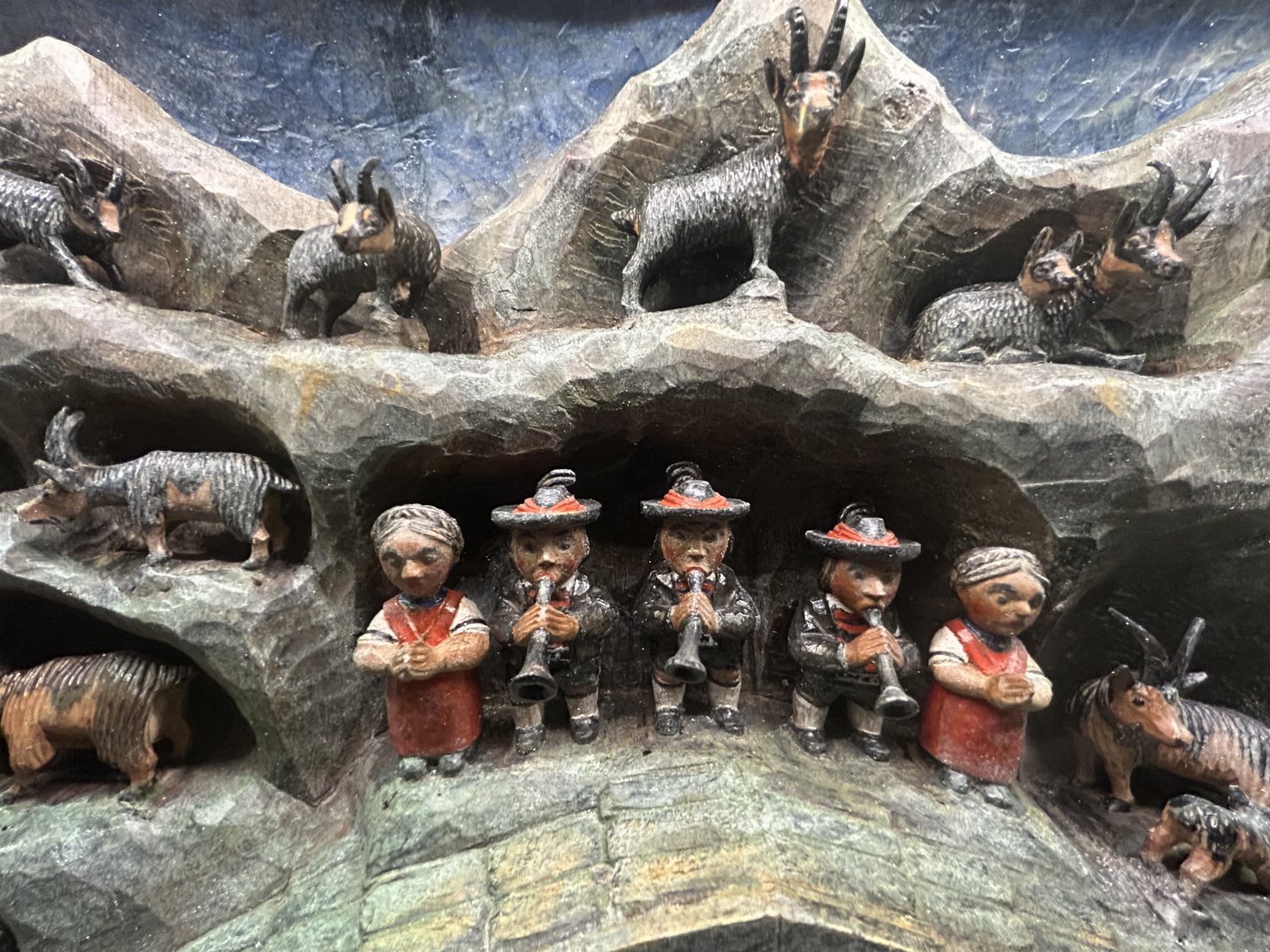
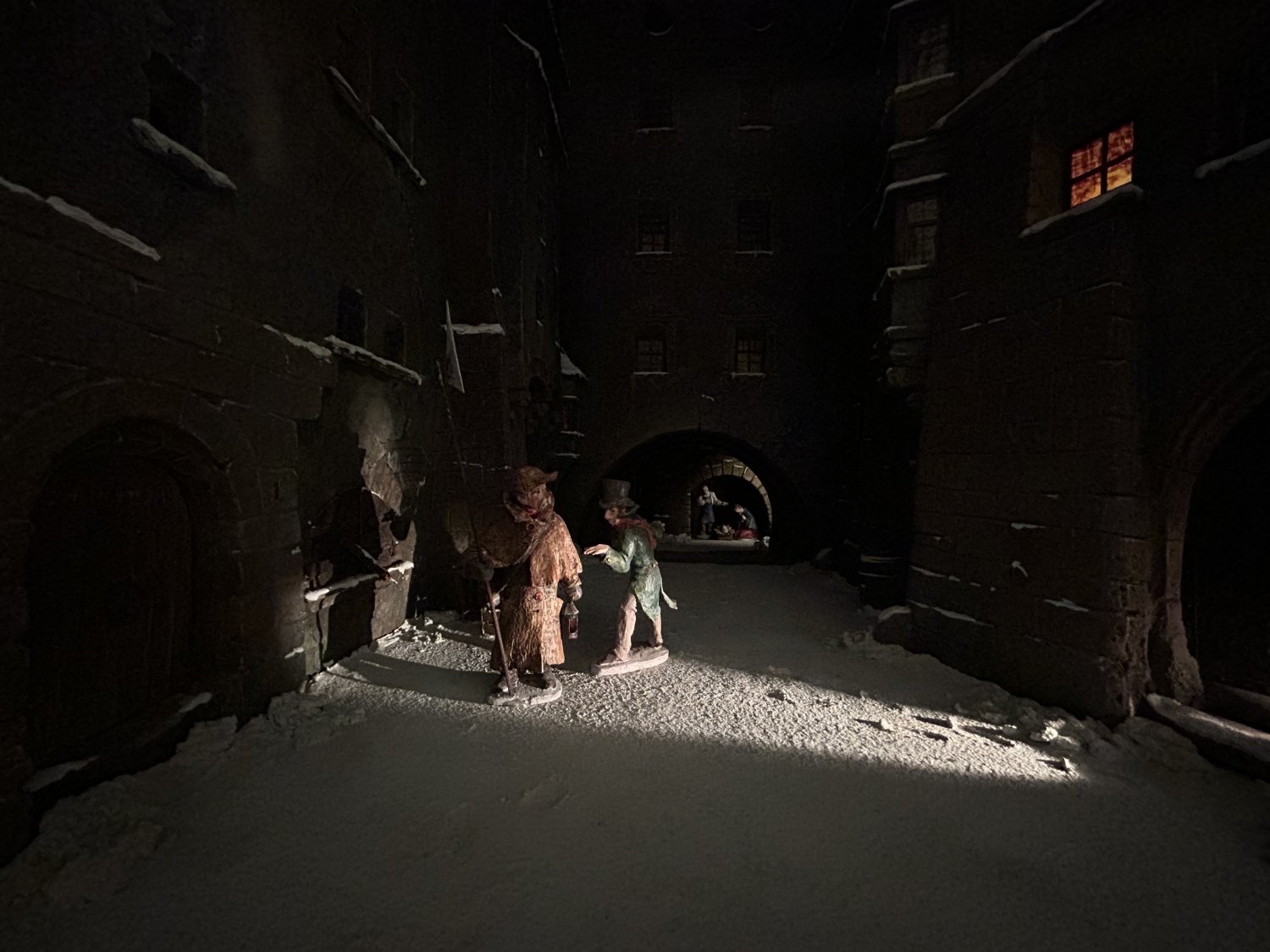
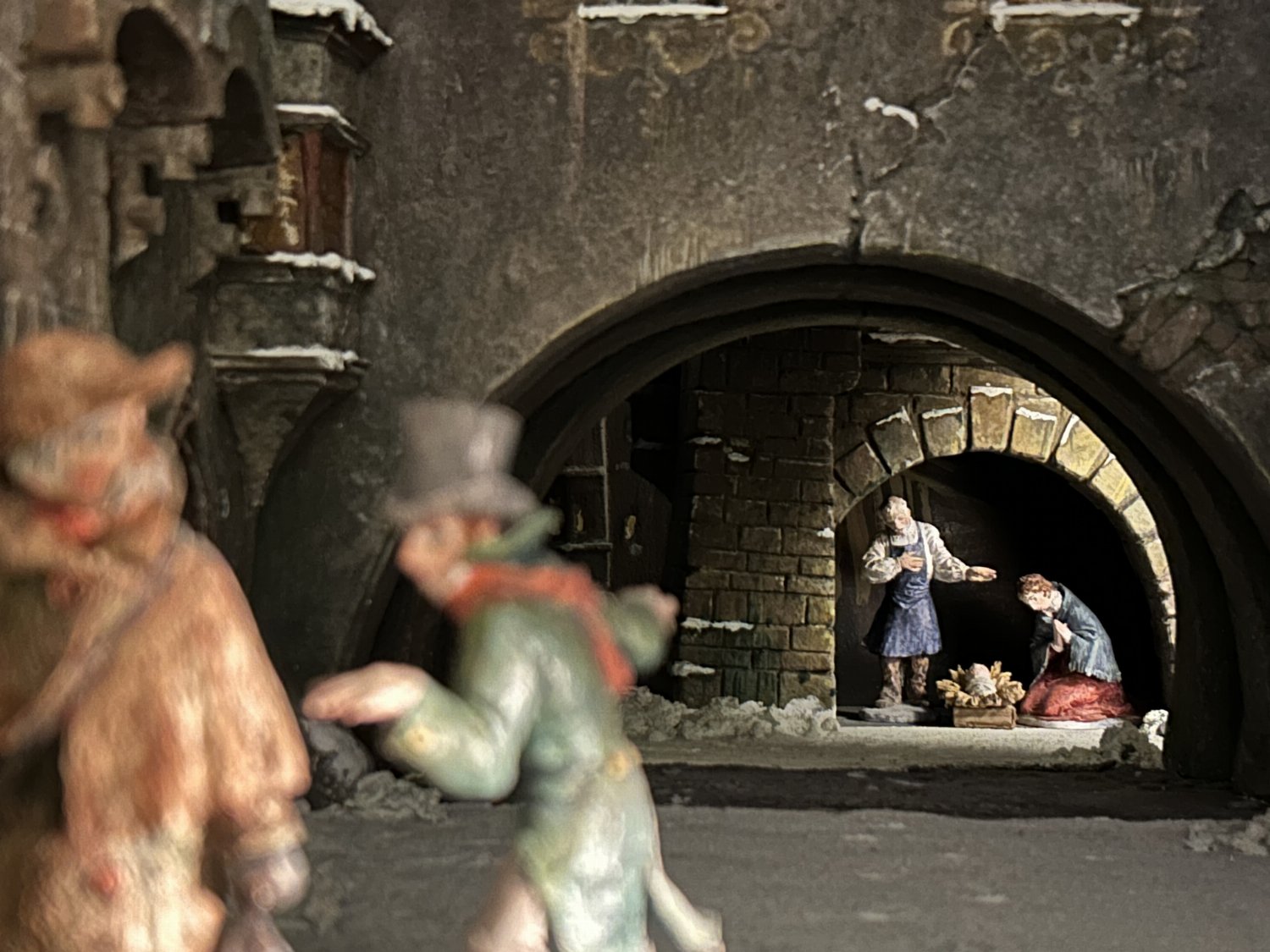
Il presepe Kirchmair esposto all’ingresso del Museo dell’Arte popolare Tirolese di Innsbruck, foto © Laura Manfredi
06 January 2026
#
Post originally written in: Italiano Information An automatic machine translation. Super fast and almost perfect.

That the nativity scene is a widespread custom in several countries is well known. But perhaps not so well known is the crib's connection to the Tyrol. Here, especially in the villages, there is a flourishing of crib-loving associations(Krippenverein) that gather enthusiasts of this art: members often create, with skillful craftsmanship right in their own hands, the nativity scene, devoting months to painting backdrops, building huts and carving figurines. Consulting the website of the Tyrolean Association of Friends of the Nativity(Landesverband der Tiroler Krippenfreunde), which groups all local associations devoted to this art, I counted as many as 87! But what is the custom of Krippeleschauen?

WHAT DOES KRIPPELESCHAUEN MEAN?

During the Christmas season and up to February 2, Candlemas Day, the custom of Krippeleschauen is still alive in many Tyrolean villages. The translation of this term into Italian cannot be solved with one word, because the structure of the Italian language is very different from that of German. I have no choice but to use a periphrasis. Krippele is a vezzeggiative of Krippe, which means crib. While Schauen means to look. So Krippeleschauen is a going to look at nativity scenes. Almost like the shepherds who, according to the narrative of the birth of the infant Jesus, go to view the baby boy to pay homage to him, even today people go from crib to crib to admire the staging of the nativity of Jesus.

A TOAST TO THE CRIB

The tradition of Krippeleschauen is still very much alive in several villages, as I mentioned. The cribs, however, are in private houses: so one has to be an innsider, to know which bell to ring. As befits the hospitality in these parts, visitors are greeted with a small glass of Schnaps - a schnapps-like spirit - to toast together. The Schnaps at this juncture is ironically called Gloriawasser (which I translate somewhat crudely as Gloria water). We are referring here to the message "Gloria in excelsis deo" that normally the angel "fluttering" in the crib above the baby's hut carries inscribed on a scroll. Recently, however, in talking with a nativity enthusiast from Axams, I heard the term Hirtenträne, meaning shepherds' tears, used to refer to the welcome cup. Let it be understood," he was careful to point out, "they are tears of joy and emotion.
Since we normally visit several cribs in a day, you can imagine that at the end of the tour the toasts come in.

NATIVITIES FOR ALL

If you want to go to see nativity scenes, but rightly do not feel like knocking from door to door as if you were Mary and Joseph looking for a hotel, there are several solutions. In Mutters many nativity scenes are displayed in windows or store windows (as Markus Mair writes in an article a few years ago about the nativity scenes in Mutters), in other cases there are nativity scenes displayed in restaurants or guesthouses (for example, as Werner Kräutler writes in two of his articles, in the Hotel Krone in Oberperfuss or in the Krippenherberge in Affenhausen, near Mieming).

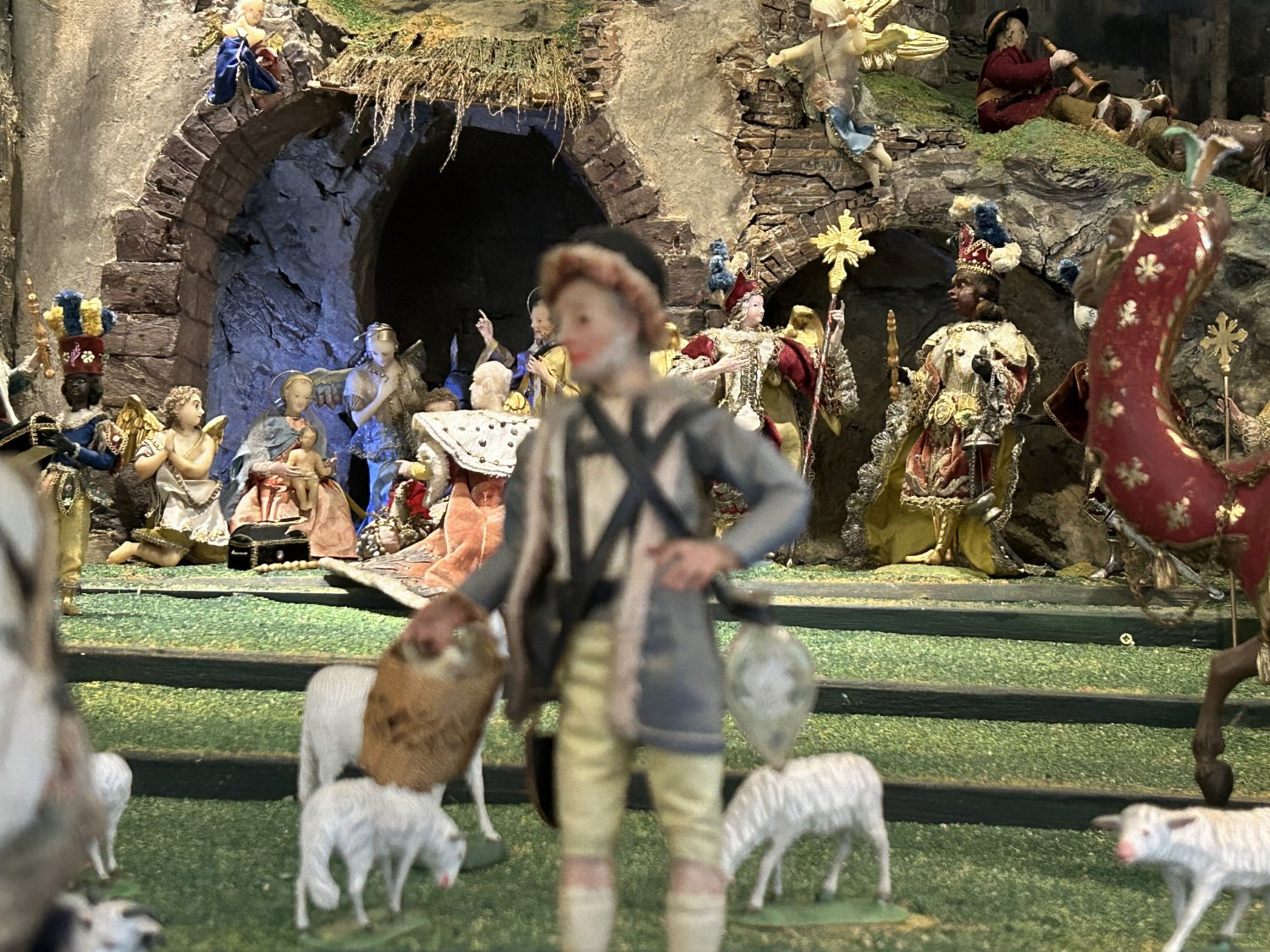
In Zirl there is a museum devoted largely to Tyrolean nativity scenes, while in Innsbruck the Museum of Tyrolean Folk Art has a collection of nativity scenes ranging from the late Baroque to the second half of the 20th century. Two very rich late Baroque nativity scenes can be seen here, with wax and wood figurines adorned with precious fabric clothing. One of them is located on the second floor of the museum overlooking the interior of the court church.
The materials, style, and settings of the 20 or so nativity scenes on display at the museum are the most varied, demonstrating how differently the same story-the nativity of Jesus-can be staged. Because one thing is certain: the charm of the nativity scene is all in the details.

USEFUL INFORMATION

Tiroler Volkskunst Museum - Museum of Tyrolean Folk Art
Universitätsstraße 2, Innsbruck
Open daily, 9 a.m. to 5 p.m.
During the period between Christmas and New Year's there are some closing days. See the official website to check hours
Admission: full 9 euros, reduced 7 euros, free up to 19 years of age and with Innsbruck Card

Heimat- und Krippenmuseum Zirl - Zirl Museum of Local History and Nativity Scenes
Dorfplatz2, Zirl
Open Tuesdays and Wednesdays from 9 a.m. to noon, in January also open Saturdays and Sundays from 2 to 5 p.m.
Admission: free offer

Krippenherberge
c/o Aktivhotel Traube
Affenhausen 8, Wildermieming
Open Sundays from 1 p.m. to 4 p.m.
Admission: 5 euros, free up to 14 years old

Similar articles