21 August 2025
#
Post originally written in: Deutsch Information An automatic machine translation. Super fast and almost perfect.

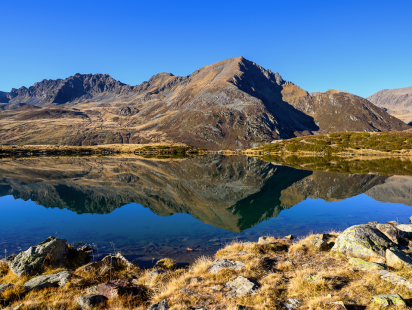
When the sun is blazing through the sweet little streets of the old town on some days, any shady spot in Innsbruck is a good recommendation. Fortunately, however, the real summer resort is only a little further south. Specifically: a handful of small mountain villages, easily accessible by bus, train, bike or mountain boot. Every spontaneous adventure can be adapted depending on the weather and your wanderlust: there's a castle, two lakes, two moors, a few playgrounds and sports stations along the way, and sometimes even a few mushrooms. A culinary excursion is also worthwhile, because no matter where the forest and meadows spit you out again, a Falstaff-sealed kitchen awaits you up there. In the following: Three traditional Tyrolean restaurants and summer retreats, just a little further south and just like that from Innsbruck.

Uphill behind the Bergisel

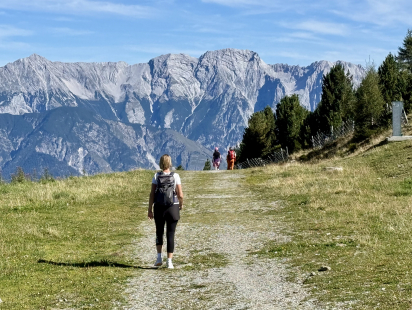
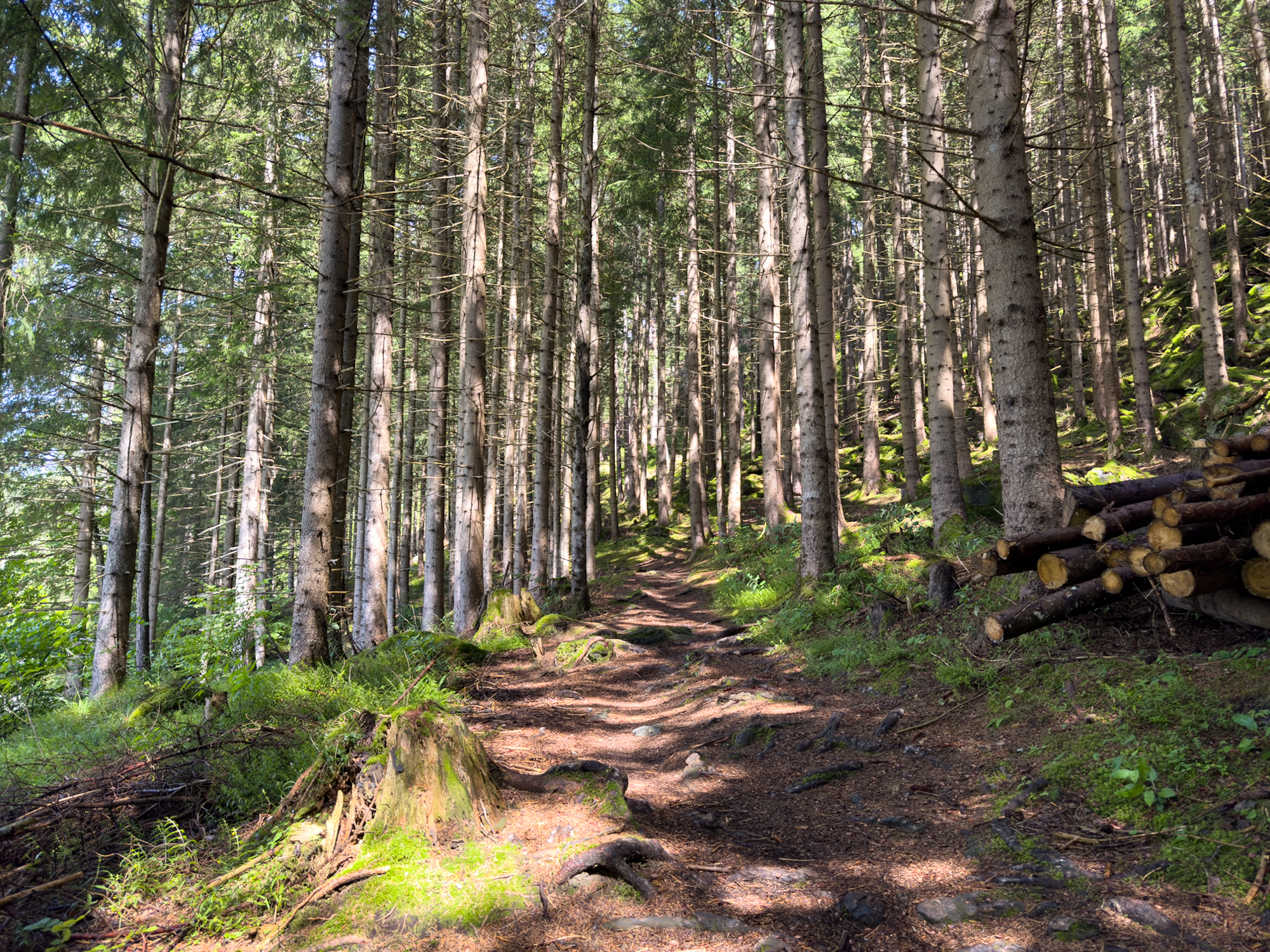
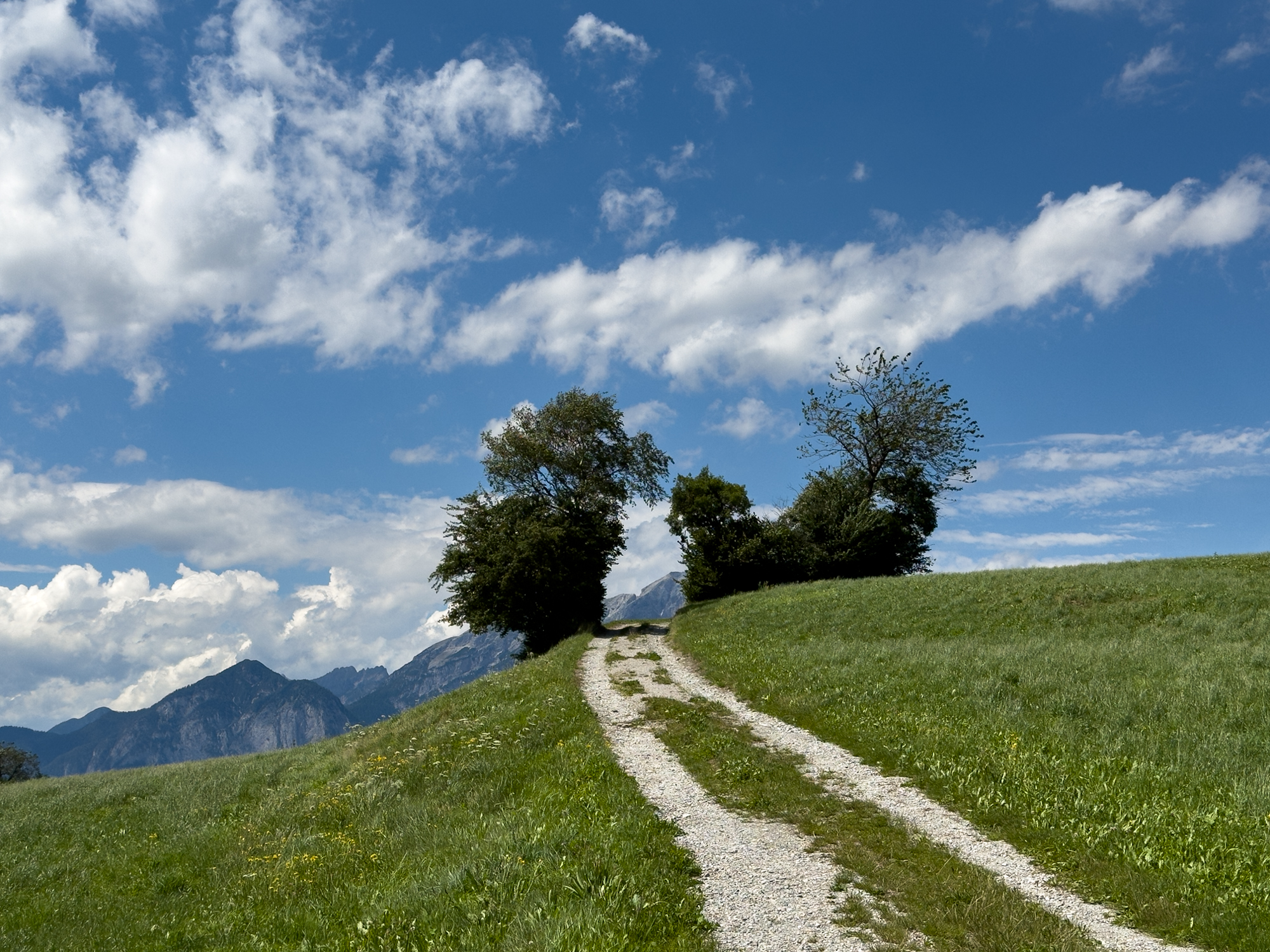
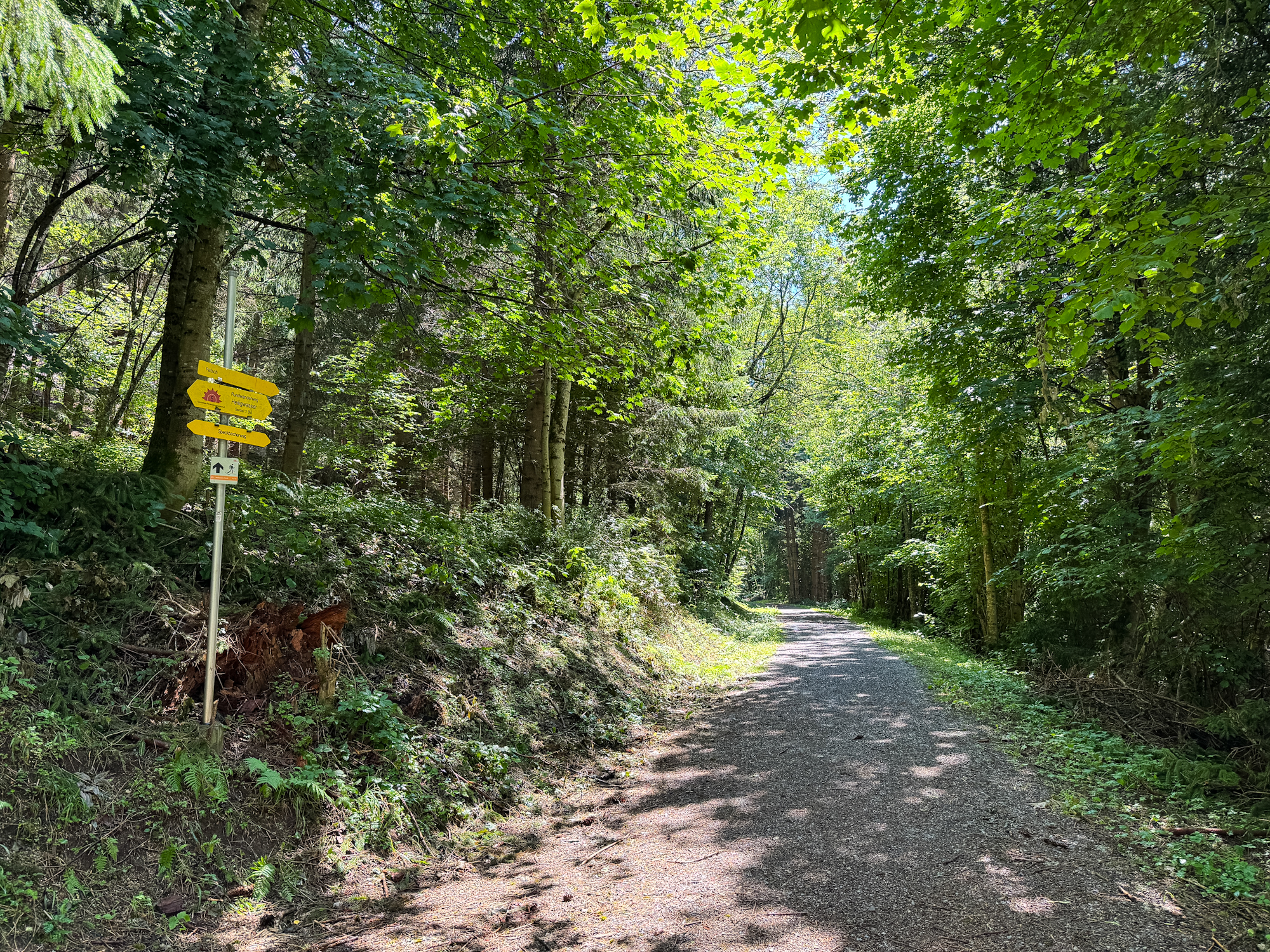
The best way to reach the natural idyll south of the striking Bergisel ski jump is via the forest paths (e.g. Poltenweg) above Ambras Castle. Sporty parents can even conquer them with bikes and baby carriages, and dogs are also welcome there. From Innsbruck's market square, simply take the fabulous 6-seater Waldbahn to Lans or the "Peak-to-Peak" line J in the direction of Patscherkofl and shorten the route to the top as you wish. Incidentally, the bus is almost always recommended for the way back - on the one hand because the forest paths get very dark at night, on the other hand because you come here to enjoy yourself and can thus gently increase the level of comfort from start to finish.

Serving suggestion 1: Woody to Isserwirt

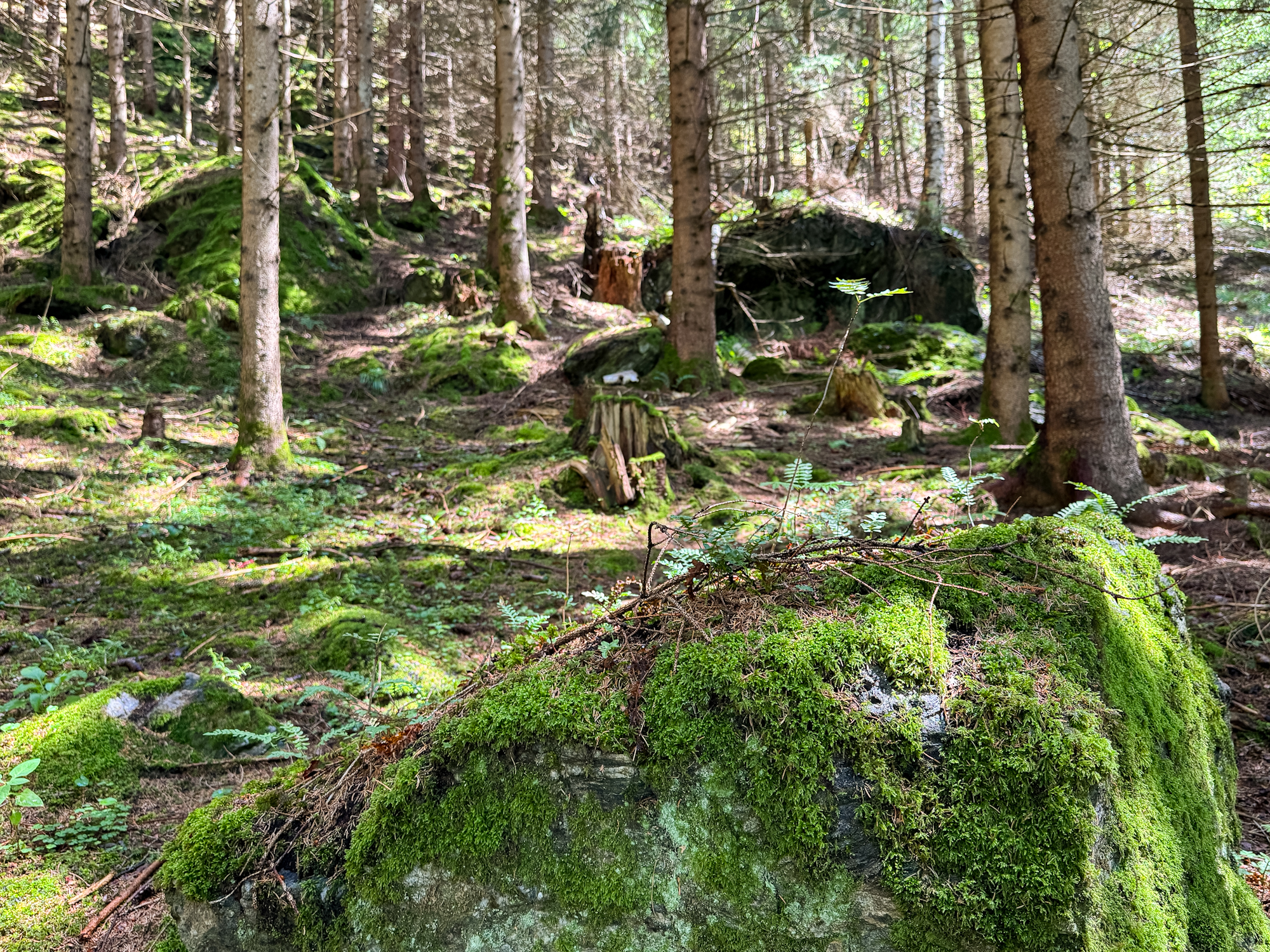
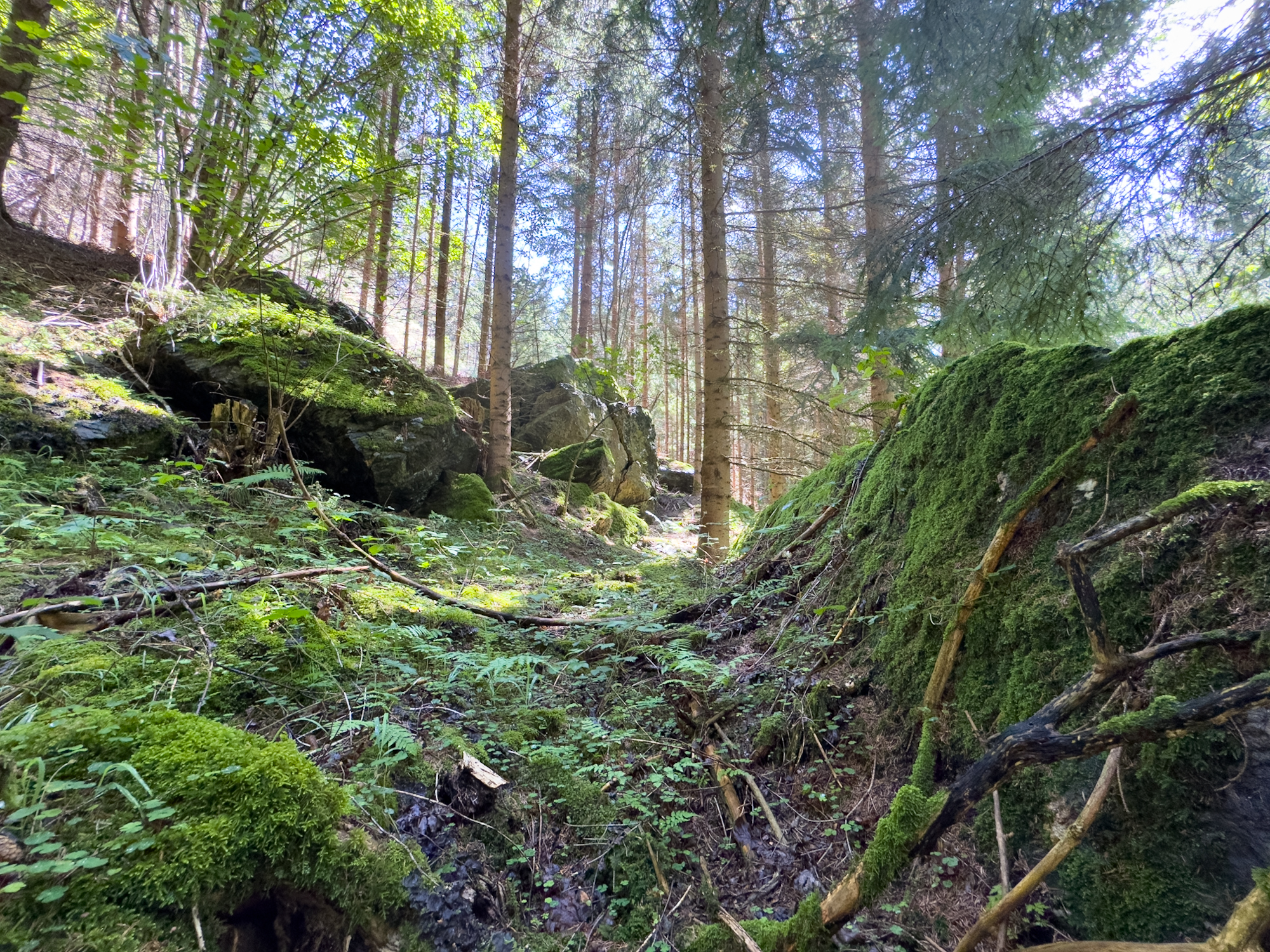
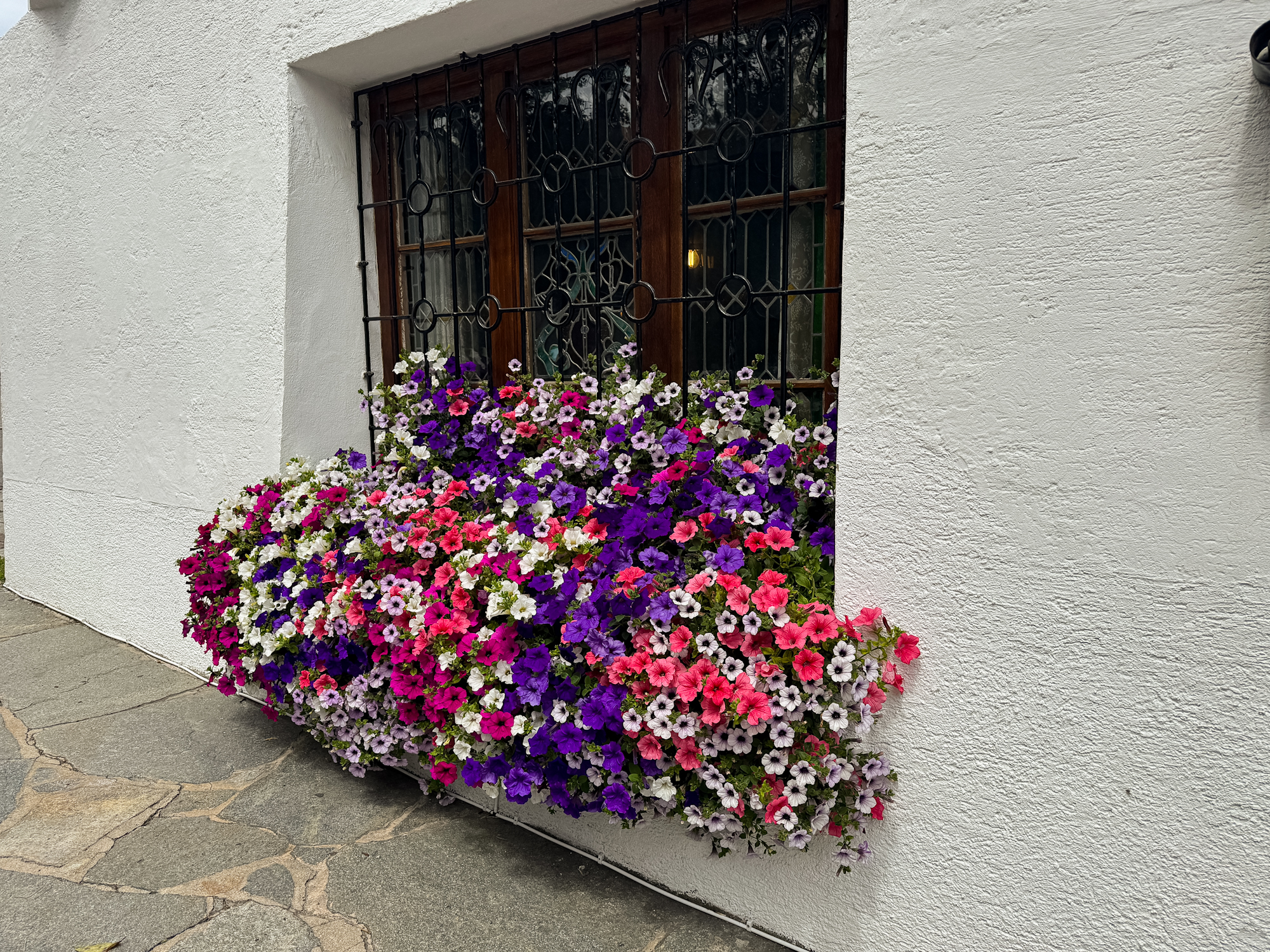
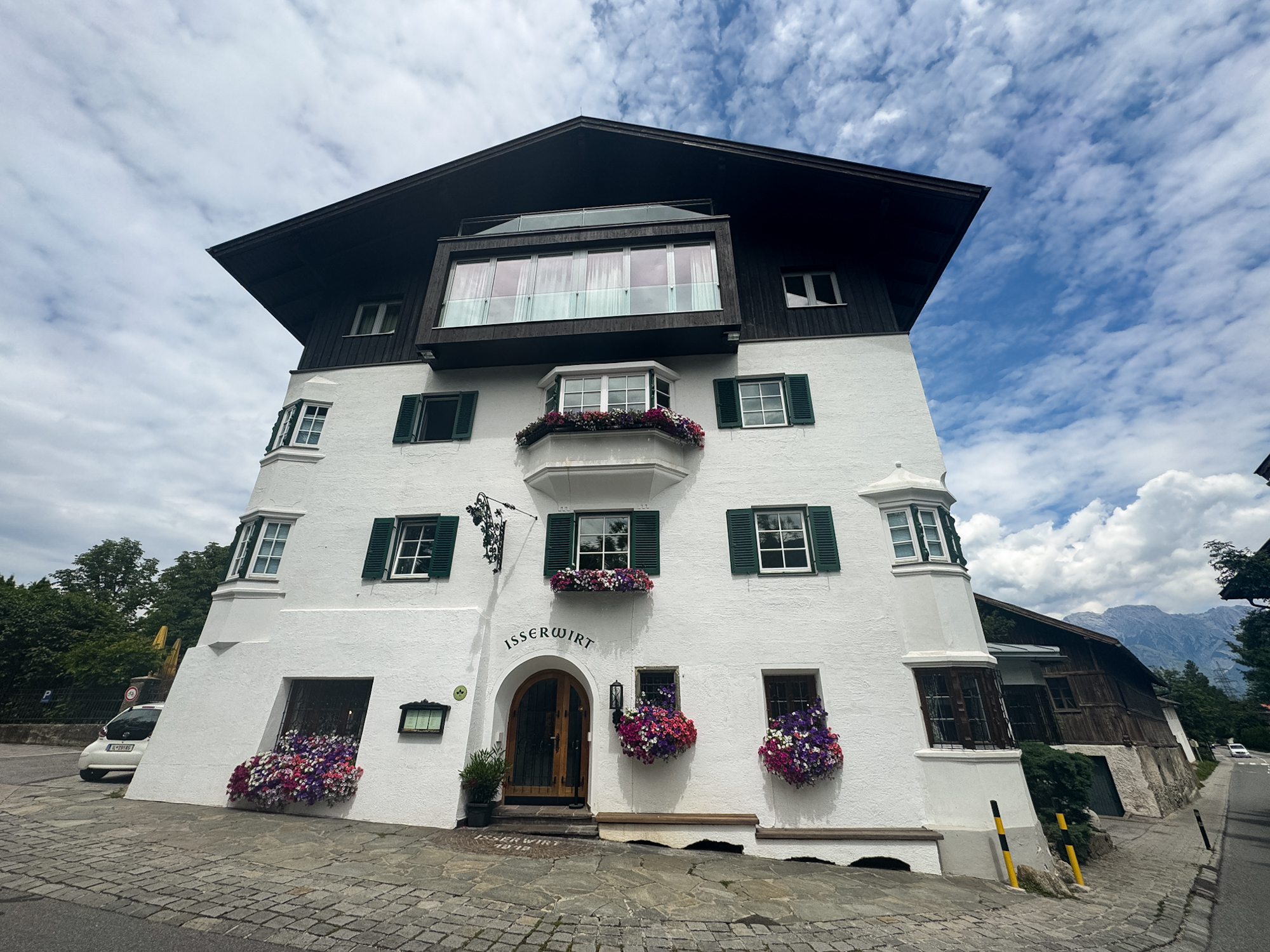
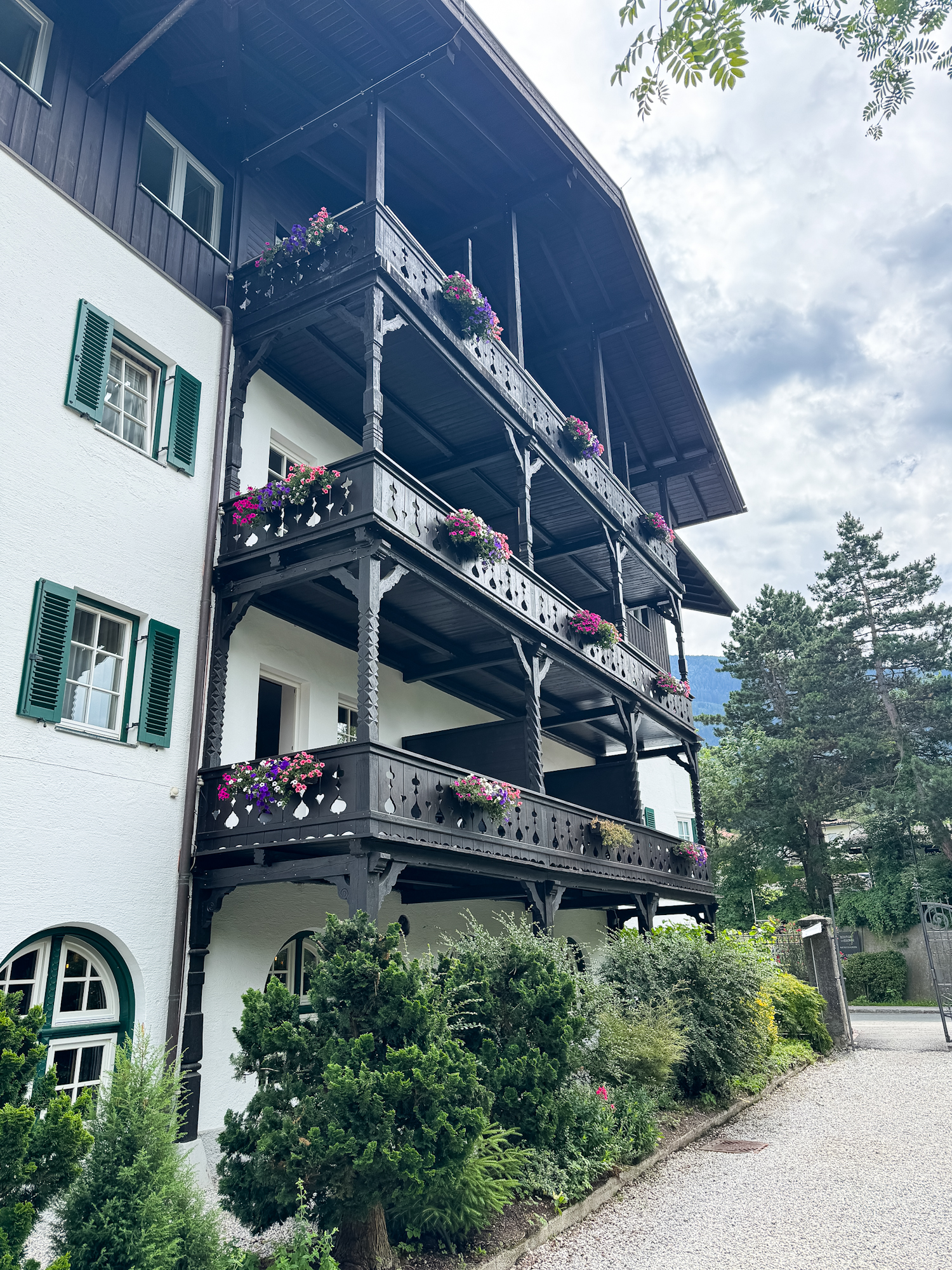
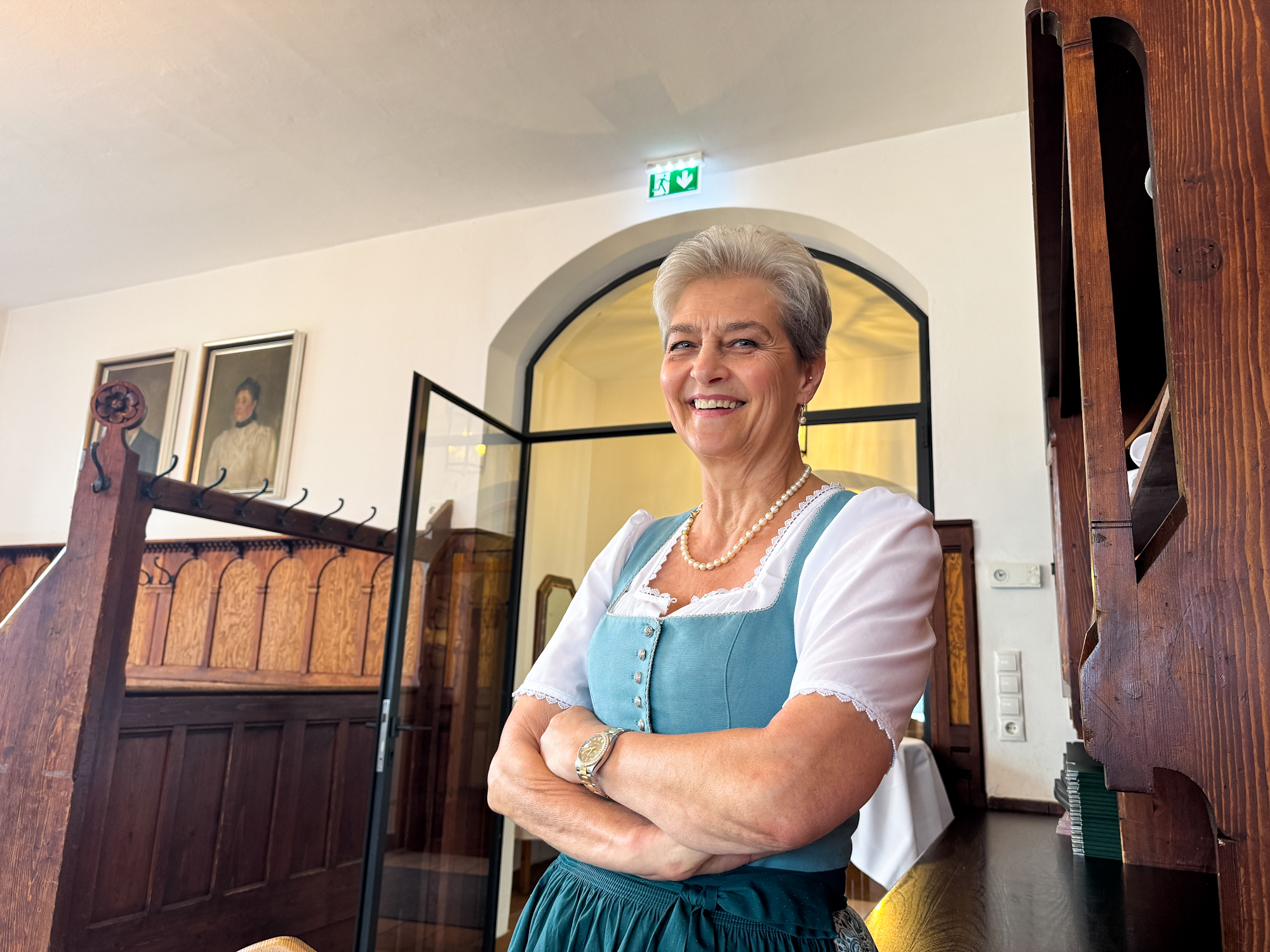
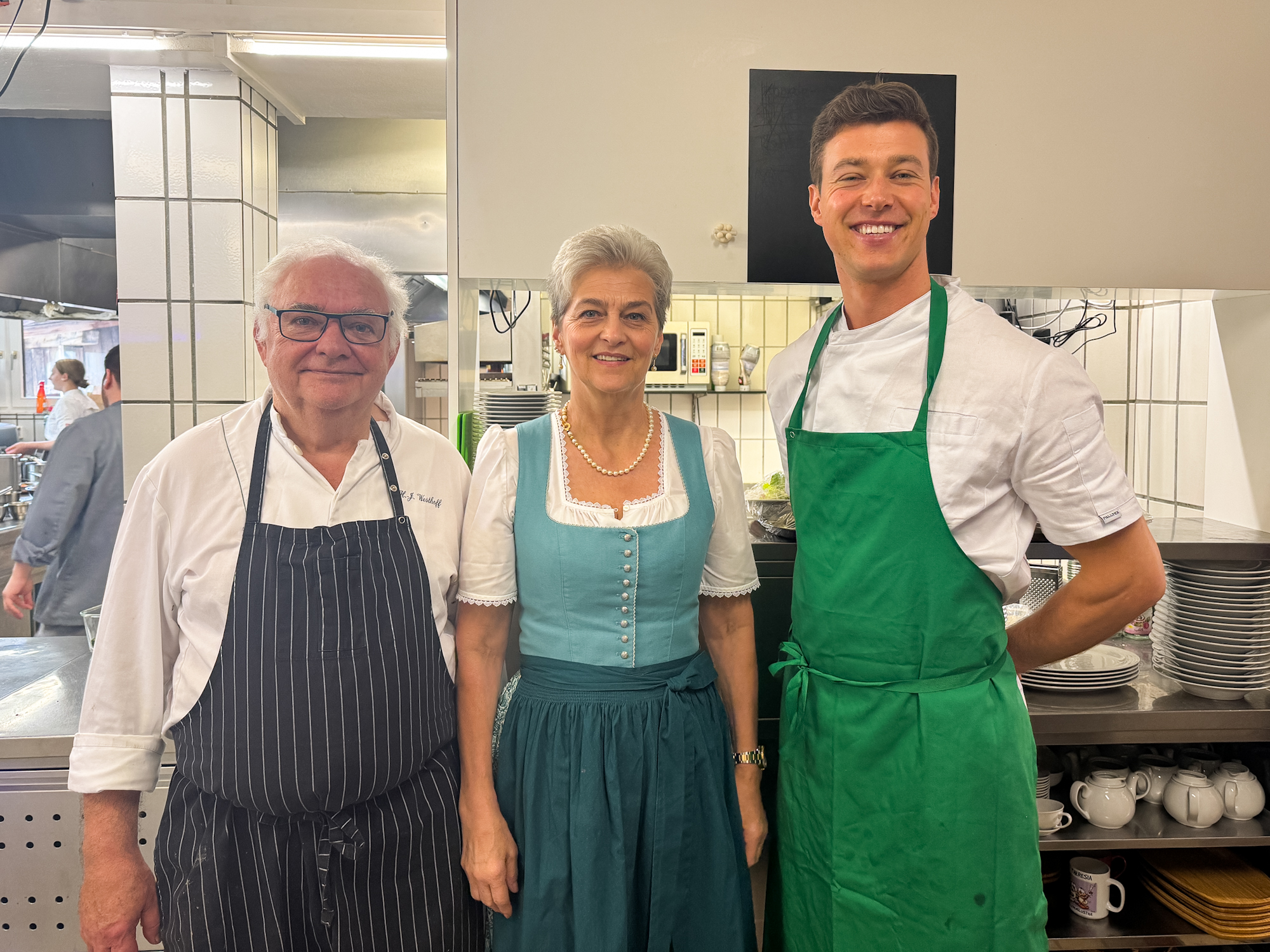
I get on the forest train at Innsbruck's market square or at the small train station in Wilten below the ski jump. Somewhere near Tantegert (Waldmoor & playground) I usually get off again and take one of the shady forest paths over the Lanserkopf. Via Lanser See, Seerosenweiher (or Lanser Moor) and Mühllake, it's then a leisurely walk to the Isserwirt in the heart of Lans - easily recognizable by the most lush begonia waterfall on the entire village road. Inside, I am greeted by time-honored Alpine chic and the landlady Theresia, who welcomes every guest personally. It goes without saying that everyone here in the village is on first-name terms and of course I'm allowed a quick look in the kitchen! The Isserwirt has been running for 16 generations since 1313, and although it still keeps the „Thresi“ young today, „da Bua“ (=junior) Andreas has long been in the kitchen. Besides, she's only "married in" anyway, winks the cordial hostess.

A culinary, visual and personal hit

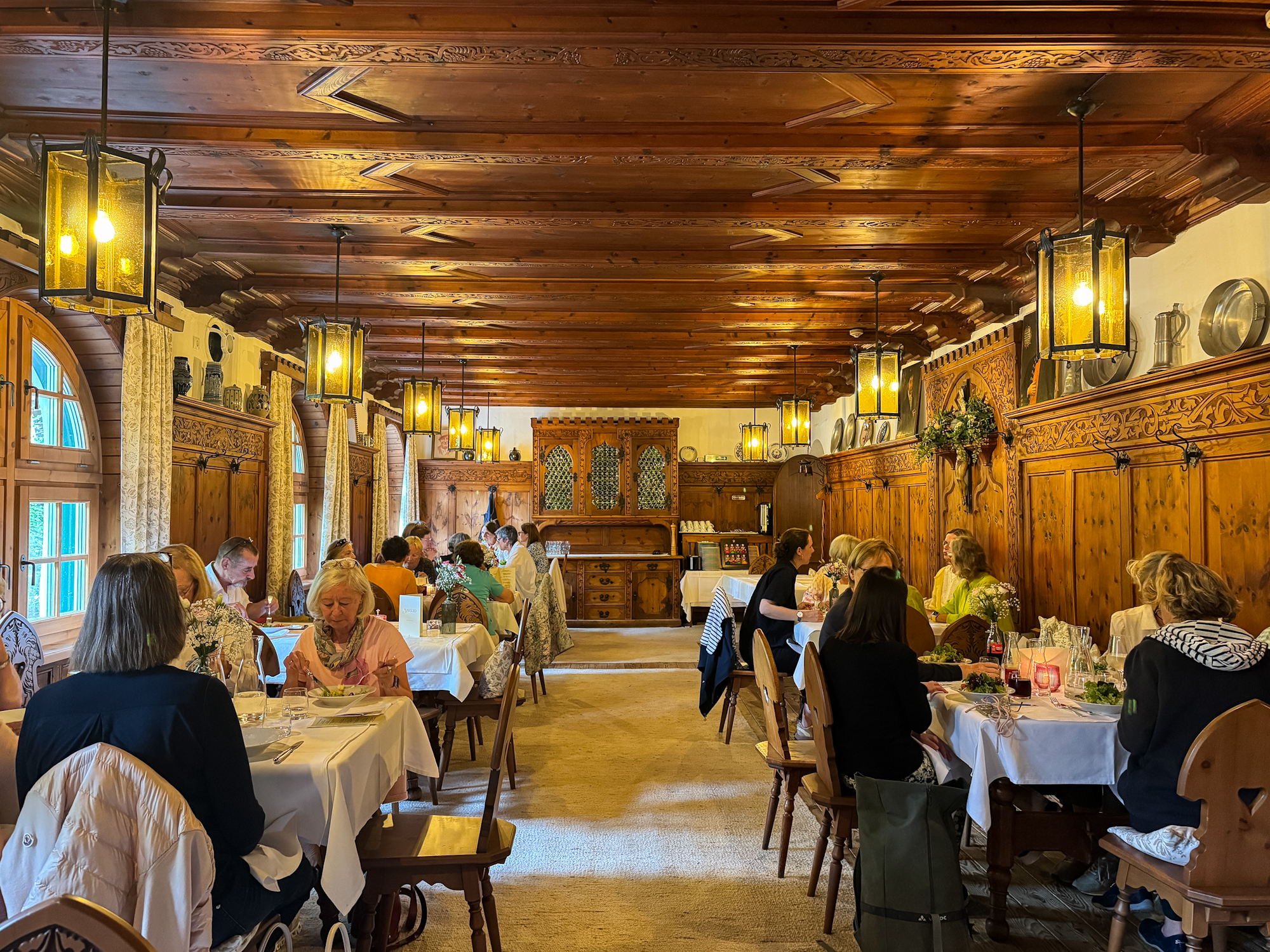
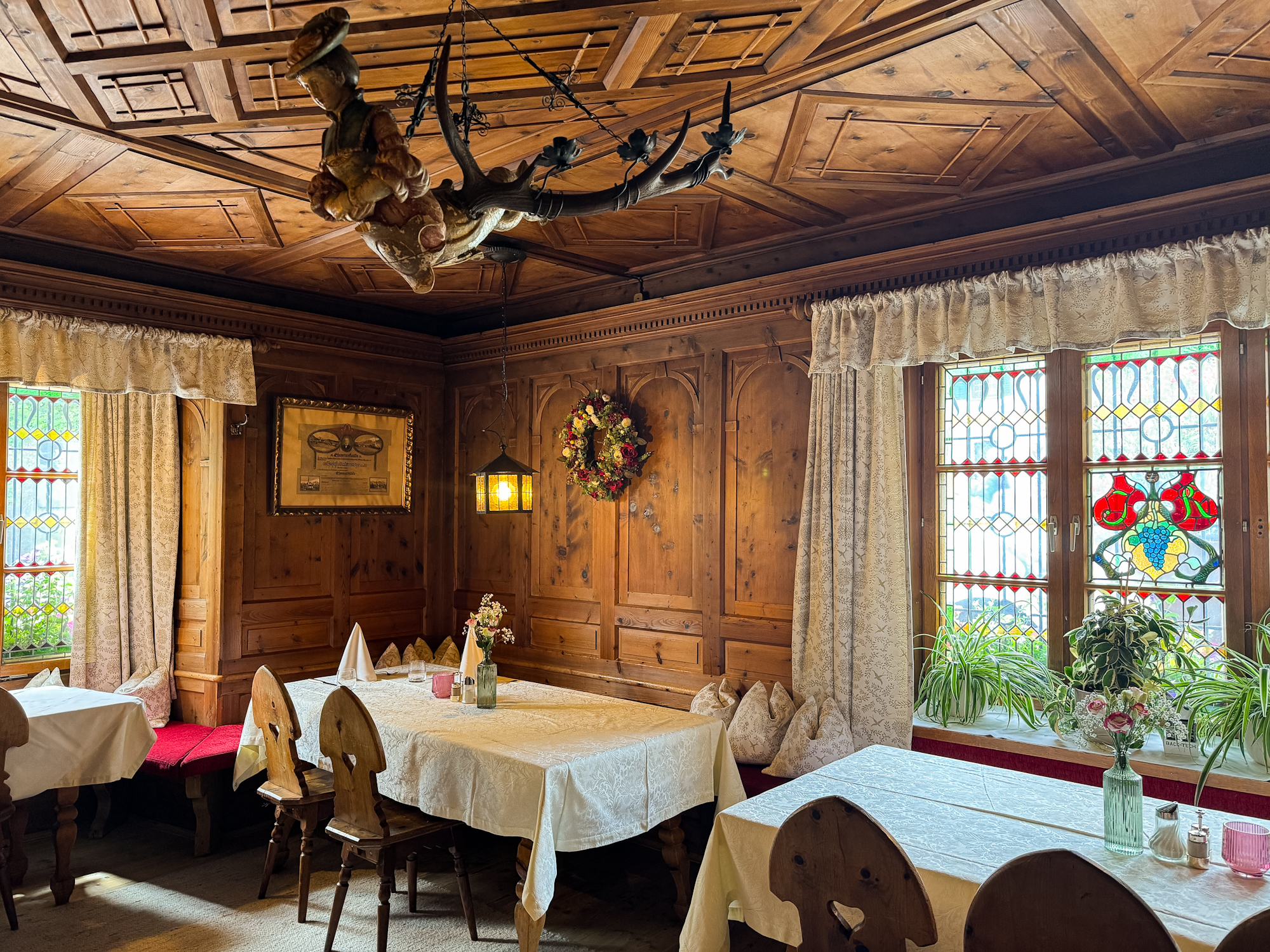
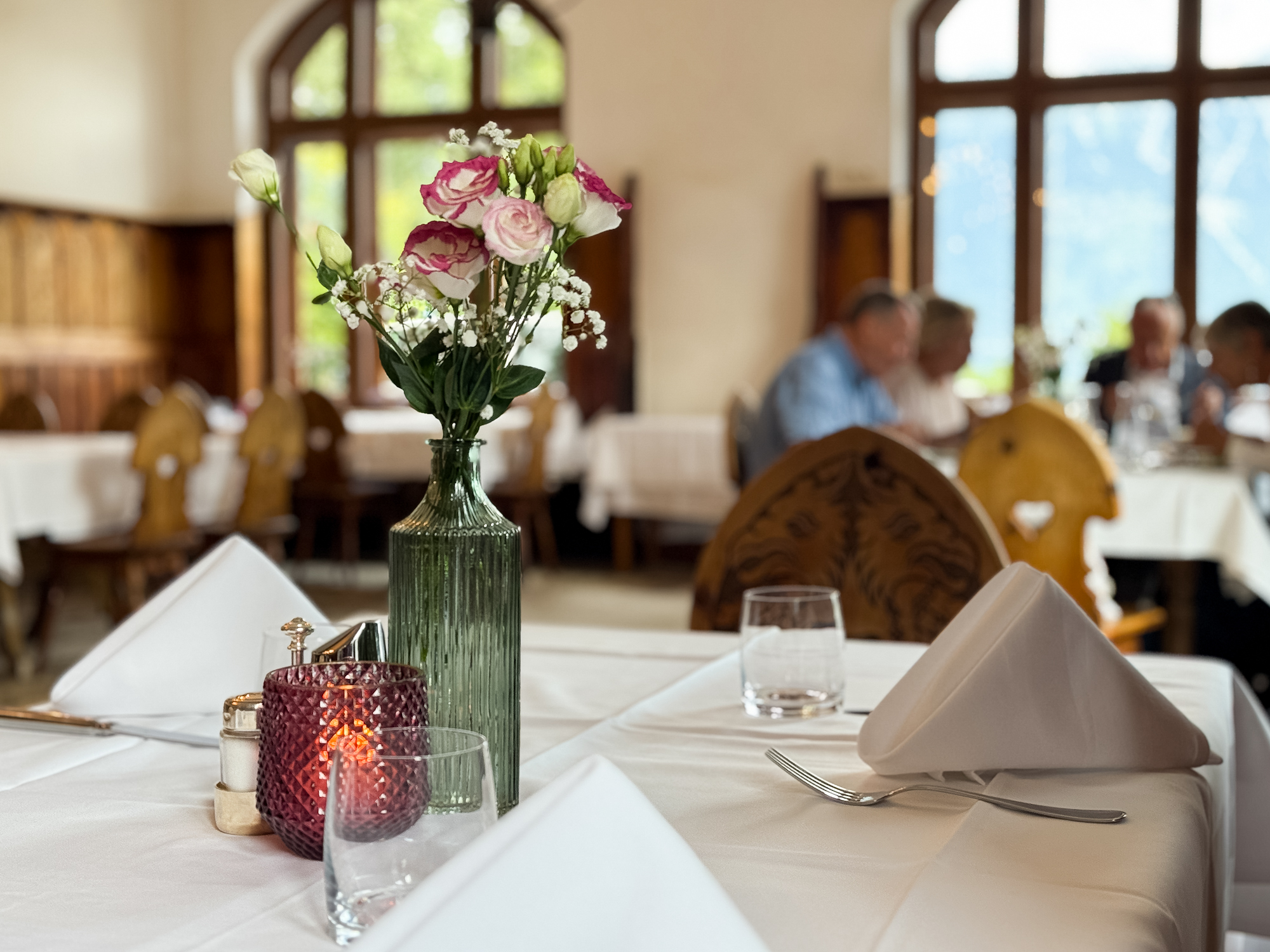
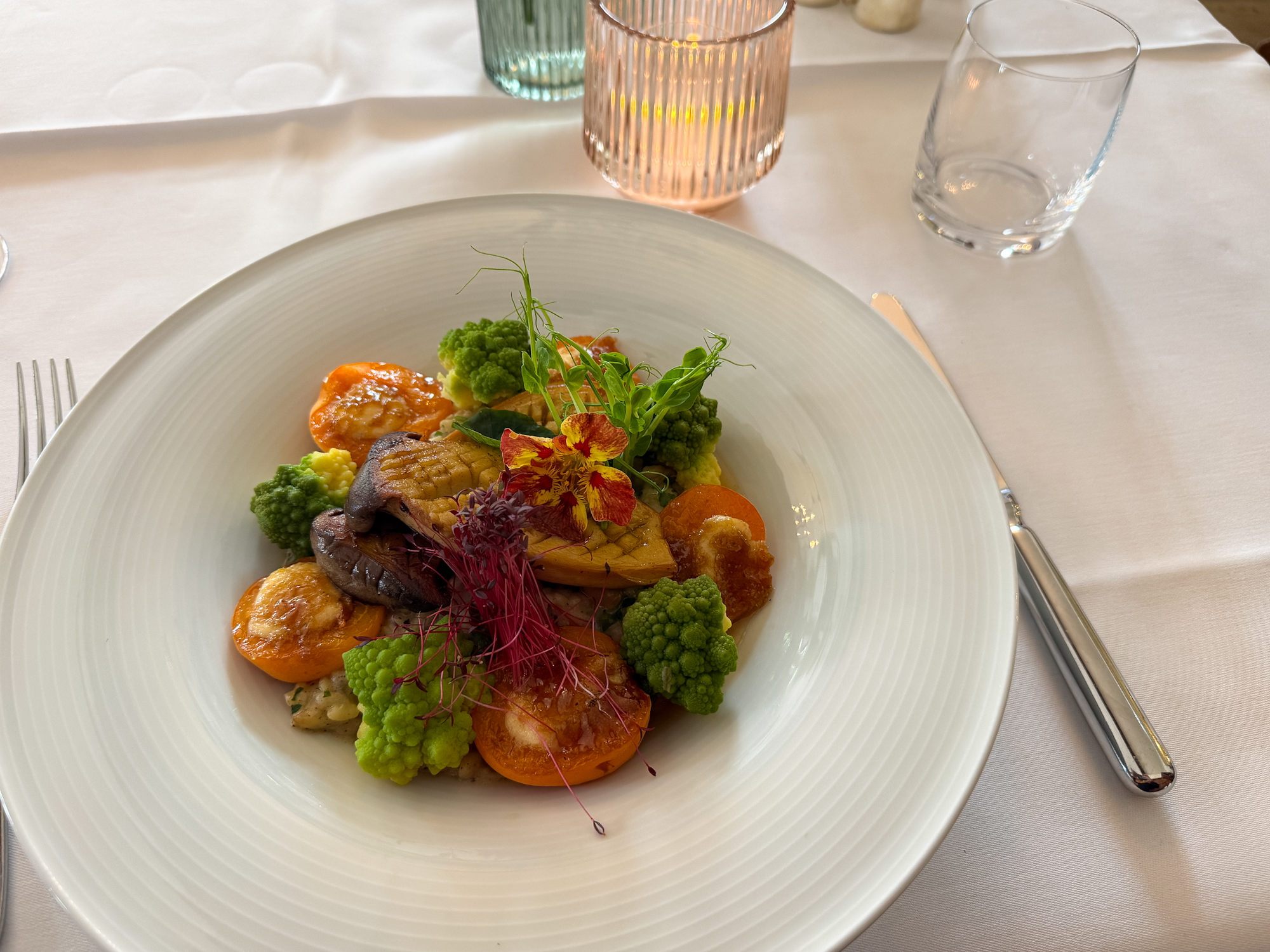
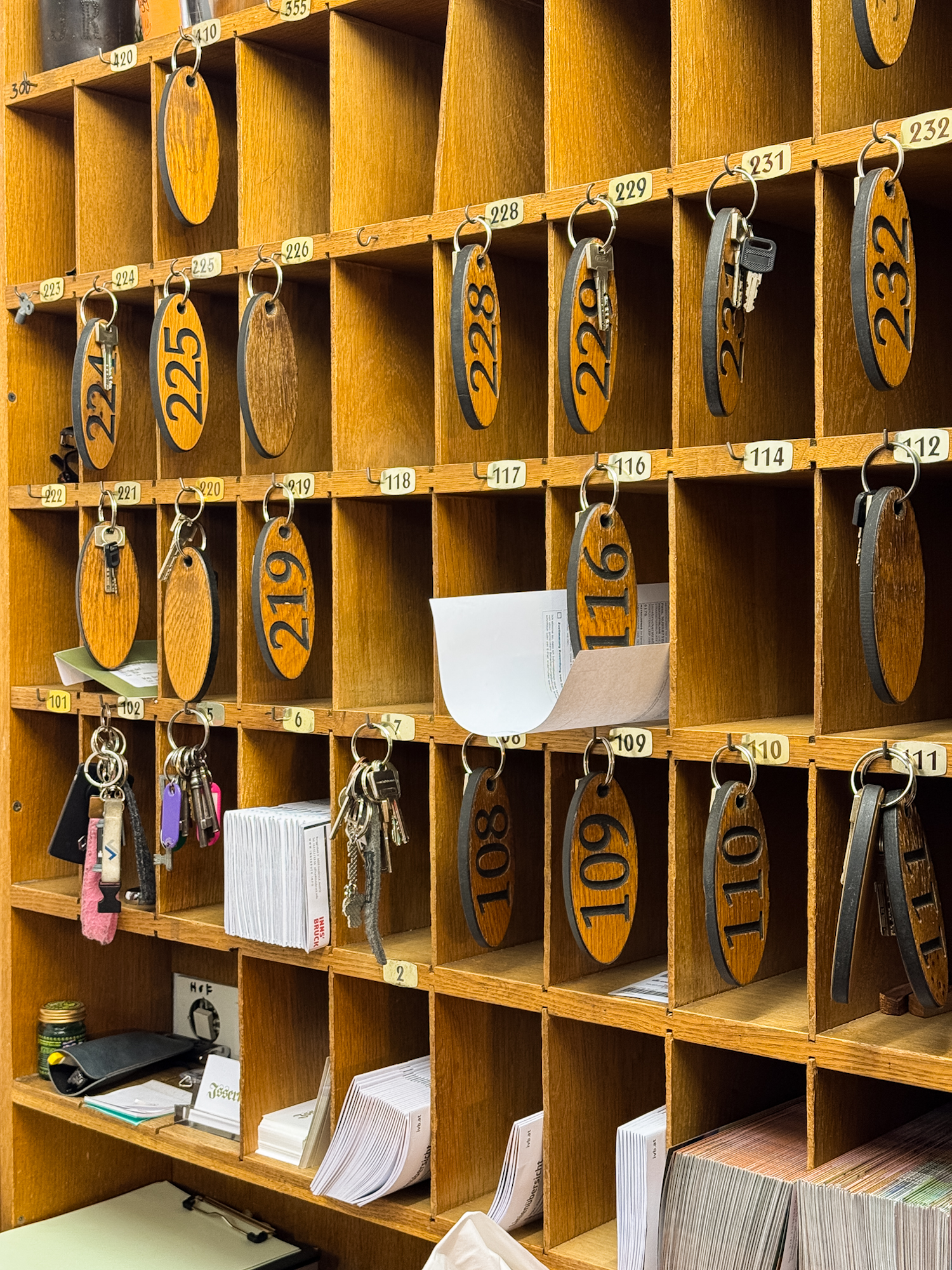
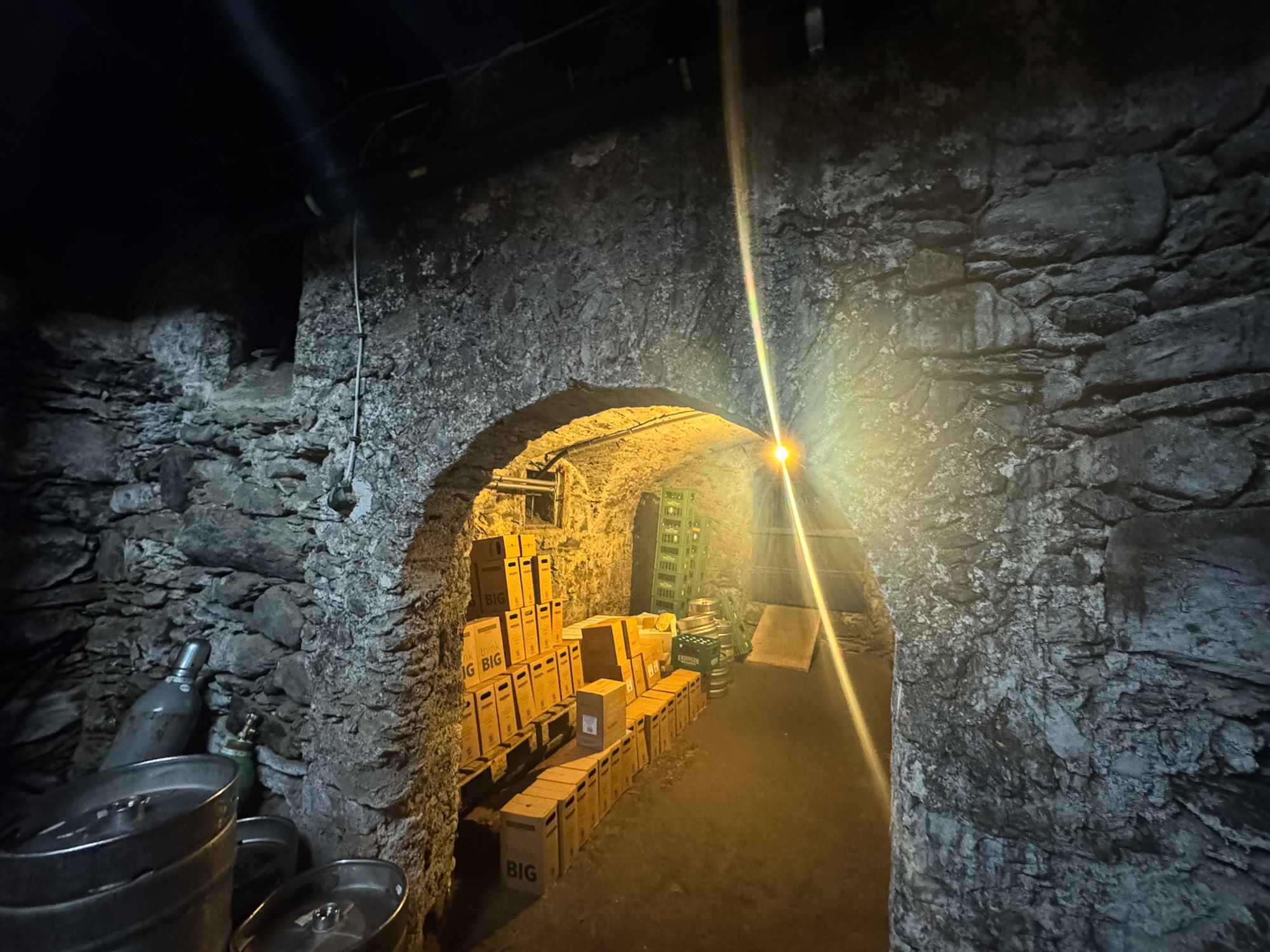
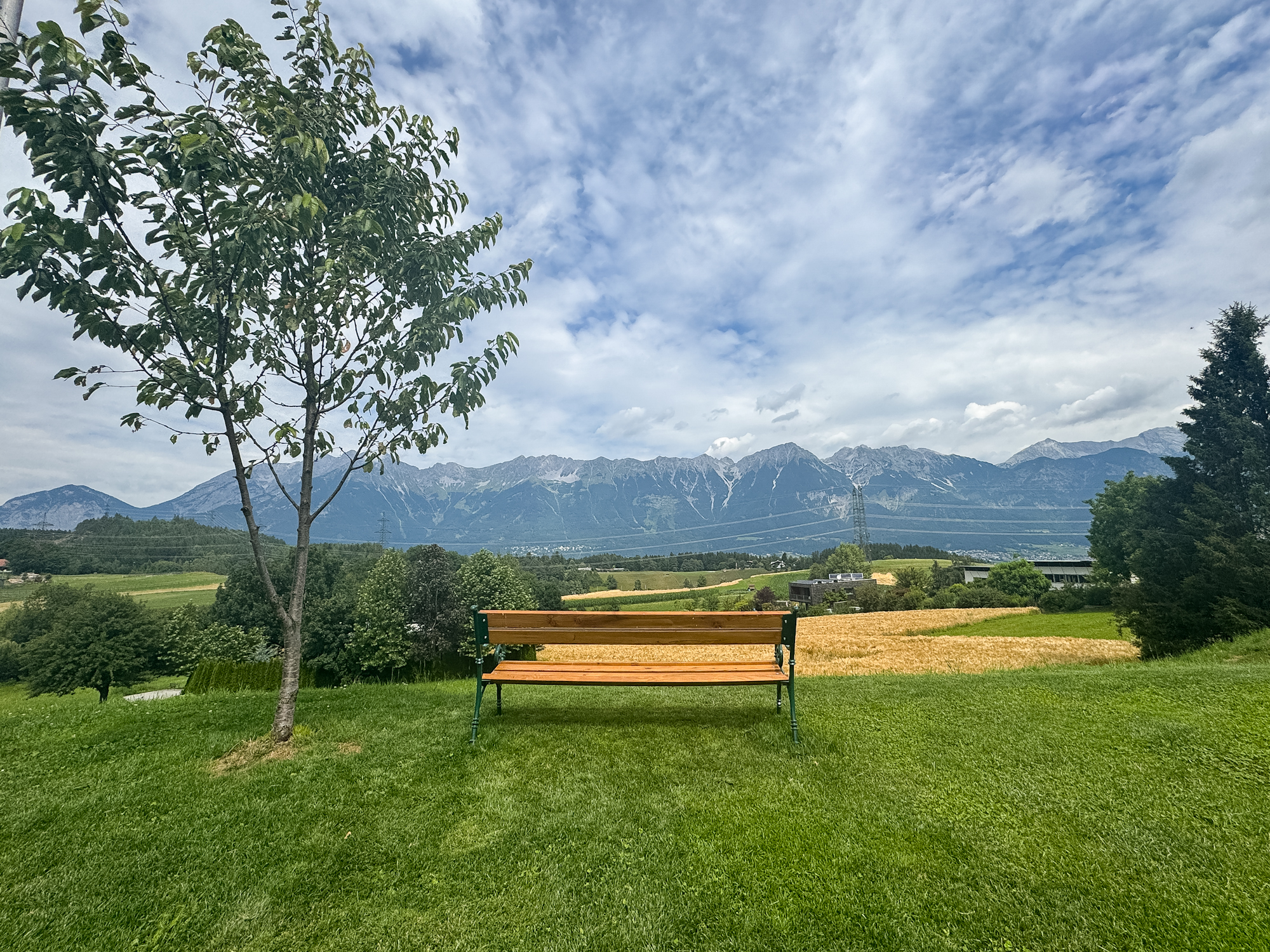
The dining room, once built by Grandpa Josef in 1905, was renovated for the baby elephants (or 1.5 m - social distancing rule) under Empress Corona. " Gogl Moni made it beautiful for us, very purist, even the Goethe glass and the old windows were preserved. The mountains always look so moving - it's cold in winter, so we just put up candles." Senior chef Jupp serves the food personally, the menu is small and valuable, always with a few spins too. For example, the caramelized apricots with goat's cream cheese served with herb risotto - his idea, of course. His "Bua" Tobias has also been in the kitchen for a long time. I am amazed, because it is very, very rare to find a restaurant that even the employees are happy to pass on. The hospitality is so heartfelt and genuine that I am even given a guided tour of the wood-carved parlors and the medieval earth cellar - every corner is still well looked after today. At the Panoramabankl in the garden, I silently vow to return, then my bus arrives in the valley.

Serving suggestion 2: Cycle to Grünwalderhof

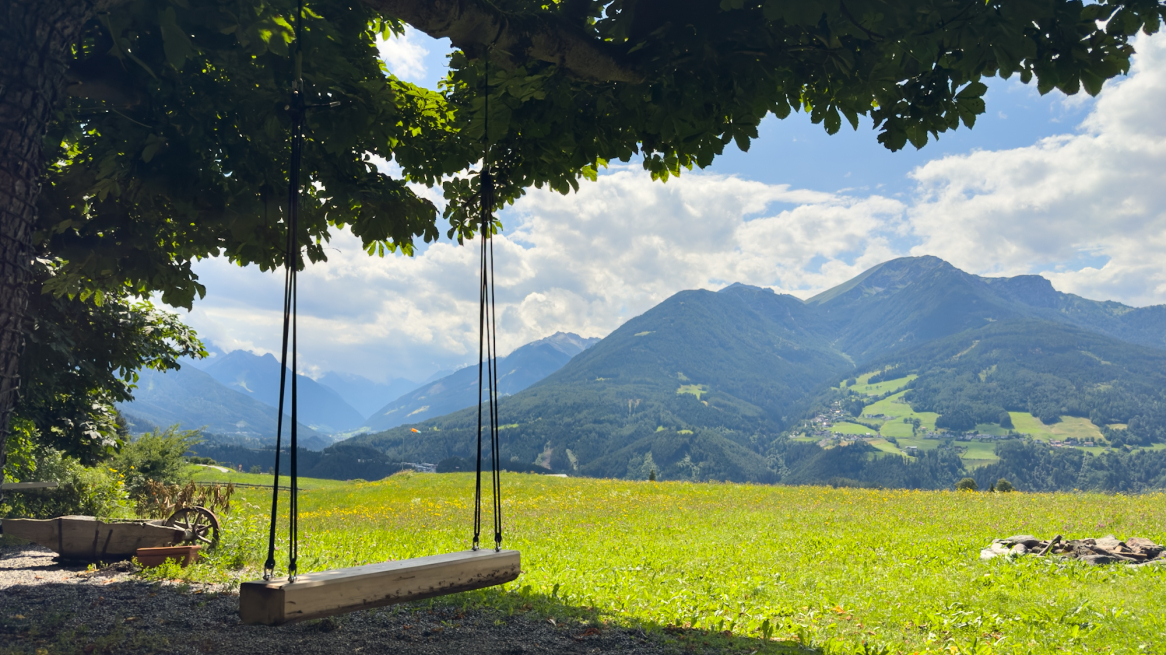
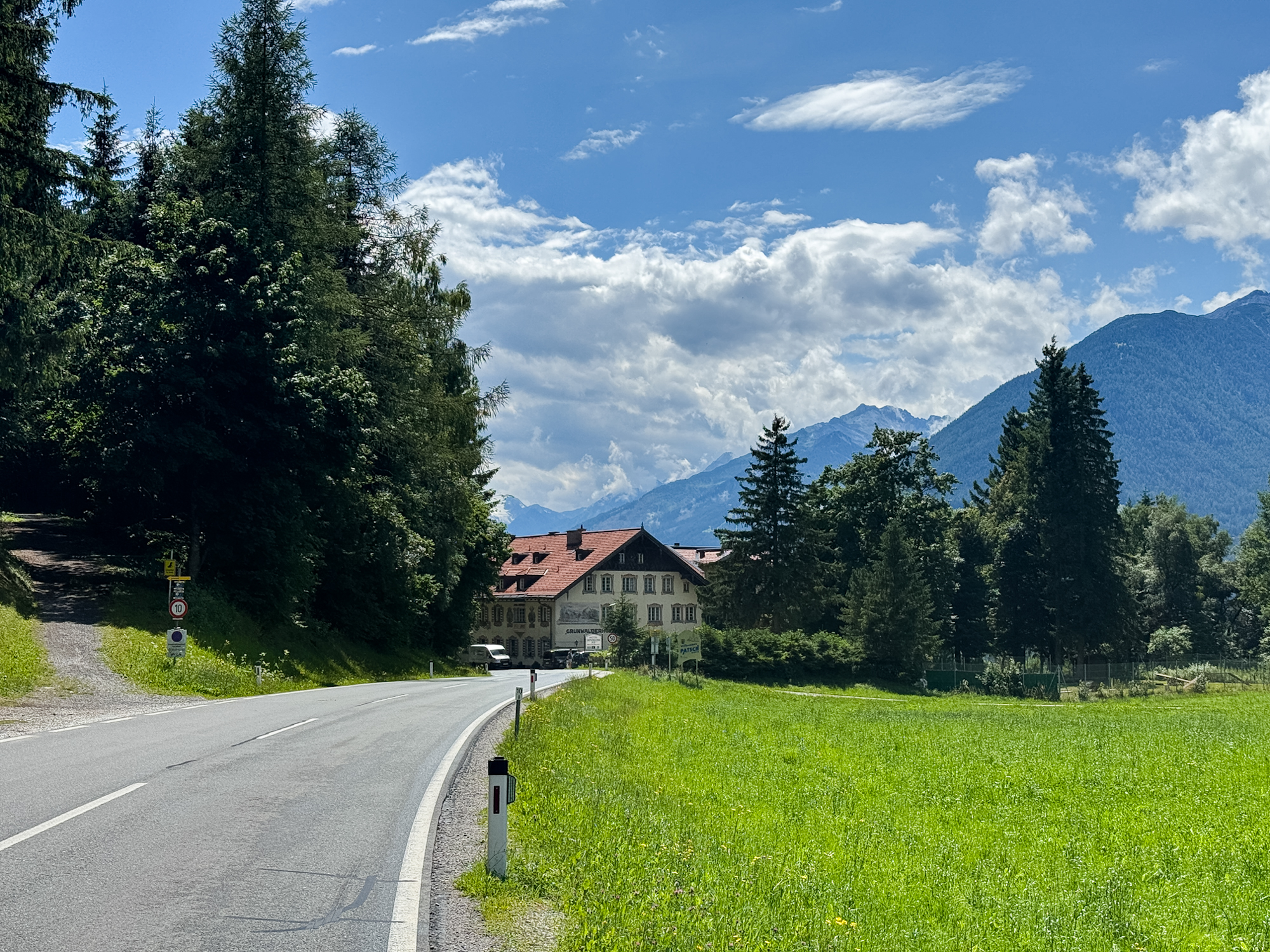
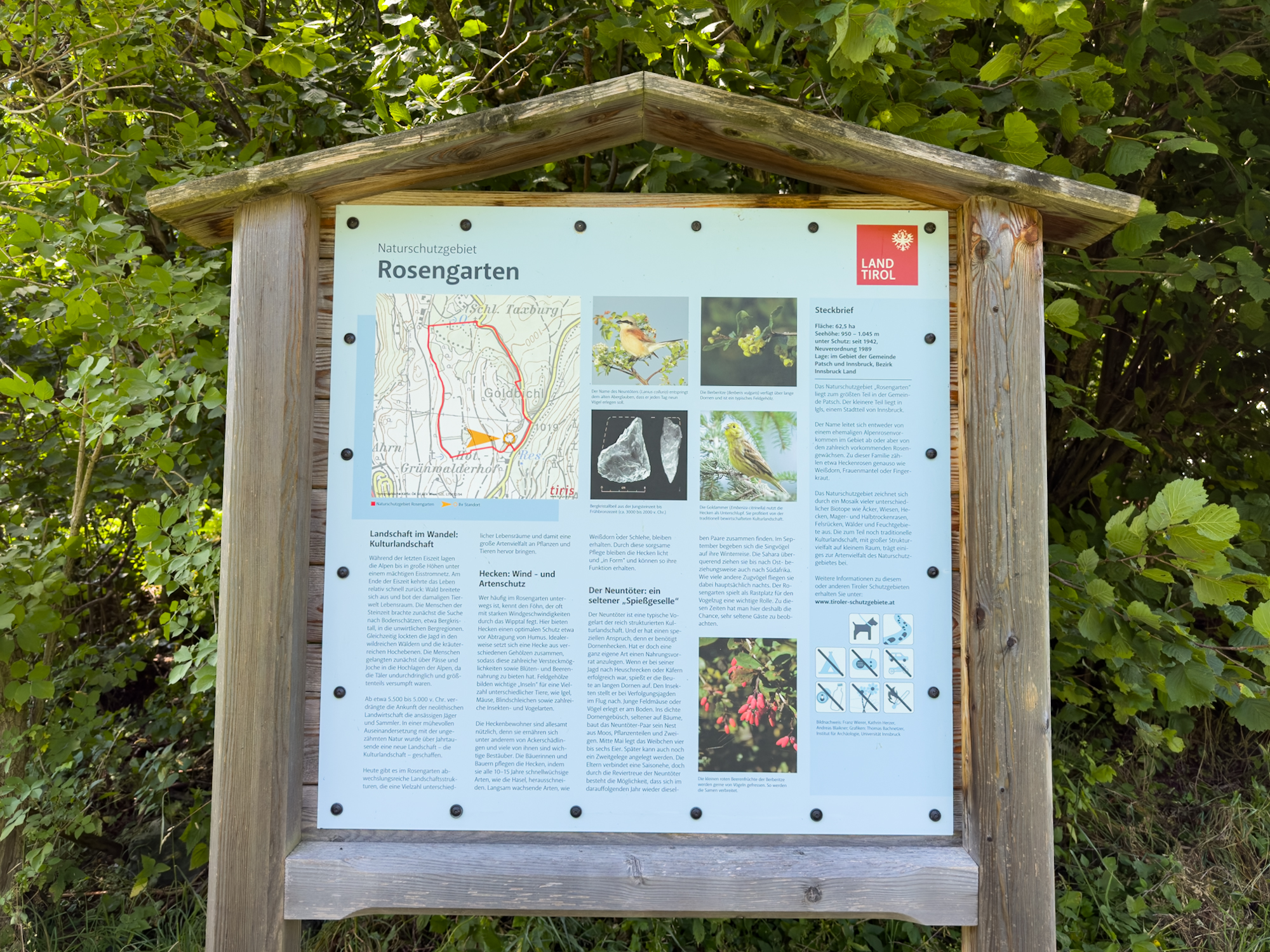
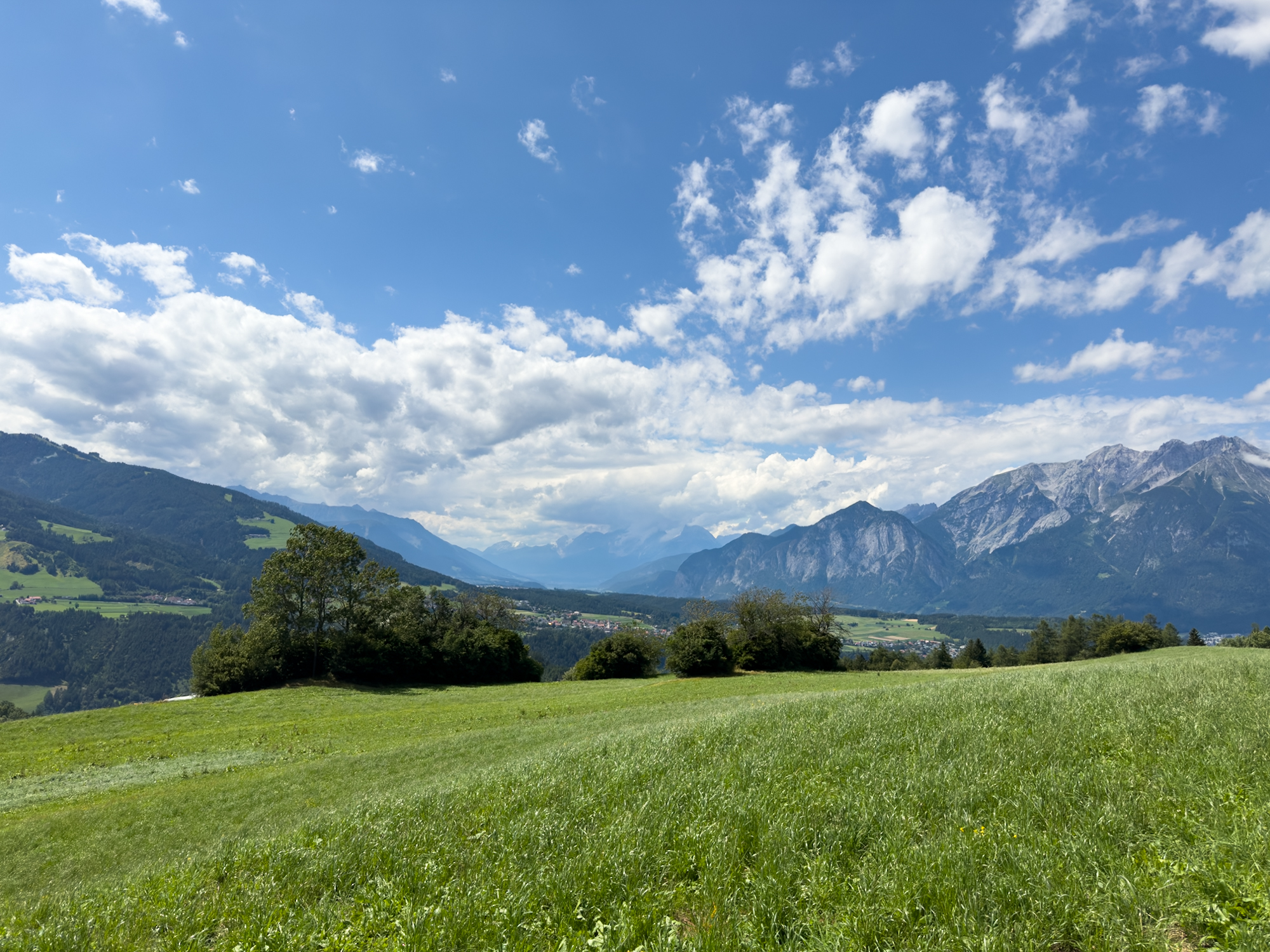
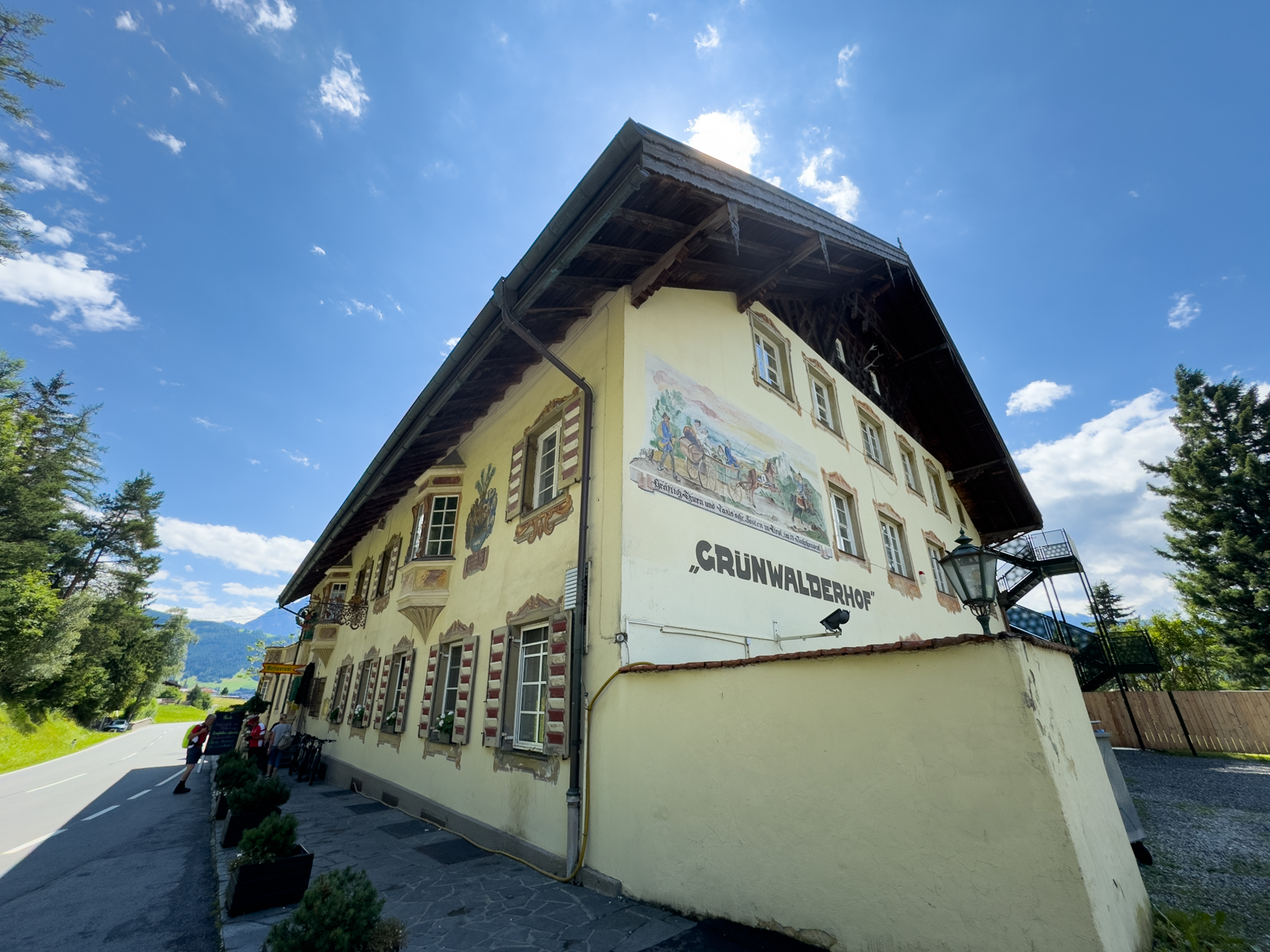
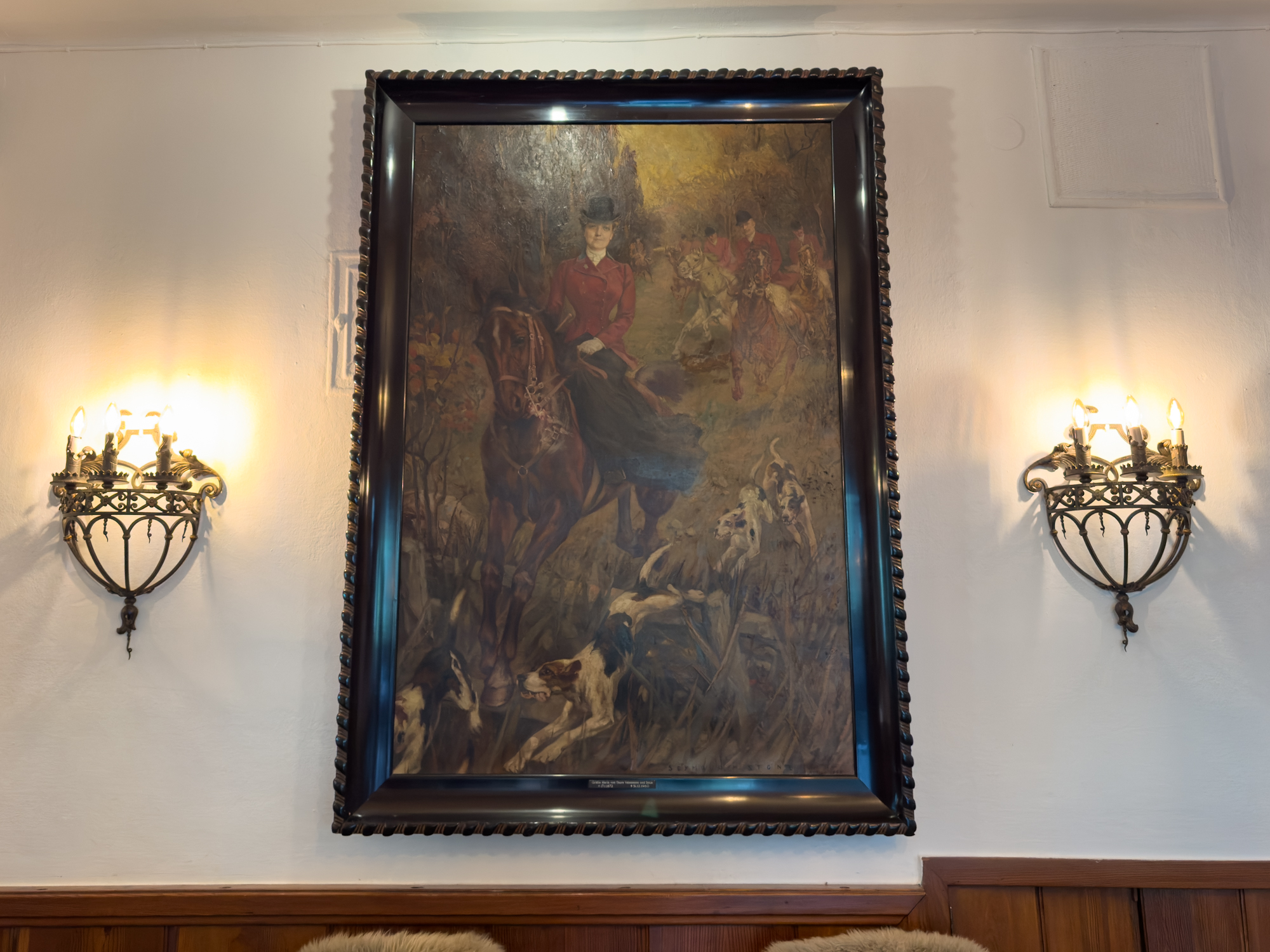
To the Grünwalderhof at the foot of Patscherkofel by bike this time. From the Kneipp facility on the village square in Igl (also via bus route J), it's just 20 minutes to Patsch via the panoramic Gletscherblick trail. Incidentally, your host Hansjörg offers trained birdwatching guides on the tour through the adjacent Rosengarten nature reserve - if he can find the time. Otherwise, you'll have to explore the fairytale forest paths around the „Kofl“ (=Patscherkofel) yourself, take in the view from the old Roman road through the valleys all the way to Italy or relax in the garden at Grünwalderhof and enjoy the panorama. I missed the opulent breakfast served by the Countess (until 11 a.m.) today; the large-format hunting scene of Thurn und Taxis watches over the empty buffet inside.

Nice place to sit outside

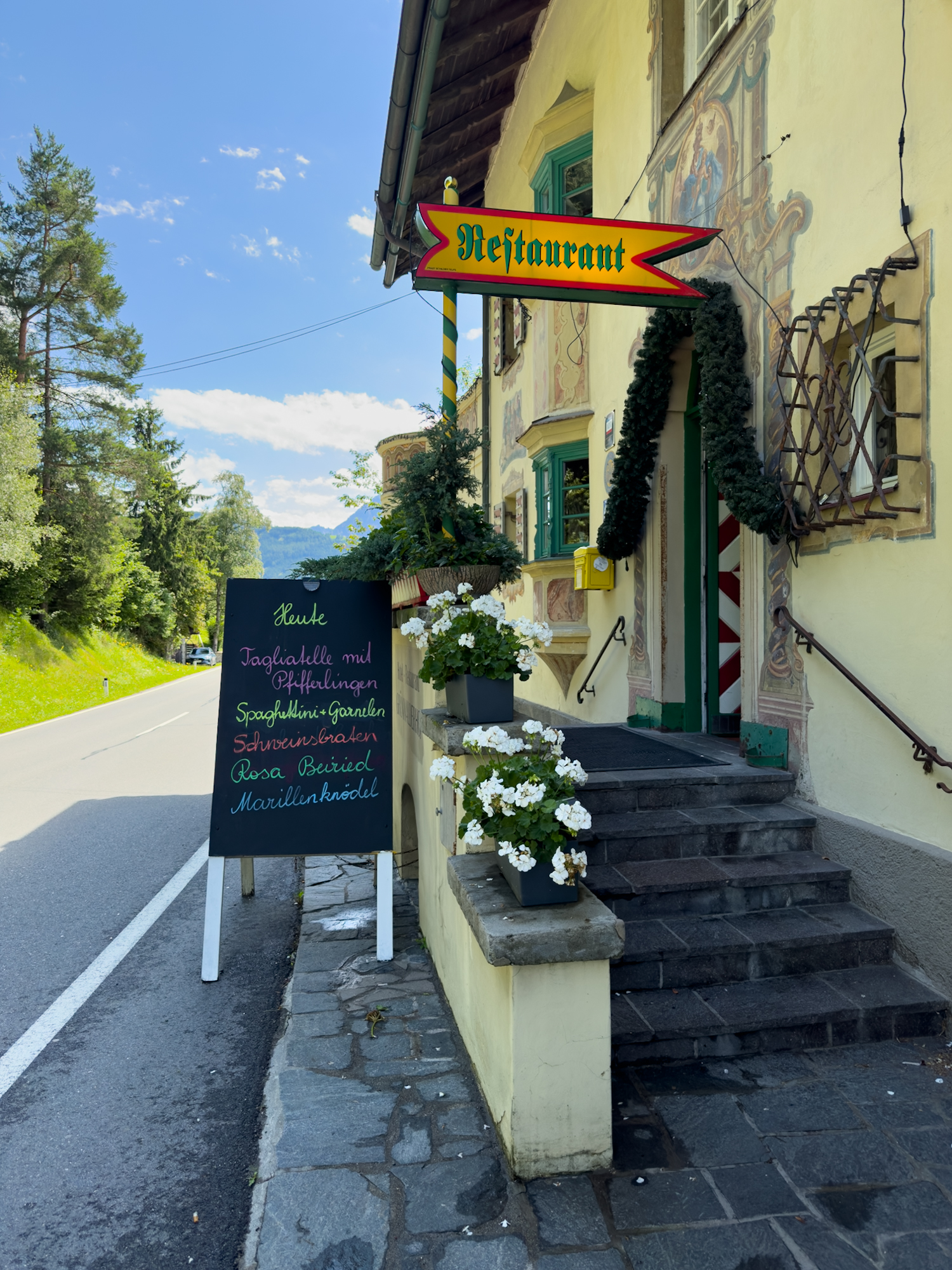
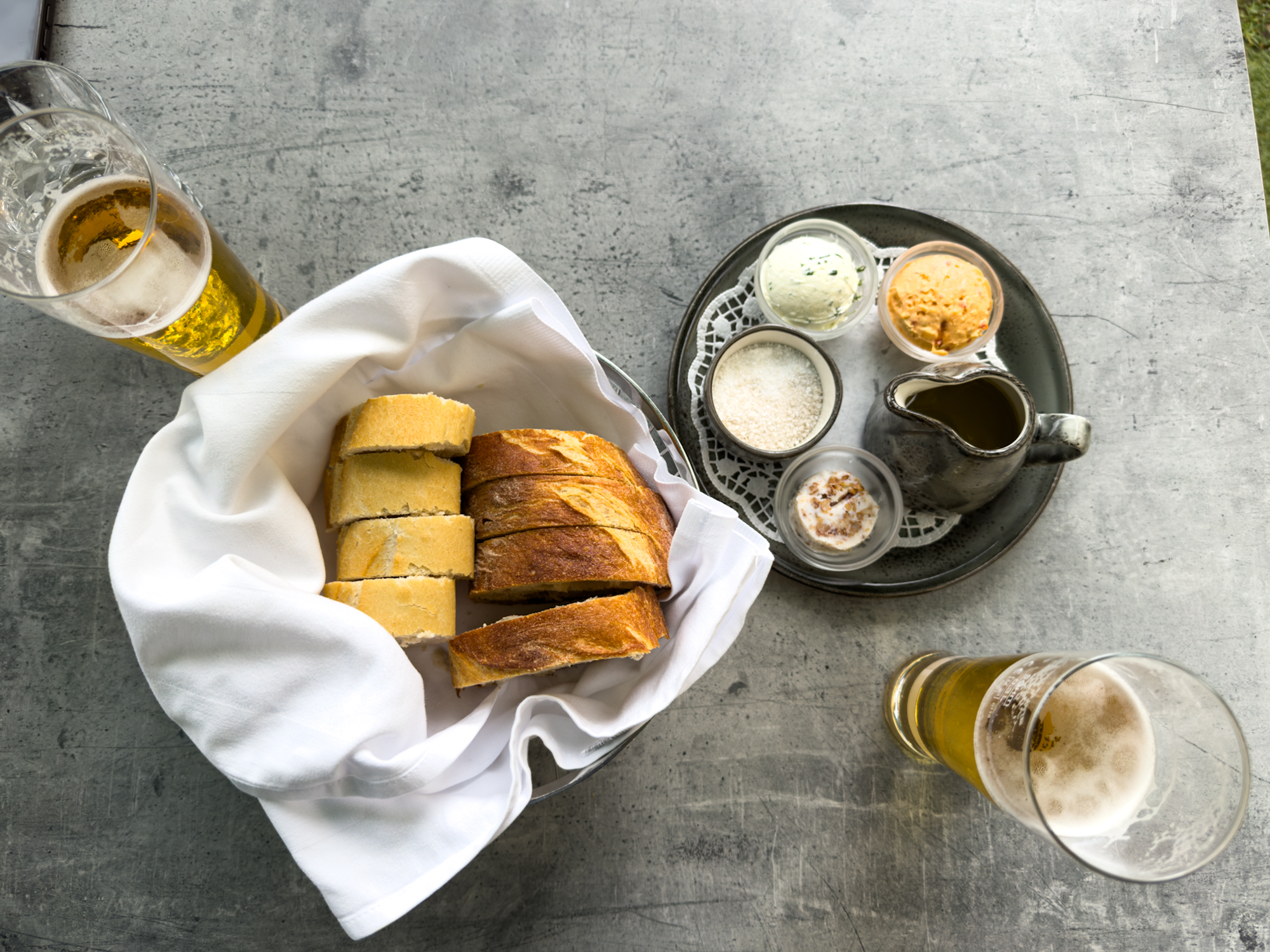
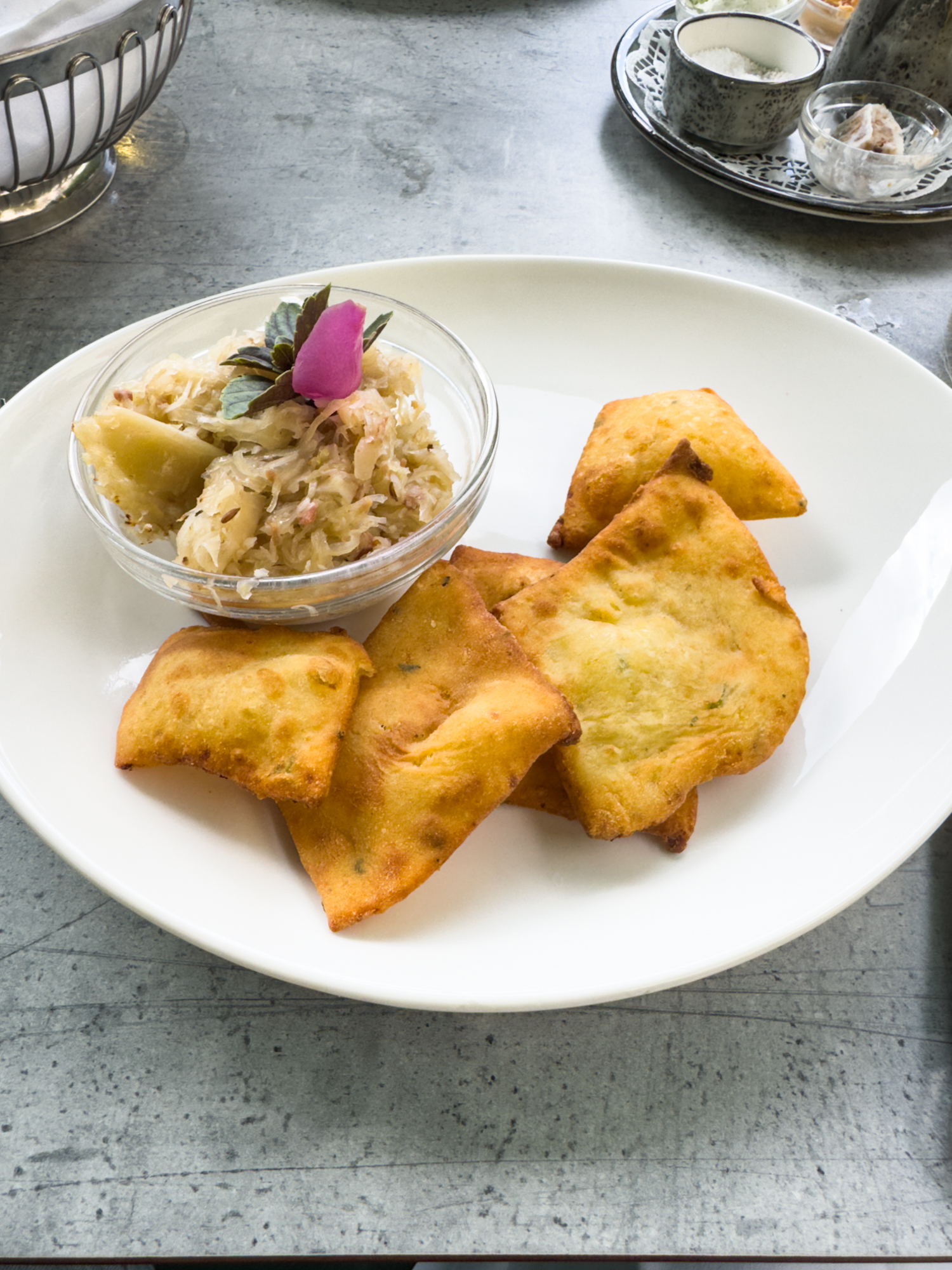
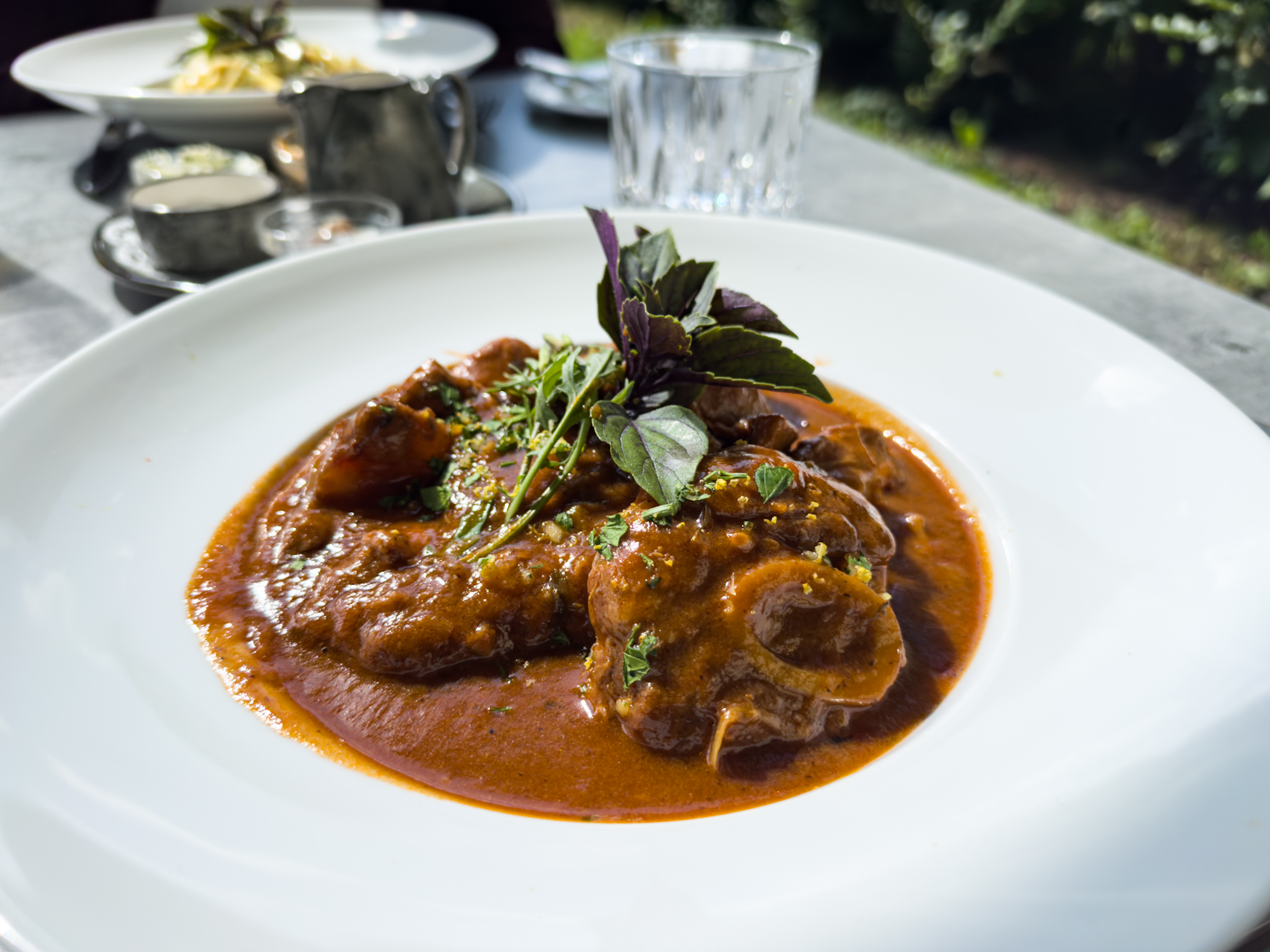
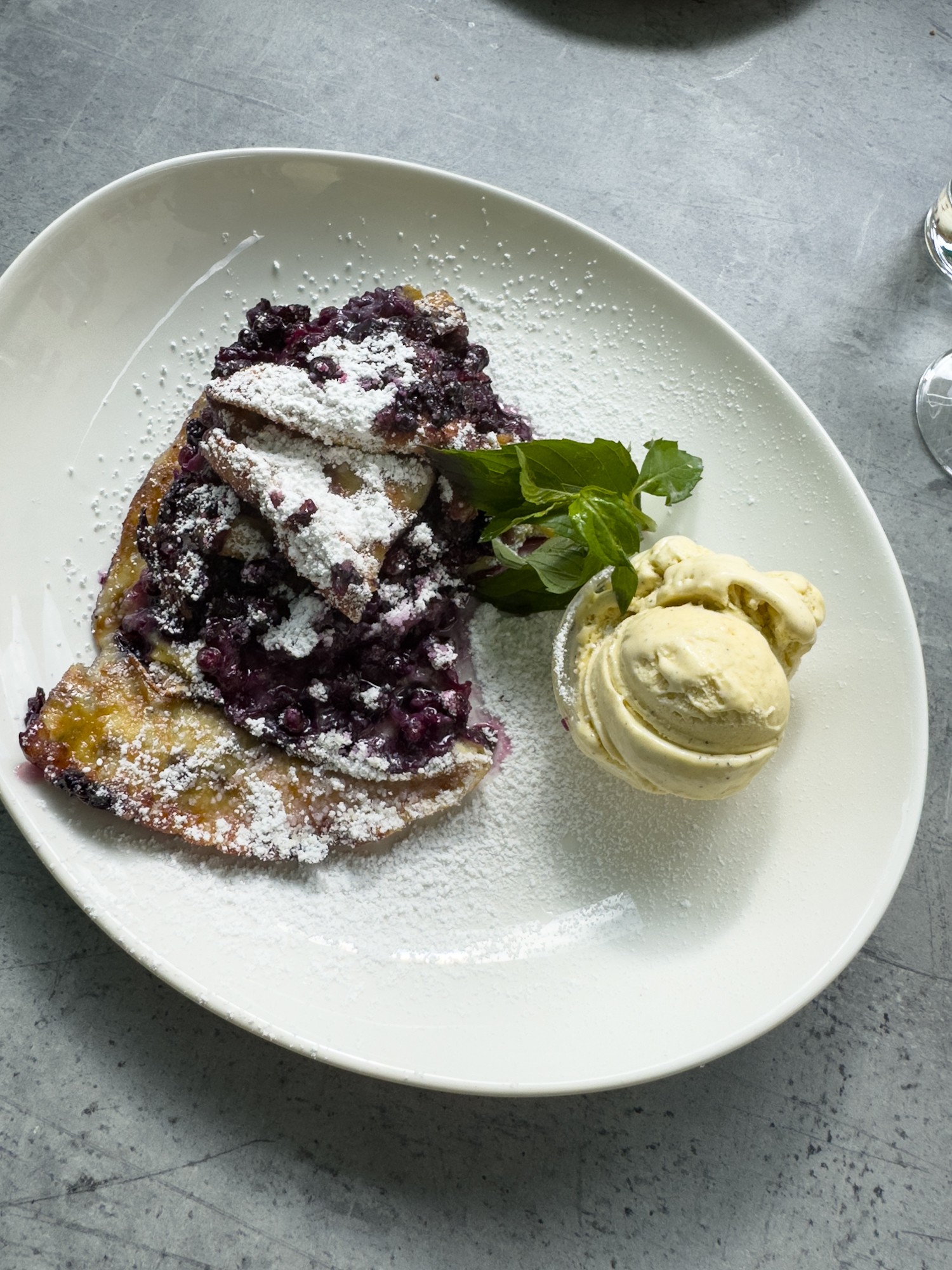
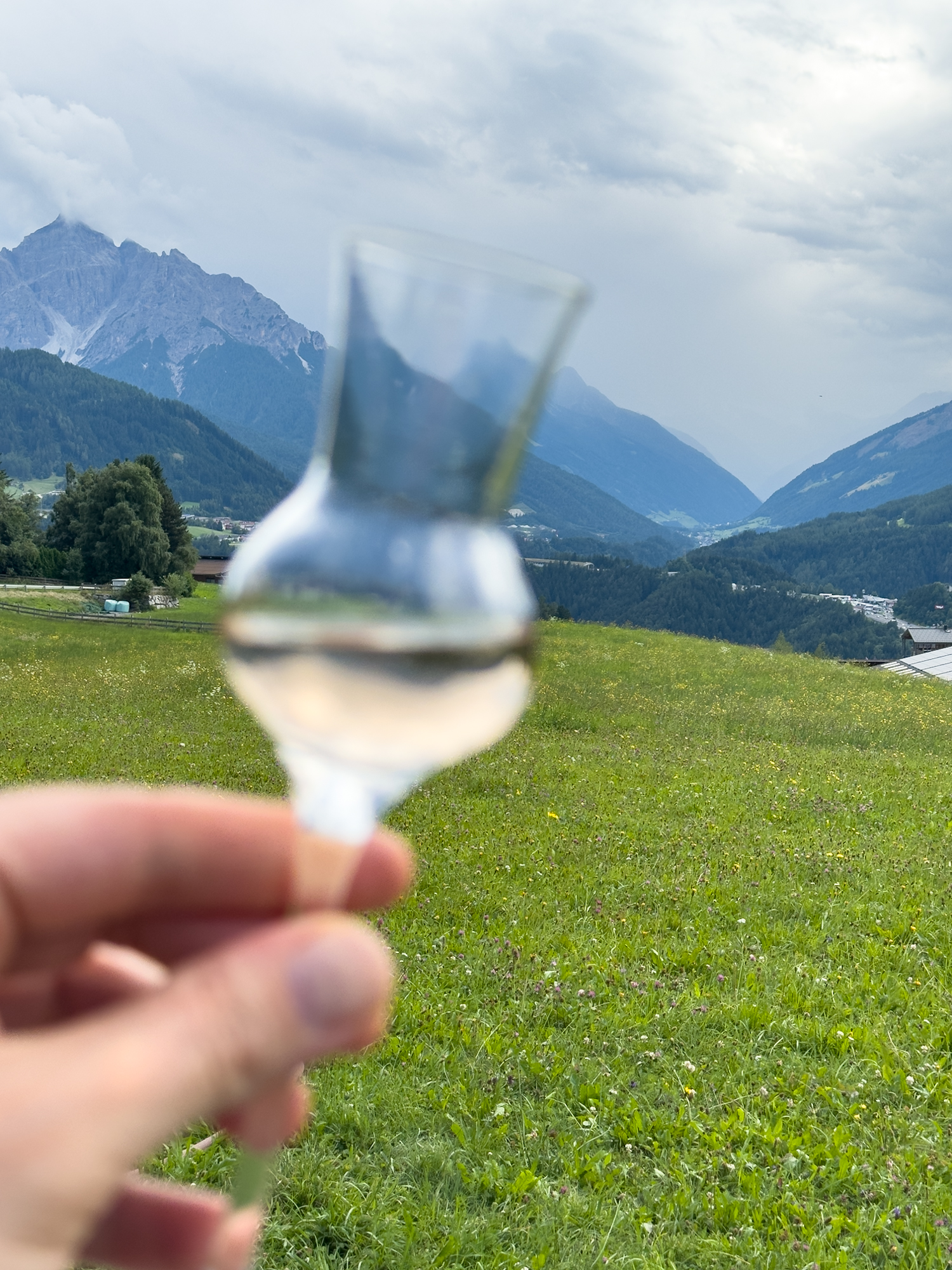
I take the Falstaff award-winning terrace anyway, ranked third in the whole of Austria, and host Christine puts her "Bua" Christoph at my side to serve. Together with his brother Hendrik, he graced a feature on the Ribis family's offspring in Tirol Magazin in spring - the next generation is already taking flight. He then recommends the incredibly rare Tyrolean Erdäpflblattln with cabbage as sympathetically as "quite honestly, a beer". The menu surprises with a consistently loving Austro-Italian fusion, where the set meal is served with Grammelschmalz with Swiss stone pine salt and olive oil. The ossobuco alla Milanese is worth the trip alone, and then there are the house-style cranberry dumplings! The portions are princely, no one goes hungry and the take-away packaging made from recycled paper is as attractive as it is clever. The "old forest raspberry from the Stubai" (a rarely good schnapps) is served on this terrace with the perfect view of the valley, and - if I hadn't been there on my bike - there might have been more. I really didn't want to miss out on the noble ride down to Innsbruck, in the sunset and in the balmy evening air.

Serving suggestion 3: Just like this Wilden Mann

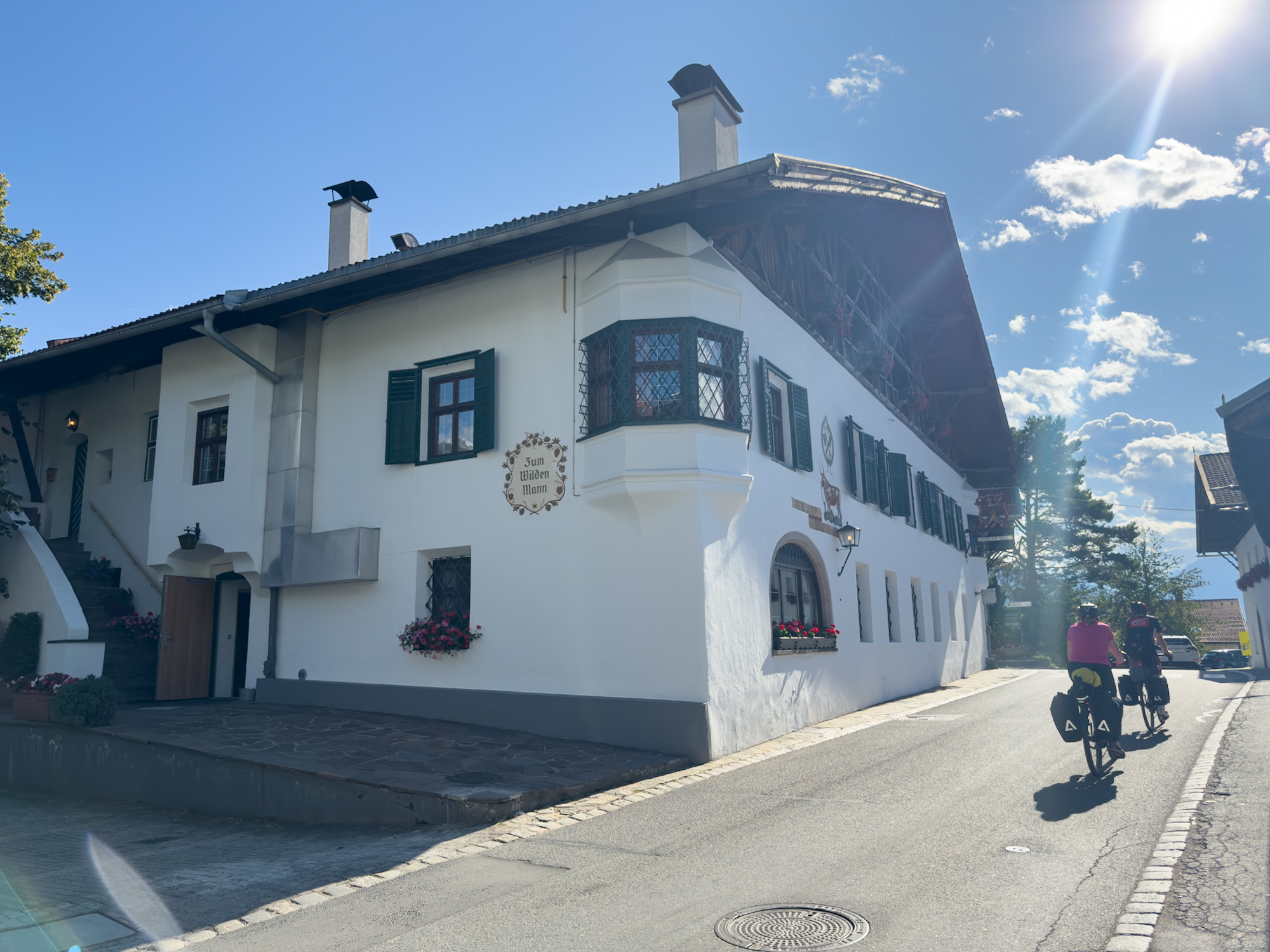
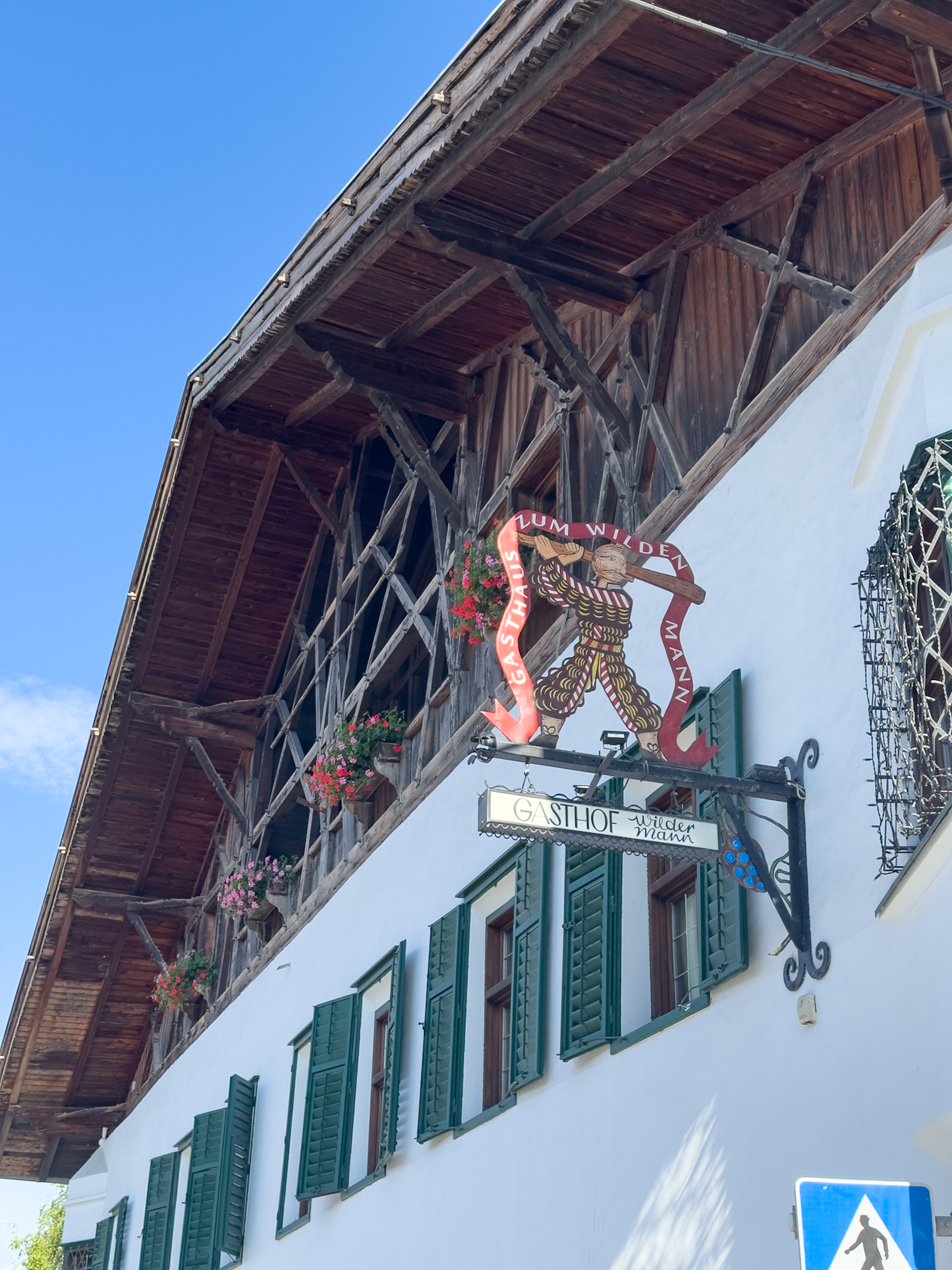
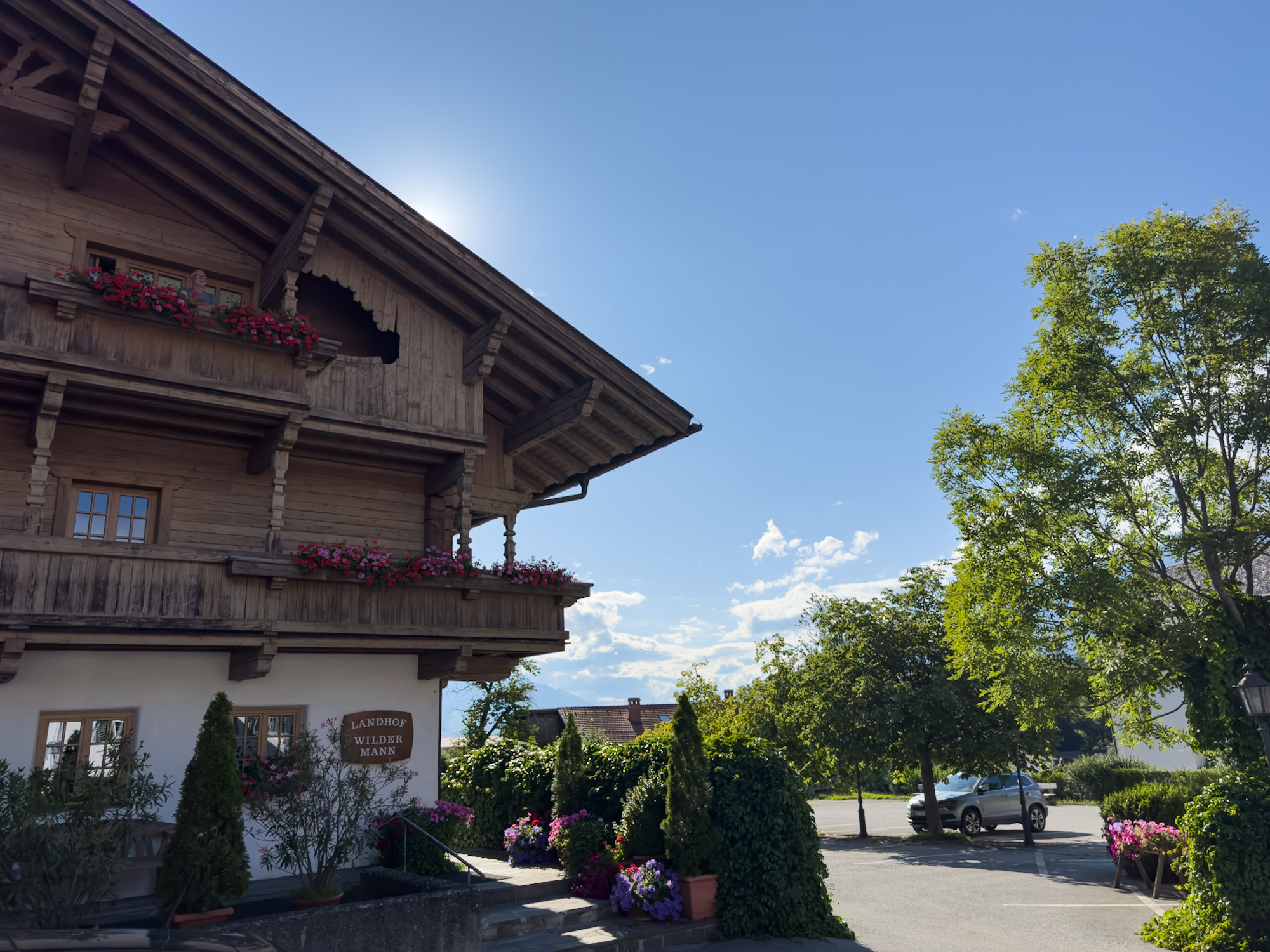
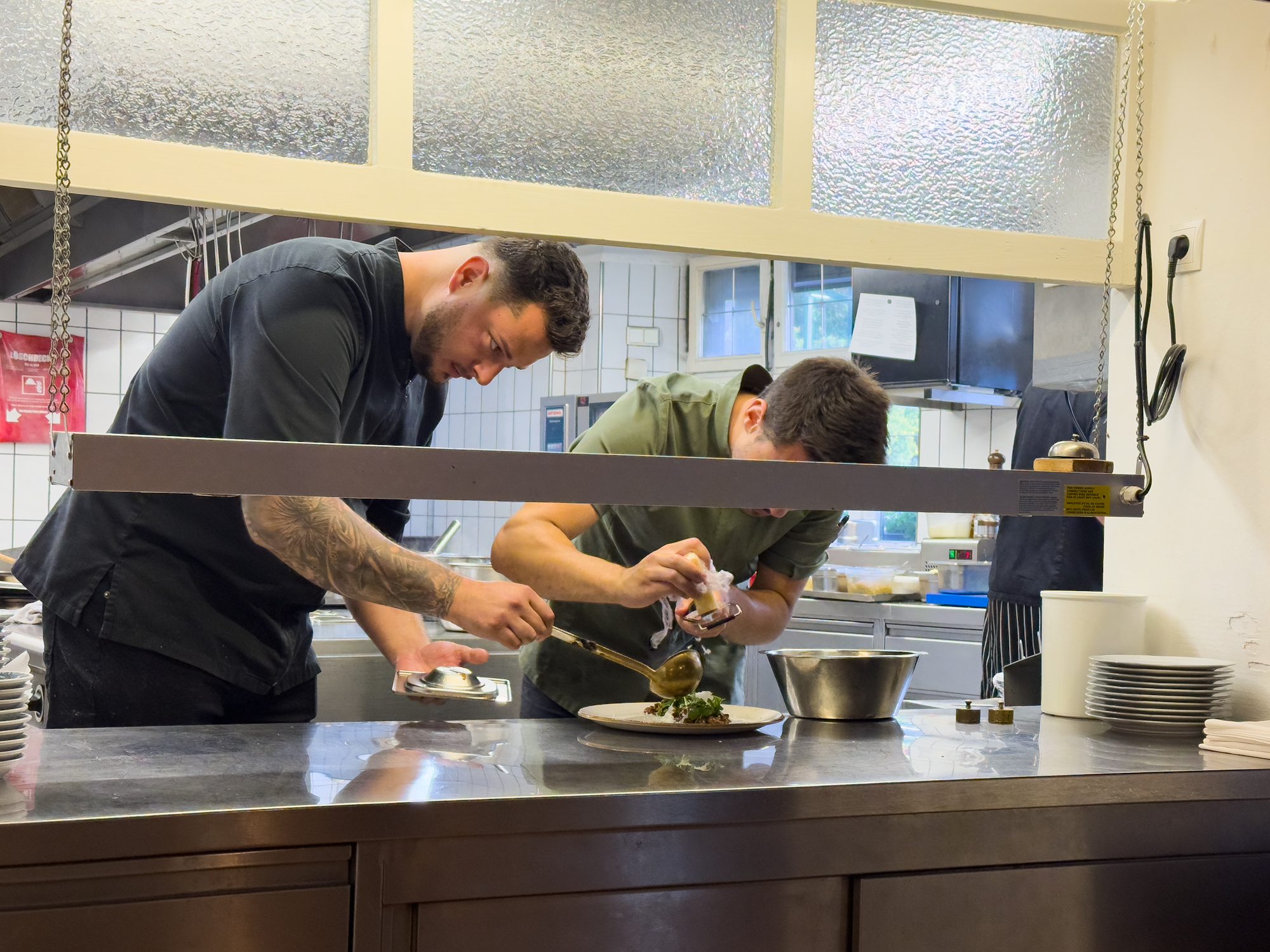
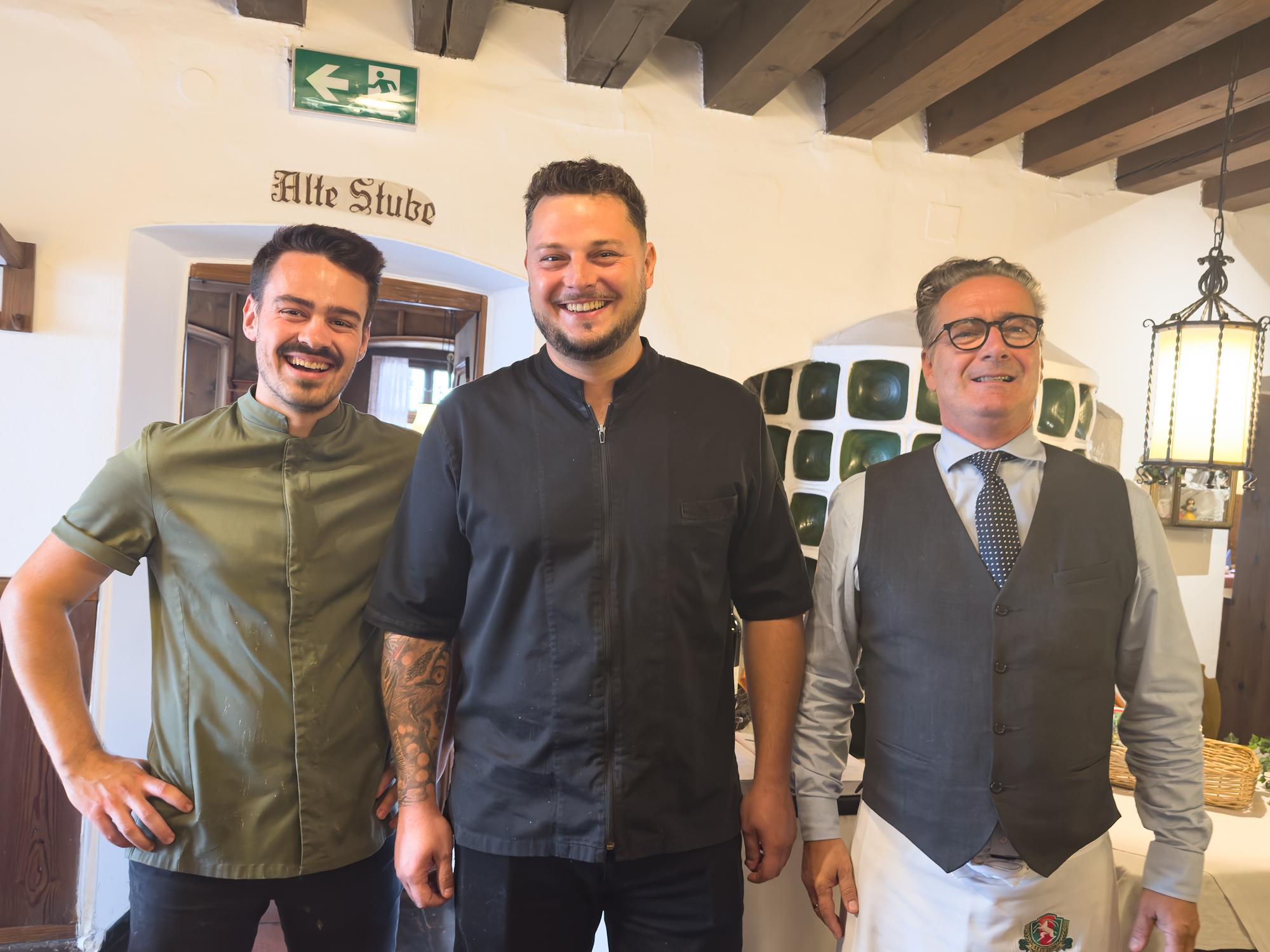
An evening excursion soon brings me back to Lans, this time to the Wilden Mann. It's actually just across the road from Isserwirt, but with its three Falstaff forks it's mainly popular with visitors from the city and further afield (or so they say in the village). "Food in the country" promises an old inscription, and prices in shillings - inside seven days of toque-awarded cuisine and service in the finest Tyrolean festive attire. Head chef Michael (fresh 29, but ask again to be sure) sits me in his "Hausstube" right next to the kitchen so that I can see everything and really smell every dish once.

Delicacies from the kitchen and wine cellar

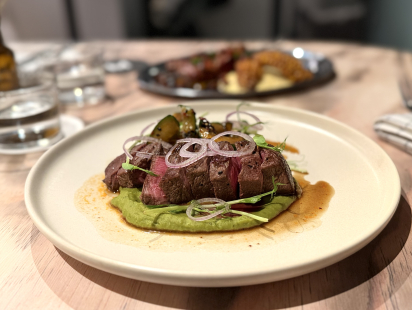
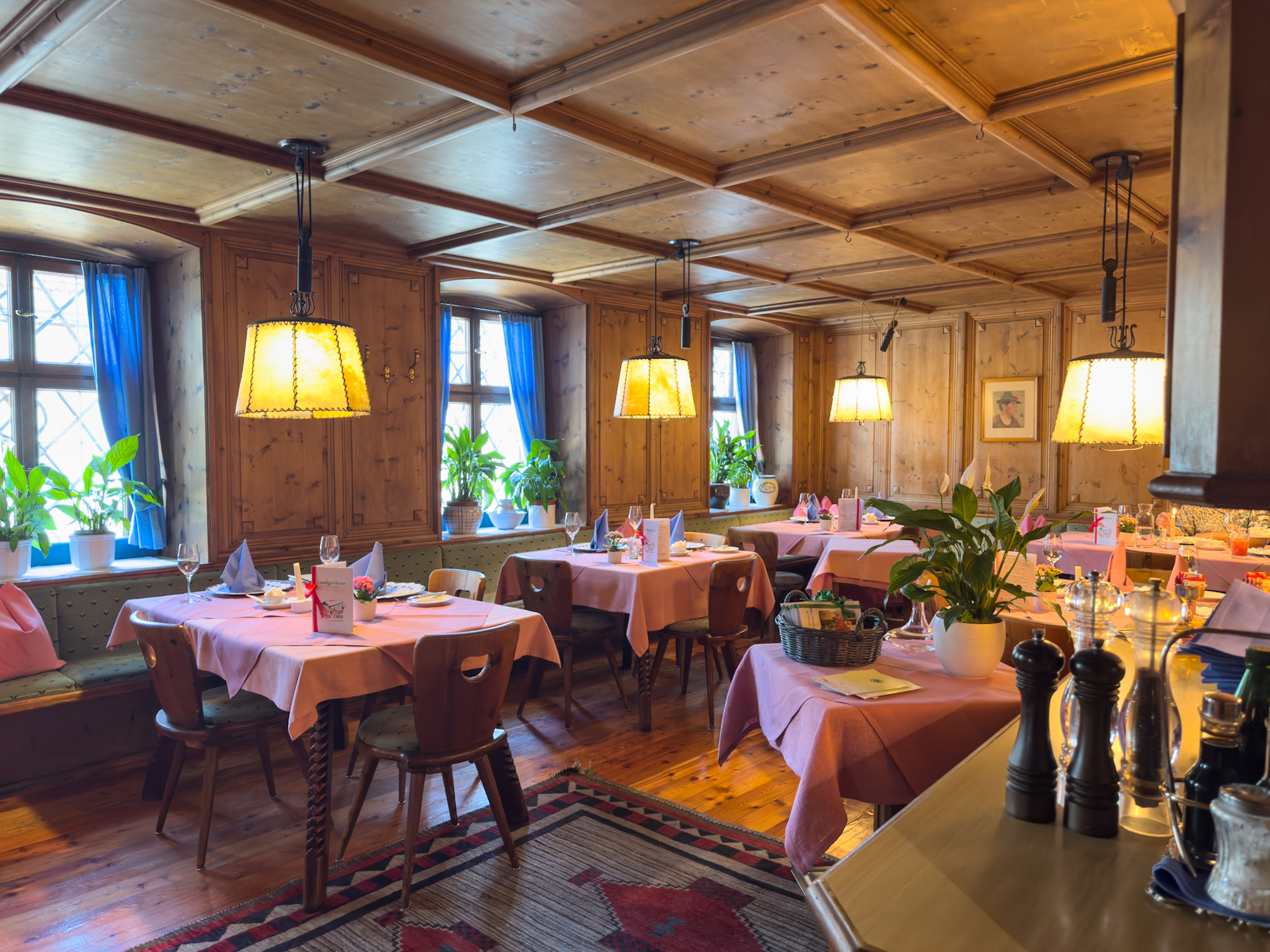
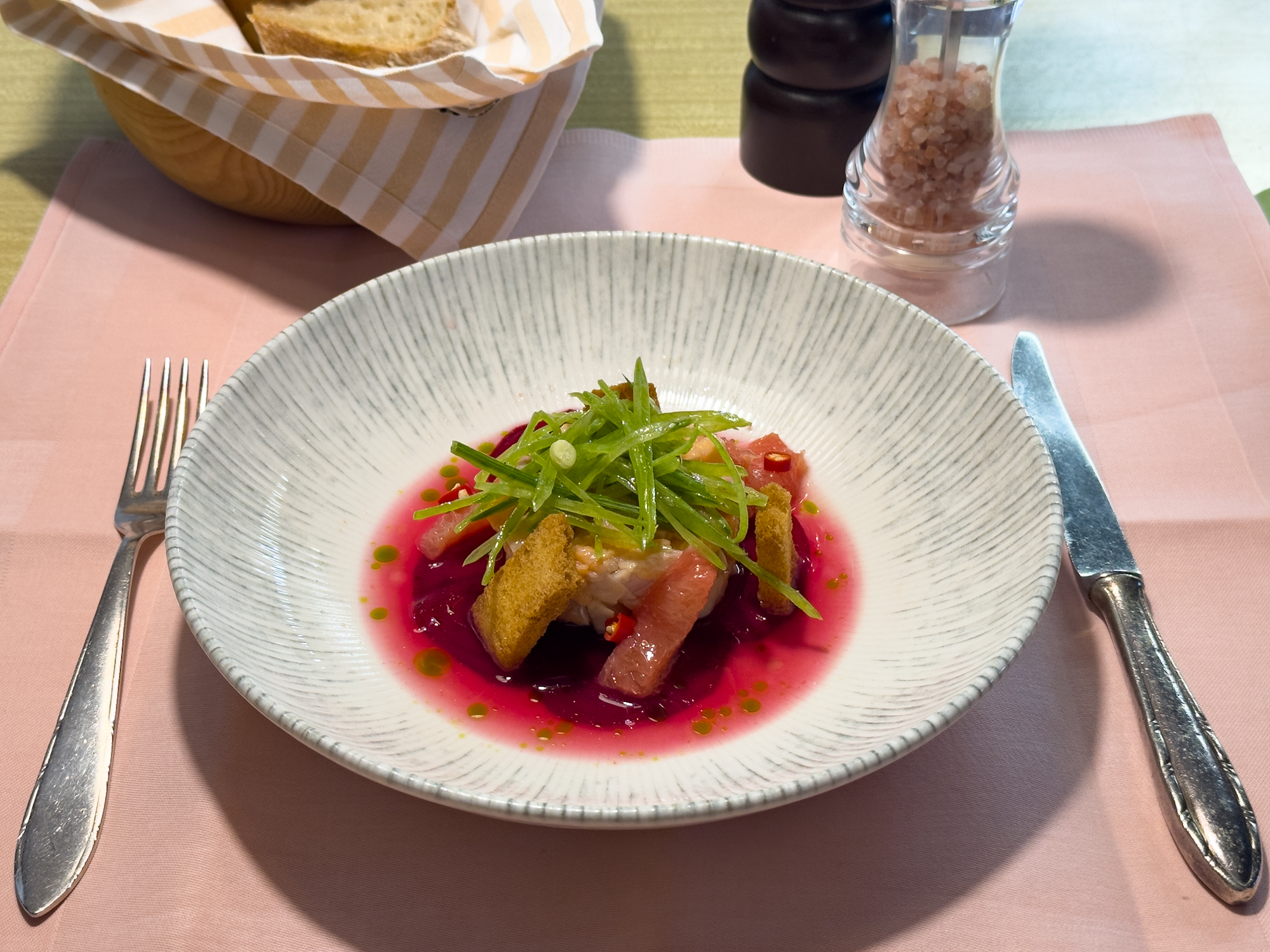
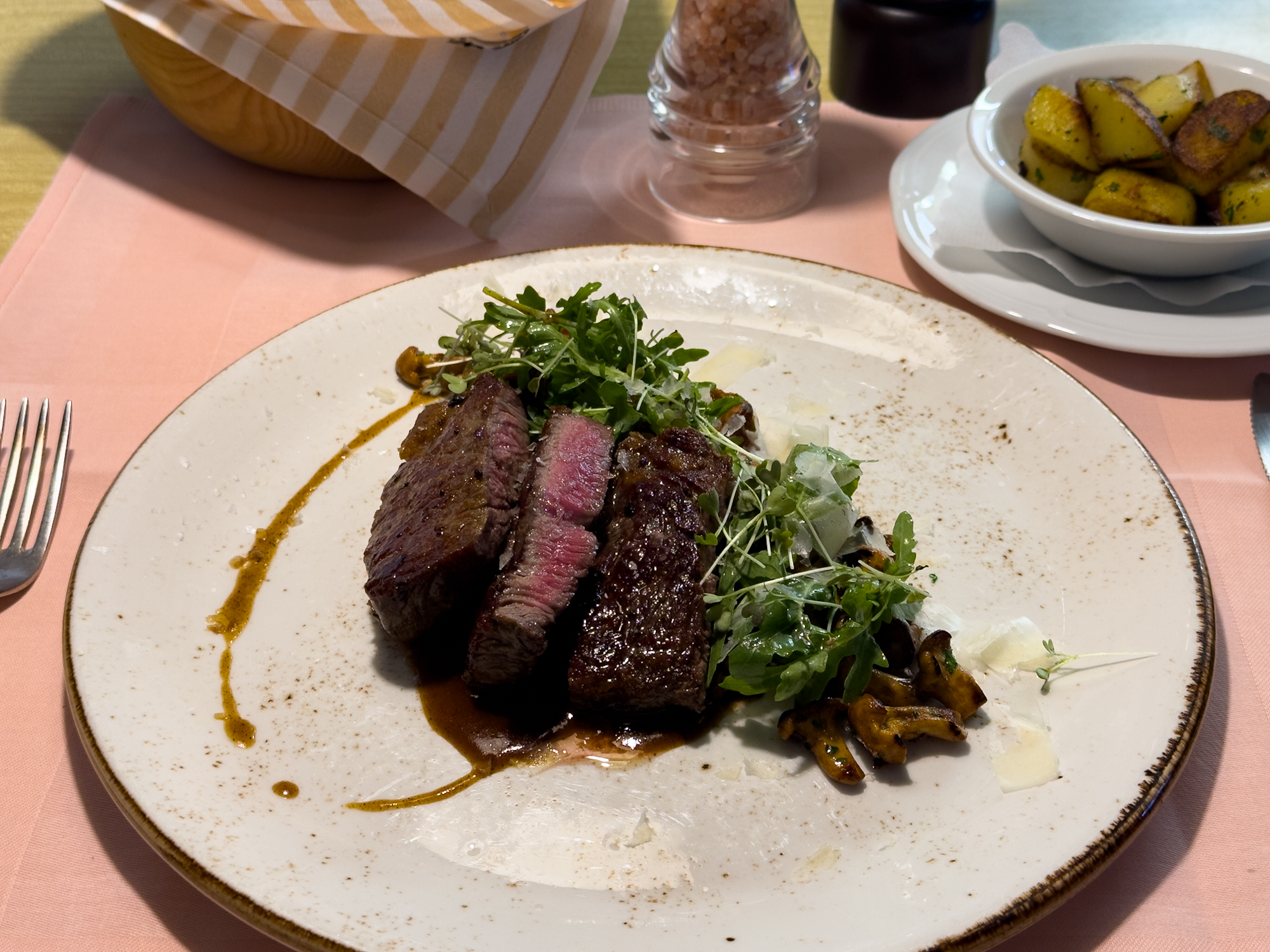
Because he loves to show me what he can do, I get small portions of my favorites and he is also happy to conjure up special requests. You can already taste how good he - and Armin - are in the kitchen with the char service, then the Black Angus with mushrooms and the crispy Kasspatzln are a secret anyway. Head waiter and cellar master Peter lets a sip of Primitivo come out of his wrist (not really my kind of wine, but this one...) - the whole menu is shot with full cannons. It's a "Weiberwirtschaft" (women's restaurant), says wild man Michael, revealing the recipe for success with a wink from the kitchen - Grandma Schatz, mother Regina and daughter Lisa run the business. The turned furniture, the service and the pretty old parlors are similarly down-to-earth and natural - as a "Stadtler", I actually understand quite well why people like to "verhockt" (sit here for a while).

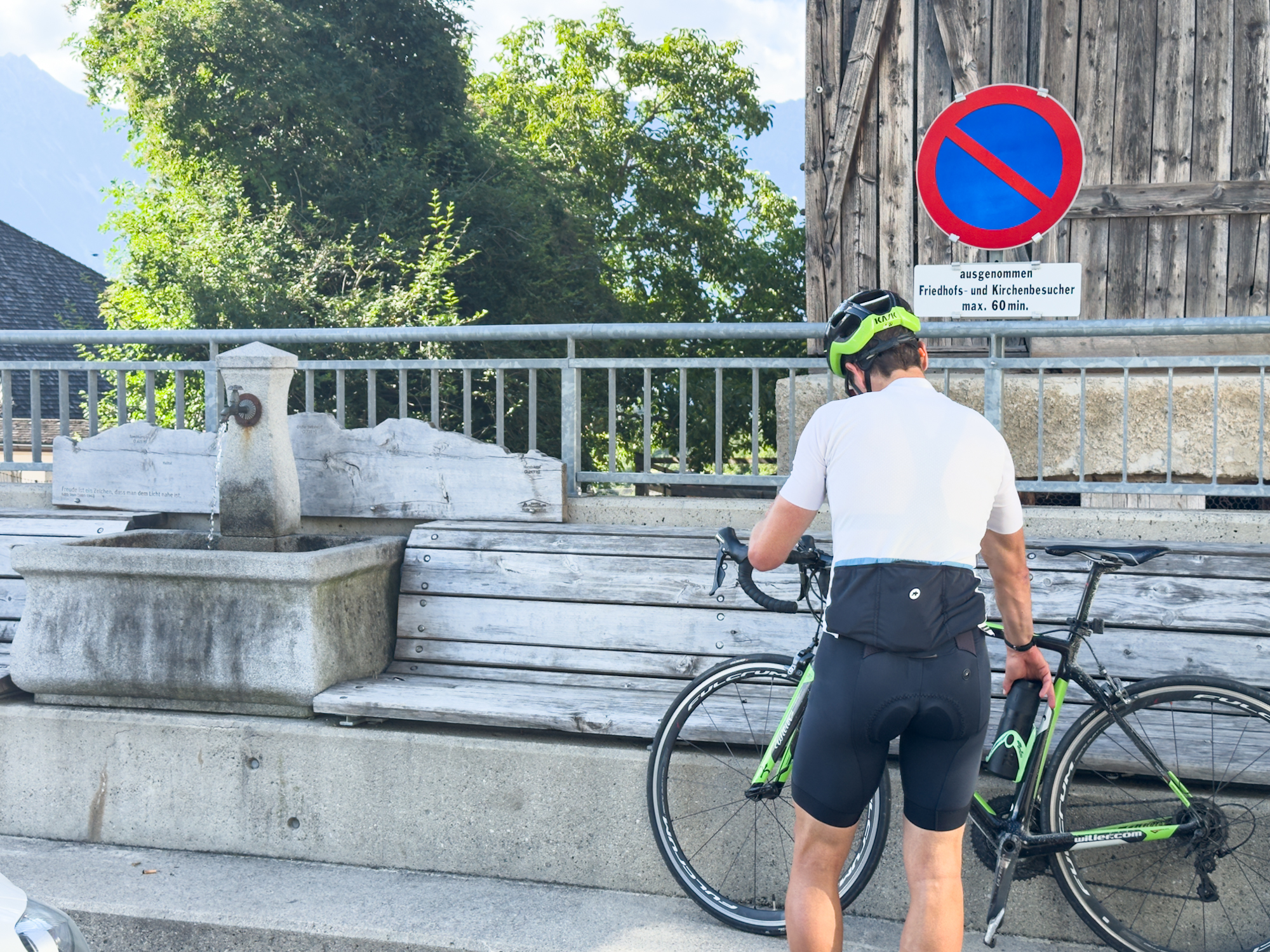
But before the thunderstorm, I prefer to take a dreamy walk through the village - fountain, cemetery, farm, meadow, forest, then the lake. The bus catches up with me just in time, I follow the drip marks on the window from inside and am almost home again anyway.

Pictures: Christian Weittenhiller

Similar articles