Six years ago, a website went online that is now one of the absolute stars of digital cultural media in Austria, if not in Europe: Innsbruck-erinnert. As a 'child of the pandemic', this picture blog of the Innsbruck City Archive took off six years ago and its success was completely unexpected. And this despite the fact that the very word 'archive' only brings a tired smile to the faces of many contemporaries.
The term seems to be 'dusty'. It is probably still equated with file cemeteries in which diligent civil servants supposedly meticulously collect, catalog and store documents, manuscripts or whatever else from the past. This external view has changed fundamentally in Innsbruck over the last six years. To put it briefly, the adjective 'digital' was added to the word 'archive' and a development was initiated that I would describe as unique.
Walks for sofa surfers
"Our website was actually created out of necessity," Niko Hofinger, digitization expert at the City of Innsbruck, tells me. "We had planned a website for the city archive, which we wanted to use for the topic '75 years of the end of the Second World War'. Suddenly, in March 2020, we were faced with the problem that all events, exhibitions and guided tours were abruptly canceled due to the pandemic."
Good advice was not really expensive, says Dr. Lukas Morscher, dedicated head of the city archive, because "the team wanted to use the digital possibilities of a website in any case." The short formula: "'Sofa surfers' and 'couch potatoes' should be encouraged to join us on photographic walks through Innsbruck, even in times of the pandemic." Innsbruck-erinnert was expanded and, in addition to the subpage 'End of the war 1945', was given eight further 'subpages': 'City life', 'Picture album', 'Work and everyday life', 'Houses', 'People', 'Traffic', 'Puzzles' and 'City map'.

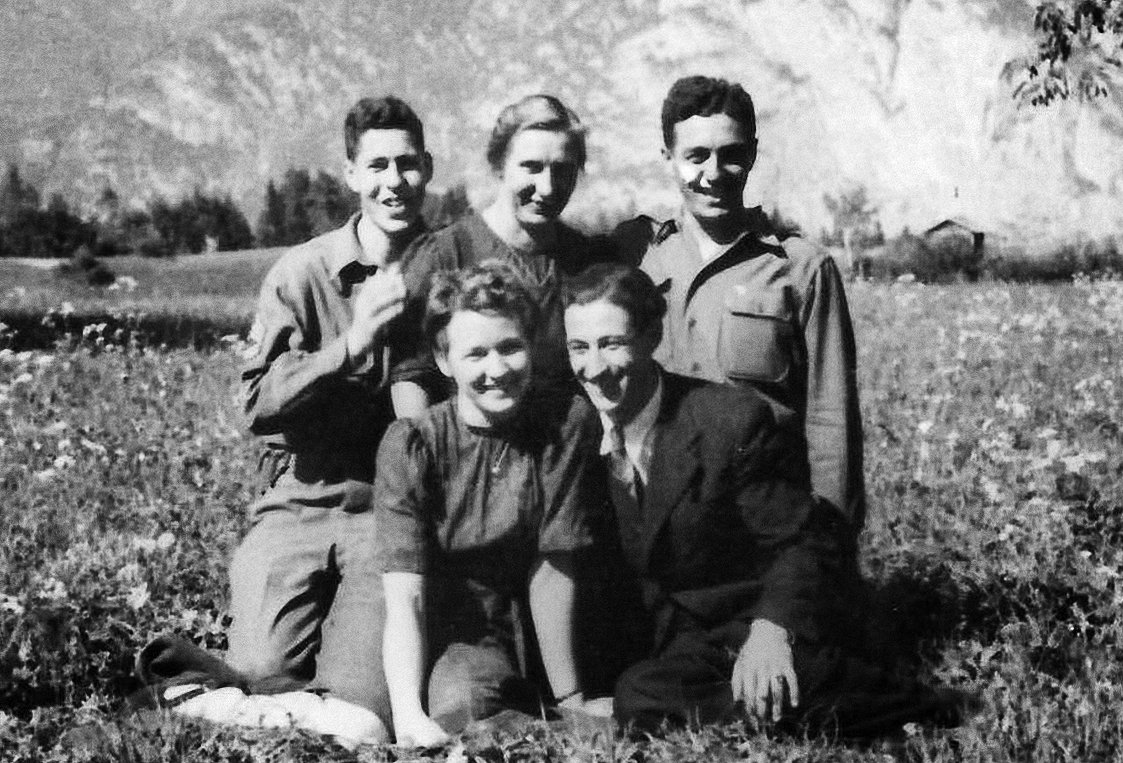
Perhaps the most courageous action at the end of the war naturally also attracts a lot of attention in the city archive. Operation Greenup prevented the brutal destruction of Innsbruck by the Nazi criminals shortly before the end of the war. Hans Wijnberg, Maria Hörnagl, Fred Mayer, Anni Niederkircher at the front and Franz Weber averted it at the risk of their lives. My blog about it: https://www.innsbruck.info/blog/de/menschen-geschichten/operation-greenup-die-errettung-innsbrucks/
The recipe for success: photos and stories
"We all love photos," says Niko Hofinger. "How often have we talked internally about making them accessible to a larger group of people? The pandemic presented us with a unique opportunity to do so." However, it was not intended to be a digital photo album in the style of the familiar, unlabeled family photo albums. They also wanted to strictly avoid similarities with so-called 'social media'. "From the very beginning, our intention was to tell positive Innsbruck stories that are conveyed through photos." But that was not all. "We also wanted to seize the opportunity to tap into the knowledge of our users."
The result: large-format photos are accompanied by short, concise, easy-to-read and highly entertaining texts and served in bite-sized chunks. The comments section is then open to everyone. Here there is room for the active participation of users, who often contribute additional knowledge about the photo motif. Or - as is so often the case - post amusing comments on the photo story. What is completely missing is the rude, often insulting tone that we know from 'social media'.
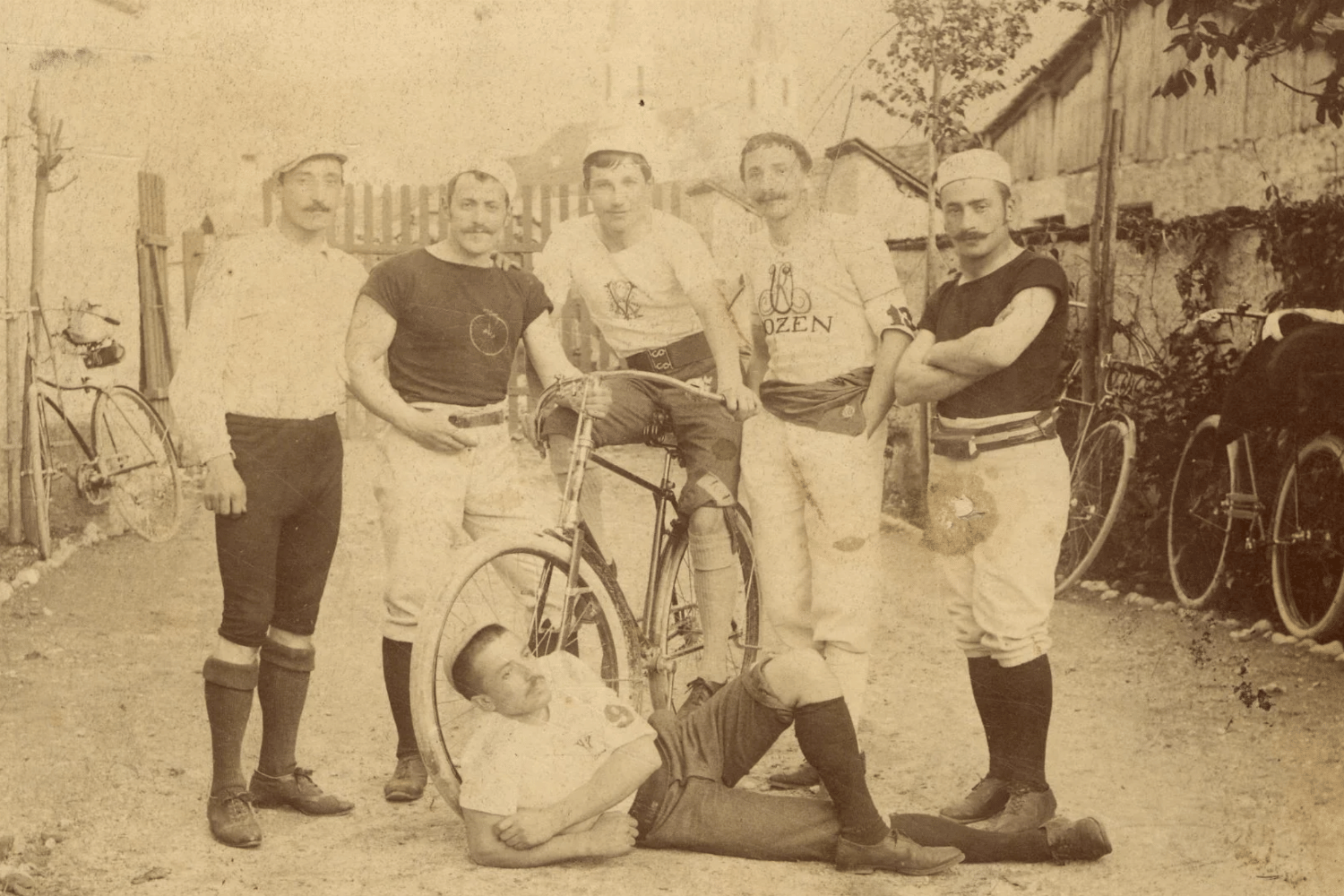
The 'heroes of the unpaved country roads' took part in the 1st Tyrolean Road Championship in 1895, which led from Bruneck to Toblach and back over 50 km. https://innsbruck-erinnert.at/ein-radpionier-nachtrag/ Image: Stadtarchiv Innsbruck
A puzzle corner with addictive potential
Success is based on a few pragmatic principles. It starts with the format of the postings. A large photo is presented with a usually excellently written short story. These are short blog texts that explain the picture on the one hand and usually ask readers to add their knowledge about the picture in the comments. Four such new picture blogs are published every day, all of whose authors are employees of the city archive.
Anyone who relaxes while looking at the photos and reading the texts should put their watch away. Because rarely is there a greater temptation to go from the hundredth to the thousandth than on Innsbruck-erinnert. The website is practically a bottomless pit.
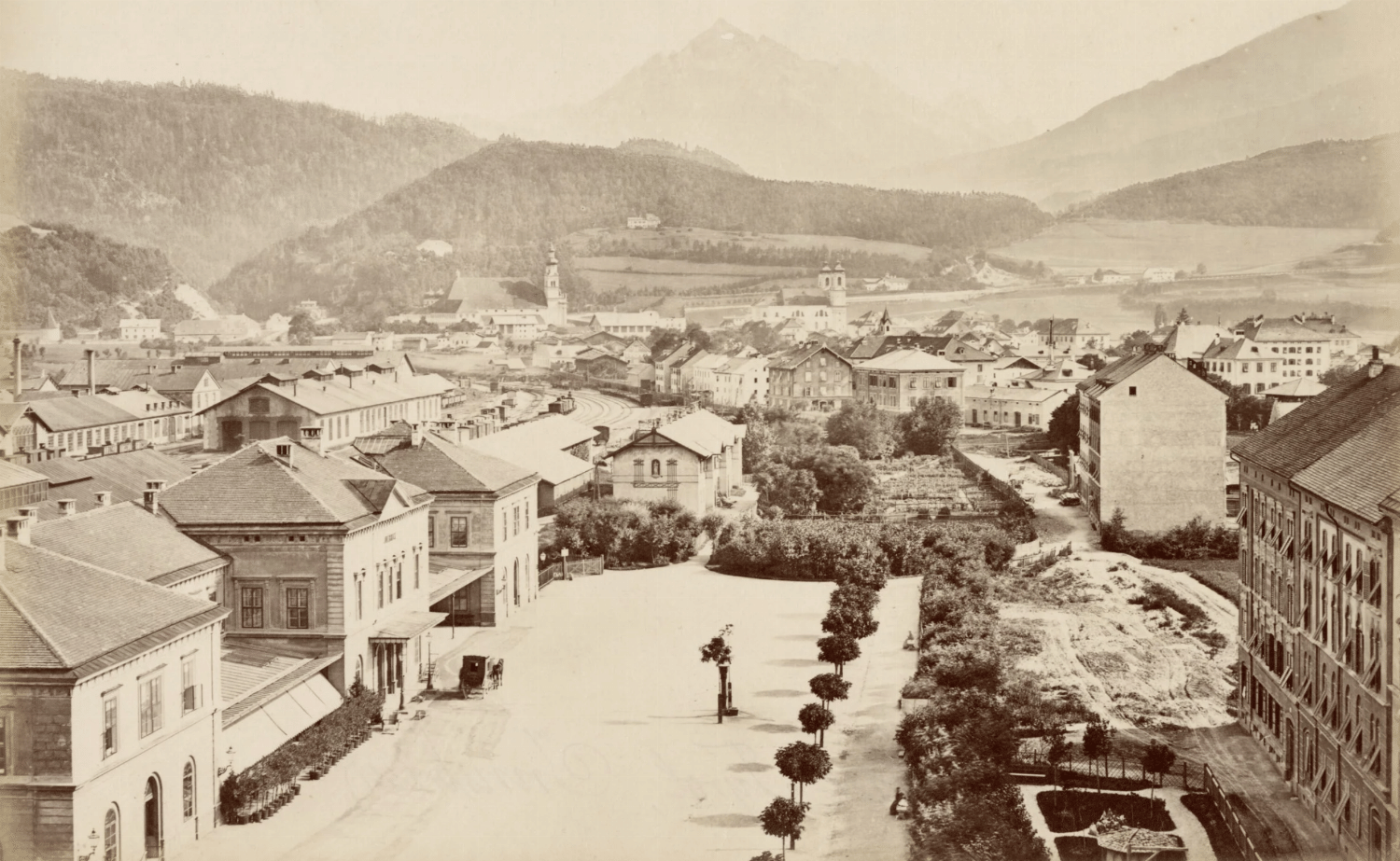
Innsbruck main station at the end of the 19th century. Südtiroler Platz is being planted and 'furnished', in the background vegetables are still being grown in gardens. https://innsbruck-erinnert.at/adieu-legenden-schaetze-5/ Image: Stadtarchiv Innsbruck
Success in figures
One of the benchmarks for measuring success on the Internet is the number of hits on a website. Many 'visitors' and masses of 'comments' are the real fuel of this digital success model. The figures for the first quarter of this year illustrate the incredible popularity of Innsbruck-erinnert. They make even hardened web specialists' mouths water:
- In the first three months of 2026 alone, 139,533 different visitors viewed a total of 1,620,755 pages on the website.
- In total, there were 5,374,377 hits during this time.
- In March of this year alone, around 3,000 people visited the website every day.
Figures that Niko Hofinger puts into perspective. "When you consider how hard you would have to work to attract 2,000 people to an exhibition and see how our website achieves this figure almost effortlessly and on a daily basis, you realize the immense possibilities."
Riddles from the past
With the subpage 'Riddles' , Innsbruck-erinnert also has a real 'secret weapon' that turns many users into 'regular customers' of the website. I am even convinced that this digital 'puzzle corner' has an addictive potential that should not be underestimated. Photos are presented here whose locations and objects are either unknown or are linked to a puzzle question by the photo blogger. The comment columns fill up within minutes of publication. And - very importantly - in contrast to many social media platforms, the comments are invariably appreciative and sometimes even funny.
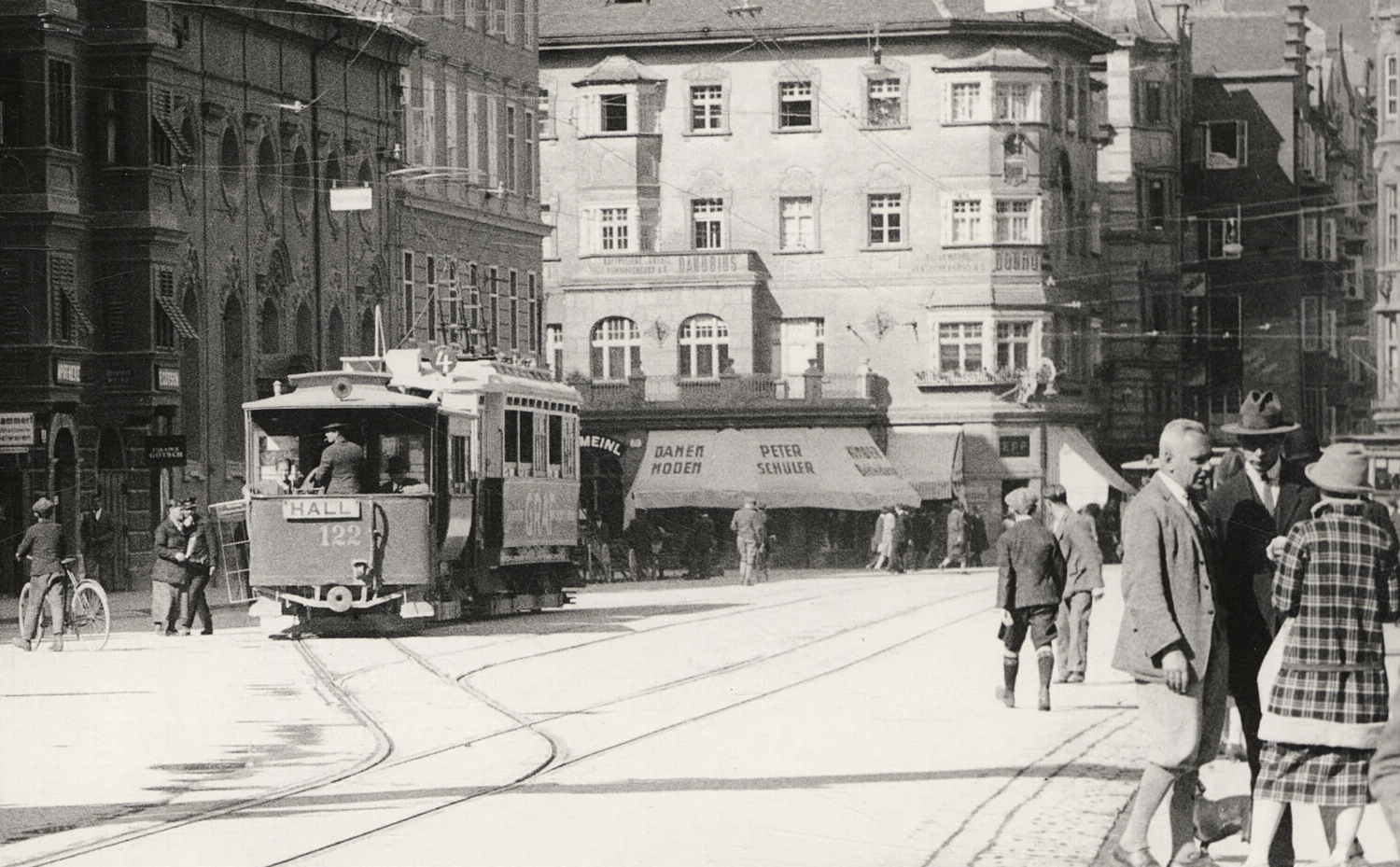
The Hallerbahn on Maria-Theresien-Straße around 1930. Note the man in the foreground wearing the knickerbockers that were fashionable at the time. https://innsbruck-erinnert.at/ein-fast-schon-intimes-foto/ Image: Stadtarchiv Innsbruck
Niko Hofinger talks about a 'regular customer' of the website who has a "phenomenal memory and probably knows every house in the city". A resource that the city archive is happy to tap into when photos of houses that no longer exist need to be 'named'. "I've been walking through the city differently since our picture blog came into existence," he admits. "Whether it's the history of the development of a street or the history of a house, the knowledge changes my perspective." And so the picture blog not only promotes users' knowledge of the city of Innsbruck, but also the ongoing training of the employees of the city archive.
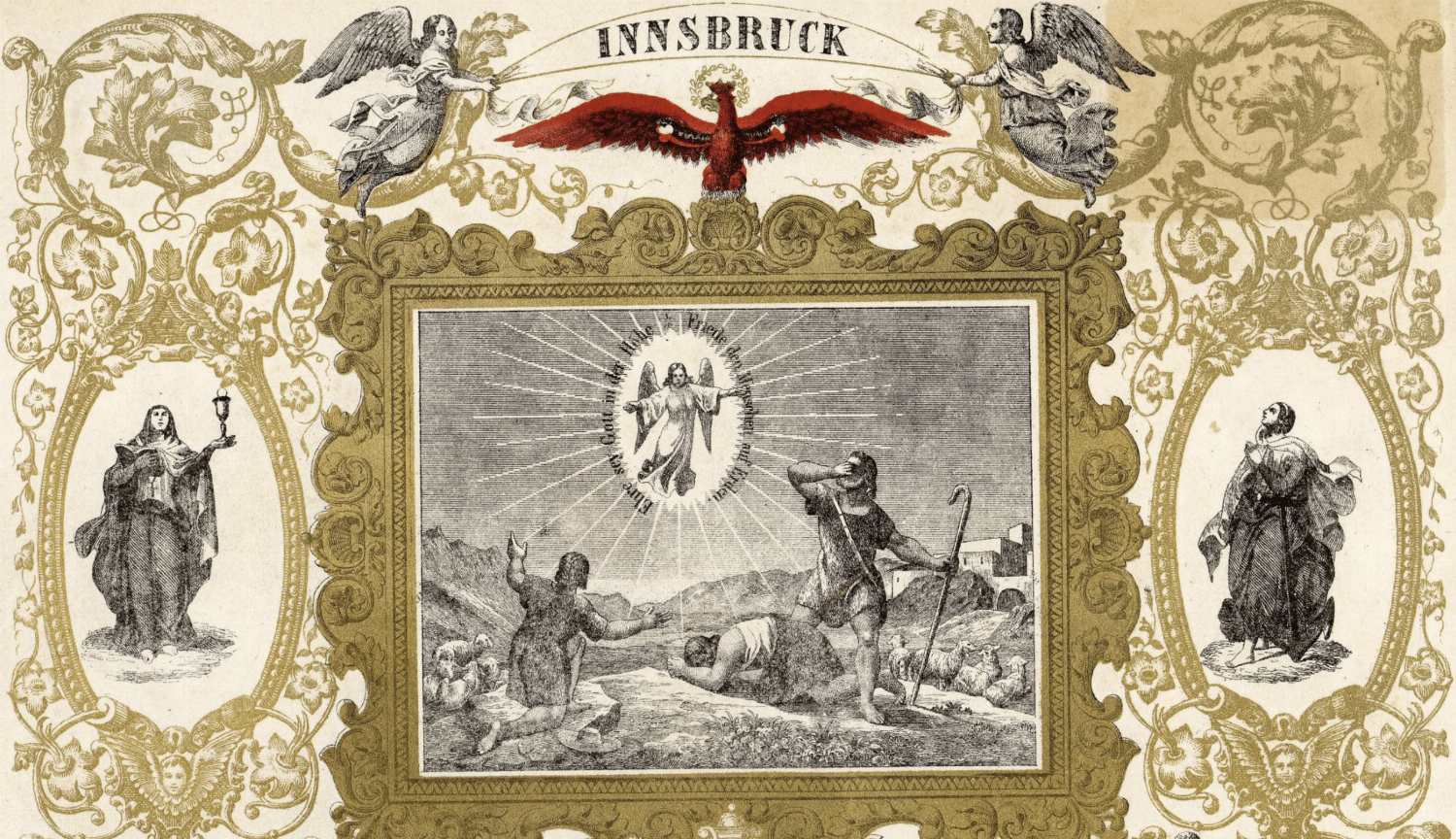
A New Year's card from 1849 was the focus of a riddle some time ago: which saints are on the left and right of the picture frame? Here are the answers: https://innsbruck-erinnert.at/ein-alt-neu-jahrs-raetsel/
Closing ranks between the population and the city archive
What the website has achieved in an inimitable way: over the six years, it has become an organic link between the town's population and the town archive. No one is suspected of 'just' collecting and cataloging in the 'ivory archive tower' anymore. On the contrary: the appreciation of the archive team's work is constantly increased by the daily invitation to actively participate. Thousands of tips have been received over the last six years and, above all, many photographic objects - including those unknown to the archive - have been named. In my opinion, this is a milestone in historical urban research. In addition, there is a huge difference to the 'social media': Innsbruck-erinnert never 'begs' for 'likes' but invites the readership to participate.
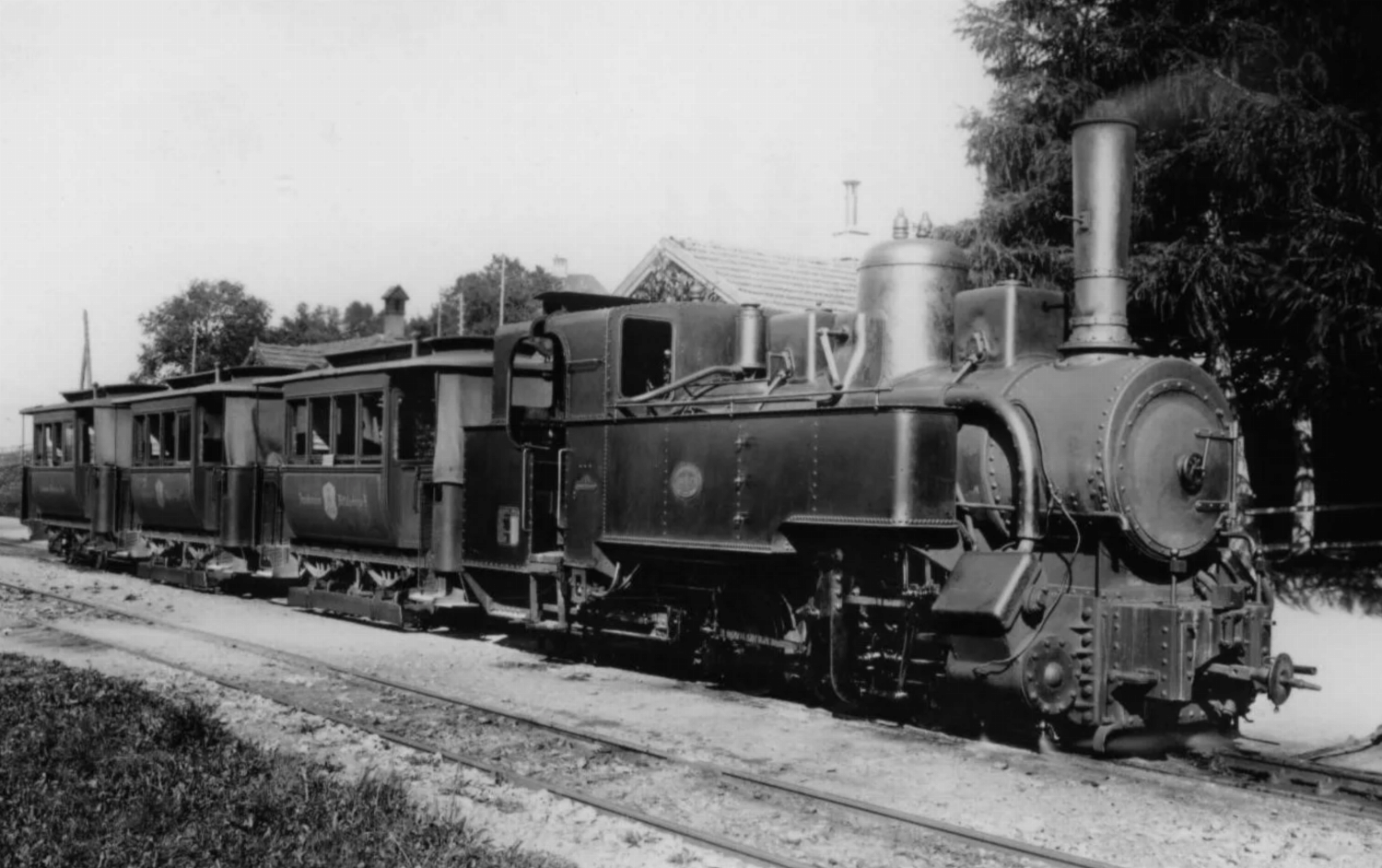
In the crisis period after the First World War, peat was extracted from the Viller Moor for heating purposes. The Igler Bahn played a role in this. https://innsbruck-erinnert.at/als-die-stadt-das-viller-moor-verheizte-und-was-die-waldbahn-damit-zu-tun-hat-teil1-3/ Image: Stadtarchiv Innsbruck
Urban research using the search function
A rather inconspicuous function of the website should not be underestimated: the search function. It allows you to literally 'comb' innsbruck-erinnert.at in search of images and topics. On the one hand, this is one reason why students also appreciate this research option. On the other hand, 'normal' users run the risk of spending hours on the website.
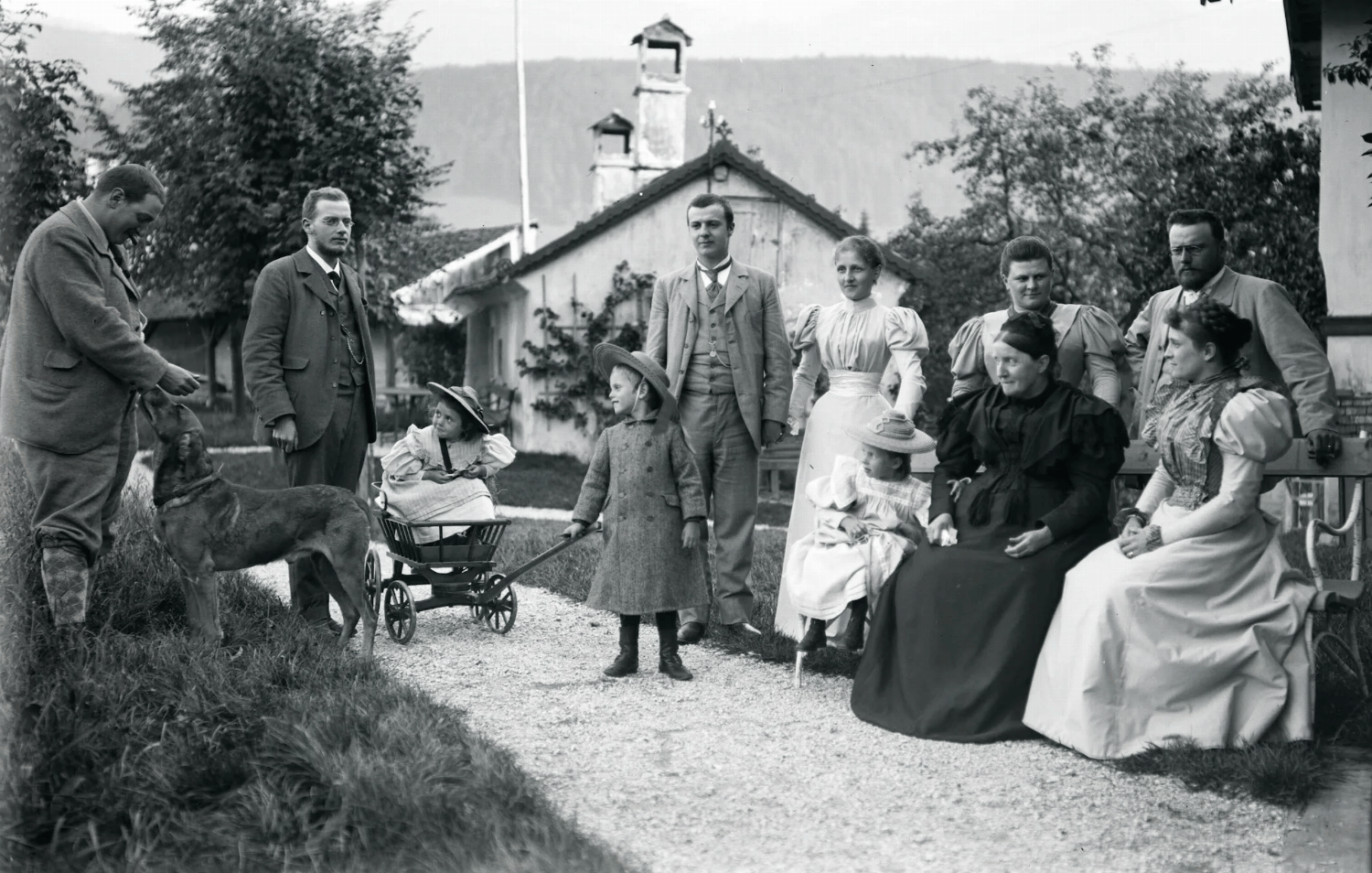
Another important function of the city archives was really activated by the persistent work via the Internet, namely the collection of photos and documents. Trust in Innsbruck's city archive has evidently increased in proportion to the success of the website. This is reflected in the fact that more and more private photo collections are finding their way into the archive. In other words: the photographic 'memory gaps' in the city's history are increasingly being filled. The sentence I used as the title comes from one of these 'photo donations'. A lady had handed over her photos, the back of each of which was marked with the sentence: "In friendly memory". Exactly what the authors of the website masterfully offer on a daily basis.
A 'friendly reminder' of the Winkler family. Note the wasp waist of the woman in the center of the picture, who probably wanted to emulate Empress Sissi, whose waist measurement was 48 cm. More about the picture here: https://innsbruck-erinnert.at/atemberaubende-schoenheit/ Picture: Stadtarchiv Innsbruck
Show me the location on the map
A volunteer at the "Schule der Alm" alpine farming school, cultural pilgrim, Tyrol aficionado and Innsbruck fan.
Similar articles
In this article, I’ll show you just how beautiful Innsbruck is in the early morning hours.
In mid-May, the time had come: they gathered (once again) for the 28th Alpine Region…
The gateway to Innsbruck's city center is open again: Anyone walking from the main train station towards…
This is the romantic story of a little girl who grows up at 1,905 meters above…