18 May 2026
#
Post originally written in: Deutsch Information An automatic machine translation. Super fast and almost perfect.

Since 2013 presents Innsbruck International Biennial of the Arts has been presenting concise artistic positions on current topics every two years. Each time, Innsbruck International is an event, a journey of discovery that I look forward to.

This year I was only able to make it to selected events, but the great thing about this biennial is that you don't have to have taken part in everything to absorb the spirit.

Innsbruck International

The seventh edition of Innsbruck International was held under the motto "Rendez-Vous". By which founder Tereza Kotyk and her team around the curators Franziska Heubacher and Chris Clarke the encounter between art or artists and visitors themselves: coming together as a source of inspiration, the gathering as a field of debate. Or, in the words of the festival organizers: "The Biennale invites us to rethink individual scope for action, responsibility and forms of coexistence."

The subtitle, taken from a book about octopuses, was also remarkable: "Tasting pain, seeing dreams" referred to the extraordinary survival strategies of these sea creatures and pointed out that we humans must develop new strategies in order not to perish in the face of the great challenges of our time.

Challenges

In addition to the biggest, climate change and its disruptions, there are the numerous wars, the increase in autocratic to dictatorial governments, the increasingly obvious power of a few tech companies over the development of entire societies. In addition, the earth's resources are dwindling and territorial claims are increasing. The list could go on. "Are we standing on the precipice and letting others play with the future - or are we recognizing the opportunities that are opening up right now?" - Innsbruck International posed this question this year.

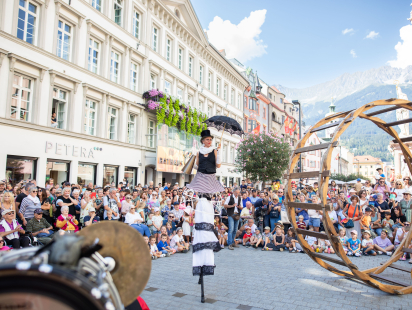
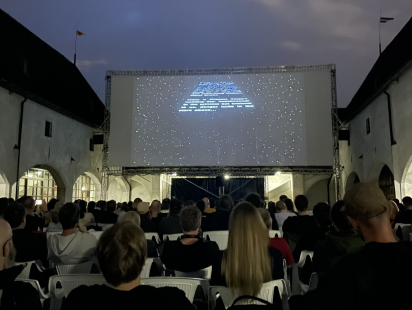
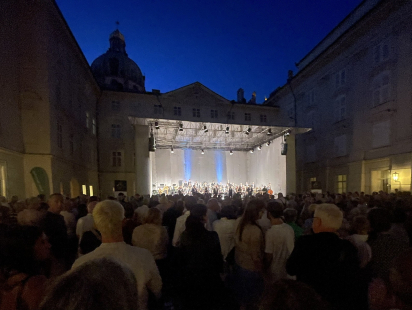
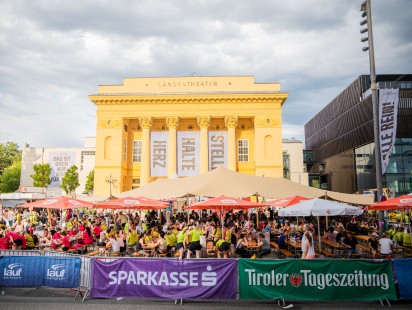
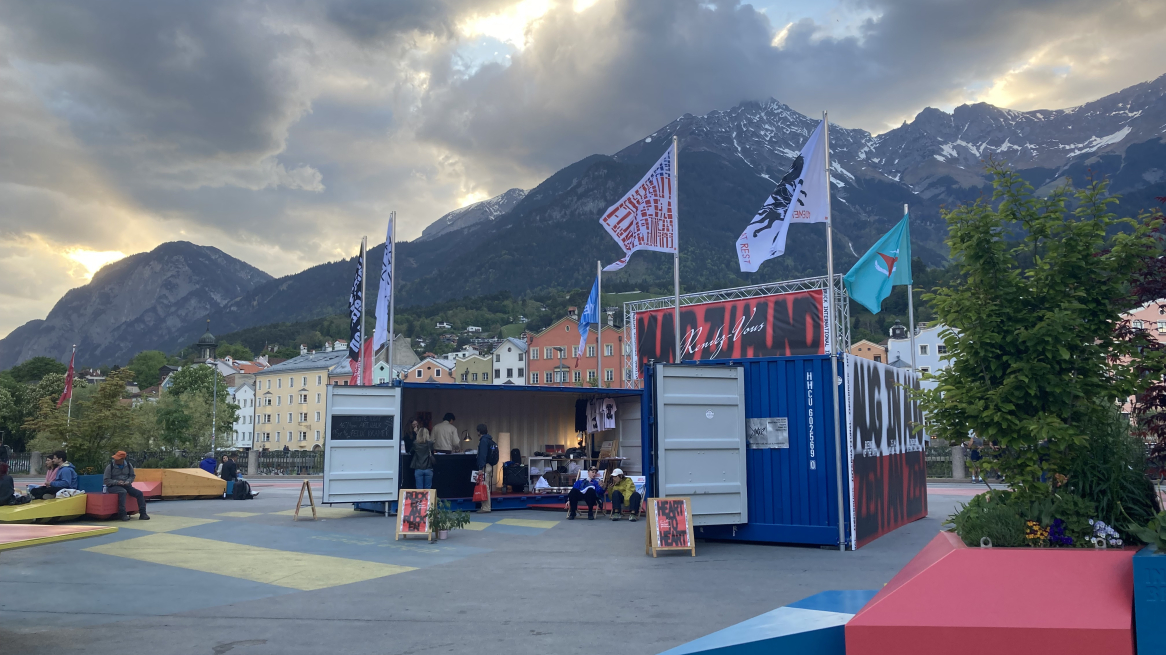
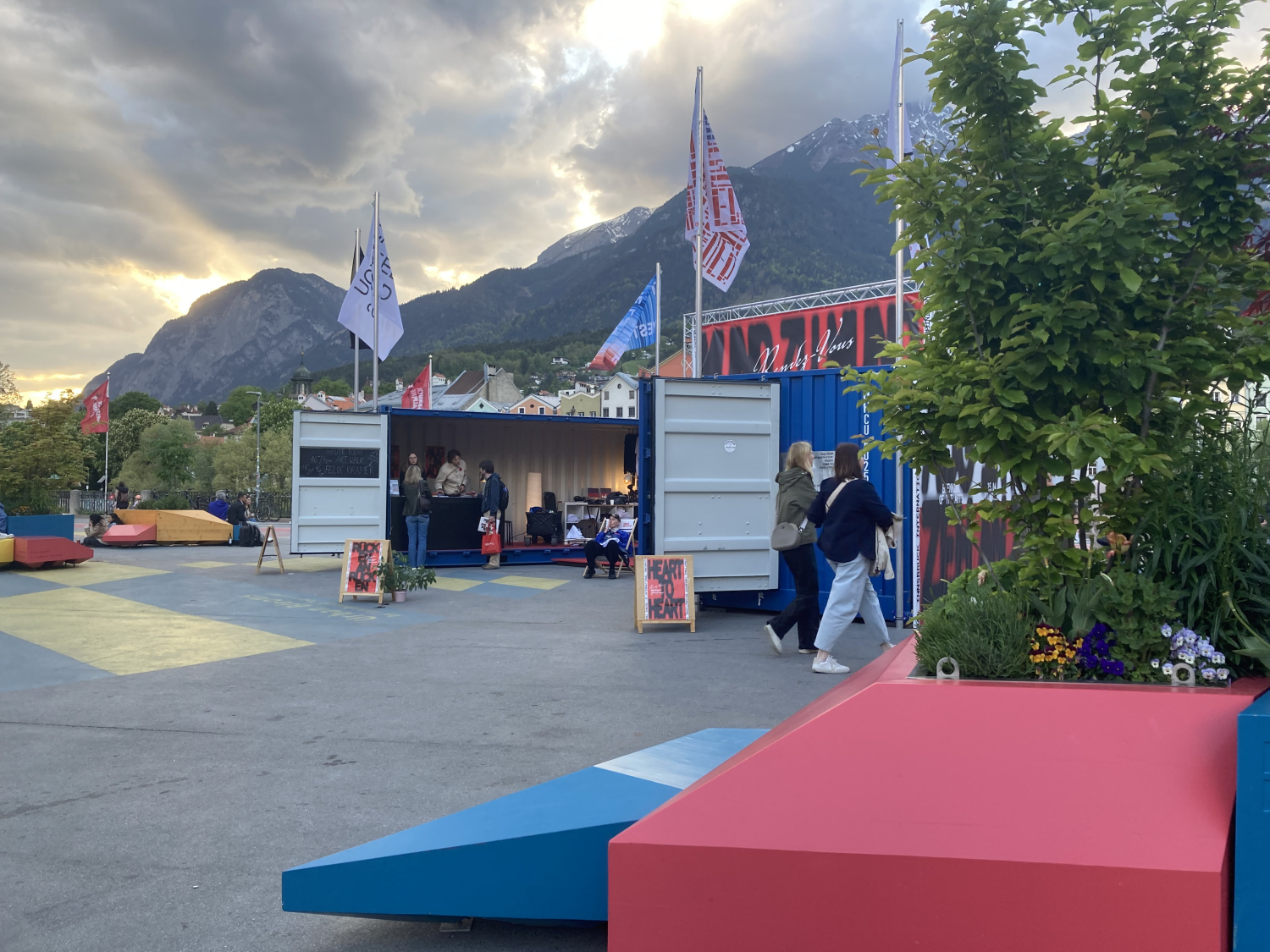
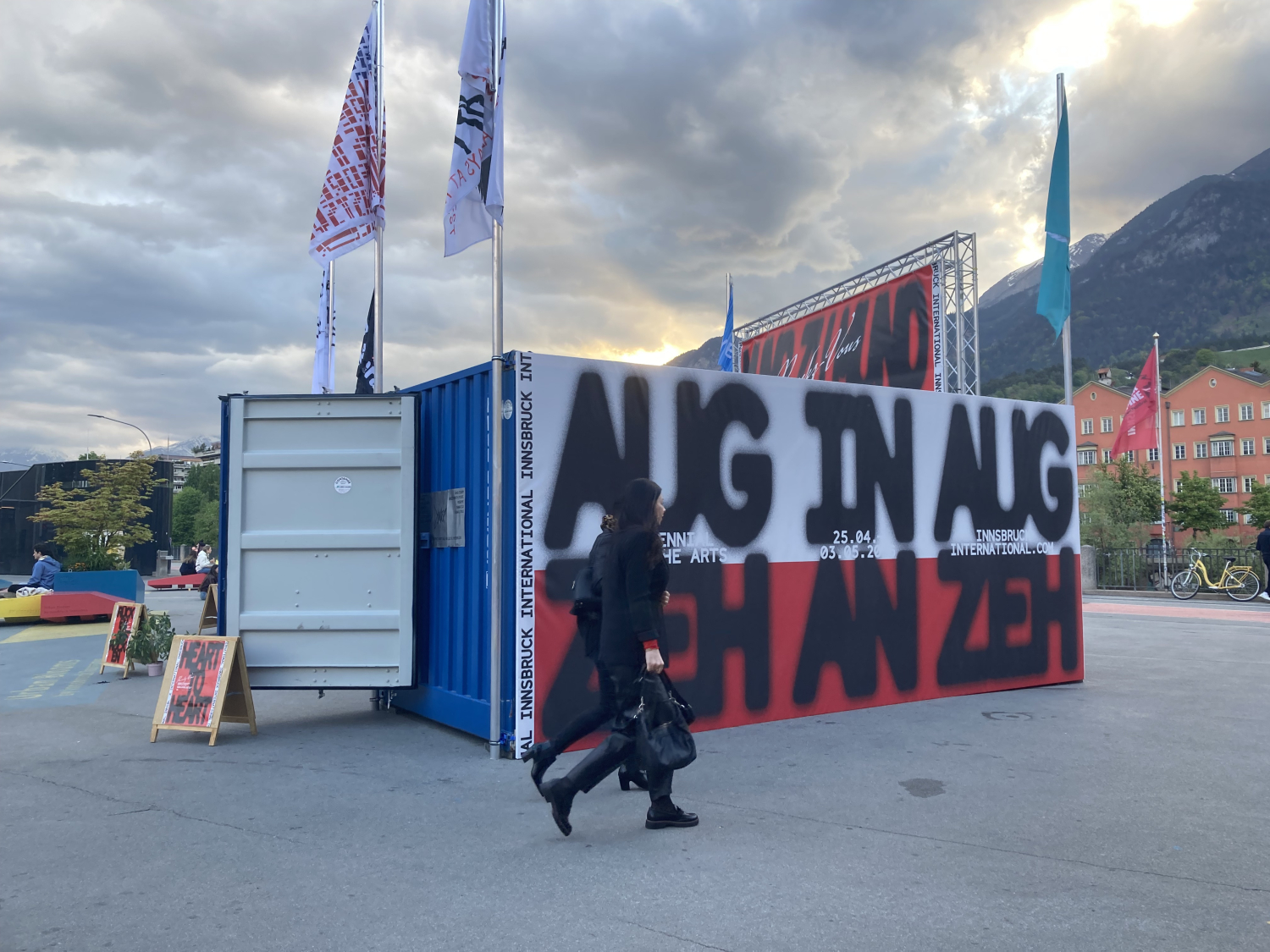
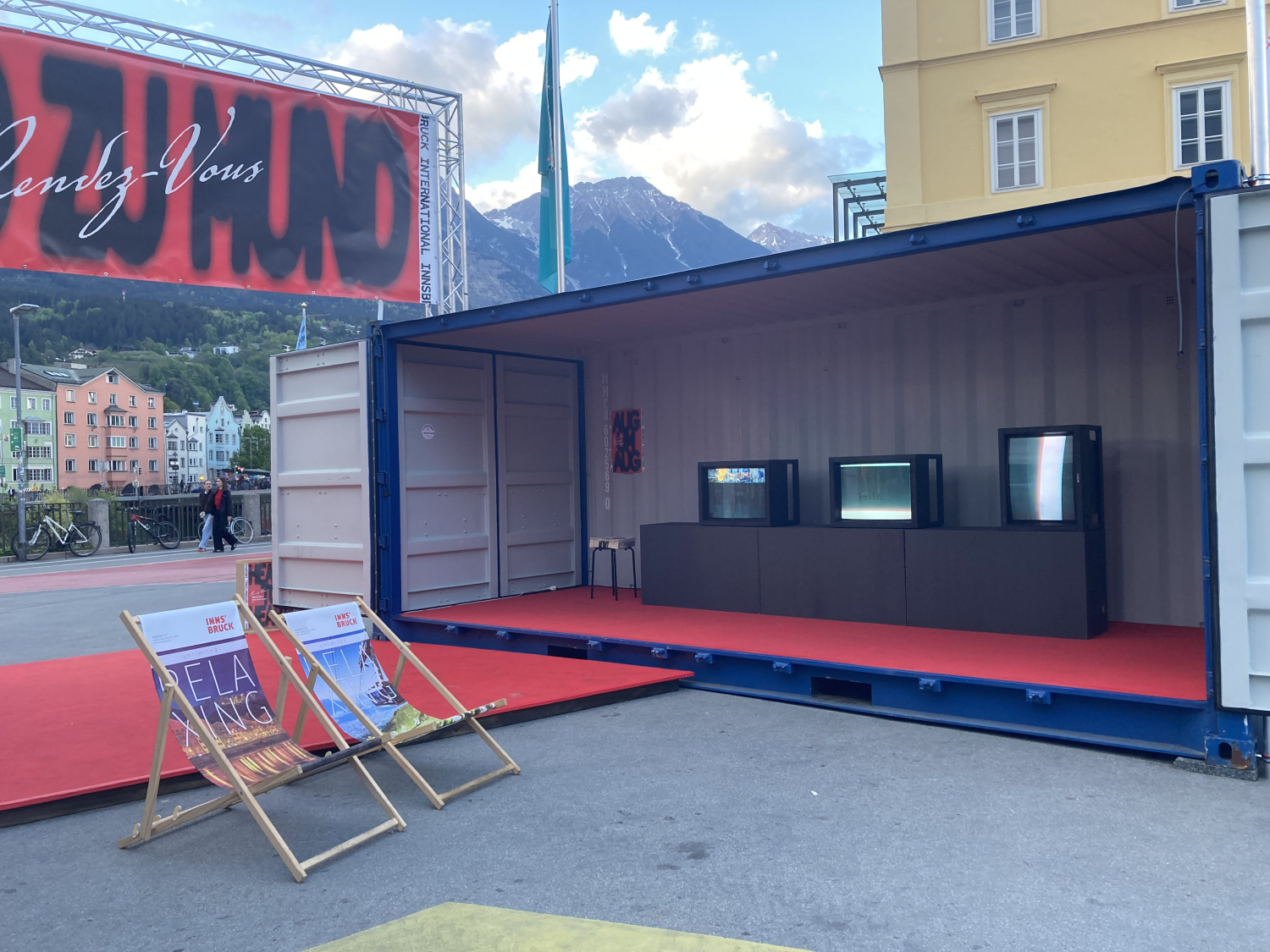
Thecontrol center of the festival, which took place from April 25 to May 3, was the market square. Two bright blue containers with waving flags, deckchairs and a red carpet invited visitors to a rendezvous. One that led from here to various locations in Innsbruck's city center, such as the music pavilion of the Hofgarten, the Neue Galerie der Künstler*innen Vereinigung Tirol in the Hofburg, or the Leokino.

Raising Flags

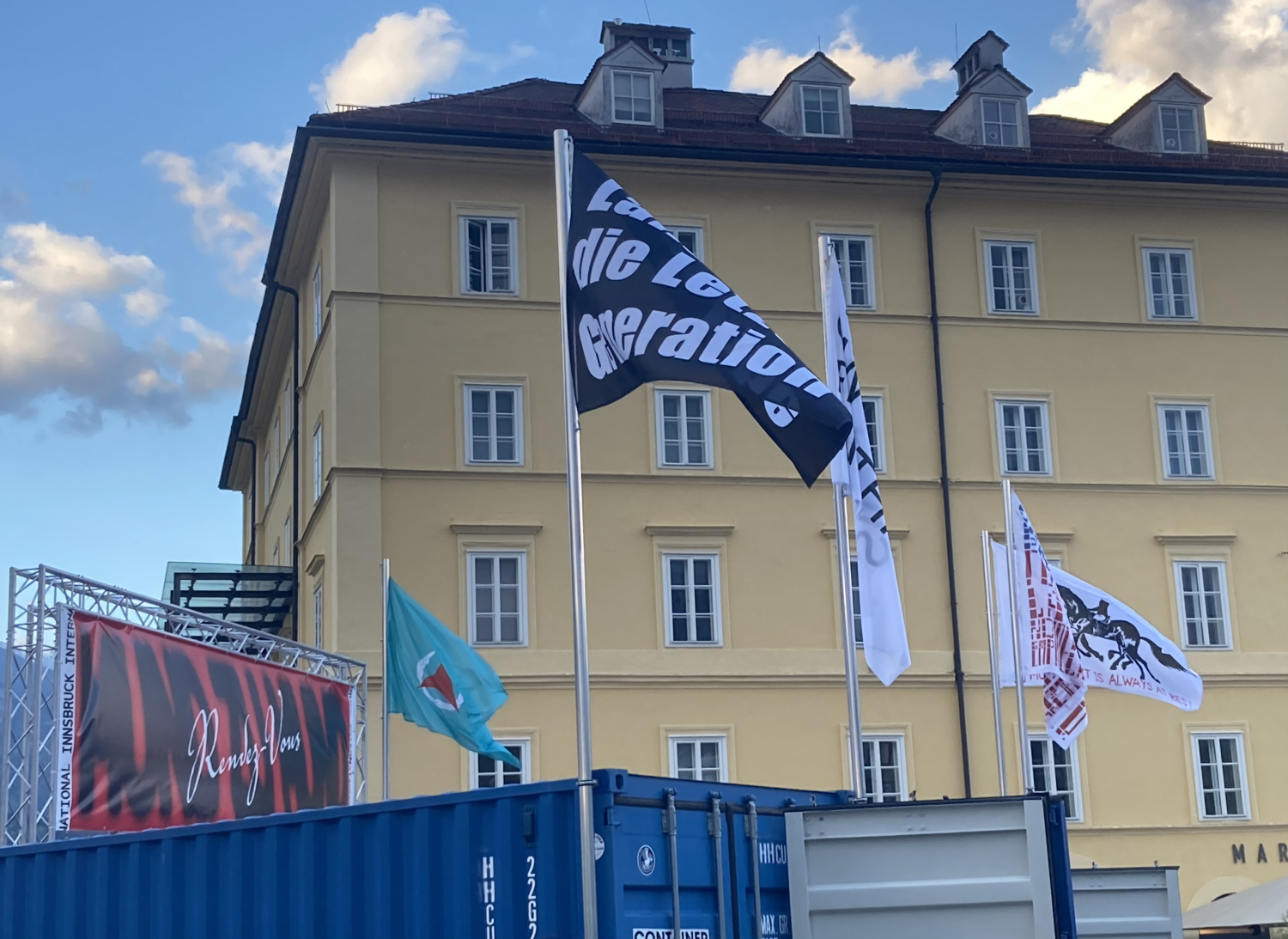
The six flags flying from the festival container were a particular eye-catcher. The "Raising flags" is a long-term project by the curators Kaspar Mühlemann Hartl and Alois Herrmann. Not assigned to any nation, they fly across borders, so to speak, and encourage people to engage with other content, such as "Movement is always at Rest" by Sun Xun or Agnieszka Kurant's "Flag of stateless Nations" or "The Future was Yesterday" by Minerva Cueva.

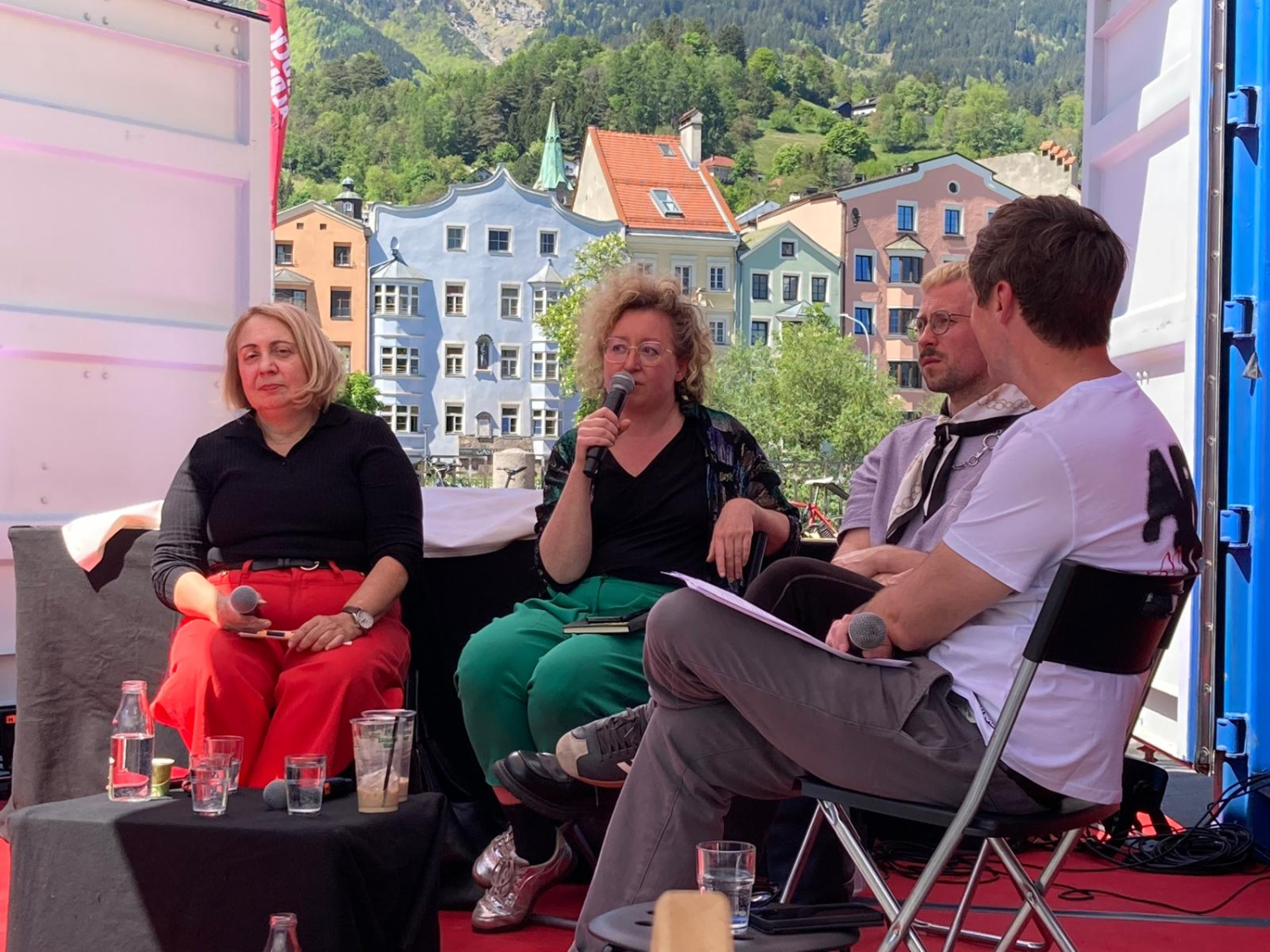
The question of what role the biennial format plays in social discourse and what art can achieve was also extremely exciting. This was posed in the panel discussion "Where do we go from here?". On the panel were Ekaterina Degot, Director and Chief Curator of the steirischer herbst in Graz, as well as Katalin Erdödi and Aleksei Borisionok, curators of the Matter of Art 2024 Biennale in Prague. In glorious sunshine - and corresponding heat in the square - they discussed the origins and development of these festivals and their influence on politics and society.

200 seconds

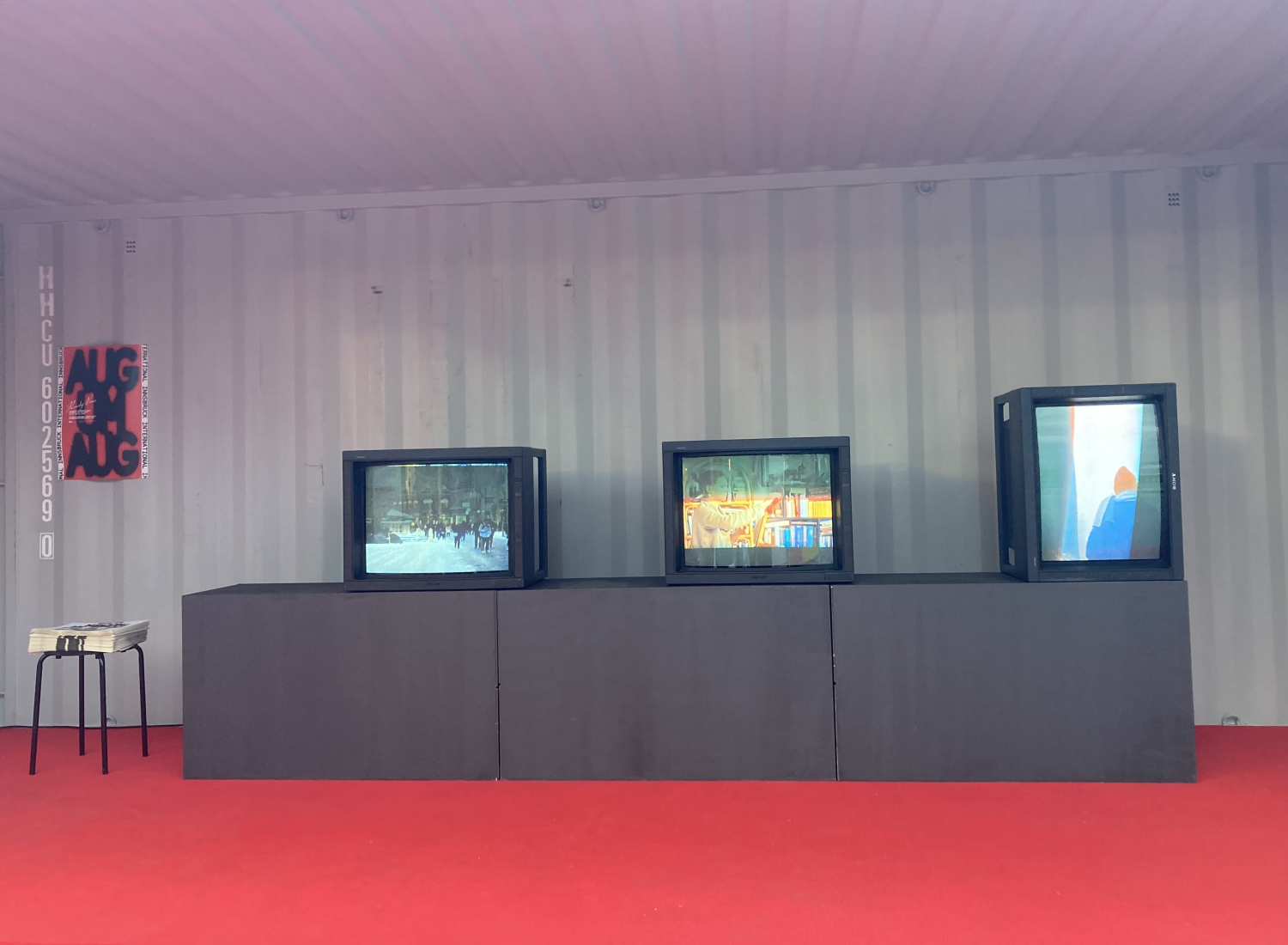
Before I went on to the exhibition in the new gallery, I took a look at the Cinématons. Since 2013, Tyrolean artists have been portrayed in the form of one-shot films in Super 8 format: a single take of exactly 200 seconds. Without words, the Cinématons are intended to reveal a kind of deeper truth through the story alone. This year, filmmaker Guillermo Tellechea added musician Valerie Fritz and artists Alexandra Kontriner and Roland Maurmair to the archive.

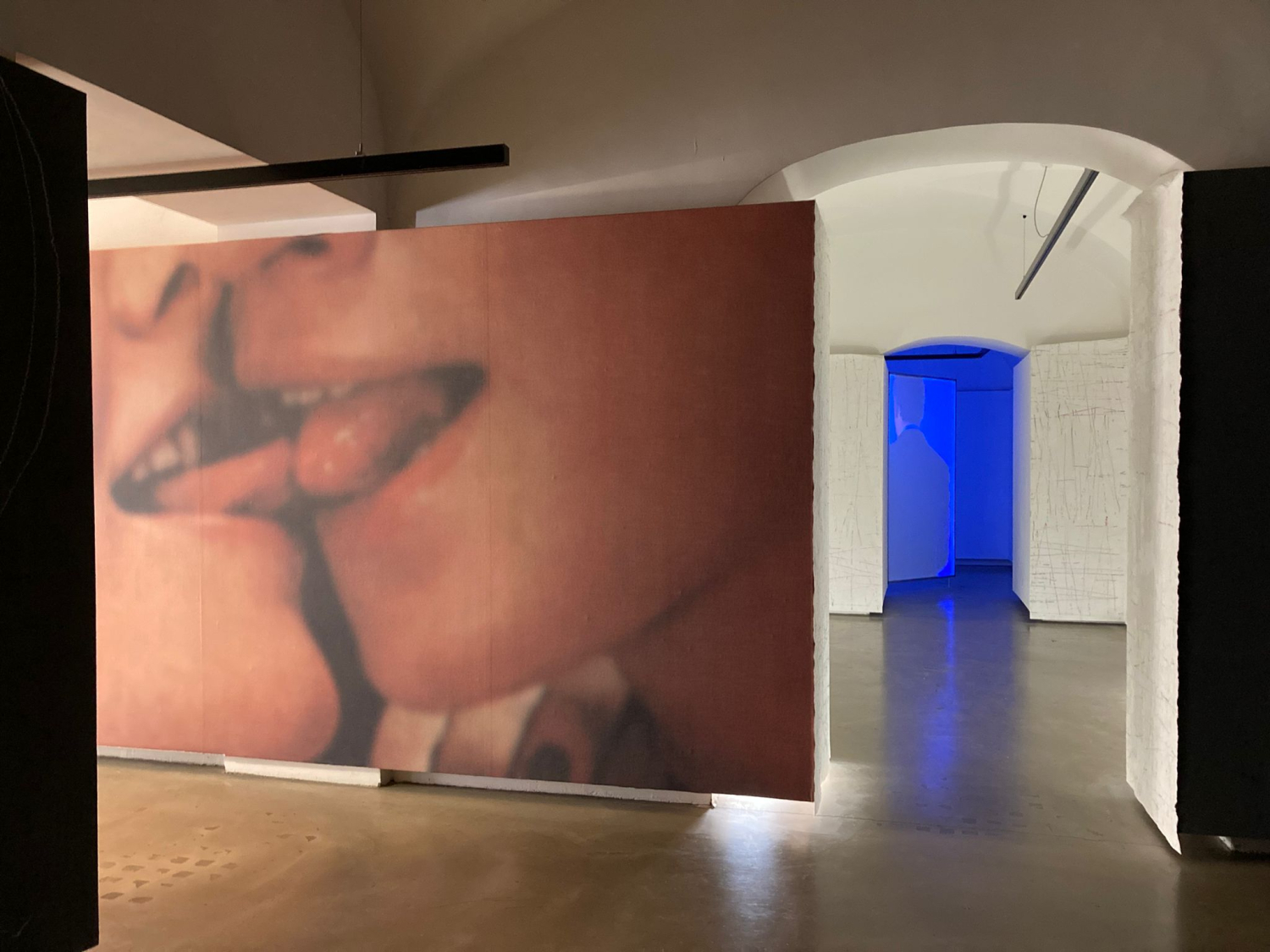
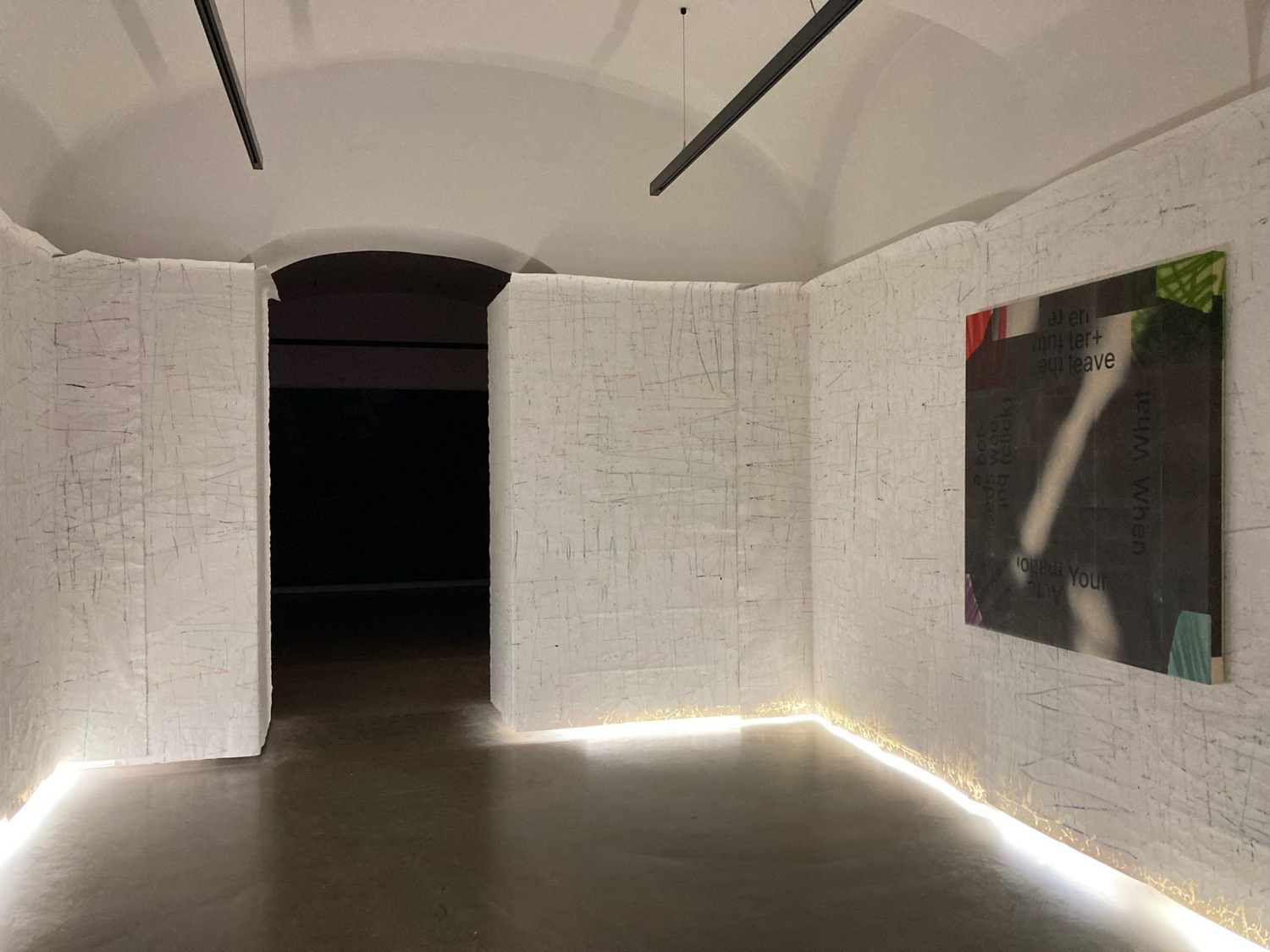
Then I was drawn to the Neue Galerie to the exhibition " where heaven where hell" by South Tyrolean-born Julia Frank, who was awarded the Special Recognition Award by Innsbruck International this year. Frank transformed the rooms of Neuen Galerie into a walk-in artistic work in a magnificent way.

Who is afraid?

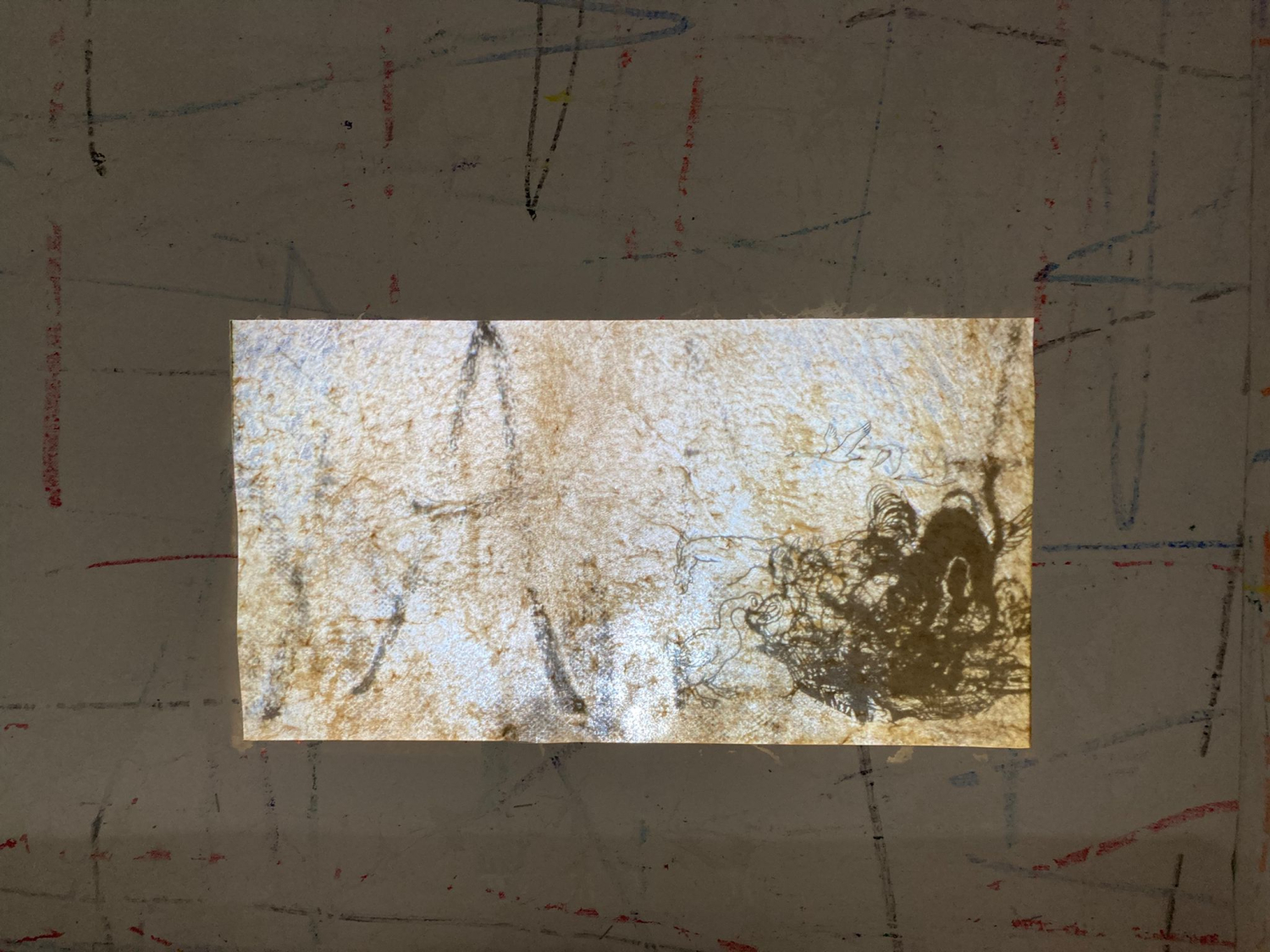
With the first step - past the image of two open mouths, two tongues playing with each other - you are already part of the exhibition, hearing the insistent question "Who is afraid?" The answer is just as clear: "Nobody!". In room two, you are drawn into the familiar game of heaven and hell. This truth machine folded by children's hands, which only allows yes or no, right or wrong, becomes the new oracle of humanity through AI: a binary system that permeates all areas of life and threatens to overrun us. Its power stands in contrast to the characters, the fine lines on the walls of the room, until our gaze falls on an installation that opens up like a small cinematic window: The familiar figure of the "ugly duckling" blurs with various signs, is superimposed by them, disappears, reappears.

Rendez-Vous

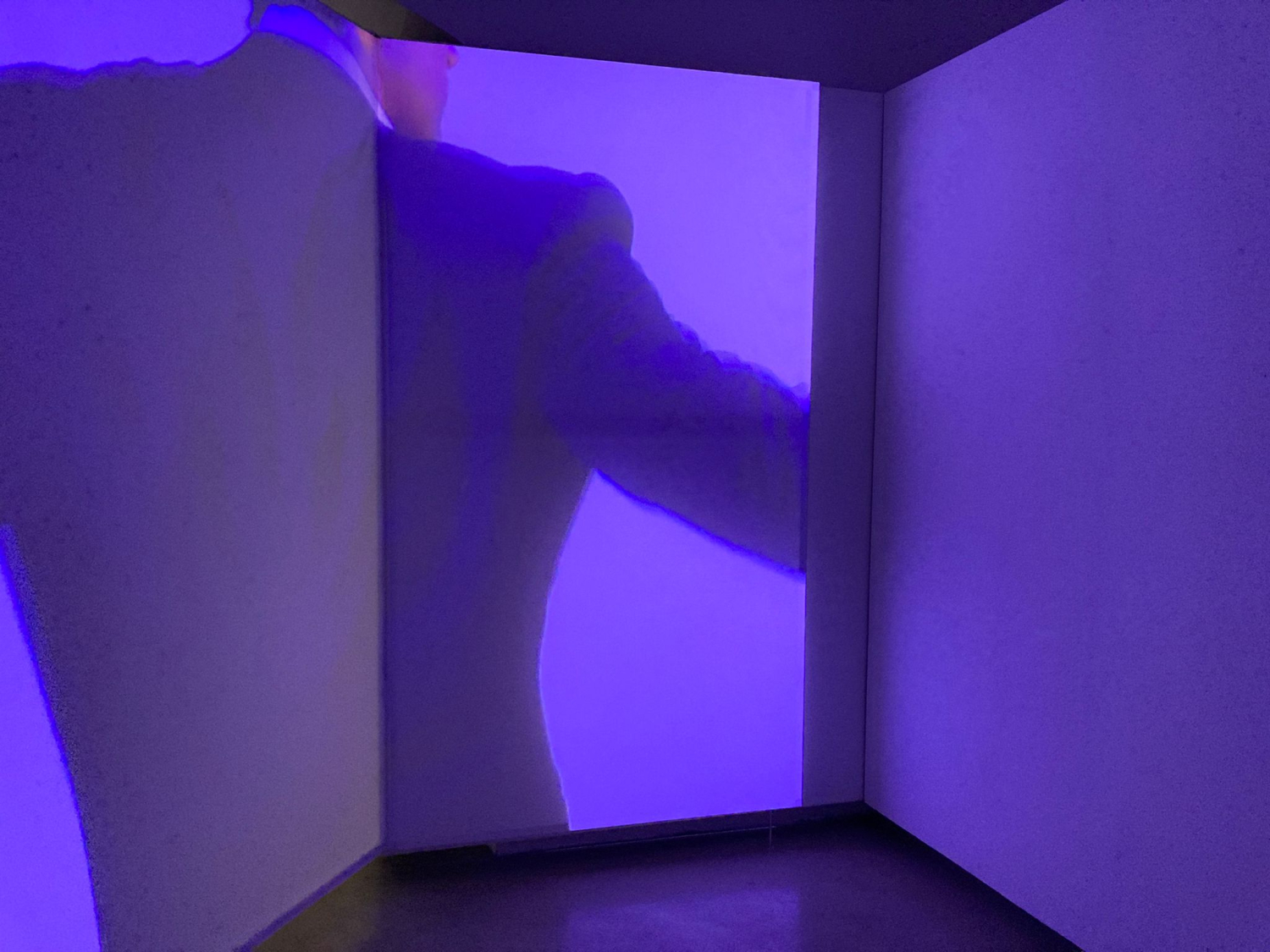
The transition into the third room is equally intense, entered as if through a half-open door. At the back is a video work, a section of which can easily be identified as the conductor, with his back to the viewer, recognizable by the classical gestures, and the room itself plunged into darkness.

An impressive and lasting work as part of Innsbruck International, a rendezvous of a special kind, which can be seen until 23.05.2026. So if you hurry, you can still see "where heaven where hell" at the Neue Galerie.

Otherwise: Innsbruck offers great exhibitions throughout the year ( click here for the calendar of events). And: the next edition of the Innsbruck International Biennial of the Arts is sure to come!

Innsbruck International
Biennial of the Arts

[email protected]

www.innsbruckinternational.com

Similar articles