The art of "Schlutzing": tradition to join in
They are one of the Alpine delicacies that everyone in Tyrol is sure to have tried at least once: Tyrolean Schlutzkrapfen. And if you haven't, now is the time! Either cook the recipe yourself (below) or sign up for a cooking course.
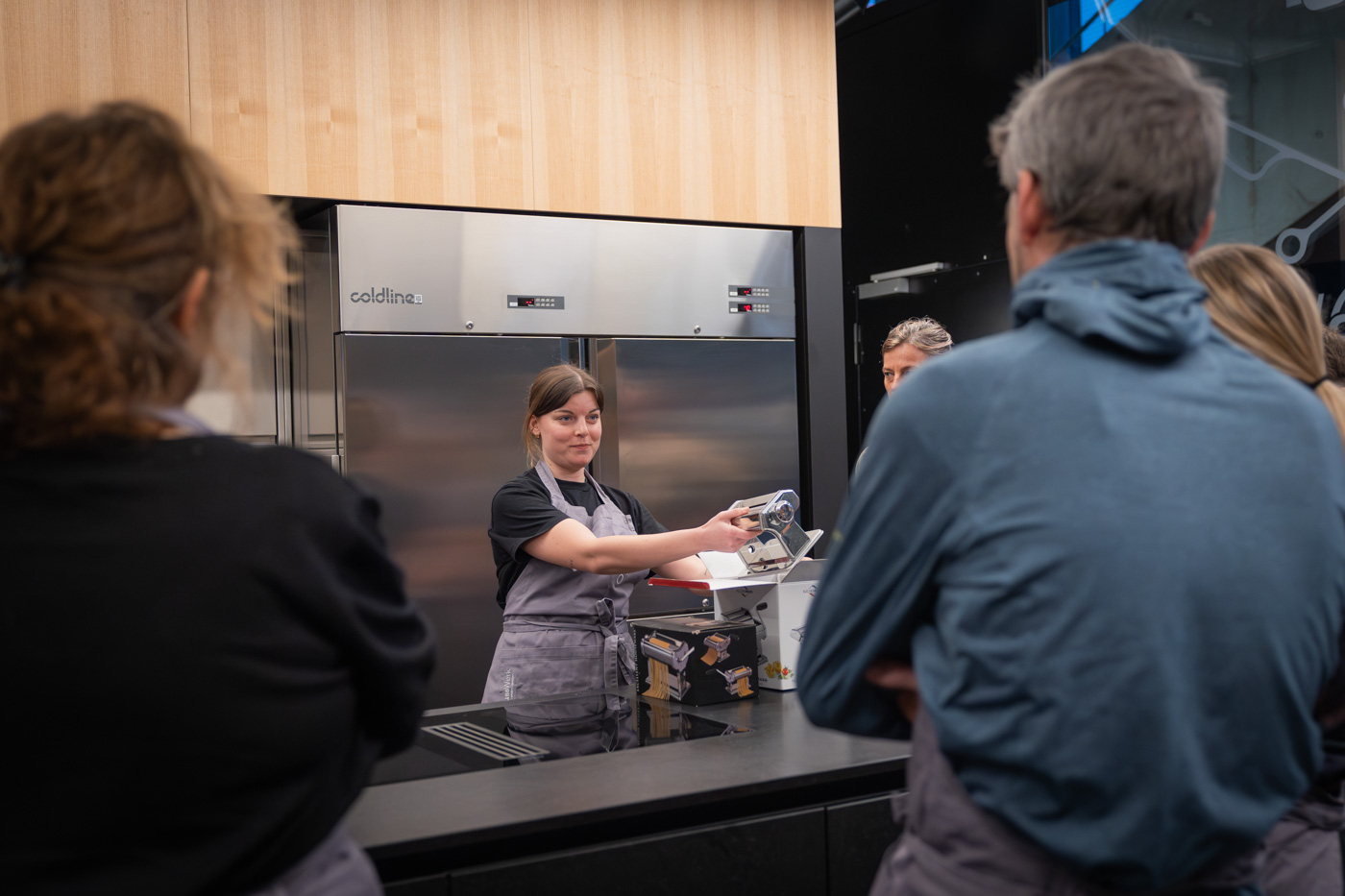
At the cooking course in the Tiroler Genusswerk right next to the Messe train station in Innsbruck, chef Sonja Lindner invites you to an enjoyable evening. It starts with a crisp theoretical unit on the origins and history of Tyrolean food culture.
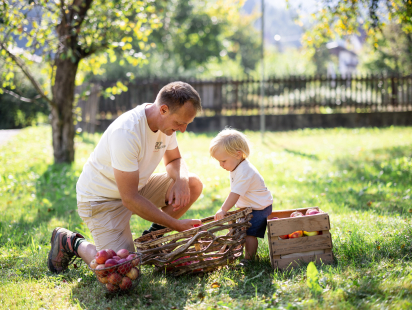
The "Qualität Tirol" seal of quality is awarded exclusively to regional, sustainably produced foodstuffs that are grown and refined in Tyrol. The seal of quality is easily recognizable by the distinctive logo on the packaging.
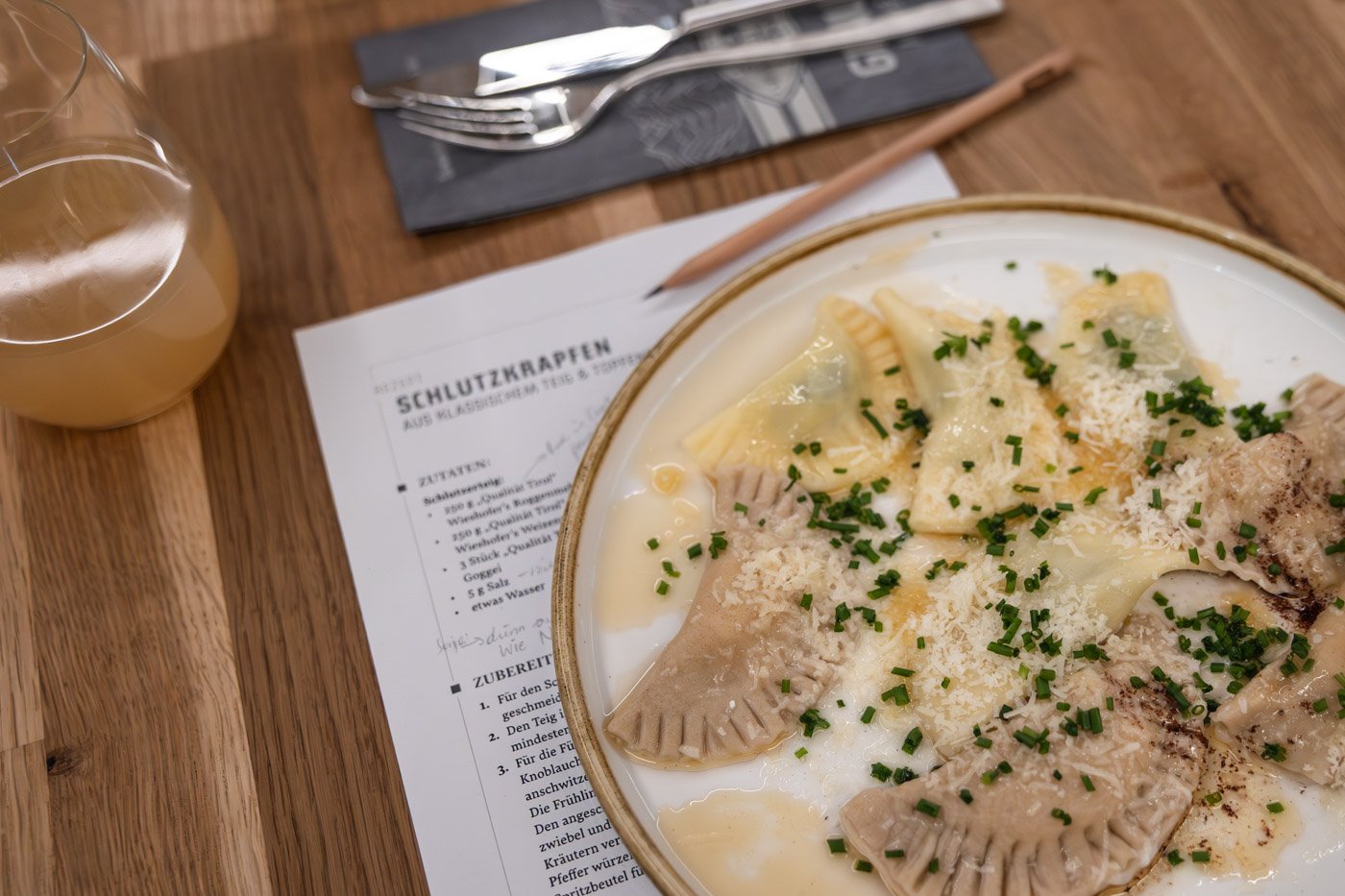
Most of the products selected for the evening bear this seal of quality and are already waiting for the participants in the next room. The program includes two types of Schlutzkrapfen. One is the classic version of Schlutzkrapfen, made with wheat and rye dough, and the other with a slightly softer curd cheese dough.
Origin of the Schlutzkrapfen
As is so often the case, the exact origin of Tyrolean Schlutzkrapfen cannot be precisely determined. However, there is definitely no denying a certain affinity with their counterparts from Swabia(the Swabian Maultaschen), Carinthia (Carinthian Kasnudeln: recognizable by the curled edge and the pasta mint in the potato filling) or the East Tyrolean Schlipfkrapfen (pockets filled to the brim with potato). In South Tyrol, however, their origin is usually attributed to North Tyrol, where they are sometimes called "Ravioli Tirolese" or even "Mezzelune " (Italian for crescents) and they are indeed very similar. However, south of the Brenner Pass, depending on the region, the curd cheese (made from milk) is often replaced with ricotta (made from whey), which is traditionally rarely produced on the farms in North Tyrol.
In Cortina, the main venue for the 2026 Olympic Games, they are traditionally served as Casunziei all'ampezzana with a filling of beet and potatoes, topped with Parmesan cheese and poppy seeds.
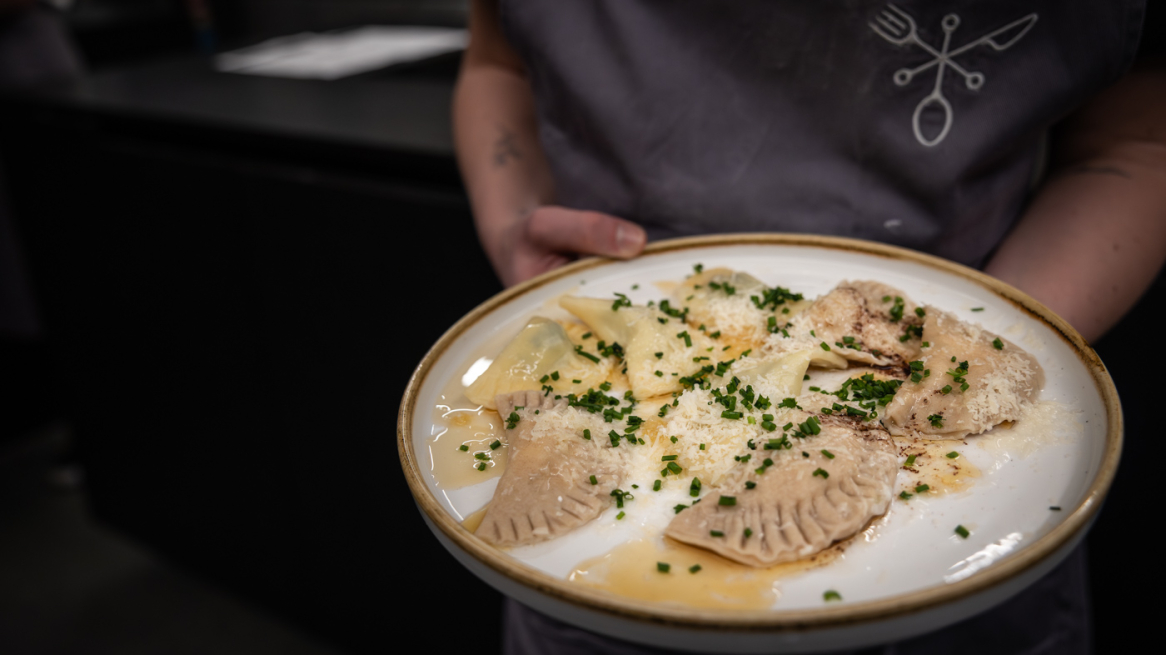
In contrast, the most common types of Tyrolean Schlutzkrapfen may seem less colorful, but they are certainly no less tasty! Whether with a curd cheese and herb filling or potato or spinach curd cheese - the "Schlutzer", as they are also known here, just slip into your mouth one after the other. The reason why they do this so quickly is perhaps due to the nut butter, which is often served with them in large quantities and, with a few fresh chives, is probably the most natural flavor enhancer in Austrian gastronomy.
The first Schlutzkrapfen recipes (then known as Schlick-Kräpffel or Schlick Kräpfel) were first recorded in 1581. "Schlick" stands for schlucken, Schlemmer, Farce or filling or even schlutzig (slippery) - just like good Schlutzkrapfen with nut butter taste.
Cooking course for Tyrolean Schlutzer
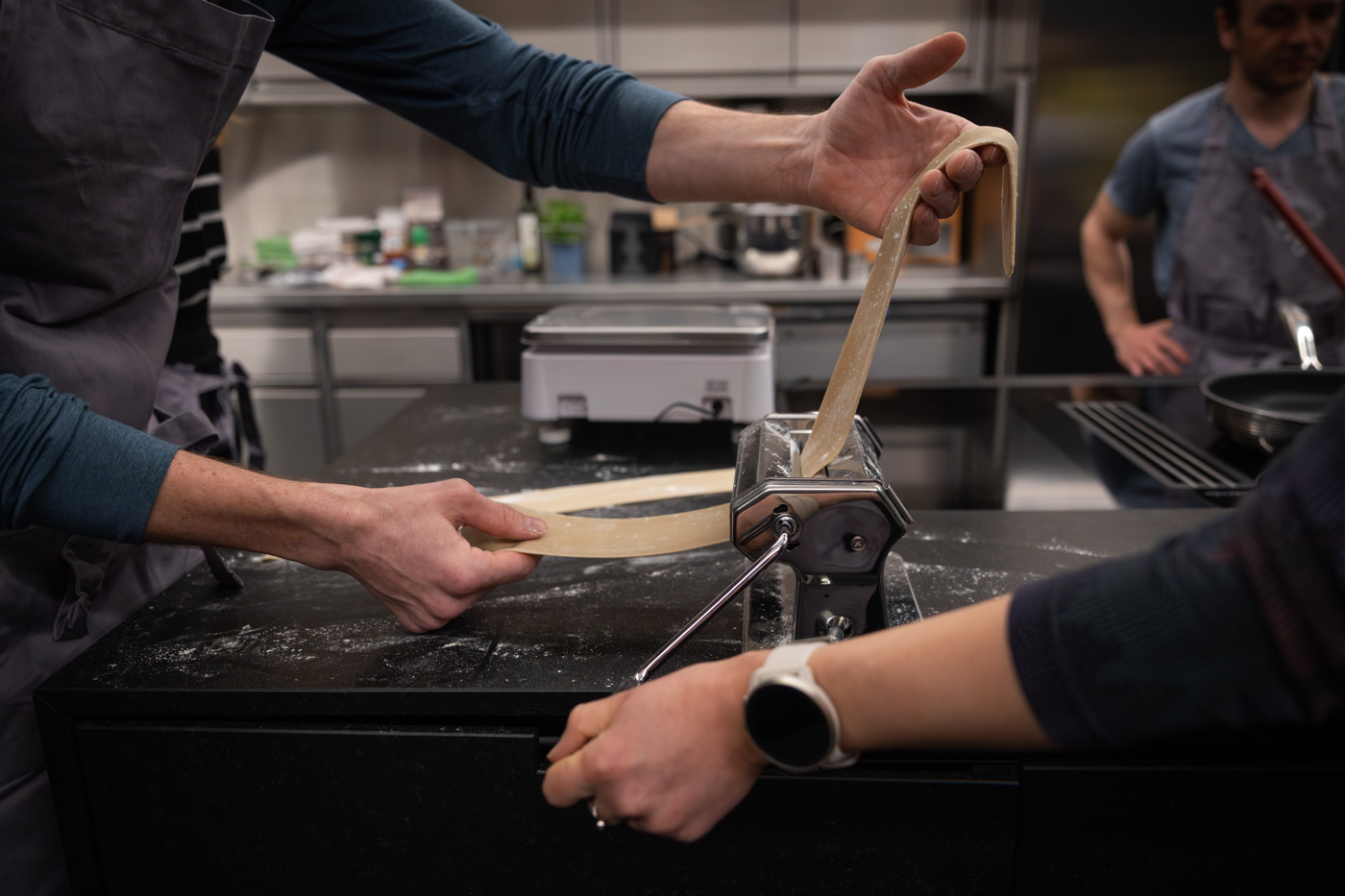
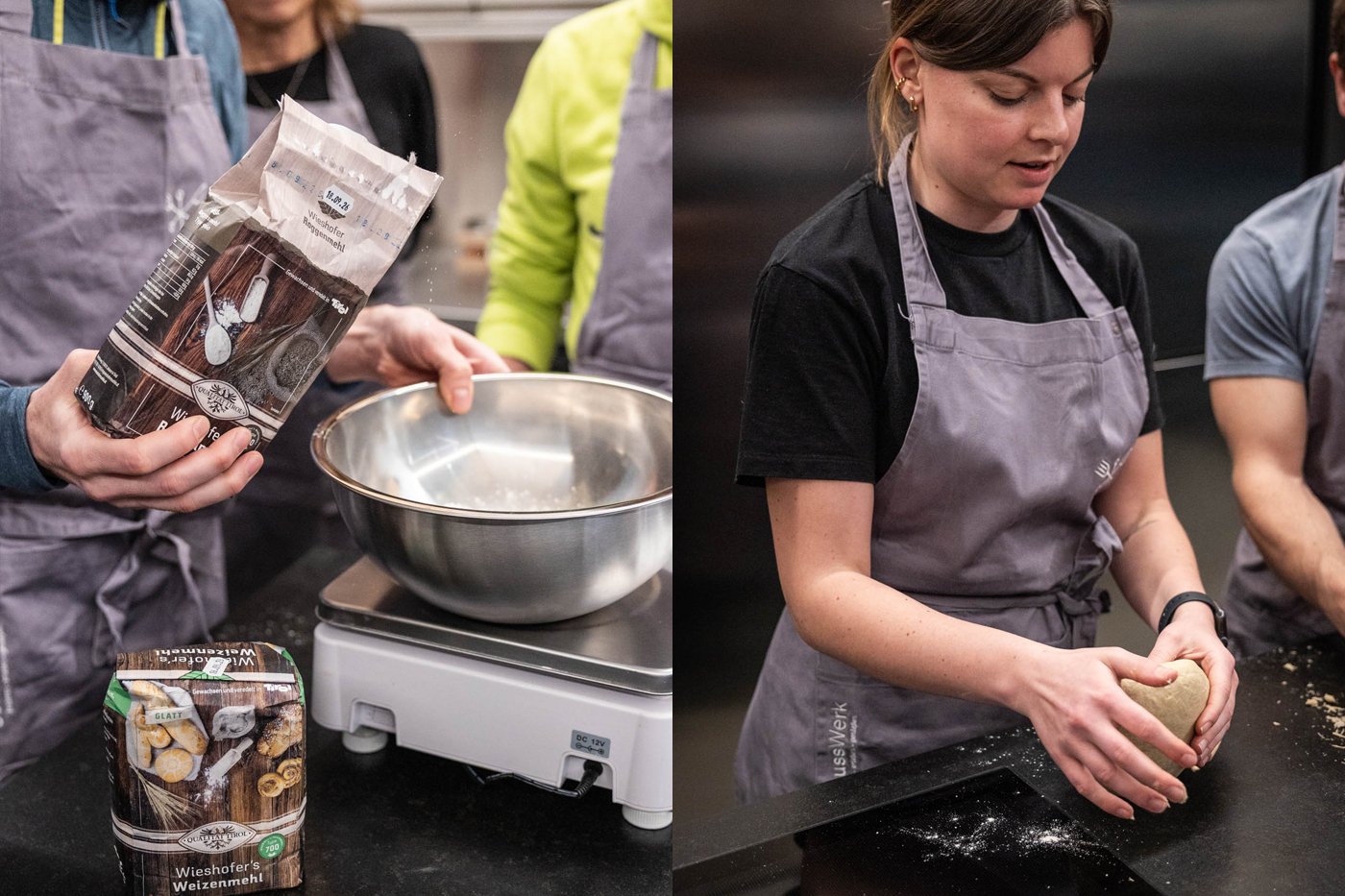
But now enough theory and history, we're officially getting started. We will be working in two teams in the beautiful, ultra-modern kitchen. The participants are interested amateur chefs, some of them complete beginners, some of them advanced chefs who want to delve deeper into the subject of pasta for the first time. One thing should be said in advance: as nice as a rolling pin is, a pasta machine does the hard work for you. An inexpensive hand-crank model will do, but you can also use an attachment for your food processor.
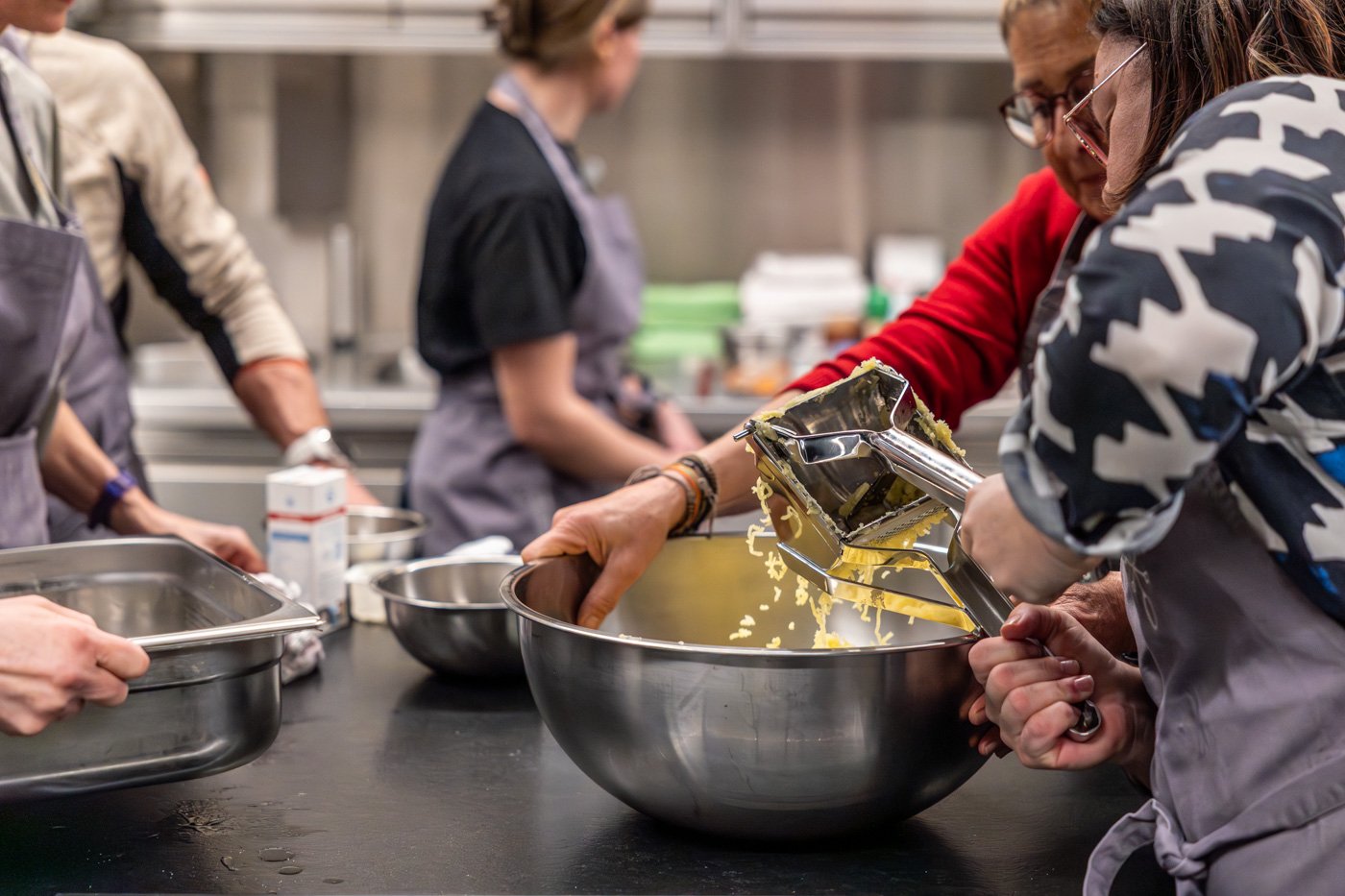
Sonja explains the two recipes step by step beforehand and gives us the correct quantities on slips of paper. Just like at school, it happens as it should: one of us is too hasty and cracks the egg into the side of the flour bowl early on. Oh no, and then he adds far too much water. Pellegrino Artusi or Maria Drewes (Tyrolean cooking icon) would be turning in their graves! Actually, the classic version requires little or no water, depending on the quantity of eggs and the moisture content of the flour. Thankfully, the recipe is very forgiving and the end result will taste great even with a softer dough.
Sonja's tip: If you prepare the dough a little earlier (it should rest for at least 30 minutes), you can also leave out the salt. This will prevent the dough from turning gray the next day. The finished Schlutzer are cooked in salted water anyway.
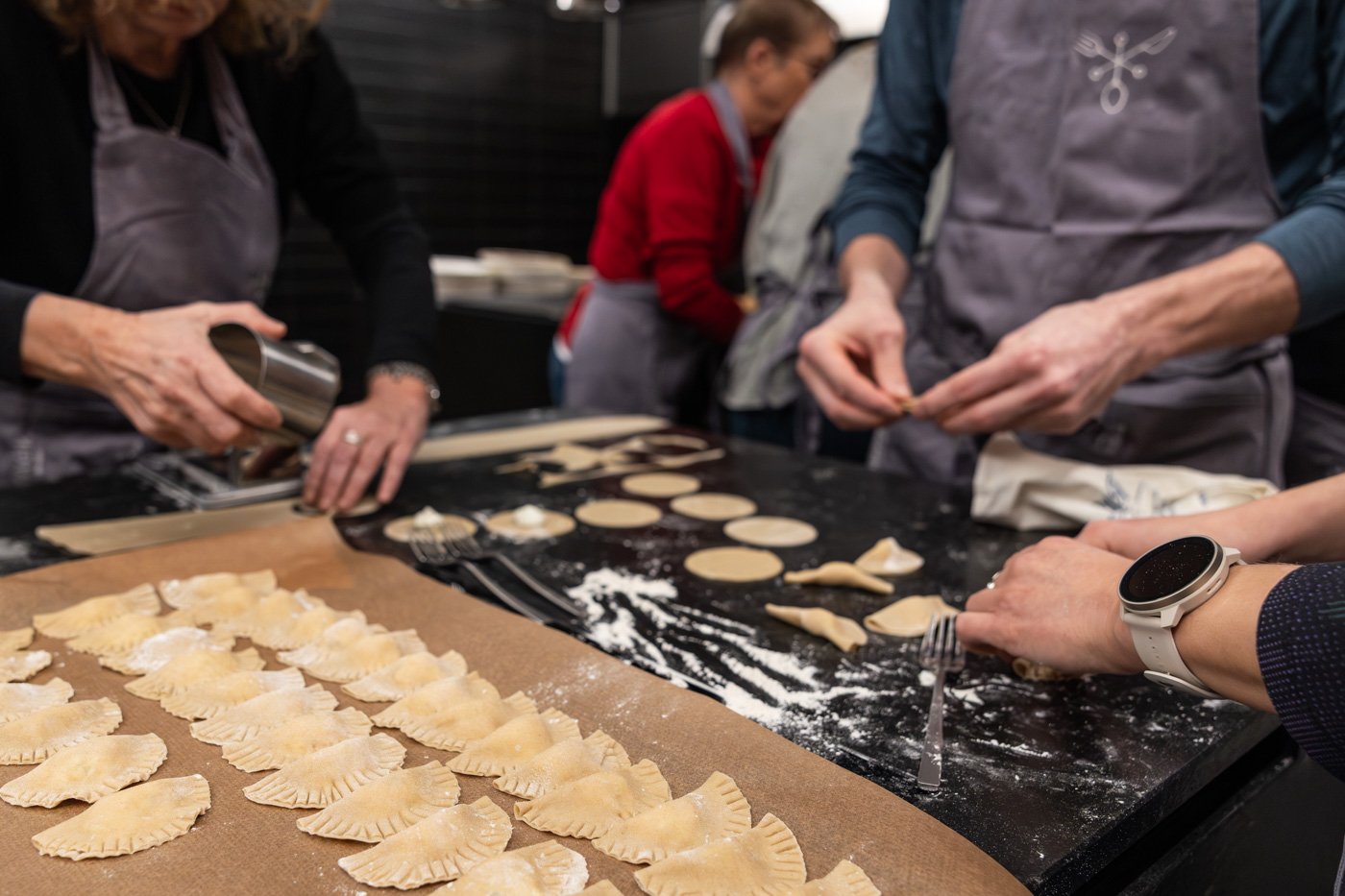
Once the dough is ready and has been allowed to rest a little in cling film, the group splits up again. Now it's time to roll it out thinly (depending on the pasta machine, we were on setting 2 of 7; 1 would be the thinnest setting), cut it out, fill it and shape it.
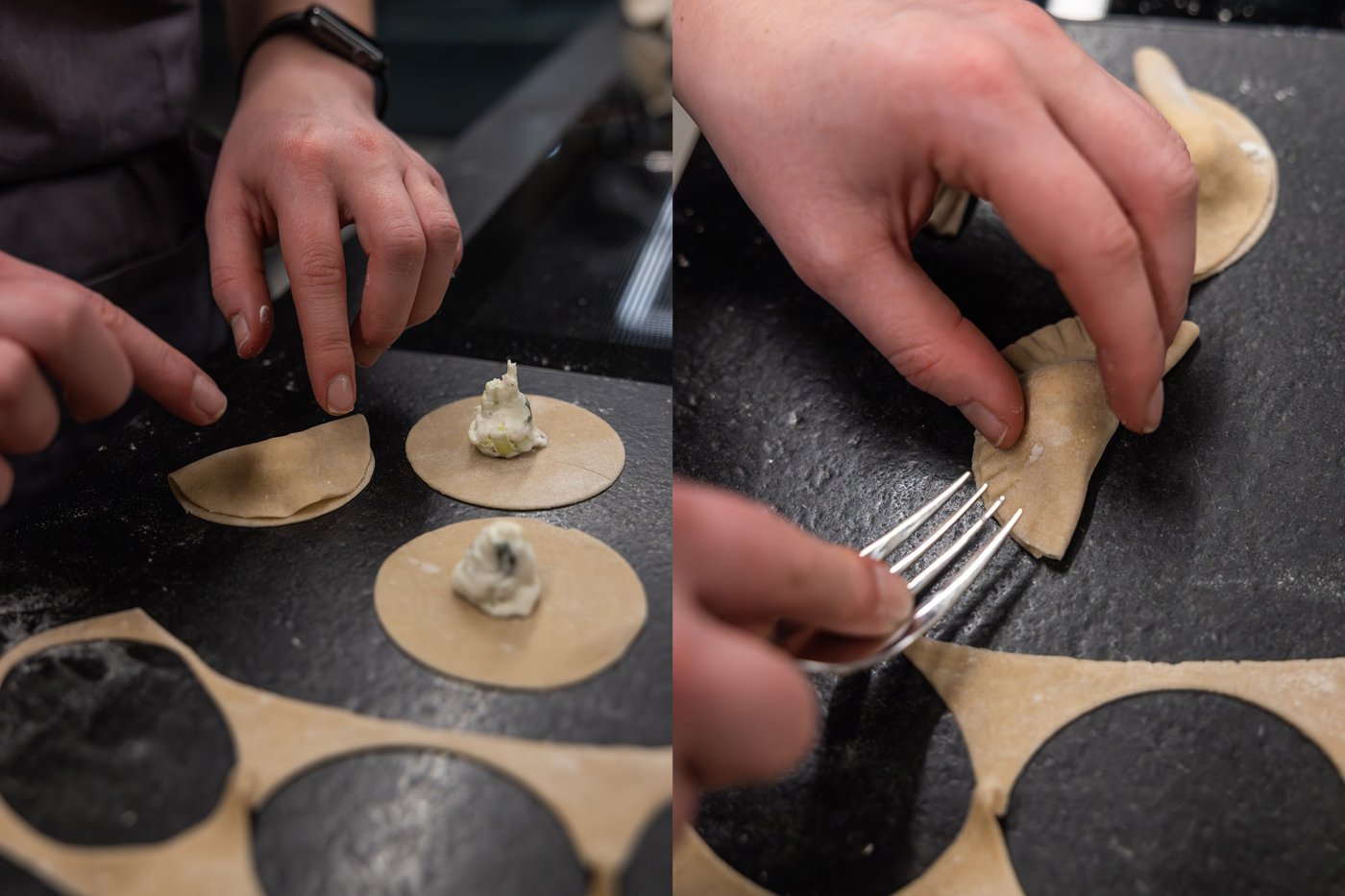
Unlike Kärntner Kasnudeln, Korean Mandu or Sardinian Culurgiones, Schlutzkrapfen are not "stuffed" with as much filling as possible and "pulled into shape" when filling, but should retain their elegant crescent shape during the filling process.

Sonja's tip for a perfect dough: always freeze them immediately after shaping on a tray with baking paper so that they don't start to stick! At Genusswerk, we have a luxurious blast freezer for this purpose, which we use even for the short wait until the pasta water boils.
Recipe to follow
Tyrolean Schlutzkrapfen with classic dough and curd cheese filling
Sonja Linder's Schlutzer
Schlutz dough:
- 250g "Quality Tyrol" Wieshofer's rye flour
- 250g "Qualität Tirol" Wieshofer's wheat flour (smooth 700)
- 3 pieces of "Qualität Tirol" Goggei (eggs)
- 5 g salt
- a little water
Schlutzer filling:
- 250g Tyrolean curd cheese (20% fat)
- 1 piece of spring onion
- 1 clove of "Bio vom Berg" garlic
- Organic herbs from the mountain, e.g. mint, basil
- Salt and pepper
To finish:
- 100g Parmesam
- "Bio vom Berg" chives
- 200g organic butterfrom the mountain
Preparation:
- For the Schlutz dough, knead all the ingredients into a smooth dough.
- Wrap the dough in cling film and leave to rest for at least 30 minutes.
- In the meantime, chop the garlic for the filling and fry lightly in butter without letting it brown. Finely chop the spring onion. Mix the sautéed garlic, spring onion and curd cheese with the chopped herbs and season with salt and pepper. Fill the filling into a piping bag.
- Roll out the Schlutz doughthinly using a pasta machine with a little flour. Cut out round circles from the dough, pipe on the filling, seal to form a crescent and press down with a cake fork. Place the finished crescents on a floured baking tray.
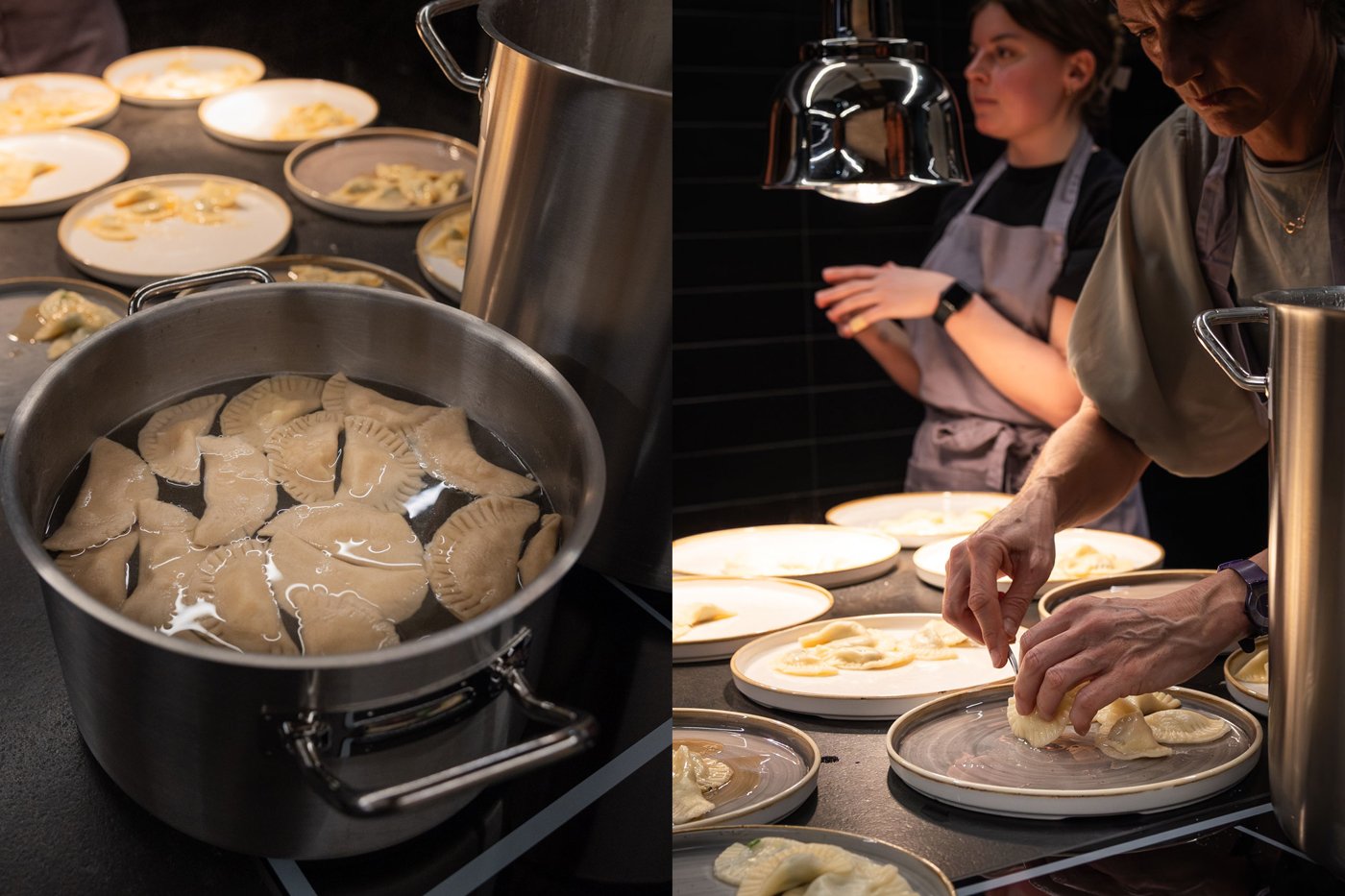
Grate the parmesan and finely chop the chives. - Cook theSchlutzkrapfen in salted water for about 5 minutes.
- In the meantime, make brown butter (nut butter).
- Remove with a ladle, allowing the water to drain well, place on the plate, sprinkle with grated Parmesan, pour hot nut butter over and serve with the finely chopped chives.
If you would prefer to learn this step-by-step from the expert, or are curious about how the second recipe with curd cheese dough works, it is best to register for the Schlutzkrapfen cooking course at Genusswerk.
Click here for the current dates, further information and information on other courses (including with seminar farmers) can be found at Genusswerk Tirol.
Show me the location on the map
Travel blogger & book author with a passion for hiking, wild herbs and alpine cuisine. #onlyinibk
Similar articles
From Mountains to Beach Never underestimate Innsbruck’s ability to turn an ordinary weekend into something…
Fresh, crisp, and “guat ” (= good, delicious)—that’s how I like the food that ends up on…
Which restaurants in Innsbruck are open on Sundays? The fact that it is not easy…
A relaxed brunch and breakfast with children? Sometimes it sounds like a dream - but it's not…