

It is a story of courage and love of freedom, of risky daredevilry and admirable civil courage. Two Jewish emigrants and a Tyrolean Wehrmacht deserter parachute onto the Sulztaler Ferner on the night of February 26, 1945. Their mission: to provide the US Army with information from the Nazi Alpine fortress. The Gestapo is on their trail, torturing and killing to catch them. Over the course of two months drama unfolds which, with the help of many courageous women, leads to a happy ending: In the liberation of Innsbruck from Nazi terror without a fight.
A historical monument to heroic courage
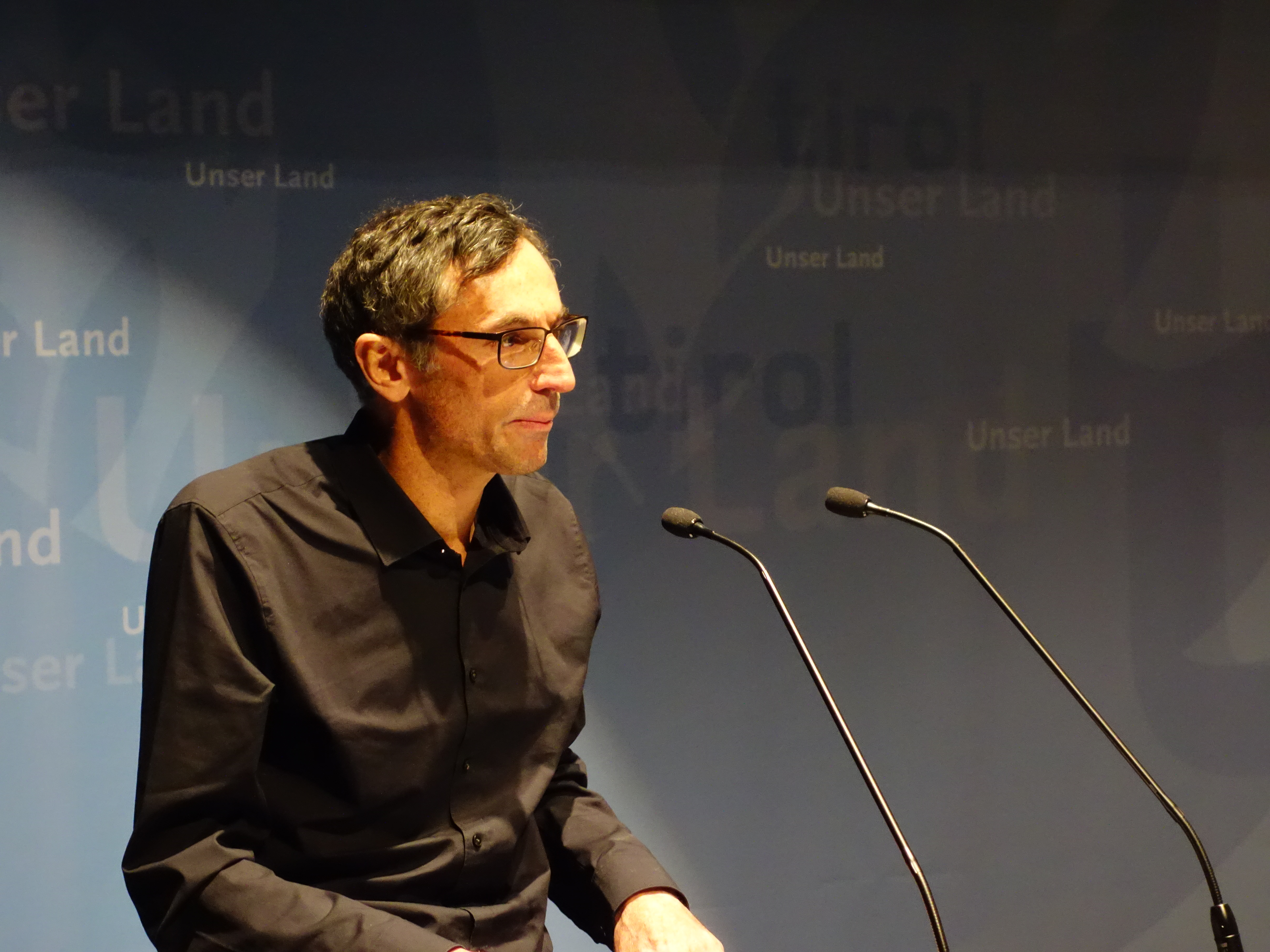
Peter Pirker
For decades, the story of this heroic operation was hardly known in Tyrol. Perhaps people in this country did not want to know exactly what happened in Oberperfuss and Innsbruck between February 28 and May 5, 1945. Now a long overdue documentation of these events has been published by Tyrolia-Verlag. In it, historian Peter Pirker lifts the historical curtain on those heroes and heroines who risked their lives to fight for the liberation of Innsbruck and Tyrol. With his meticulously researched, excellent documentary “Codename Brooklyn. Jewish agents in enemy territory” he creates a lasting documentary monument to this resistance group against the Nazi reign of terror in Oberperfuss and Innsbruck.
“Killing Nazis”
Have you, dear reader of the Innsbruck blog, ever heard of “Operation Greenup“? Or the “Codename Brooklyn“? If not, no problem. But if you have seen the Hollywood blockbuster ‘Inglorious Bastards’ by Quentin Tarantino, you already know all about this American operation behind enemy lines.
In the film, Tarantino uses real events that took place in Oberperfuss and Innsbruck in the spring of 1945. Even the ‘running gag’ of the movie was taken from reality. “To kill Nazis” was the declared aim of the commander of the “Real Inglorious Bastards”, Fred Mayer. A goal that he ultimately failed to realize in reality. Mayer left his SS torturer, who tortured him for days and almost killed him, unscathed. More on this below.
Operation Greenup
The US Army only decided to place groups of agents behind enemy lines towards the end of the war. The CIA forerunner, the Office for Strategic Services (OSS), put together strike teams to gain important military intelligence. Three men were to reconnoitre the Nazi army’s arms deliveries to Italy via the Brenner Pass in the Innsbruck area, collect evidence of Hitler’s invoked ‘Alpine fortress’ and radio the findings to a US base in northern Italy. It was the beginning of an operation that went down in the annals of the US Army as the ‘most successful operation behind enemy lines’.
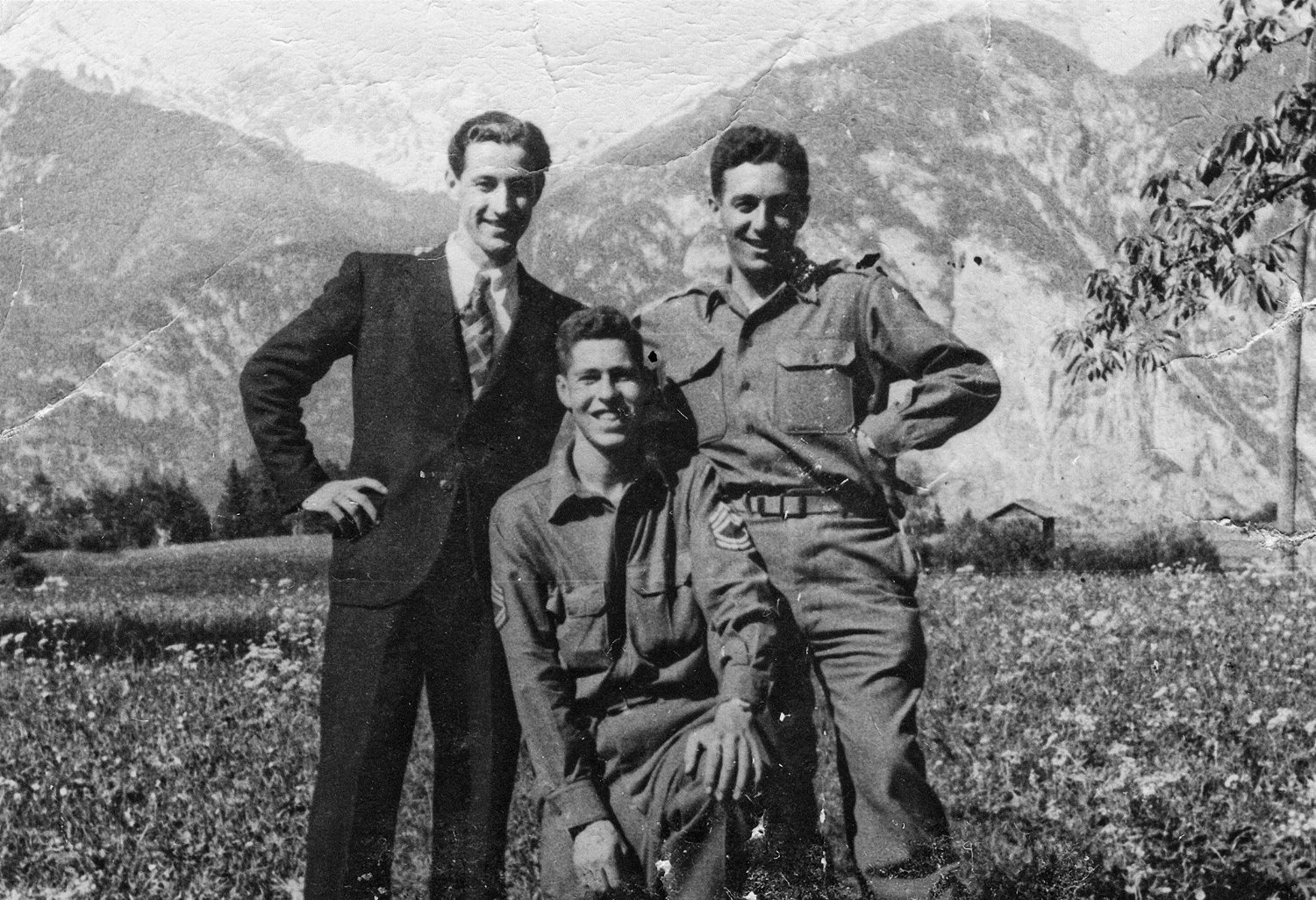
The heroes of Operation Greenup after the drama of the last days of the war against the backdrop of the Nordkette in Oberperfuss. Standing left: Franz Weber, Fred Mayer on the right. In front: Hans Wijnberg. Image: National Archives and Records Administration (NARA)/Tyrolia-Verlag
Two of the three members of ‘Operation Greenup’ trained by the US Army were Jewish refugees who had escaped Nazi terror to the USA: Fred Mayer and Hans Wijnberg. The third man was an Austrian lieutenant who could no longer bear the atrocities committed by the Wehrmacht and the SS: Franz Weber from Oberperfuss. He was convinced that the Third Reich was leading to a “concentration camp Europe” and had had enough. Weber deserted to join the Americans in Italy in 1944. A few months later, he volunteered for Operation Greenup because he wanted to “make a contribution to the liberation of Austria”, as he later said.
Jumping onto the Sulztaler Ferner
Operation Greenup” began in a snow chaos. Jumping out of a US bomber over the Sulztaler Ferner in the Ötztal Alps in driving snow takes some effort. Fred Mayer, Hans Wijnberg and Franz Weber landed in man-high snow on the winter night of February 26, 1945. They fought their way first to the Amberger Hütte and two days later to Gries in the Sulztal valley. At the hut, they quickly hid the two army uniforms of Mayer and Wijnberg. They would still need them after the capitulation of Hitler’s Germany.
Weber – wearing his old Wehrmacht uniform as camouflage – quickly borrowed a sledge in Gries, which the three of them used to transport their luggage, especially the radio, to Längenfeld. They took the bus to Ötztal-Bahnhof and continued by train to Inzing. From here they crept on foot to Oberperfuss, Franz Weber’s home town. They knew there that he had deserted. His exposure would have meant certain death. But on this day, a story begins in Oberperfuss that bears witness to incredible individual courage, the resistance of almost an entire village, courageous women and the belief that Operation Greenup could hasten the end of the horrific Nazi regime.
-
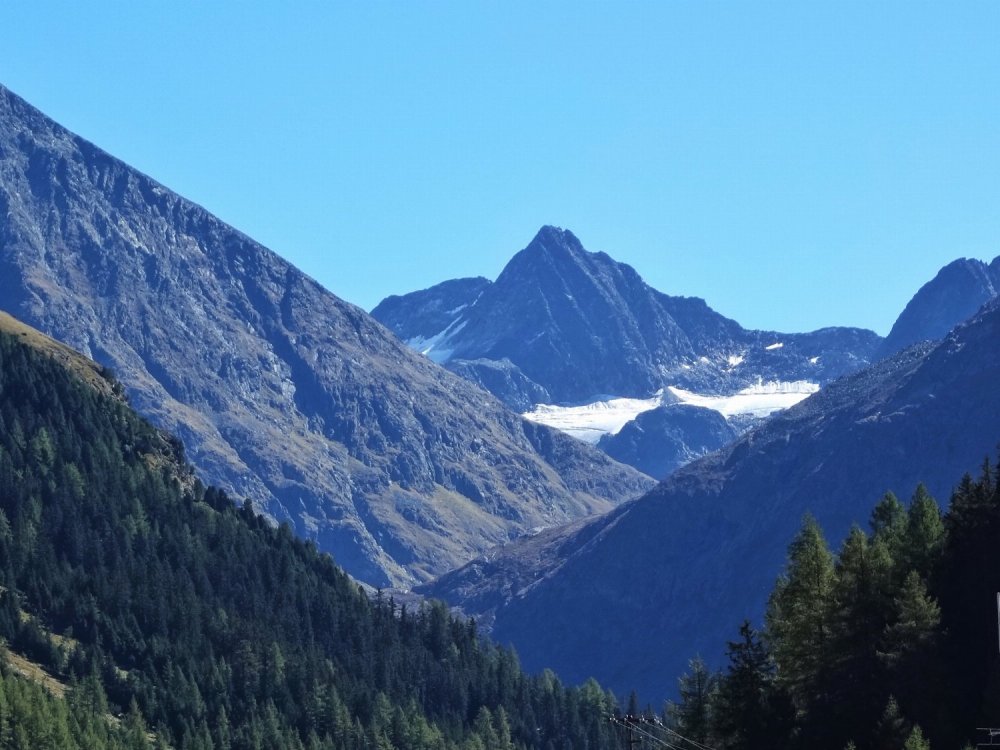
- In diesen Bergen bei Gries im Ötztal landeten die drei Männer der Operation Greenup mit ihren Fallschirmen. Bild: W. Kräutler
-
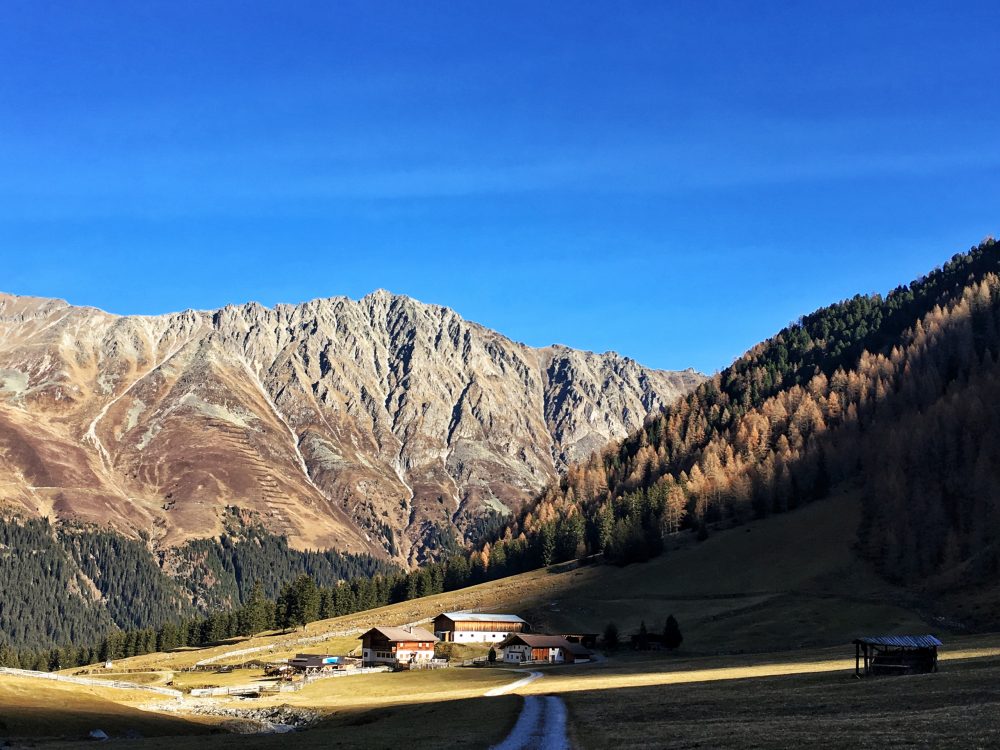
- Ursprünglich wurde auch die Gleirschalm im Sellrain als Landepunkt ins Auge gefasst. Bild: W. Kräutler
The radio antenna was disguised as a washing line
Franz Weber knew who he could safely turn to in his home village. Hans Wijnberg was allocated an attic room in a farmhouse and he set up his radio. The former mayor Alois Abenthung, together with the owner of the farm, Alois Schatz, stretched the cable across the farmyard. Just like a washing line. Even for the radio operator, Hans Wijnberg, this was a big deal: “It was madness,” he remarked after the war.
Fred Mayer’s main task as a scout was to spy on train traffic over the Brenner Pass. The aircraft factory in the rock caverns of Kematen was also one of his targets. And, of course, the progress of work on the mysterious ‘Alpine fortress’.
Franz Weber, as a local expert, backed them up with his specialist knowledge. Above all, however, he convinced his sisters to actively support the operation. They also had one of the most important functions: they relayed messages from Fred Mayer in Innsbruck, which Hans Wijnberg then passed on by radio to his liaison station in northern Italy.
Oberperfuss and Operation Greenup: a village stands firm
I wondered how it was possible for Franz Weber to return to Oberperfuss as a deserter together with two other men without being arrested by the Gestapo. Had a whole village ‘kept quiet’? This is exactly what Peter Pirker, the author of the documentary, reveals in a detailed and exciting way. Yes, Oberperfuss was probably an ideal choice as a base of operations.
Franz Weber’s love affair with Anni Niederkircher, the daughter of the owner of the Hotel Krone, was certainly a decisive factor in the success of the operation. His future mother-in-law Anna Niederkircher put him up in the hotel and immediately held a protective hand over the three spies. And the inhabitants of Oberperfuss? They were absolutely tight-lipped. Around 60 people knew that something ‘hostile to the regime’ was going on in their village. However, their hatred of the NSDAP and Hitler was so great that even the Gestapo did not find out about the operation.
No picture of Hitler. If there is, then an eagle owl is enthroned above him.
Anna Niederkircher, the legendary landlady of the Hotel Krone, was at the heart of the Oberperfer resistance against Hitler. She didn’t have a single picture of Hitler hanging in her house, although she was strongly advised to do so. The priest was also an avowed opponent of the Nazis. When he heard that 100 percent of the village had voted for the Anschluss in 1938, he shouted: ‘You liars’. And the post office clerk had an eagle owl hanging above the picture of Hitler in the post office ‘because it would fit in best there’. Under this social pressure, even the mayor installed by the Nazis kept his mouth shut. It is remarkable that in the two months in which Oberperfuss became the center of ‘Operation Greenup’, there was not a single denunciation.
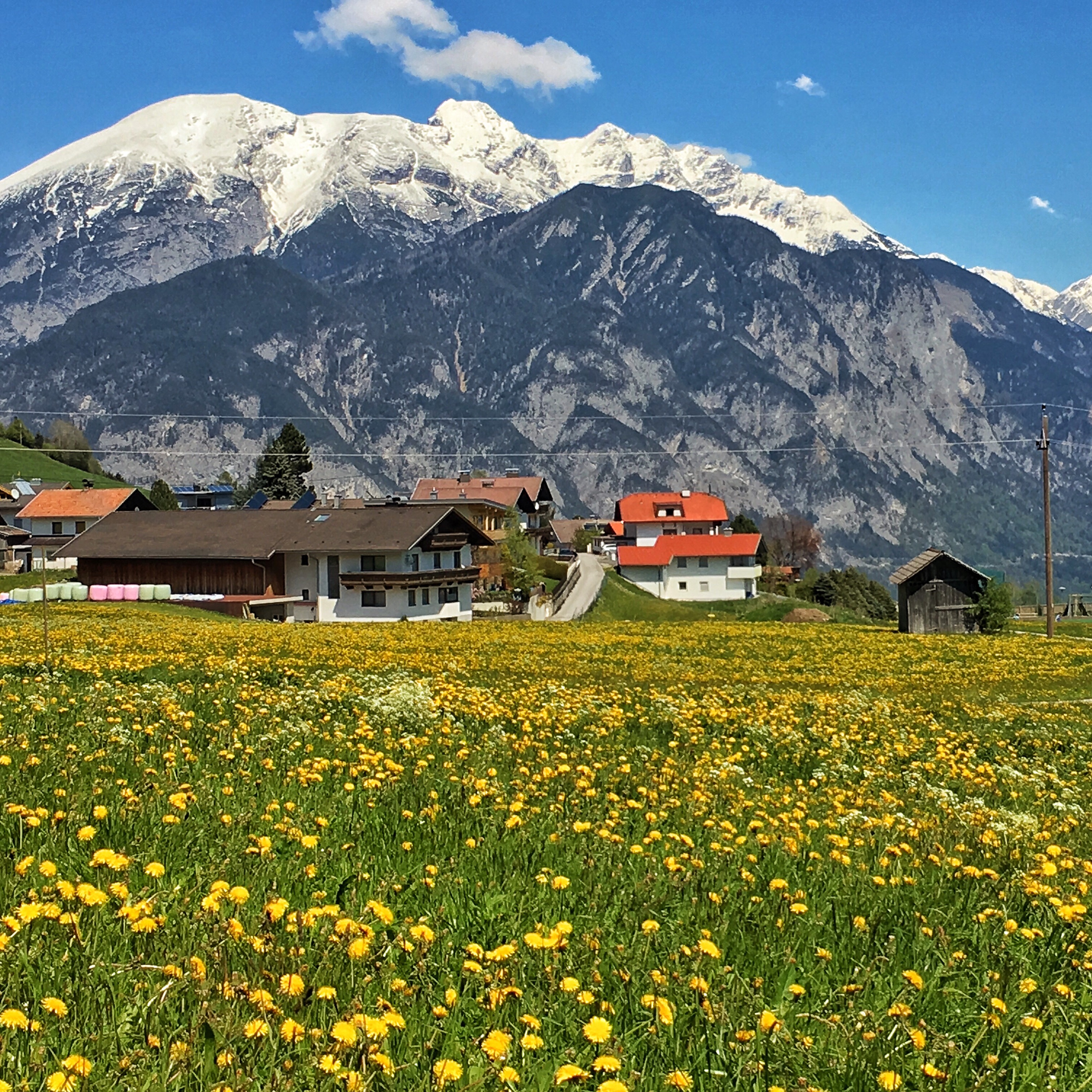
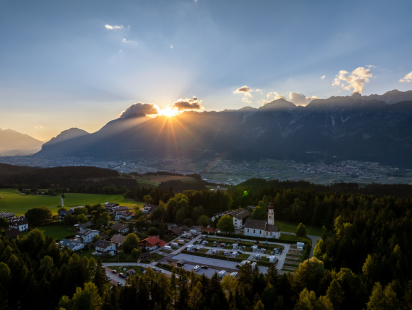
Oberperfuss was the scene of the most successful US operation ‘behind enemy lines’ during the Second World War. Picture: W. Kräutler
Fred Mayer didn’t stay in hiding for long. He was soon sitting at the regulars’ table in the Oberperfer Krone, as he spoke perfect German. But with a touch of Breisgau. He immediately enquired about the Messerschmidt works in Kematen, which produced components for the Third Reich’s first jet fighter. Franz Weber put him in touch with a foreman from the secret factory. Mayer then decided to infiltrate the factory at some point in order to find out the exact information himself.
A Wehrmacht uniform for the American spy
Meanwhile, Franz Weber explained the mission to his sisters. Margarethe worked in the rector’s office at the university, while Luise worked in the Innsbruck clinic. She had access to Wehrmacht uniforms and leave passes. This played into Fred Mayer’s hands perfectly. While Mayer’s first ‘hostess’ Maria Hörtnagl at the ‘Thoma-Hof’ tailored Mayer a uniform (Mayer: “the hell of a good girl”), Luise issued leave passes for Mayer. The best conditions for being able to appear more or less openly in Innsbruck. He first found shelter with Weber’s sister Margarethe. Unbelievable!
It seems absurd that Mayer even registered at the officers’ mess with his forged vacation certificate. Fred Mayer was not only allocated a room and an ‘officer’s boy’ there. He also elicited from his ‘fellow officers’ where Adolf Hitler was staying at the Führer’s headquarters in Berlin. “First house in Southwest end is Adolf”, he had Wijnberg radio to Northern Italy. As always, Mayer’s findings were brought to Oberperfuss by one of Franz Weber’s sisters. On foot, of course. Without this messenger service, the success of Operation Greenup would hardly have been possible.
Material for Tarantino
Mayer’s unbelievable courage in infiltrating the casino must have been a tough nut to crack, even for Tarantino. A courage that he dealt with in his film – albeit in a different setting. Who doesn’t remember the bar scene in which the ‘Inglorious Basterds’ drink with SS henchmen? And the deserter, played by Michael Fassbender, ordersthree beers with his fingersin the English-American rather than the German way? In contrast to the movie, Mayer remains unmolested as a ‘German officer’. Only later does he narrowly escape death.
Mayer’s first brilliant deed: he learned the exact departure times of the tank and ammunition transports from Innsbruck to northern Italy from a railwayman. The US Air Force turned his findings into precisely targeted bombing raids. On 2 April 45, air strikes destroyed 26 trains carrying ammunition, tractors, rifles and gasoline. The destruction of bridges and railroad lines led to a lengthy interruption of the Brenner line.
Robert Moser is tortured to death
The radio dealer Robert Moser, a member of the Tyrolean resistance, helped him with his plan to infiltrate the top-secret aircraft parts factory in Kematen. He employed Mayer in his radio workshop as the French foreign worker “Frederik Mayer”. And provided him with official papers, which Mayer used to get into the aircraft factory. You have to imagine that. But now the dark side of Operation Greenup was about to begin.
Moser came to the attention of the Innsbruck Gestapo on April 18, 1945. Gestapo officer Walter Güttner suspected that Moser was working for a high-ranking American spy in disguise. The radio dealer was arrested and tortured to death by Güttner in the course of the so-called investigation. Mayer was then arrested on April 20. Now began an ordeal that Mayer later somehow played down. The fact is that the Nazi murderer Güttner tortured him in the cellar of the Gestapo headquarters in Herrengasse 1 in the most brutal manner. But Mayer gave nothing away, neither the name and location of his operational group nor did he name any members of the resistance in Innsbruck. A Gestapo spy in the ranks of the resistance revealed Oberperfuss as the base of the operation. However, a Gestapo raid was unsuccessful and the people kept their mouths shut.
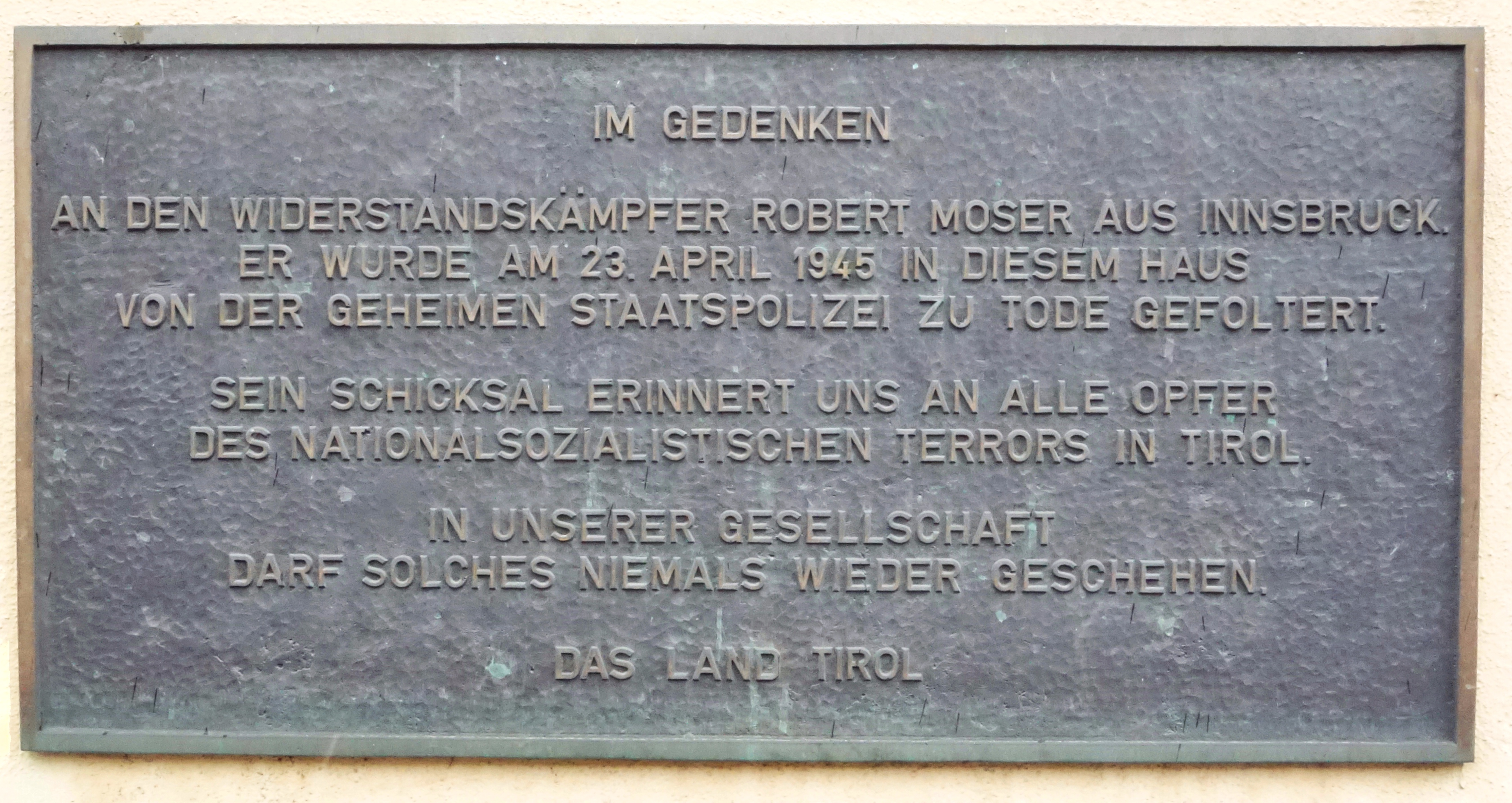
A simple bronze plaque in Innsbruck’s Herrengasse commemorates Robert Moser, who was tortured to death at Gestapo headquarters.
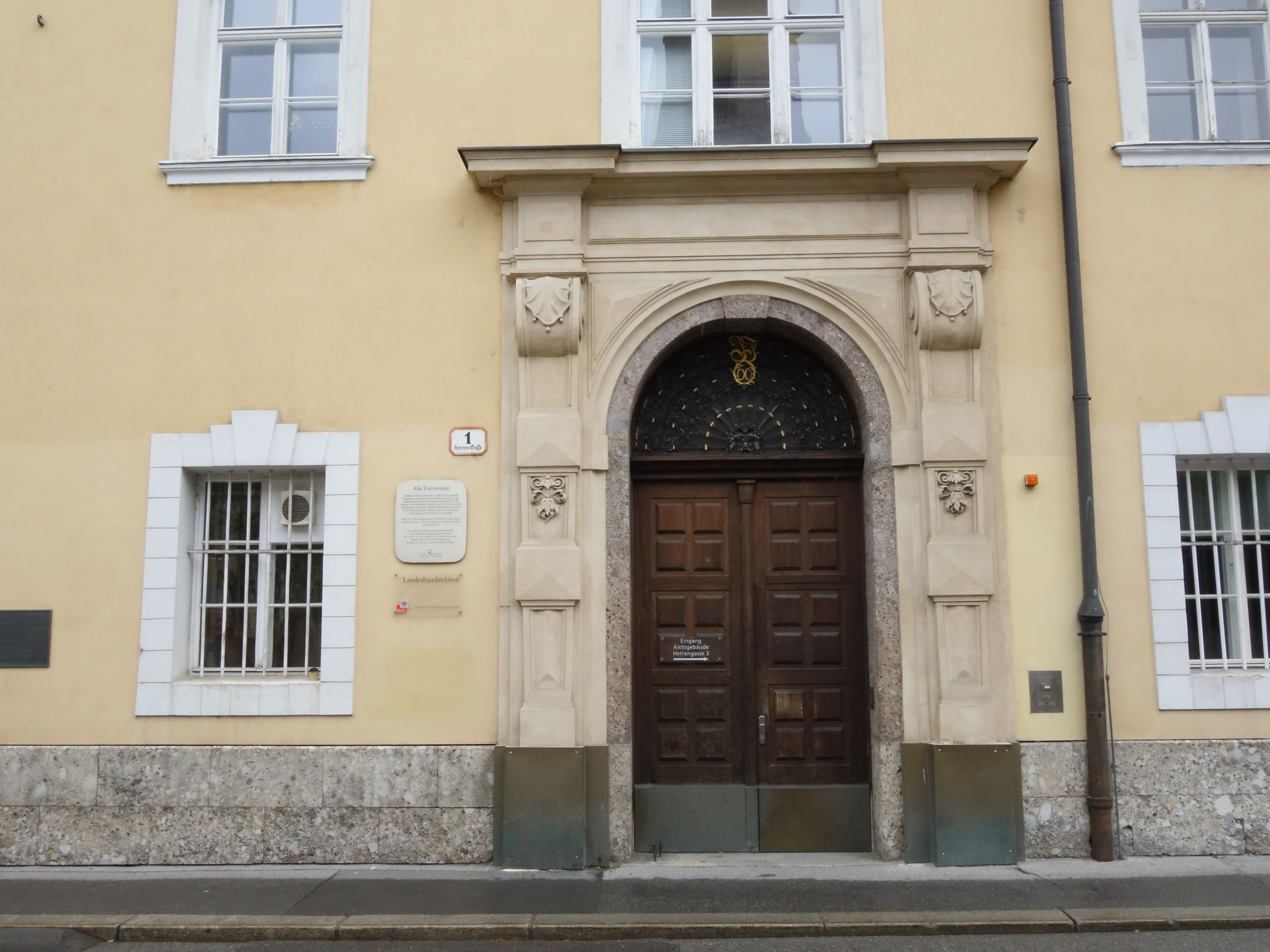
The Gestapo headquarters was located at Herrengasse 1 in Innsbruck, where Fred Mayer was almost tortured to death. Pictures: W. Kräutler
Gauleiter Hofer negotiates with Mayer
However, the course of the war also left high-ranking Nazi henchmen speculating about the ‘aftermath’. As Mayer finally revealed himself to be a member of the US Army, he suddenly became of interest to Gauleiter Hofer, who resided at the Lachhof in Aldrans. The Nazi of the first hour now wanted to survive the end of the war. He had Mayer brought to him and began negotiations. Mayer had one important condition: He would treat him as a normal prisoner of war if Hofer declared Innsbruck an open city in his radio address on May 2, 1945. And forbid any resistance to advancing US Army units. A deal that saved the Nazi criminal’s life.
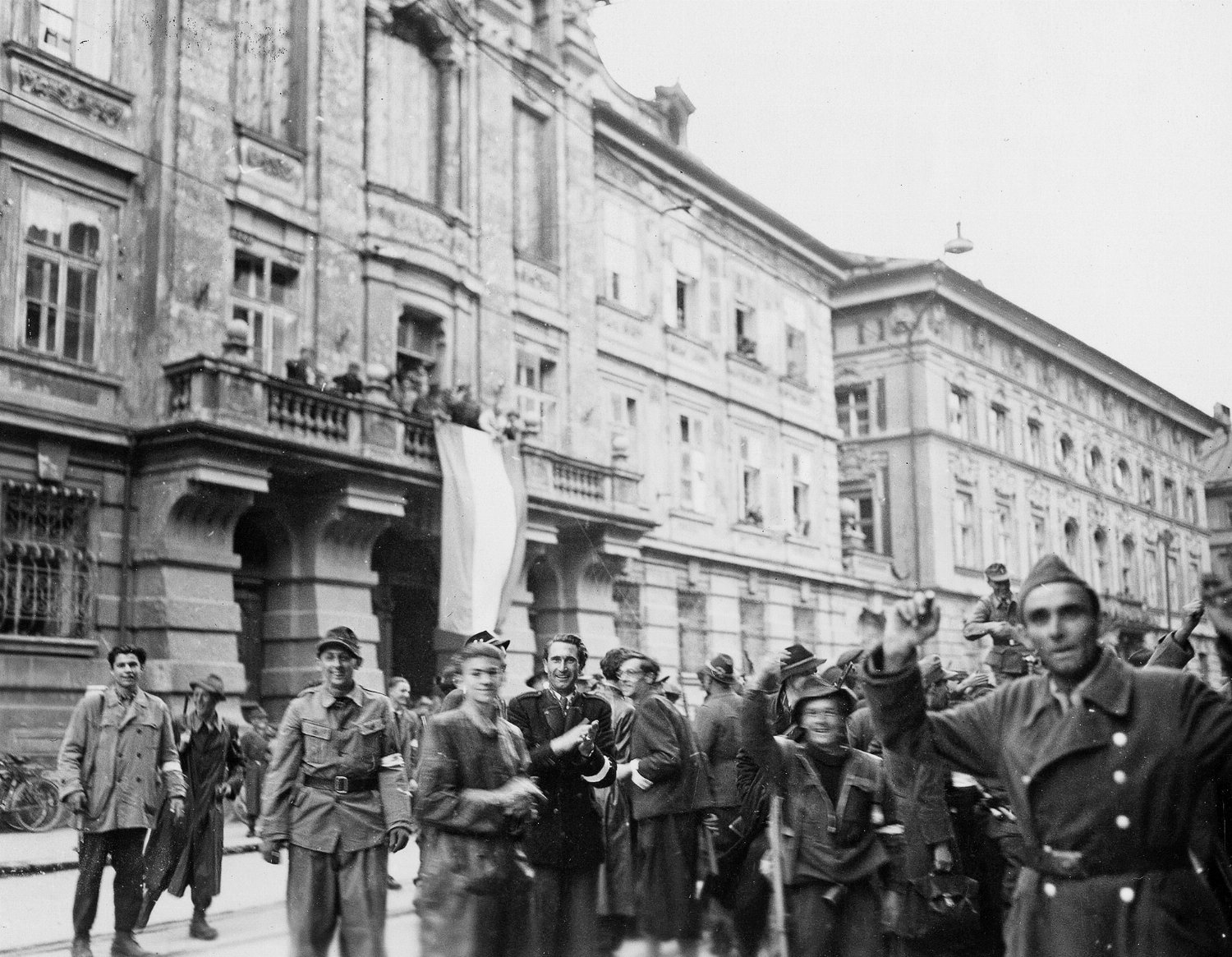
Liberation Day in Innsbruck’s Maria Theresienstraße. Image:National Archives and Records Administration (NARA)/Tyrolia-Verlag
On May 2, Mayer had himself taken to Oberperfuss in a Nazi coach belonging to the Gauleiter, accompanied by German soldiers. He had Wijnberg informed, washed himself and put on the American uniforms that Franz Weber had already fetched from the Amberg hut, where they had been hidden by the men after their parachute jump. On the same day, Weber also made sure that the white flags were hoisted in Oberperfuss.
On May 3, Mayer drove to Zirl with a chauffeur and met the first US military personnel at 2 pm. They were quite astonished when a young man with a battered face but in American uniform jumped out of the car and introduced himself as “Sgt. Fred Mayer, OSS”.
“Hail to the Americans”
The “Cactus Division” was then able to take Innsbruck without firing a shot. A ceasefire came into force at 17:10. “The Cactus men could hardly believe their eyes. It was like the liberation of Paris”, according to an account by the US Army. Wehrmacht soldiers still carried their weapons, but had “Free Austria” armbands tied around their necks and shouted “Heil den Amerikanern”.
When Fred Mayer returned to Innsbruck, he looked for his Gestapo tormentor Walter Güttner. He begged him to protect his family. Mayer replied: “Who do you think we are? Nazis?” The hero of the liberation of Innsbruck refrained from any act of revenge.
Review
Fred Mayer was awarded the ‘Purple Heart’ by the American government for outstanding bravery. In 2010, the Tyrol finally decided to award him the Order of the Eagle. Everyone else involved was virtually ‘forgotten’. In my opinion, it would be high time for the city of Innsbruck to take action. The 75th anniversary of Operation Greenup in 2020 would be a good opportunity.
Franz Weber remained silent about this almost unbelievable operation for a long time. And only gave a detailed interview in 1988. It was the time after the Waldheim scandal, when Austria was also beginning to come to terms with the inglorious period of the Nazi dictatorship. Weber’s statement expresses the feeling of many members of the Austrian resistance movement against the Nazi terror: “I wouldn’t have dared to say anything everywhere. I wouldn’t have wanted to say everywhere that I did this and that.”
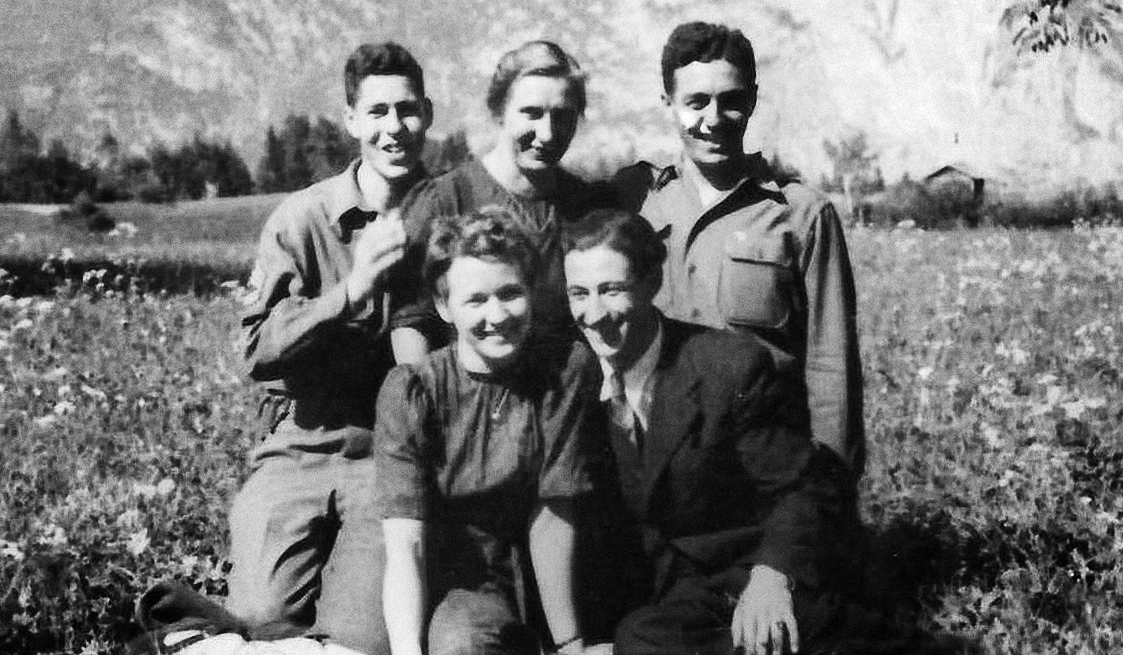
The cover picture of this blog post shows Hans Wijnberg, Maria Hörnagl, Fred Mayer, in front Anni Niederkircher and Franz Weber. Photo: National Archives and Records Administration (NARA) / Tyrolia-Verlag.
HERE you can find the ORF interview with Franz Weber.
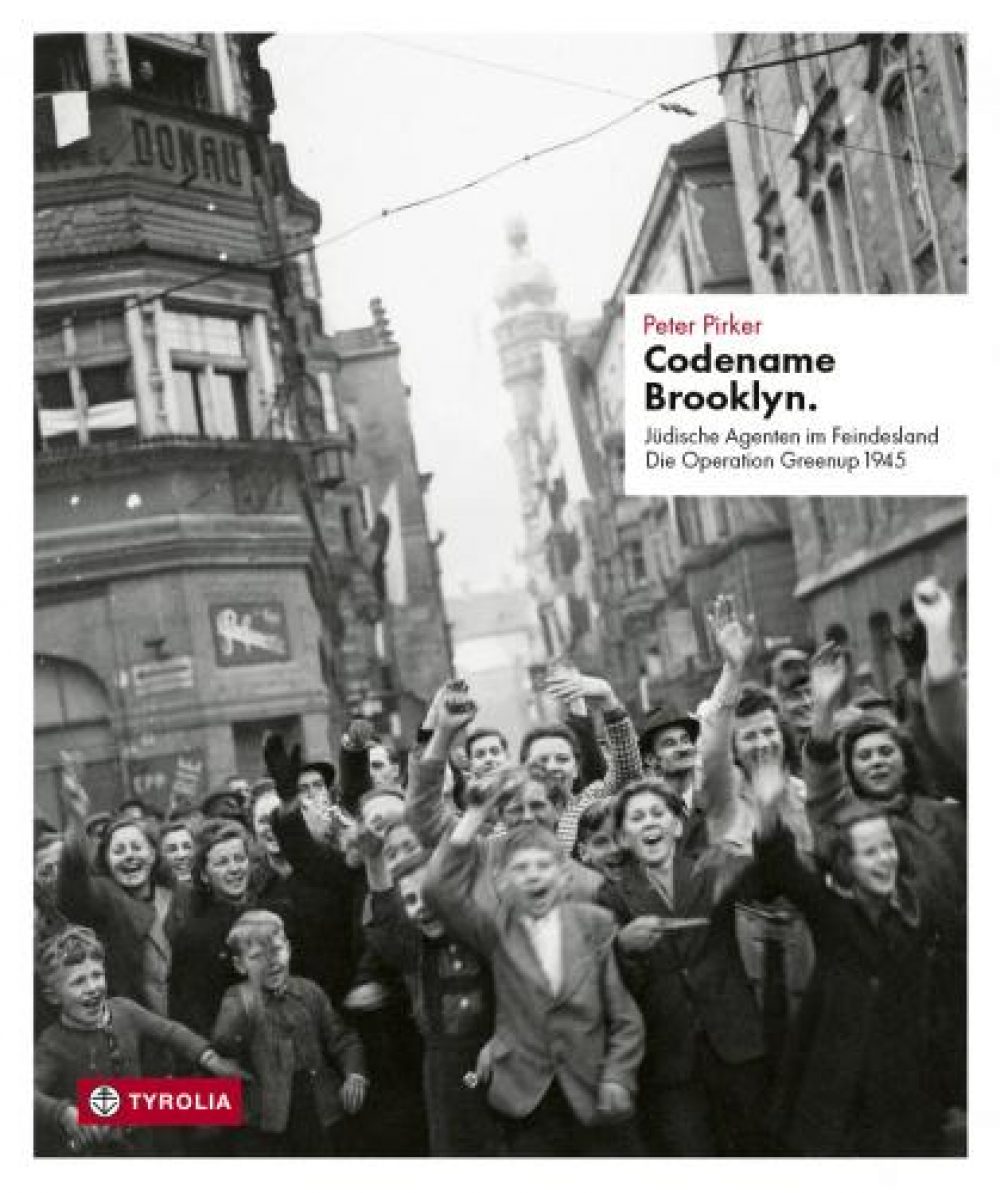 Peter Pirker: Codename Brooklyn.
Jewish agents in enemy territory. Operation Greenup 1945.
With a photo essay by Markus Jenewein.
368 pages, 122 bw illustrations and 16 bw maps,
Two-color print. 25 cm x 21 cm. 29,95 Euro.
Show me the location on the map

Similar articles

Multi-sport athlete Anna Pixner is one of the fastest women in the world…

The New Orleans - Innsbruck Connection It’s no secret that I’m an American who has…

Many people associate Innsbruck with winter, snow, and sports—and rightly so. But our Alpine metropolis also has…

Camping, kids, and a newly renovated campground in an idyllic setting: My trip to the Judenstein Campground…
